
Burst Pipe in Princeton NJ? Do These Things First
Cal HewittPublished
- burst pipe
- water damage
- frozen pipes
- new jersey
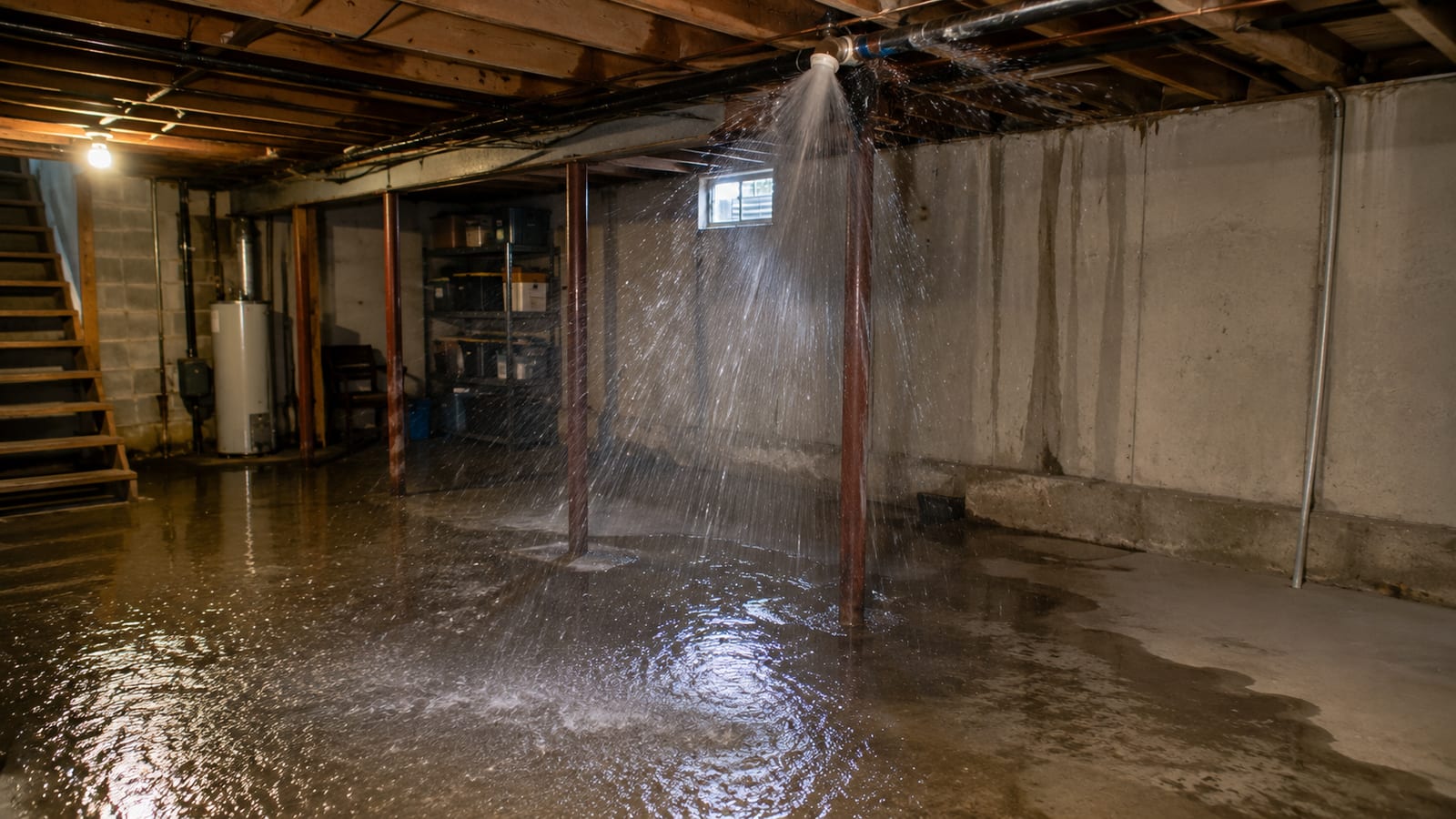
You're reading this because something has already gone wrong. Maybe you heard a pop behind the wall, or you walked into your basement and found water spreading across the floor. Maybe it's 2 a.m. and you're standing there barefoot, watching water drip through your kitchen ceiling, wondering whether you're about to make things much worse by trying to handle it yourself. That frozen panic is real, and it happens to Princeton homeowners every winter when New Jersey temperatures drop and stay there. A burst pipe can release gallons of water per hour, and even one inch of standing water may cause up to $25,000 in damage before you've had a chance to think. The next five minutes matter more than anything else. What follows is a clear, step-by-step path forward written specifically for Princeton homeowners who need answers right now.
Key Takeaways
Shut off the main water valve first
Turn it clockwise until it stops. Do this in the first minute to prevent further flooding.
Address electrical safety immediately
If water is near outlets or appliances, turn off electricity at the breaker before touching anything.
Document before you clean
Photos and videos taken before cleanup are what make or break an insurance claim.
The mold clock is running
Mold can begin growing within 24 to 48 hours after water exposure. Drying must start immediately.
Cost stakes are real
One inch of water can cause up to $25,000 in damage, so every hour of delay adds up.
Princeton's climate creates real risk
Prolonged cold spells trigger waves of burst pipes across New Jersey, and Princeton is no exception.
Why Burst Pipes Are a Princeton, NJ Problem
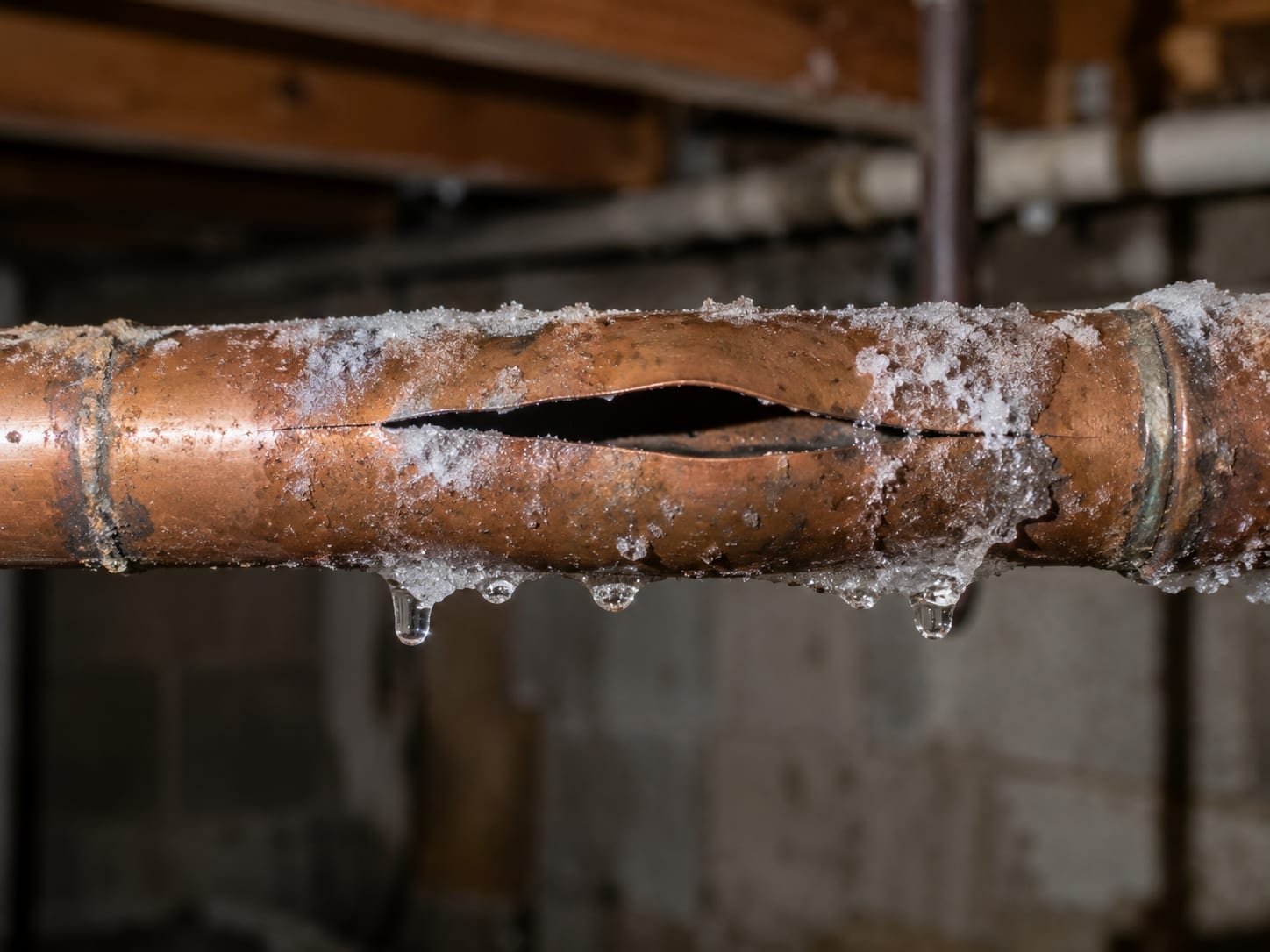
Princeton sits squarely in New Jersey's winter freeze zone. When temperatures drop below 32°F and stay there for days, water inside your pipes freezes and expands. That expansion creates pressure, and when that pressure has nowhere to go, the pipe cracks or splits open. A frozen pipe can burst and cause major water damage in just minutes, which is why this kind of emergency rarely announces itself politely.
The Frozen Pipe Connection
Water freezes at 32°F and expands inside pipes, creating immense pressure that can crack them open. The pipes most at risk are in unheated spaces like basements, crawlspaces, and exterior walls, because those areas lose heat fastest during a cold snap. New Jersey's prolonged cold spells trigger waves of burst pipes across the state, and Princeton homeowners face the same patterns year after year.
Local Climate Risk
Burst pipes in Princeton also come from corrosion in older homes, high water pressure stressing aging plumbing, and physical damage from construction or renovation work. Princeton has a significant stock of older housing, so corroded pipes are a real factor for many homeowners here. Whatever the cause, the result is the same: water moving through your walls, floors, and ceilings at a rate your towels cannot match.
Warning Signs Before a Major Burst
Sometimes a burst pipe is a total surprise. Other times, your home has been sending signals for days or weeks. Catching these early can be the difference between a quick plumber visit and a full water damage restoration job.
Hover or tap a row to highlight it.
| Warning sign | What to look for | What it points to |
|---|---|---|
| Water pressure and bill changes | A sudden drop in water pressure or an unexplained jump in your water bill | Water escaping from a hidden leak somewhere it should not be |
| Visible water damage | Damp spots on walls or ceilings, bubbling or peeling paint, water stains, standing water near the foundation | A pipe that has already started to fail |
| Unusual sounds | Hissing behind drywall or running water when no faucets are on | A pressurized leak happening inside the walls right now |
Sign A: Water Pressure and Bill Changes
A sudden, unexplained drop in water pressure often means water is escaping somewhere it shouldn't be. An unexplained increase in your water bill is another early warning that a hidden leak is wasting water continuously. These two signs together are a strong signal that something in your plumbing has already failed or is about to.
Sign B: Visible Water Damage
Damp spots on walls or ceilings, bubbling or peeling paint, unexplained water stains, and standing water near your foundation all point to an active pipe leak. Water dripping from a ceiling or pooling near a wall means the pipe has already started to fail. At that point, you're not preventing a burst; you're managing one that's already underway.
Sign C: Unusual Sounds
Hissing sounds behind drywall or the sound of running water when no faucets are on means a pressurized leak is happening inside your walls right now. These sounds are easy to dismiss, especially at night, but they are worth investigating immediately.
Key Considerations for Emergency Response
When a pipe bursts, two things have to happen in the first few minutes. Stop the water. Remove the electrical hazard. Everything else comes after those two decisions are made.
Factor A: Water Shutoff Location
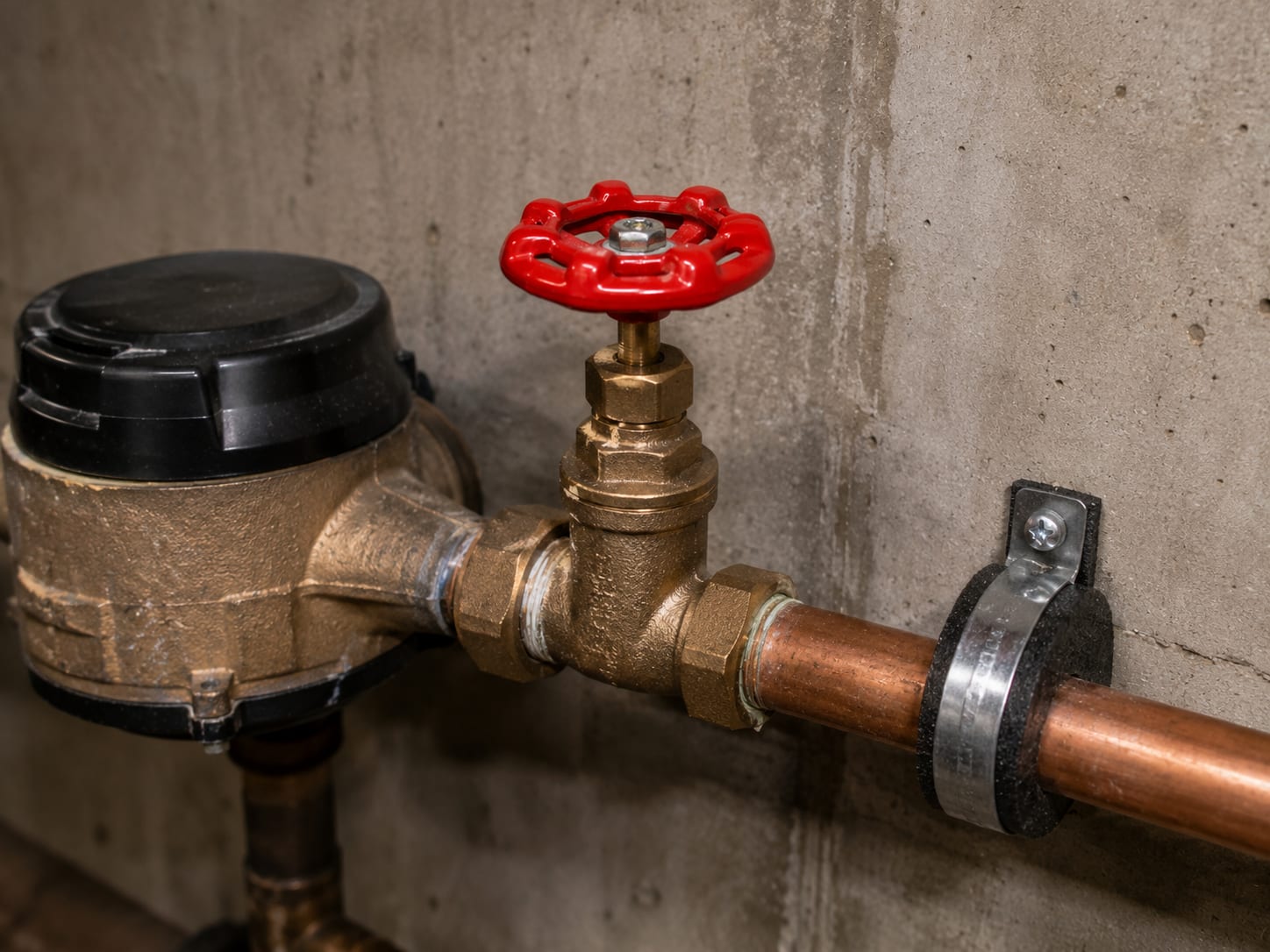
Your main water shutoff valve is the single most important thing to find before an emergency, not during one. It is typically located in the basement, crawlspace, near the water heater, or near the water meter. If you don't know where yours is right now, stop reading and go find it. Turn the valve clockwise until it stops. Don't waste time hunting for the individual shutoff for the specific pipe that burst; go straight to the main valve to cut water to the entire home.
Factor B: Electrical Safety
Water and electricity together can be deadly. If water is near electrical outlets, switches, or appliances, shut off electricity to the affected areas at the circuit breaker. If you're unsure which circuits cover the affected area, or if reaching the breaker box means walking through standing water, shut off the whole house. It's inconvenient. It's also the right call.
Step-by-Step Emergency Process
Here is the exact sequence to follow when a pipe bursts in your Princeton home. This order matters, and skipping ahead can create bigger problems than the burst pipe itself.
Burst Pipe Emergency Sequence
- 1
Shut off water immediately
Go to the main shutoff valve and turn it clockwise until it stops. Older gate valves take several rotations; newer ball valves need only a quarter turn.
- 2
Turn off electricity if safe
If water is near outlets, switches, or appliances, cut power to the affected areas at the breaker. If you cannot reach the breaker without crossing standing water, shut off the whole house.
- 3
Locate and document the burst
Walk room by room to find the source, then photograph and video everything before you clean, because cleaning first can cost you insurance coverage.
- 4
Call a professional plumber
Once the source is found, call an emergency plumber and tell them the main valve is off, where the damage is, and whether electricity is off in the affected area.
- 5
Remove standing water
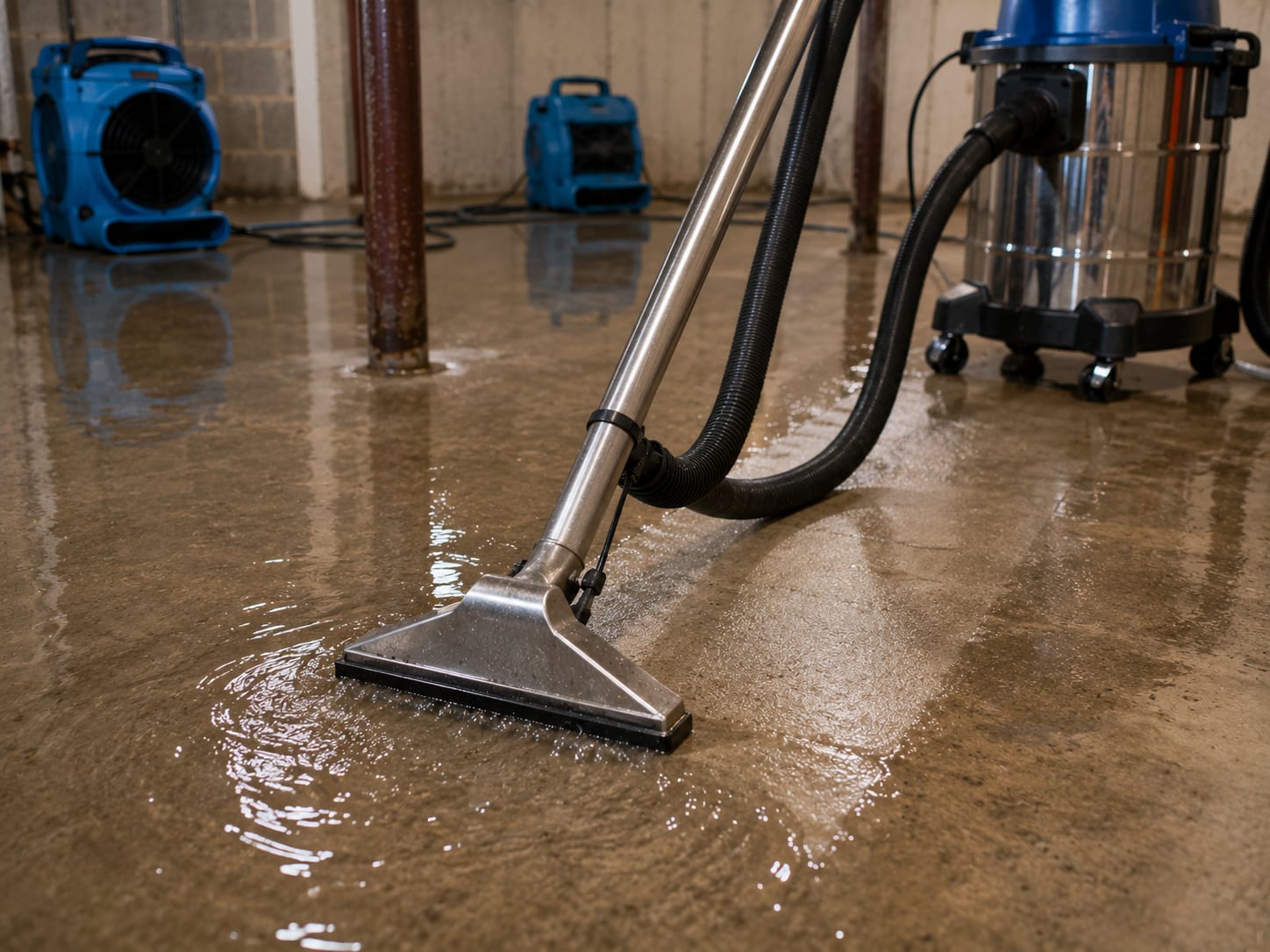
After documenting, use towels, mops, and a wet/dry shop vacuum to pull water. Never use a regular household vacuum on water.
- 6
Prevent mold growth
Within 24 hours, run dehumidifiers and fans, and remove wet carpet, padding, and upholstery before mold takes hold.
- 7
File your insurance claim
Contact your insurer with photos, videos, and a written inventory, and keep every receipt for supplies, plumber visits, and temporary repairs.
Step 1: Shut Off Water Immediately (Minute One)
Go directly to your main water shutoff valve and turn it clockwise until it stops. Older gate valves require several full rotations; newer ball valves need only a quarter turn. If the valve is stuck, use both hands or a wrench, but don't apply so much force that you break the valve itself.
Step 2: Turn Off Electricity (If Safe)
Once the water is off, assess the electrical situation. If water is near outlets, switches, or any appliances, turn off electricity to the affected areas at your circuit breaker. If you cannot reach the breaker without walking through standing water, shut off the entire house. If the breaker is inaccessible entirely, leave and call emergency services before going back in.
Step 3: Locate and Document the Burst
With water and electricity addressed, walk through your home room by room to find the source. Check ceilings for bulges and stains, look for bubbling paint on walls, and locate any standing water near walls or in corners. Take photos and videos of everything before you clean up anything. Cleaning up before you document can cost you significant insurance coverage. Write down the exact location of the damage so you can describe it clearly to the plumber.
Step 4: Call a Professional Plumber
As soon as you've located the source, call an emergency plumber. If you were unable to shut off the water in Step 1, skip ahead and call immediately. Princeton Air handles frozen pipe repair at (609) 799-3434, and Guaranteed Service covers Central NJ with 24-hour availability at (732) 242-7480. Tell the plumber you've shut off the main valve, where the damage is, and whether electricity is off in the affected area.
Step 5: Remove Water (After Documenting)
Once you've photographed everything, start removing standing water. Use towels, mops, and rags to absorb what you can. A wet/dry shop vacuum works well for larger volumes. Do not use a regular household vacuum on water; it creates a serious electrical shock hazard and destroys the vacuum. Place towels along the edges of the water to stop it from spreading into adjacent rooms. If the ceiling is dripping, put buckets down immediately. Move wooden furniture off wet carpet and place aluminum foil or plastic blocks under the legs to prevent staining and warping.
Step 6: Prevent Mold Growth (Within 24 Hours)
This step is where many homeowners lose the battle even after doing everything else right. Mold begins growing within 24 to 48 hours after water exposure, and once it starts, it spreads fast. Run a dehumidifier in the affected rooms and position it near any wall openings to pull moisture from hard-to-reach areas. Set up fans to move air across wet surfaces and use heaters to speed drying if electricity is safely restored. Remove wet carpet, padding, and upholstery from the area because these materials hold moisture for days and become mold breeding grounds quickly.
Step 7: File Your Insurance Claim
Contact your homeowner's insurance company as soon as the immediate emergency is handled. Provide your photos, videos, and a written inventory of damaged belongings, including brand name, model, age, and condition for each item. Keep every receipt for cleanup supplies, plumber visits, and any temporary repairs. Insurance may cover water damage restoration, structural repairs, and mold remediation if mold is caught within the 24-to-48-hour window. Coverage may be reduced or denied for mold that developed because of a delayed response.
Common Pitfalls to Avoid
Most serious mistakes during a burst pipe emergency are understandable in the moment. Panic shortcuts decision-making. Knowing these pitfalls ahead of time means you'll recognize them when you're tempted to make them.
Mistakes That Make It Worse
Hunting for the specific valve
Searching for the individual pipe valve instead of the main valve wastes critical minutes while water keeps flooding in.
Using a household vacuum
Only a wet/dry shop vacuum is safe on standing water; a regular vacuum is a shock hazard and gets destroyed.
Cleaning before documenting
Removing water and damaged materials before photographing them can cost you significant insurance coverage.
Waiting on mold prevention
Every hour past the 48 hour window raises the odds that insurance denies mold coverage and the restoration job grows.
Ignoring early warning signs
A drop in water pressure or a damp spot on the ceiling is your home telling you something is wrong.
- Searching for the specific pipe valve instead of the main: This wastes critical minutes while water continues flooding your home.
- Using a regular household vacuum on standing water: Only a wet/dry shop vacuum is safe for this job.
- Cleaning before documenting: Removing water and damaged materials before photographing them can cost you significant insurance coverage.
- Waiting on mold prevention: Every hour past the 48-hour window increases the chance that insurance won't cover mold remediation and that you'll face a much larger restoration job.
- Ignoring early warning signs: A drop in water pressure or a damp spot on the ceiling is your home telling you something is wrong.
Prevention: Long-Term Strategy for Princeton Homes
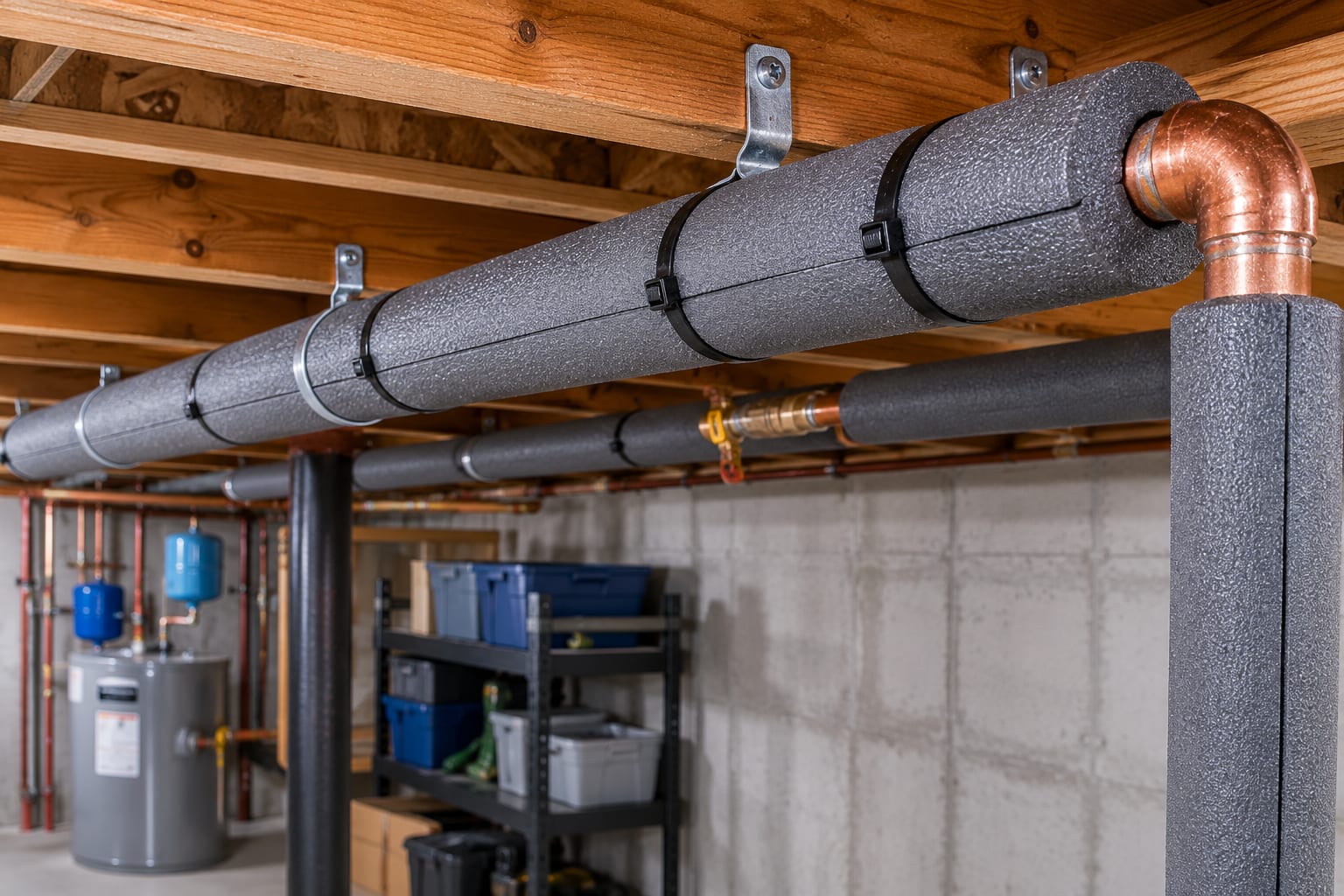
Once the current emergency is resolved, the best investment you can make is preventing the next one. Princeton winters can be brutal, and the homes most vulnerable to frozen pipes are often the ones where prevention steps were skipped in October and November.
Temperature Control
Keep your heat set at a minimum of 65°F, even when you're away or sleeping. Set the thermostat to the same temperature day and night during cold snaps. Paying a few hundred dollars more on your heating bill over a winter costs far less than a plumber, a water damage restoration crew, and a mold remediation job combined. Never turn the heat off entirely when leaving your Princeton home for a winter trip.
Pipe Protection Measures
Insulate pipes in your basement, crawlspace, and exterior walls before the cold season starts. Open cabinet doors under sinks along exterior walls on the coldest days so warm air can circulate around the plumbing. Board up crawl space vents and seal louver openings to block cold air from reaching uninsulated pipes. Before winter, drain and disconnect outdoor hoses, close the interior shutoff valves for outdoor spigots, and drain swimming pool and sprinkler supply lines.
Part-Time Resident Protocols
If you own a vacation property or a part-time residence near Princeton, shore and part-time properties are particularly vulnerable during prolonged New Jersey cold spells because there's nobody there to notice a problem early. Arrange for a neighbor, property manager, or friend to check on the home during any extended cold forecast. If you drive past an unoccupied property and see water visibly pouring out, call the town's non-emergency police line or the local water company so someone can respond.
Frequently Asked Questions About Burst Pipe Princeton NJ
What is the very first thing I should do when a pipe bursts?
Go directly to your main water shutoff valve and turn it clockwise until it stops. This cuts water to the entire home immediately. Don't spend time hunting for the individual valve near the broken pipe; the main valve is what stops the damage right now.
How quickly can a burst pipe cause major damage?
Very quickly. A frozen pipe can crack, burst, and cause major water damage in just minutes, and even one inch of standing water may cause up to $25,000 in damage. A small broken bathroom pipe can release gallons of water per hour, which is why the first sixty seconds of your response matter so much.
When does mold start growing after water damage?
Mold can begin growing within 24 to 48 hours after water exposure. You need the affected area fully dried within that window using dehumidifiers, fans, and heaters. If you can't achieve complete drying in that timeframe, professional mold remediation is the right call.
Do frozen pipes always burst during cold weather?
No. Pipes only burst when pressure from ice buildup has nowhere to escape. Pipes that are properly insulated and in heated spaces may freeze partially without cracking. Prevention through insulation and temperature control stops the pressure from building to the breaking point.
What should I document for my insurance claim?
Take clear photos and videos of all visible damage before you touch anything. Walk every affected room and capture floors, walls, ceilings, and damaged belongings. Then create a written inventory of all damaged items with brand name, model number, age, and condition noted for each one.
Is this truly an emergency, or can it wait until morning?
If water is actively flowing or you cannot stop it, call an emergency plumber immediately. If you've successfully shut off the main valve, you have more flexibility, but the mold clock is already running. Waiting until morning is a gamble with your 24-to-48-hour mold prevention window.
Test Your Burst Pipe Response
1. What is the very first thing to do when a pipe bursts?
2. How quickly can a burst pipe cause major damage?
3. When does mold start growing after water damage?
4. Do frozen pipes always burst during cold weather?
5. Should you document the damage before cleaning up?
Pick an answer to begin.
Final Thoughts
A burst pipe in Princeton is stressful, but the steps to handle it well are not complicated. Shut off the water first, address electrical hazards second, document before you clean, start drying immediately, and get a plumber on the phone as fast as possible. Proper documentation strengthens your insurance claim. Starting the drying process within 24 hours keeps mold from becoming a second disaster. Getting professionals involved means the moisture hiding inside your walls and under your floors gets found and removed rather than left to cause problems months after you thought everything was fine.
When a burst pipe cleanup turns into more than you can handle alone, our team at ExecPro Restoration & Cleaning is ready to help. We serve Princeton and the surrounding New Jersey area with 24-hour water damage response, emergency water extraction, structural drying, and mold remediation. We use thermal imaging and moisture mapping to find water that's already moved behind walls and under floors, because the damage you can't see is often the damage that costs the most. From the initial water extraction through mold testing, remediation, drywall replacement, and full rebuild, we handle every step of the restoration so you're not coordinating multiple contractors during one of the most stressful situations a homeowner can face. Call ExecPro Restoration & Cleaning today. We're here around the clock because burst pipes don't wait for business hours. You can also contact us with the details and we will reply with the next step.
Burst Pipe Terms
Tap a term to see what it means.
Main water shutoff valve. The valve that cuts water to the entire home, usually in the basement, crawlspace, near the water heater, or near the water meter. Turned clockwise until it stops.
Serving Princeton
ExecPro Restoration & Cleaning provides mold remediation services in Princeton, NJ, from inspection and testing through removal, drying, and post-remediation verification. Call (888) 300-3772 for 24/7 emergency response.
Related Articles
Flood Damage Cleanup in Bridgewater, NJ: When the Brook or River Comes Inside
When water comes in from outside, it is treated as contaminated. What to throw out, what to keep clear of, and what the township wants before you rebuild.
Flood Damage Cleanup in Robbinsville, NJ: What to Discard, Dry and Document After Creek Water
Soaked carpet, swollen drywall and wet insulation from creek water usually come out. See what flood damage cleanup in Robbinsville, NJ discards and dries.
Water Damage Restoration in Robbinsville, NJ: Creek Water, Pipe Water and the Claim File
Where a leak or flood begins decides what can be kept. See how water damage restoration in Robbinsville, NJ sorts pipe water from creek water and the claim.