Black Mold Removal in West Windsor, NJ: How to Choose Who Does It
Cal HewittPublished Updated
- black mold removal
- choosing a contractor
- moisture source
- west windsor nj
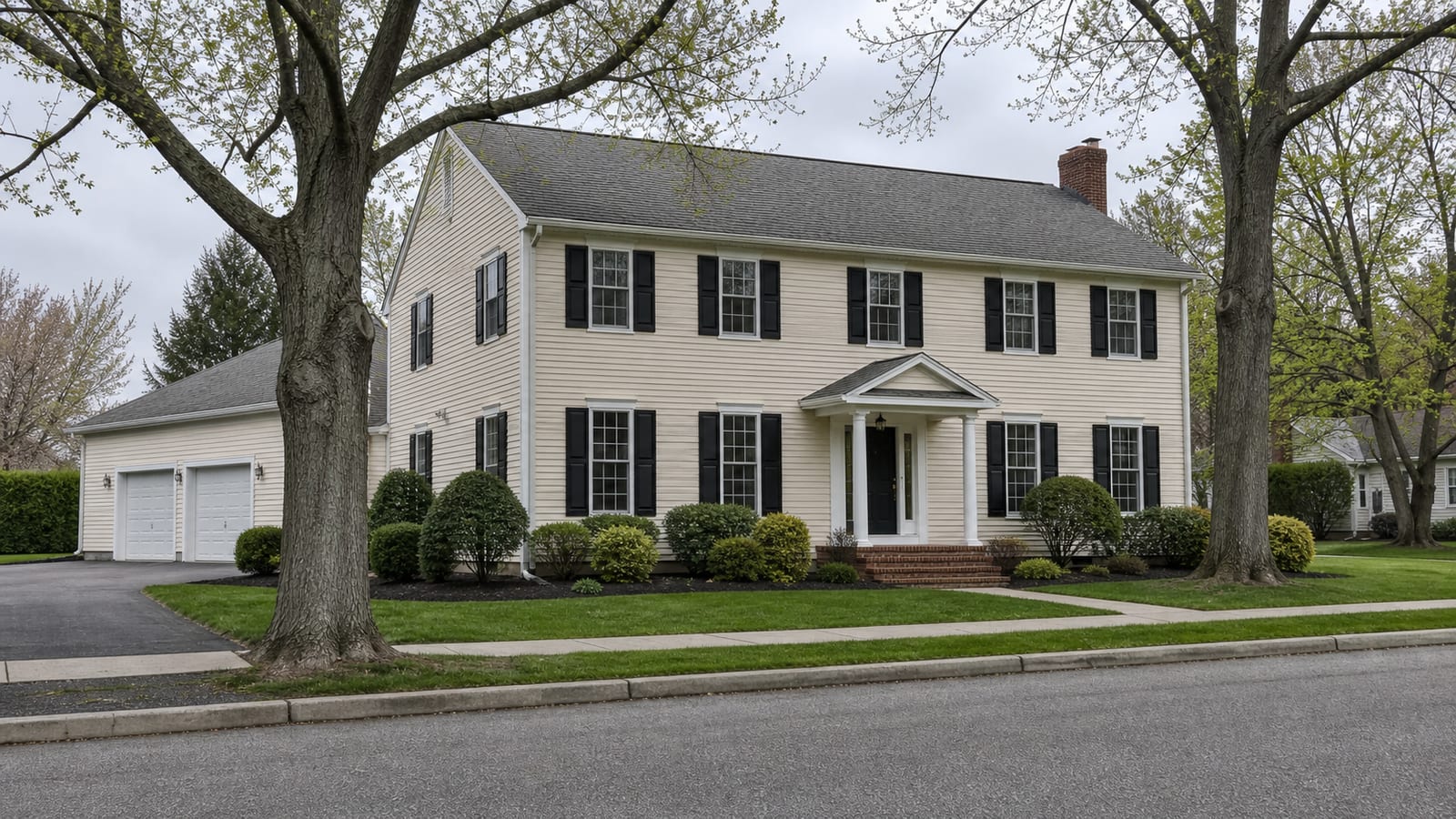
You have found something dark growing where it should not be, you have probably spent twenty minutes reading things that made it worse, and you are now about to phone somebody. That last part is where this can go wrong, because a frightened customer is the easiest customer to sell to, and this particular corner of the trade knows it. So this page does two things. It tells you what to do in the next day, which is less dramatic than you might expect. And it gives you a short list of checkable things that separate a contractor who will fix your problem from one who will price your worry.
Key Takeaways
New Jersey has no state certification programme for mold firms
, so "state certified for mold remediation" describes something that does not exist.
What is checkable is contractor registration with the Township
for permit-subject work, and permit documents being on site at inspection.
Find the water before anything is cleaned
, because removal without correction is a repeat visit with an invoice.
Routine air sampling is not recommended
by CDC, and EPA describes only limited situations where it is useful.
Doing the Right Things in the First Day
Nothing here is dramatic, and that is the point.
The First Day, Step by Step
- 1
Stop making it worse
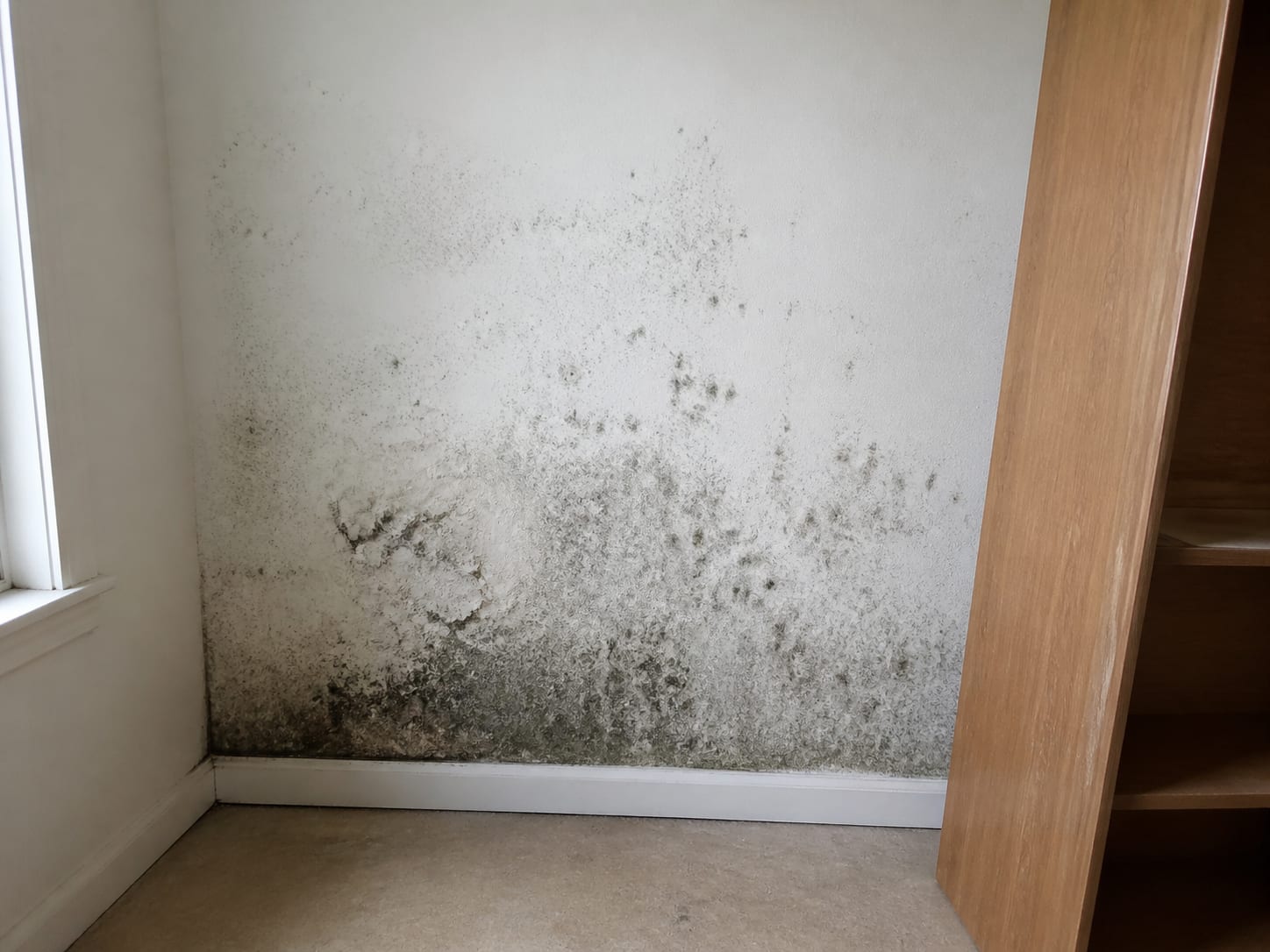
Do not scrub it, paint over it or run fans at it. Disturbing growth spreads it, and covering it removes the evidence of extent.
- 2
Photograph it, dated
Wide enough to show where it is in the room, close enough to show the material it is on.
- 3
Write the water history down
When you first noticed it, whether anything leaked or overflowed, whether it follows rain, whether the room has ever been wet.
- 4
Protect anyone vulnerable
Keep people out of the area if they have asthma or mold allergies, lung conditions or immune compromise, and keep out very young infants and older adults.
- 5
Get it assessed, not just quoted
An assessment establishes how far it goes and what is feeding it, and those decide the actual job.
Stop making it worse. Do not scrub it, do not paint over it, do not run fans at it. Disturbing growth spreads it, and covering it removes the evidence of extent that somebody needs to see.
Photograph it, dated. Wide enough to show where it is in the room, close enough to show the material it is on.
Write the water history down. When you first noticed it, whether anything leaked or overflowed, whether it follows rain, whether the room has ever been wet. This is the single most useful thing you can hand an assessor.
Keep people out of the area if anybody in the building is vulnerable. That means people with asthma or mold allergies, people with lung conditions or immune compromise, very young infants and older adults. Not because a specific level has been measured, but because avoidable exposure is avoidable.
Then get it assessed rather than quoted. The distinction matters. A quote prices what somebody can see. An assessment establishes how far it goes and what is feeding it, and those decide the actual job.
Finding the Water Is What Makes the Removal Stick
Growth is the visible end of a moisture problem, and removal that does not address the water end is a scheduled return visit.
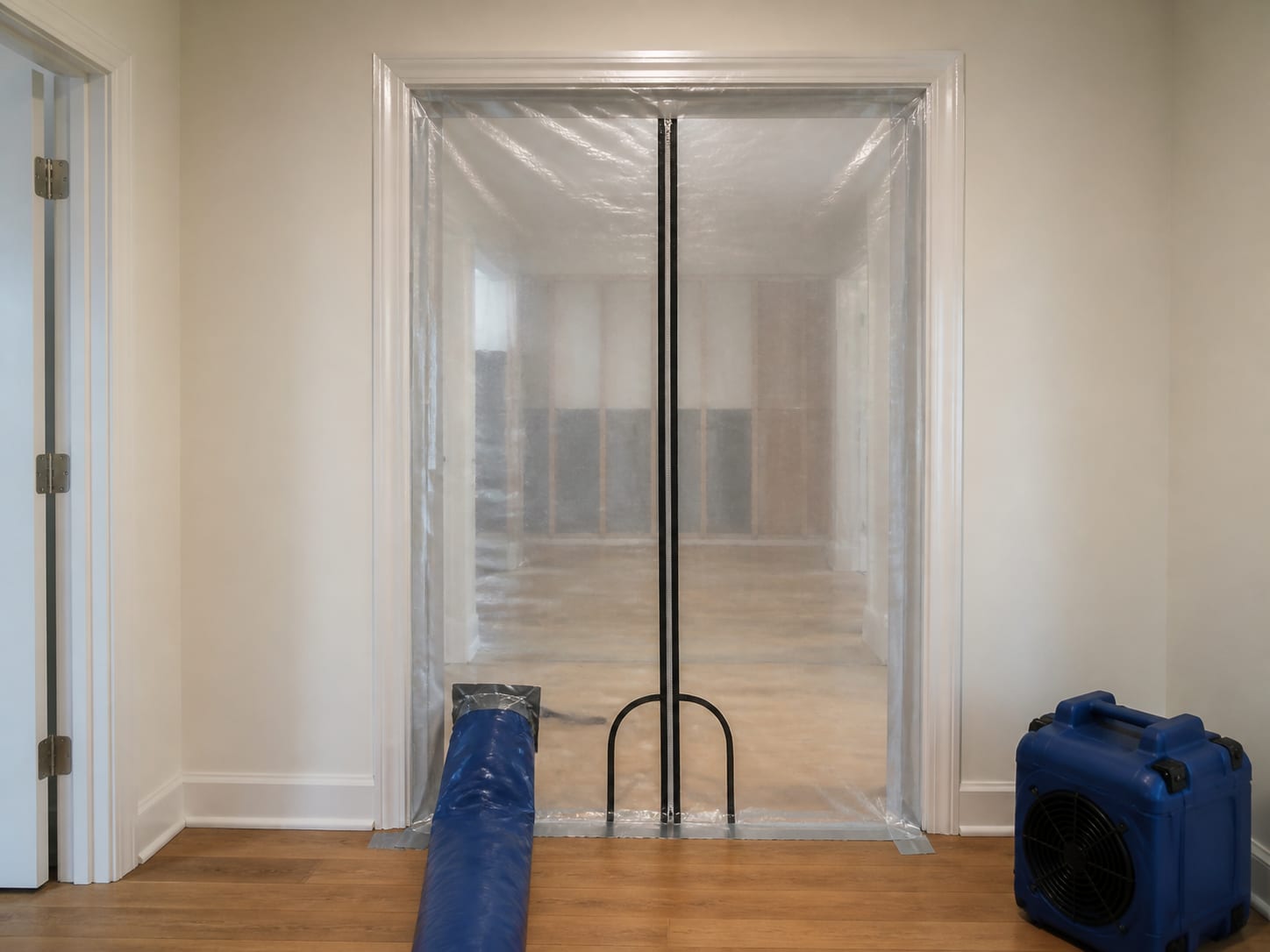
So the sequence any competent contractor will follow is: establish the source, establish the extent, contain the area, remove what cannot be cleaned, clean what can, correct the moisture, dry the assembly, verify. If somebody quotes you for cleaning and treats the water as a separate matter for a different trade, you are being sold half a job.
What a Competent Contractor Does, in Order
- 1
Establish the source and the extent
Where the water is coming from, with physical evidence, and how far the growth goes, measured rather than eyeballed.
- 2
Contain the area
Sized to the affected area and to who is in the building.
- 3
Remove what cannot be cleaned, clean what can
Porous material that held water generally leaves rather than gets cleaned.
- 4
Correct the moisture and dry the assembly
This is what makes the removal stick.
- 5
Verify
You end up with the file: dated photographs, moisture findings, work scope, invoices, and any targeted laboratory or clearance report.
Ask the direct question: where do you think the water is coming from, and what makes you think that. A good answer names something physical, a grade condition, a supply line, a roof or window detail, a condensation path in an under-insulated wall. A vague one is a warning.
Worth saying once and then moving on: the colour does not tell you what species it is or how dangerous it is, and no responsible contractor will scope a job from it. What sets the scope is the affected area, the material, and the moisture source. That is true whether the growth is black, green or grey.
Choosing Well When There Is No Licence to Check
This is the part that genuinely protects you, and most people do not know it.
New Jersey does not run a state certification programme for companies performing mold or general indoor-air and environmental-health services. The Department of Health says so, and it also says it does not endorse or qualify the private companies on its own resident list. So a contractor telling you they are state certified for mold remediation is describing a credential that does not exist in this state. That single fact is the most useful filter on this page.
What is real and checkable, and specific to working in West Windsor:
- Township contractor registration. Contractors and subcontractors doing permit-subject work must be registered with the Township. If the job will include any regulated construction, ask whether they are.
- Permit documents on site. West Windsor requires permit documents to be on site for inspections. A contractor who works around that is telling you something.
- In-house plan review. The Township's Code Enforcement Division performs building, electrical, plumbing and fire plan reviews itself, so the process is local and answerable rather than remote.
And three questions that sort competent from confident:
1. What is the moisture source, and what is your evidence? 2. What is the affected area, and how did you establish it? A number that came from measurement rather than from looking at a wall. 3. What will I have at the end? Dated photographs, the reported water event, the moisture findings, the affected materials, the work scope, invoices, permit and inspection records where they apply, and any targeted laboratory or clearance report.
That last list is not a nicety. It is what an insurer, a buyer's inspector or an association will ask you for, and it cannot be assembled after the fact.
Sorting Competent from Confident
Ask about the moisture source
What is it, and what is your evidence? A good answer names something physical. A vague one is a warning.
Ask about the affected area
How did you establish it? A number that came from measurement rather than from looking at a wall.
Ask what you will have at the end
Dated photographs, the reported water event, the moisture findings, the affected materials, the work scope, invoices, permit and inspection records where they apply, and any targeted laboratory or clearance report.
Check what is real in West Windsor
Township contractor registration for permit-subject work, and permit documents on site for inspections.
Getting the Right Answer for Your Kind of Building
West Windsor's own land use mapping distinguishes single-family detached, attached and townhouse, multifamily, commercial, office, industrial and HOA property, and that distinction changes this job more than most people expect.
Hover or tap a row to highlight it.
| Building | Who decides | What changes |
|---|---|---|
| Detached house | You own the problem and the decision | Simple, if not cheap |
| Townhouse or condominium | You, and possibly the association | The wall the moisture is arriving through may be a common element, which affects who authorises opening it and whose insurer is involved |
| Apartment | The tenant reports and the owner authorises | The tenant documents the problem and puts the report in writing |
| Commercial or multi-tenant space | The owner or manager, with occupancy in play | Occupancy, access and business continuity, so containment is about keeping the rest of the building working |
In a detached house, you own the problem and the decision. Simple, if not cheap.
In a townhouse or condominium, the wall the moisture is arriving through may be a common element. That affects who authorises opening it, whose insurer is involved, and whether the correction outside your unit is yours to make at all. Tell the association early. In practice they would rather know at the smell stage than at the claim stage.
In an apartment, the tenant reports and the owner authorises, and the useful thing a tenant can do is document and put the report in writing.
In a commercial or multi-tenant space, add occupancy, access and business continuity, and the containment decision becomes about keeping the rest of the building working.
Understanding the Health Question Without the Hype
Straight version. Damp and moldy conditions can matter to occupants, and they matter more to some people than others: those with mold allergies or asthma, people with lung conditions or immune compromise, very young infants and older adults.
What the agencies actually report is allergic reactions, asthma attacks in people who are mold-allergic, and irritation of the eyes, skin, nose, throat and lungs. Research continues, and other symptom claims are not commonly reported from indoor inhalation. That is a real basis for acting promptly. It is not a basis for the language you will find on some sites, and anybody using stronger claims to close a sale is telling you what kind of company they are.
If somebody in the building is unwell, that is a clinician's question and worth asking properly. The building question, which is where the water is and what has to come out, is the one we can answer.
Knowing When Testing Helps
CDC does not recommend routine air sampling, and EPA describes only limited circumstances in which sampling is useful. Where you can see growth, the decision to remediate is already made, and a sample rarely changes the work.
Where testing does earn its place is narrower: a source you genuinely cannot locate, verification that an area was adequately cleaned, or a documented result you need for a claim, a sale or a dispute. Those are real situations and worth doing properly when you are in one.
If a contractor's first move on a visible patch of growth is to sell you a test, ask what decision the result will change. A good answer exists sometimes. If there is not one, the money belongs in finding the water.
What Changes the Scope and the Cost
- The affected area, measured rather than eyeballed, which sets the containment level.
- The material, since porous material that held water generally leaves rather than gets cleaned.
- The moisture correction, which can be a downspout or can be drainage work.
- Access and building type, including whether an association or another unit is involved.
- Whether a rebuild follows, which is a permitted stage with its own clock.
No credible published West Windsor price range exists for this work, so a number offered before somebody has assessed the extent is describing a different property.
Hover or tap a row to highlight it.
| Driver | Why it changes the job |
|---|---|
| The affected area | Measured rather than eyeballed, and it sets the containment level |
| The material | Porous material that held water generally leaves rather than gets cleaned |
| The moisture correction | It can be a downspout or it can be drainage work |
| Access and building type | Includes whether an association or another unit is involved |
| Whether a rebuild follows | A permitted stage with its own clock |
Frequently Asked Questions About black mold removal West Windsor NJ
Is black mold more dangerous than other mold?
The colour does not identify the species or the risk, and no responsible contractor scopes a job from it. What decides the work is the affected area, the material and the moisture source. Damp and moldy conditions are worth acting on regardless of colour, particularly where someone in the building has asthma, a mold allergy, a lung condition or immune compromise.
How do I check a mold remediation company in New Jersey?
Not by asking for a state mold licence, because New Jersey has no certification programme for mold or indoor-air firms and its health department does not endorse the companies on its own list. Ask instead whether they are registered with the Township for permit-subject work, whether permit documents will be on site at inspection, what they believe the moisture source is and why, how they established the affected area, and what documentation you will hold at the end.
Can I clean it myself?
A small area on a hard, non-porous surface, sometimes. What you cannot do yourself is establish how far it goes behind the surface or find the water feeding it, and cleaning without both is why the same patch reappears. If anyone in the building has asthma, allergies or a lung condition, they should not be doing the cleaning.
Do I need an air test first?
Usually not. CDC does not recommend routine air sampling, and where growth is visible the decision to remediate is already made. Testing is worth it for a source you cannot find, for verifying an area was properly cleaned, or for a documented result you need for a claim, a sale or a dispute.
Does the removal need a permit?
Surface cleaning generally does not. Regulated construction work does, unless it is ordinary maintenance or otherwise exempt, and emergency work can begin under the Uniform Construction Code with the required notification. If the job includes demolition, rebuilding, plumbing, electrical or mechanical work, that is the part the permit attaches to.
It is on a wall I share with my neighbour. What now?
Report it to the association promptly and in writing, and get it assessed rather than opened. The moisture may be arriving from a common element or from the next unit, which changes who authorises the work and whose insurer is involved. Establishing the source early is what keeps that from becoming a dispute.
Test Your Mold Removal Knowledge
1. Does New Jersey run a state certification program for mold firms?
2. What sets the scope of a mold removal job?
3. What does CDC say about routine air sampling?
4. What should you do with visible growth in the first day?
Pick an answer to begin.
Mold Removal Terms
Tap a term to see what it means.
Moisture source. Where the water is coming from, such as a grade condition, a supply line, a roof or window detail, or a condensation path in an under-insulated wall.
Final Thoughts
Finding dark growth in your home is unsettling, and the useful response is duller than the internet suggests: do not disturb it, photograph it, write down the water history, and get somebody to establish the extent and the source rather than quote you for cleaning. The removal itself is well-understood work.
The part that needs your judgement is who does it, and New Jersey makes that harder by not licensing this trade. What you can check is real: Township registration for permit-subject work, permit documents on site, a specific answer about where the water is coming from, a measured affected area, and a documented file at the end.
If you have found something dark in your West Windsor property, call us and we will assess it before we quote it. ExecPro Restoration & Cleaning has done mold work across Mercer County since 2015, from Princeton Junction NJ through West Windsor NJ, Princeton NJ, Plainsboro NJ, Hightstown NJ and Robbinsville NJ. Call ExecPro Restoration & Cleaning at (888) 300-3772 or get in touch. We will tell you what the moisture source appears to be and why, measure the affected area rather than estimate it, and hand you the documentation your insurer or a future buyer will ask for.
Serving West Windsor
ExecPro Restoration & Cleaning provides mold remediation services in West Windsor, NJ, from inspection and testing through removal, drying, and post-remediation verification. Call (888) 300-3772 for 24/7 emergency response.
Related Articles
Black Mold Removal in Trenton, NJ: Whether to Stay, What to Touch and What It Takes
Is it safe to stay in the house tonight? Get the size-based answer, what not to touch and what black mold removal in Trenton, NJ takes to do properly.
Basement Mold Remediation in West Windsor, NJ: Finding Where It Got In
Visible basement mold is the easy part. How the water route is established, what EPA's area thresholds change about the work, and what stops it returning next spring.
Black Mold Removal in Warren, NJ: What Happens Next
Found dark mold in your Warren, NJ home? What black mold removal actually involves, what has to come out, what drives the cost, and how the water gets stopped.