Basement Mold Remediation in West Windsor, NJ: Finding Where It Got In
Cal HewittPublished Updated
- basement mold remediation
- moisture source
- drainage
- west windsor nj
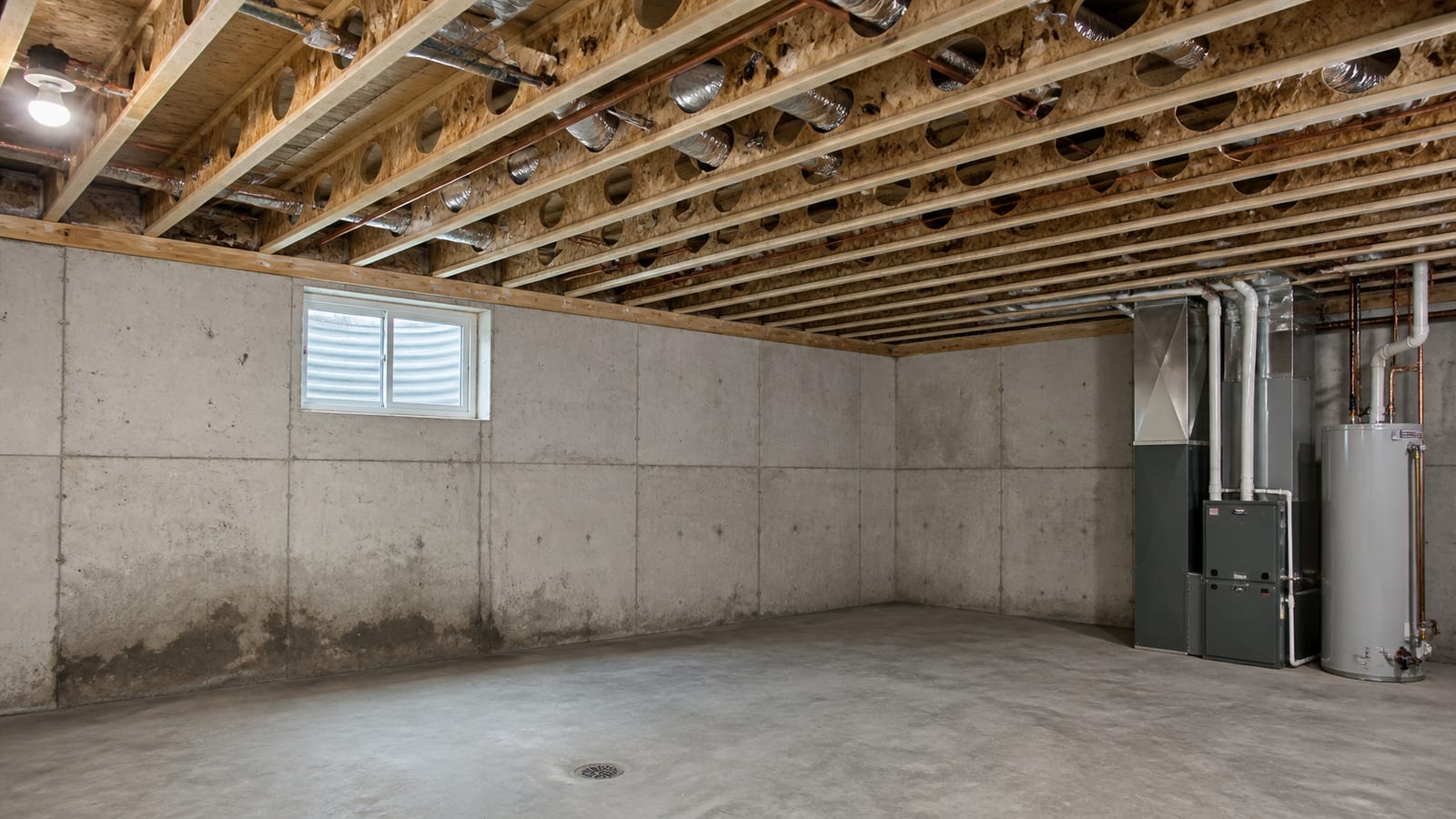
You can see it and you can smell it, so nobody needs to tell you what you are looking at. The question that actually matters is the one nobody has answered yet: how the water is getting in. That is not a technicality. Cleaning a basement wall is straightforward work, and if the route in has not been found and closed, the same wall looks the same again by next spring and you have paid twice. A basement has a short list of ways water arrives, they leave different evidence, and working out which one you have is the part of this job worth insisting on.
Key Takeaways
Fixing the moisture problem is inside the remediation, not after it
, which is how the federal checklist orders it.
Affected area changes the method
EPA groups contamination under 10 square feet, 10 to 100, and over 100, with escalating containment and protection.
A basement has four common water routes
, and they leave different evidence, so the diagnosis is a physical one rather than a guess.
Cleanup usually needs no permit; reconstruction can
, and in a flood hazard area a substantial improvement changes the requirements.
You Can See It and Smell It, So Here Is What Happens Next
The sequence below is the EPA's own remediation checklist, and the order is the useful part. Notice where the moisture fix sits.
1. Assess the size of the affected area, because that decides the method. 2. Consider hidden mold, since what is on the wall face is rarely the full extent. 3. Identify the moisture source. This is step three, not step nine. 4. Note the affected materials, which decides what can be cleaned and what leaves. 5. Check air ducts and air handling equipment, because a basement often holds both. 6. Plan protection and containment. 7. Fix the moisture problem. 8. Clean and dry the materials. 9. Discard porous items that cannot be cleaned.
If a quote you receive covers steps six, eight and nine and treats three and seven as somebody else's problem, that is a cleaning job rather than a remediation, and it is the version that comes back.
Which of the Four Routes Is It?
Basement water arrives one of four ways, and each leaves a different signature.
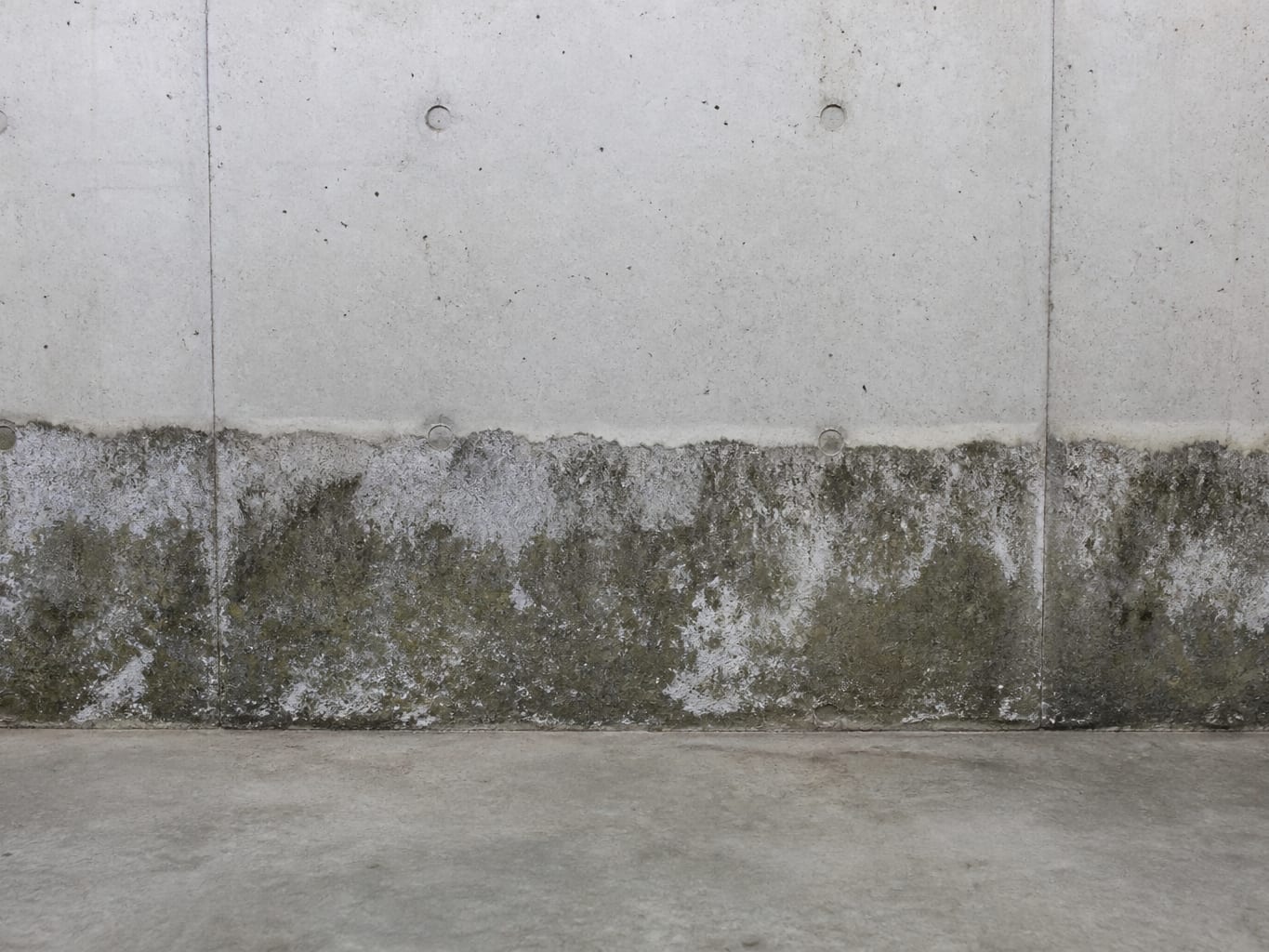
Through the grade and the foundation wall. Water entering from outside after rain, at or below ground level. The tell is timing, it follows weather, and position, it is usually low and often worst at one wall or one corner. On a poured foundation the usual entry point is the cove joint, the seam where the floor slab meets the wall, which is a construction joint rather than a defect and becomes the path of least resistance once the ground outside is saturated. Staining that starts at the wall-floor line with dry wall above it is the signature. Look at what is happening outside that spot: downspout discharge, ground that has settled back toward the house, a window well without drainage, a patio or path shedding toward the wall.
From a pipe or an appliance. A supply line, a water heater, a washing machine, a condensate line. This one does not care about weather, which is the fastest way to tell it apart. It is usually localised near the source and can be surprisingly small at the surface while having travelled along a joist bay.
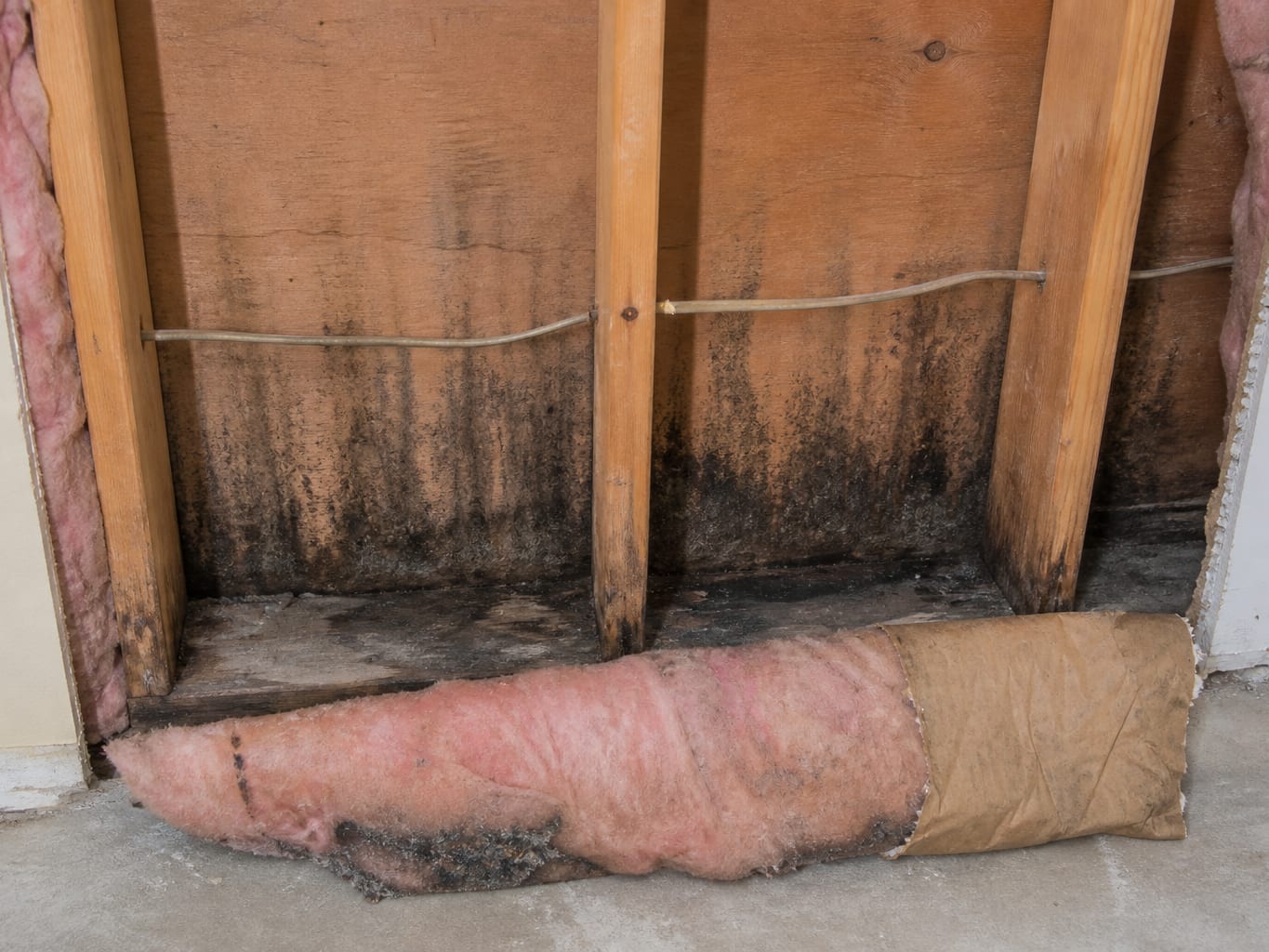
From above, arriving low. A roof, a bathroom, or an upstairs leak that ran down inside a wall cavity and only appeared in the basement. Homeowners rarely suspect this because the damage is nowhere near the source, and it is the one most often misdiagnosed as a foundation problem.
A backup. Sewer or drain, and it is a different job entirely because of what is in the water rather than how much of it there was.
Documenting the timing and the exact route is the single most useful thing you can do before anybody arrives. When did it appear, does it track with rain, and where precisely does the affected area start and stop.
Hover or tap a row to highlight it.
| Route | The tell | What it looks like |
|---|---|---|
| Through the grade and the foundation wall | It follows weather, and it is usually low and often worst at one wall or one corner | On a poured foundation, staining that starts at the cove joint with dry wall above it |
| From a pipe or an appliance | It does not care about weather | Localised near the source, and small at the surface while it may have travelled along a joist bay |
| From above, arriving low | The damage is nowhere near the source | A roof, bathroom or upstairs leak that ran down inside a wall cavity, often misdiagnosed as a foundation problem |
| A backup | Sewer or drain | A different job entirely, because of what is in the water rather than how much of it there was |
One thing not to do: assume the local brooks are responsible because the property is in West Windsor. If the water came from a pipe, an appliance, a roof or a backup, geography had nothing to do with it, and attributing it to a watercourse sends the repair in the wrong direction.
What Does the Local Flood Picture Actually Say?
Less than most people assume, and the specifics are worth having because they are more useful than an impression.
West Windsor sits on a drainage divide. Runoff from the west and south goes chiefly toward Assunpink Creek and Delaware River tributaries; the north and east drain toward the Delaware and Raritan Canal and the Millstone River through Big Bear Brook, Little Bear Brook and Duck Pond Run. The Township's 2021 Utilities Plan calls the topography relatively flat and says that alone would provide substantial opportunity for flooding without the on-site stormwater facilities that exist.
Then it gets specific, and this is the part worth reading carefully. The same plan says there were relatively few known storm-event impacts to buildings, and that the majority of those properties were in the Little Bear Brook floodplain near Alexander and Washington Roads. It also records 138 Township properties with NFIP policies in effect in 2021, attributed to Mercer County Office of Emergency Management and the NFIP. And it says the flooding in that area was not caused by a deficiency of Little Bear Brook itself, but by excessive flows and floodwater levels.
Read that as three things. There is a named corridor where building impacts have concentrated. The 138 figure is an insurance policy count, not a count of flooded homes, claims, basements or mold cases. And for anywhere else in the Township, storm-event building impacts have been few, which means a wet basement outside that corridor is more likely a grade, plumbing or above-grade problem than a flood one.
How to Read the Township's Flood Record
A named corridor
Storm-event building impacts have concentrated in the Little Bear Brook floodplain near Alexander and Washington Roads.
138 is a policy count
It counts Township properties with NFIP policies in effect in 2021, not flooded homes, claims, basements or mold cases.
Elsewhere, few impacts
Outside that corridor, a wet basement is more likely a grade, plumbing or above-grade problem than a flood one.
No published West Windsor water table depth, humidity figure, basement flood frequency or mold rate exists. If you are told your basement is damp because the local water table is high, ask what that is based on, because it is not based on anything published.
What Gets Assessed Before Anyone Opens a Wall
The assessment is doing three jobs at once: establishing the extent, establishing the route, and deciding the method.
Extent means looking past the visible face. Moisture readings across the wall and floor, behind finishes where a basement has them, into the framing where a stud bay may have carried water along it, and under any floor covering. The visible edge and the wet edge are rarely the same line.
Route is the four-way question above, settled physically rather than by guesswork: what is outside that wall, what services run there, what is directly above it, and what the timing says.
Method follows from area. EPA groups contaminated surface area at less than 10 square feet, 10 to 100 square feet, and more than 100 square feet, with escalating judgement about protection and containment as it grows. It also says a more cautious approach is warranted where there is hidden mold, likely airborne spread, HVAC involvement, or sensitive occupants. All four of those are common in a basement, which is why basements often sit a tier higher than their square footage alone would suggest.
How Long Does a Basement Job Take?
Honestly, it depends, and anybody quoting you a duration before scoping is quoting a marketing number. What it depends on is real: the source that gets discovered, the materials involved, the contamination size, how much drying is needed, whether reconstruction follows, permit review if it does, flood hazard status, access, and the documentation your insurer wants.
What can be said with a source attached is the drying window. CDC guidance is that wet homes and belongings should be dried as quickly as possible, within 24 to 48 hours if possible, after a storm or flood, and that material not fully dried in that window may have mold growing in it. That is a mitigation window rather than a completion promise, and it is the reason speed matters at the start even when the finish is weeks away.
A Basement Remediation, Start to Finish
- 1
Assess extent, route and area
Readings rather than impressions, and the four-way route question settled physically.
- 2
Set containment and protection
Sized to the affected area and to whether HVAC or sensitive occupants are involved.
- 3
Remove what cannot be cleaned
Porous material that held water goes; hard surfaces are cleaned.
- 4
Correct the moisture source
Grade, downspout, window well, pipe, or the leak above. This is the step that decides recurrence.
- 5
Dry the structure and verify
To readings that fall and hold, not to a surface that feels dry.
- 6
Document the close
What was found, what was done, what was corrected.
- 7
Rebuild, with permits where the work needs them
A separate stage with its own clock.
Do You Need a Permit, and Does the HOA Need to Know?
Two questions, and the answers differ.
Hover or tap a row to highlight it.
| Situation | What applies |
|---|---|
| Cleanup itself | A construction permit is required before work unless it is ordinary maintenance or otherwise exempt, with emergency exceptions where the Code Enforcement Office is notified. Remediation cleanup generally sits outside that. |
| The rebuild | Building and land use permits for reconstruction, restoration or structural alteration, with ordinary repairs excepted. Review targets are 20 business days for a complete initial submission, seven for resubmissions, and 10 for a complete certificate of occupancy application. |
| Flood hazard areas | Floodplain provisions run alongside the State Uniform Construction Code. Work that qualifies as a substantial improvement can trigger different requirements, and that determination belongs with the Township's construction and floodplain officials. |
| The association | The Township's zoning permit form asks whether HOA approval applies. Check the governing documents before scheduling. |
Cleanup itself. West Windsor requires a construction permit before work begins unless the work is ordinary maintenance or otherwise exempt under N.J.A.C. 5:23-2.14, with defined exceptions for emergency work where the Code Enforcement Office is notified as required. Remediation cleanup generally sits outside that; rebuilding does not.
The rebuild. The Township's zoning code requires building and land use permits for erection, reconstruction, restoration, structural alteration or use, with ordinary repairs excepted. Its published review targets are 20 business days for a complete initial submission, seven business days for resubmissions, and 10 business days for a complete certificate of occupancy application. Those are processing targets, not remediation timelines, but they belong in your planning if you are putting a finished basement back.
Flood hazard areas add a layer. The Township's floodplain provisions run alongside the State Uniform Construction Code and the Flood Hazard Area Control Act, and work that qualifies as a substantial improvement can trigger different requirements. That determination belongs with the Township's construction and floodplain officials rather than with any contractor, and it is worth asking early if your address is in a mapped area, because it can change what a finished basement is allowed to look like.
The association. The Township's own zoning permit form asks whether HOA approval applies. If you are in a townhouse or condominium and the work touches shared or exterior elements, which grade and drainage corrections frequently do, check the governing documents before scheduling rather than after.
What Changes the Cost?
No published West Windsor price range for basement mold remediation exists, and one assembled from regional listings or a neighbouring town would be a guess dressed up. The variables that genuinely move it:
- The contaminated area, which sets the containment tier.
- What has to come out, particularly finished walls, insulation and flooring.
- Whether HVAC is involved, which widens both the assessment and the containment.
- The moisture correction itself, which can range from a downspout extension to exterior drainage work.
- How much drying, and how long.
- Whether a finished basement is being rebuilt, which is a separate permitted stage.
The useful thing to ask for is a scope that names the moisture correction explicitly. A quote that is silent on it is a quote for cleaning.
What Changes the Cost
The contaminated area
It sets the containment tier.
What has to come out
Particularly finished walls, insulation and flooring.
HVAC involvement
It widens both the assessment and the containment.
The moisture correction
It can range from a downspout extension to exterior drainage work.
Drying
How much drying is needed, and for how long.
A finished-basement rebuild
A separate permitted stage.
Frequently Asked Questions About basement mold remediation West Windsor NJ
Will it come back after it is cleaned?
If the water route is not found and closed, yes, and usually on the same schedule that produced it. That is why identifying the moisture source and fixing the moisture problem are steps three and seven of the federal checklist rather than optional extras. Ask any contractor which of the four routes they believe it is and what evidence points there.
Is my basement damp because West Windsor has a high water table?
No published West Windsor water table depth, humidity figure or basement flood frequency exists, so that explanation is not based on anything you can check. The Township's own record says storm-event building impacts have been relatively few and concentrated in the Little Bear Brook floodplain near Alexander and Washington Roads. Outside that corridor, grade, plumbing and above-grade leaks are the more likely explanations.
Can I clean it myself?
For a small area on a hard surface, sometimes. EPA's grouping puts contaminated surface area under 10 square feet at the lower tier, with escalating protection and containment as it grows past that, and it advises more caution where mold is hidden, where spread is likely, where HVAC is involved, or where occupants are sensitive. Basements often tick several of those, which is why the square footage alone can understate the job.
How fast do I need to act?
For anything wet, quickly. CDC's guidance is to dry within 24 to 48 hours where possible after a storm or flood, and says material not dried in that window may have mold growing. For established growth on a dry wall the urgency is lower, but the water route is still doing whatever it has been doing.
Do I need a permit?
Generally not for the cleanup. Rebuilding a finished basement is construction and does need one unless it is ordinary repair, and if your property is in a flood hazard area, work that counts as a substantial improvement can change the requirements. Ask the Township early rather than at the point of ordering materials.
My townhouse basement is affected. Who handles it?
Start by reporting it, then check the governing documents, because grade and drainage corrections often touch shared or exterior elements and the Township's zoning permit form specifically asks whether HOA approval applies. The remediation inside your unit and the correction outside it can end up being two different people's responsibility, which is a reason to establish the route early.
Test Your Basement Mold Knowledge
1. Which step of the EPA checklist is identifying the moisture source?
2. How does EPA group contaminated surface area?
3. What is the cove joint?
4. What does the 138 figure in the Township's 2021 Utilities Plan count?
5. How quickly does CDC say wet homes should be dried, where possible?
Pick an answer to begin.
Basement Mold Terms
Tap a term to see what it means.
Cove joint. The seam where the floor slab meets a poured foundation wall. It is a construction joint rather than a defect, and it becomes the path of least resistance once the ground outside is saturated.
Final Thoughts
Visible basement mold is the easy part of this problem. The part that decides whether you pay once or repeatedly is the route the water is taking, and it is a physical question with four likely answers and real evidence pointing at each. A proper remediation establishes it, corrects it, and verifies the drying, in that order, with the cleaning sitting in the middle rather than standing in for the whole job.
In West Windsor the honest local picture helps rather than hinders. Storm-event building impacts have been few and concentrated in a named corridor, which means most wet basements here have a cause you can find and fix at the property.
If your basement smells musty or a wall has changed colour, we will establish where the water is getting in before we quote you for cleaning anything. ExecPro Restoration & Cleaning has worked on basements across Mercer County since 2015, from Princeton Junction NJ through West Windsor NJ, Princeton NJ, Plainsboro NJ, Hightstown NJ and Robbinsville NJ. Call ExecPro Restoration & Cleaning at (888) 300-3772 or get in touch. We handle the assessment, the containment and removal, the moisture correction and the build-back, so the finding and the fix do not need two contractors.
Serving West Windsor
ExecPro Restoration & Cleaning provides mold remediation services in West Windsor, NJ, from inspection and testing through removal, drying, and post-remediation verification. Call (888) 300-3772 for 24/7 emergency response.
Related Articles
Basement Mold Remediation in Bridgewater, NJ: Seepage, Sumps and a Musty Lower Level
A musty lower level after rain often means water is still getting in. How to read seepage, a struggling sump or a leak, and what removal in a basement involves.
Basement Mold Remediation in Robbinsville, NJ: Fieldstone, Poured Concrete and Rain That Soaks In
Whether the wall is fieldstone or poured concrete, basement mold remediation in Robbinsville starts with where rain gets in. Learn what shapes the scope.
Basement Mold Remediation in Trenton, NJ: Old Masonry Cellars and Summer Rain
Finding growth on a masonry cellar wall starts with the water path. How old Trenton cellars are cleaned and dried, and what to fix so it does not return.