
Why Princeton NJ Basements Flood and How to Stop It
Cal HewittPublished
- basement flooding
- water damage
- waterproofing
- new jersey
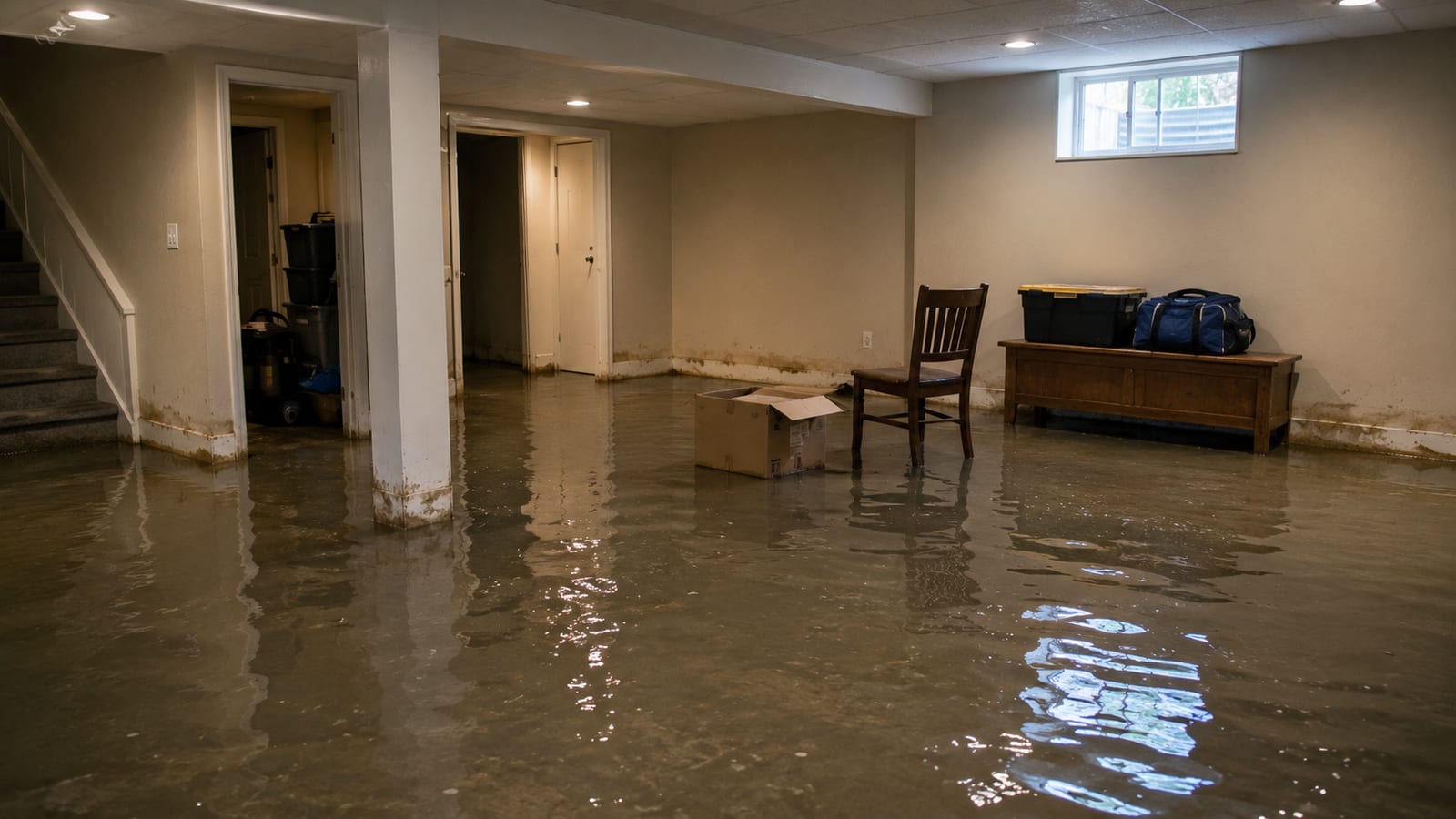
Basement flooding in Princeton NJ has a way of making you question everything you thought you knew about your home. Maybe you mopped up after the last storm and told yourself it was a one-time thing. But the musty smell never fully disappeared, and now you're wondering what's happening behind the drywall, whether there's mold spreading somewhere you can't see, and whether your foundation is quietly taking on more damage with every rain event. That's a reasonable place to be, and it's more common than most Princeton homeowners realize.
The region has a specific combination of clay-heavy soil, aging foundations, and a storm sewer system that can get overwhelmed fast when rain comes hard and fast. What looks like a minor flooding problem on the surface can often signal something bigger happening beneath the floor. Once you understand what's actually causing water to enter your basement, the path forward becomes a lot clearer.
Key Takeaways
Princeton's storm system has real limits
Six inches of rain in two to three hours flooded more than 20 basements during a single 2016 storm event
Clay soil is a primary driver
It expands when wet, drains slowly, and builds pressure directly against foundation walls
Groundwater levels rise seasonally
Water tables throughout Mercer County can rise above basement floor level after repeated storms
Sump pumps actively relieve hydrostatic pressure
They are among the most effective tools for Princeton homes dealing with groundwater intrusion
Older foundations absorb water more readily
Many Princeton homes sit on stone or block foundations that predate modern waterproofing methods
DIY steps help but have limits
Gutter maintenance, downspout extensions, and grading corrections reduce risk without replacing professional waterproofing
Waiting costs more than acting
A partial fix now often becomes a mold problem or foundation issue later
Why Basement Flooding Matters in Princeton, NJ
Water in your basement is never just inconvenient. It threatens the structural integrity of your home, creates conditions for mold growth within 24 to 48 hours, and can quietly reduce property value before you ever realize there's a documented problem. Princeton sits in a part of central New Jersey where the soil profile is dominated by clay, the water table responds quickly to storm activity, and the storm sewer infrastructure was built for a different era. When a major rain event hits, the ground can't absorb water fast enough, the sewers back up, and that pressure goes somewhere. For many homes, it goes into the basement.
The consequences aren't always dramatic at first. Sometimes it's just a damp smell, a wet corner, or a white residue on the wall that homeowners assume will dry out on its own.
Older Stone and Block Foundations
Princeton's older Colonial and Victorian-era homes carry a lot of architectural history, but those same homes often sit on foundations built from stone or block that are far more porous than poured concrete. Over decades, mortar joints between blocks break down, small cracks widen, and the foundation becomes less of a barrier and more of a sponge. When the surrounding clay soil is saturated, water has a direct path in. This is one reason recurring seepage in Mercer County so often appears in homes that have never had a major issue before.
Warning Signs of Basement Flooding Problems
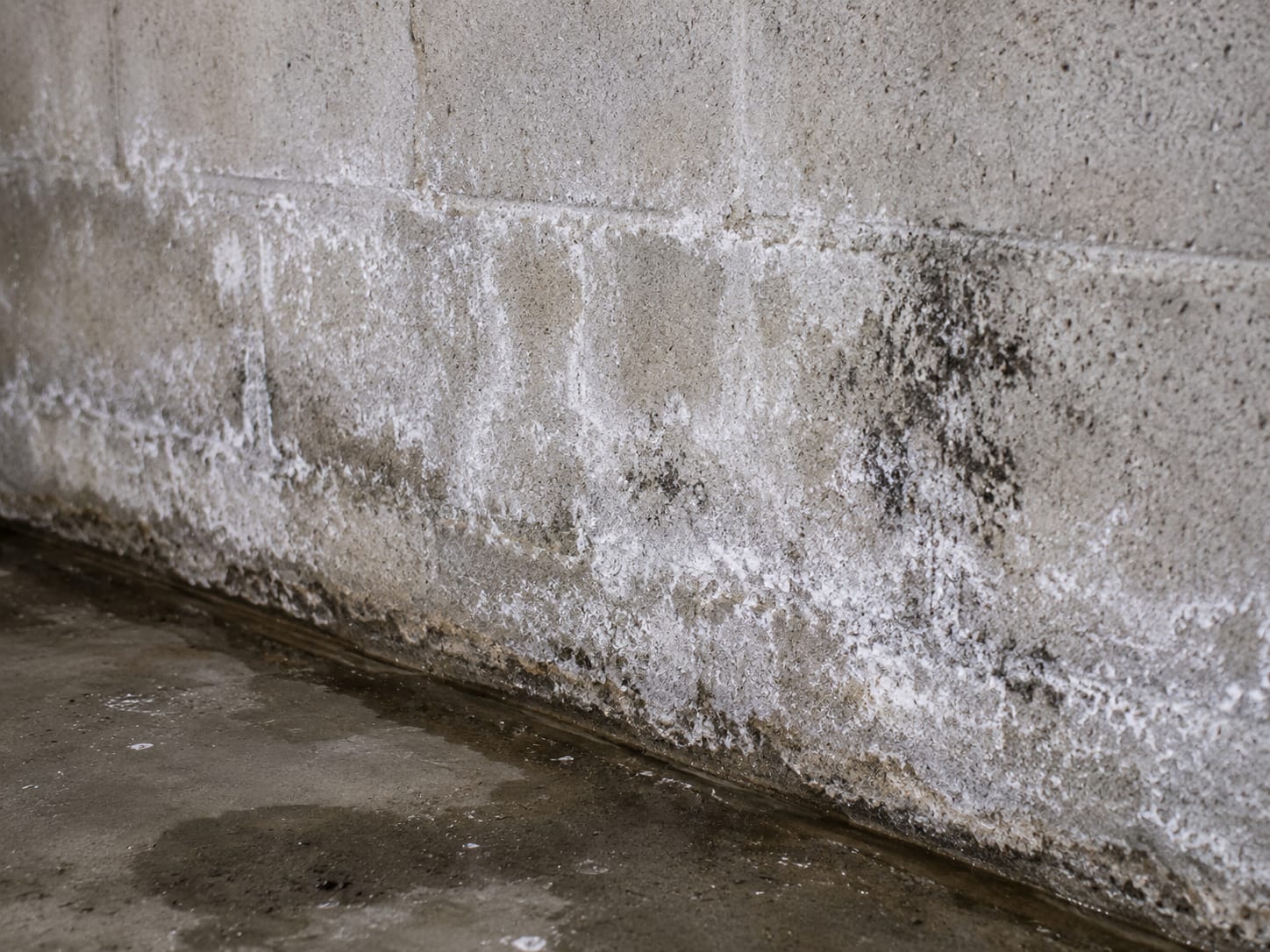
Catching a water problem early can mean the difference between a few hundred dollars and a full remediation project. The signs are often subtle at first, which is exactly how moisture damage compounds over time.
Four Warning Signs to Watch For
Musty odors and visible mold
A persistent musty smell means moisture is accumulating somewhere, and mold can begin to colonize within 24 to 48 hours, often behind drywall, under flooring, or in insulation.
Efflorescence on foundation walls
White, chalky powder that confirms water is passing through the walls regularly and is likely to worsen without intervention.
Water pooling after storms
Recurring pools point to a consistent pathway for water through floor cracks, wall joints, or around utility penetrations.
Sump pump running constantly
Running during dry periods, or continuously during rain, can mean groundwater is high and the system is close to being overwhelmed.
Sign A: Musty Odors and Visible Mold
A persistent musty smell is one of the earliest warning signs that moisture is accumulating somewhere, even if you can't see standing water. Mold can begin to colonize within 24 to 48 hours of a moisture event, often starting behind drywall, under flooring, or in insulation where air circulation is limited. By the time you can see mold with the naked eye, it has usually been growing for a while.
Sign B: Efflorescence on Foundation Walls
Efflorescence is the white, chalky powder that appears on basement walls or along the base of the foundation. It forms when water moves through concrete or block, dissolves the minerals inside, and deposits them on the surface as it evaporates. Efflorescence is essentially a receipt confirming that water has been passing through your walls regularly. It doesn't mean the foundation is failing, but it does mean water entry is actively occurring and likely to worsen without intervention.
Sign C: Water Pooling After Storms
If water pools in your basement after every significant rainstorm, there's a consistent pathway for water to enter, whether through floor cracks, wall joints, or around utility penetrations. Recurring water pooling is one of the clearest indicators that the problem won't resolve on its own, regardless of how well you dry things out afterward.
Sign D: Sump Pump Running Constantly
A sump pump that runs during dry periods, or continuously during rain events, may mean the groundwater level around your foundation is higher than normal. Unusually high pump frequency can indicate the system is close to being overwhelmed, and that a backup or secondary system may be needed before the next major storm.
Key Causes of Basement Flooding in Princeton
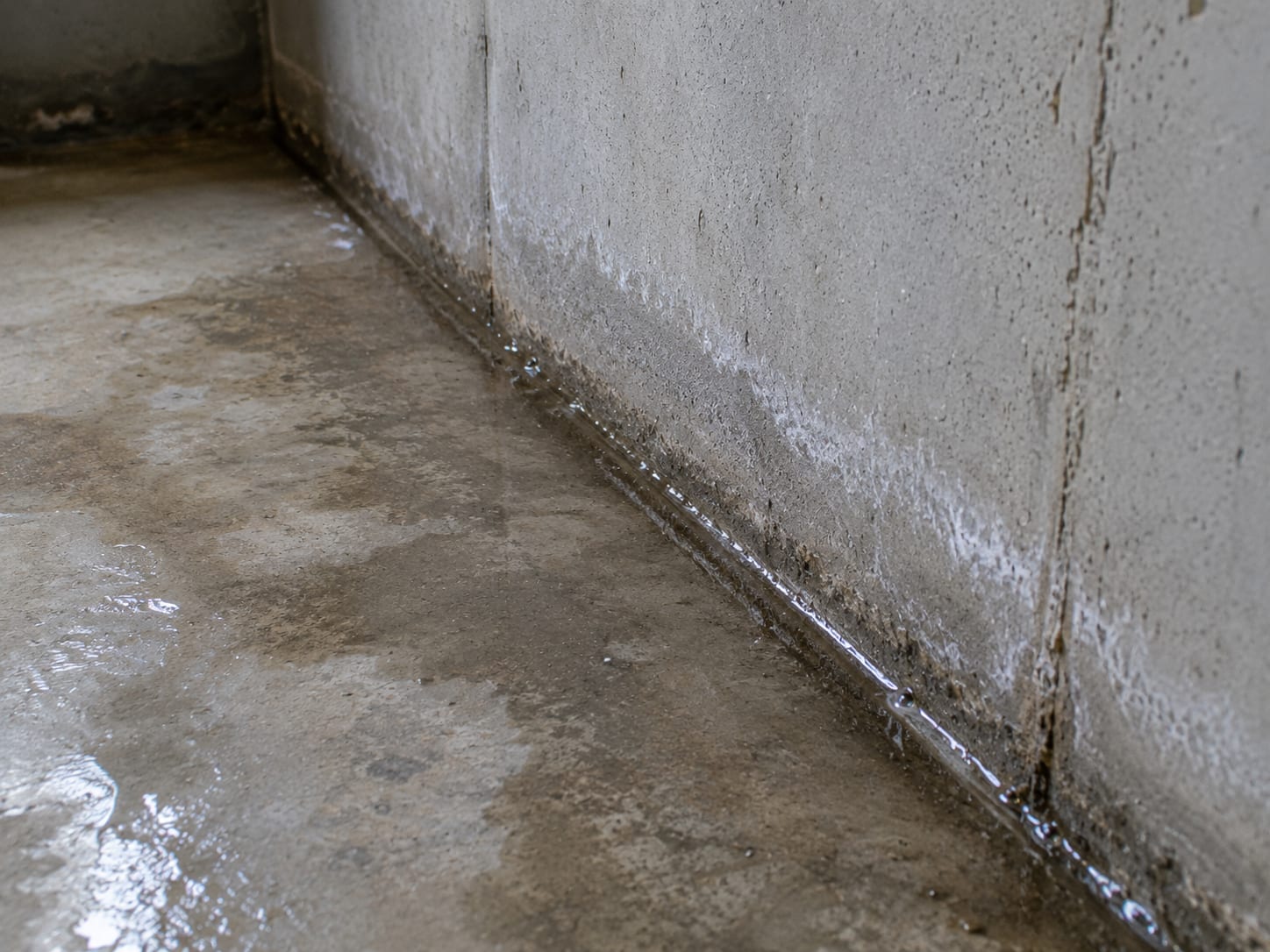
Understanding what's driving water into your basement is the first step toward fixing it for good. In Princeton, the causes follow a recognizable pattern tied directly to local geography and housing stock.
Hover or tap a row to highlight it.
| Cause | What drives it | How it is addressed |
|---|---|---|
| Clay soil and hydrostatic pressure | Clay expands when wet and presses on foundation walls, forcing water through cracks and joints | Interior French drain systems and sump pump installation relieve the pressure |
| Heavy rain and storm runoff | Overwhelmed storm sewers; nearly six inches of rain in two to three hours flooded more than 20 basements in 2016 | Extend downspouts at least ten feet and slope the yard away from the home |
| High groundwater levels | The water table rises above the basement floor and pushes up through floor cracks and joints | A high-capacity sump pump with battery backup |
| Poor exterior drainage | Clogged gutters, short downspouts, and yard grading that slopes toward the house | Clean gutters, extend downspouts, and regrade low spots away from the structure |
Factor A: Clay Soil and Hydrostatic Pressure
The clay soil throughout central New Jersey expands when it gets wet, pushing against your foundation walls with increasing force. That force, called hydrostatic pressure, is strong enough to push water through hairline cracks, floor-to-wall joints, and weak points in older masonry. Clay soil's slow drainage rate means the pressure doesn't let up quickly after a storm; the soil stays saturated and keeps pressing against the foundation long after the rain stops. For homes with aging stone or block foundations, this is particularly problematic because those materials were never designed to resist sustained pressure of this kind. Interior French drain systems and sump pump installation work together to relieve that pressure before it pushes water through the walls.
Factor B: Heavy Rain and Storm Runoff
Princeton's storm sewer infrastructure was not designed for the kind of rainfall events the region has been seeing. In August 2016, nearly six inches of rain fell within two to three hours, flooding more than 20 basements because the system couldn't move that volume of water fast enough. When storm sewers back up, surface water heads toward the lowest point available, which is often the space around and beneath your foundation. Extending downspouts at least ten feet from the foundation and sloping the yard away from the home can meaningfully reduce the volume of water that reaches your basement during these events.
Factor C: High Groundwater Levels
Mercer County's water table rises noticeably after periods of frequent rainfall. When groundwater climbs above the basement floor, it can push upward through floor cracks and joints without any surface water involved at all. Groundwater flooding of this type tends to peak in late winter and early spring when snowmelt combines with spring rain. A high-capacity sump pump with battery backup is the standard solution, because power outages during storms are common in New Jersey and a pump that goes offline at the wrong moment can let serious flooding occur within hours.
Factor D: Poor Exterior Drainage
Clogged gutters, downspouts that discharge right against the foundation, and yard grading that slopes toward the house are all common contributors to surface water leaking into basements. Gutters should be cleaned regularly, downspouts should discharge at least ten feet from the foundation, and any low spots near the house should be filled and regraded so water moves away from the structure. These steps won't fix an underlying hydrostatic pressure problem, but they significantly reduce the volume of water reaching the foundation in the first place.
Safety and Insurance: What to Know Before You Start
Before doing anything else after your basement floods, safety comes first. Water and electricity in the same space create a genuinely dangerous situation, and the risk isn't always obvious from the top of the stairs.
Electrical Safety
Turn off the circuit breakers that control your basement before entering. If the breaker panel is in the basement and you can't reach it safely, call an electrician before going down. This applies even when the flooding seems shallow.
Insurance Documentation
Document the damage thoroughly before removing anything. Take photos and video of standing water, affected walls, flooring, and damaged possessions. File a homeowners insurance claim as soon as possible and keep every receipt related to cleanup, drying equipment, and temporary repairs. Note that standard homeowners policies typically don't cover flooding from outside sources without a separate flood insurance policy, so it's worth reviewing your coverage before an event occurs.
Immediate Steps After Basement Flooding
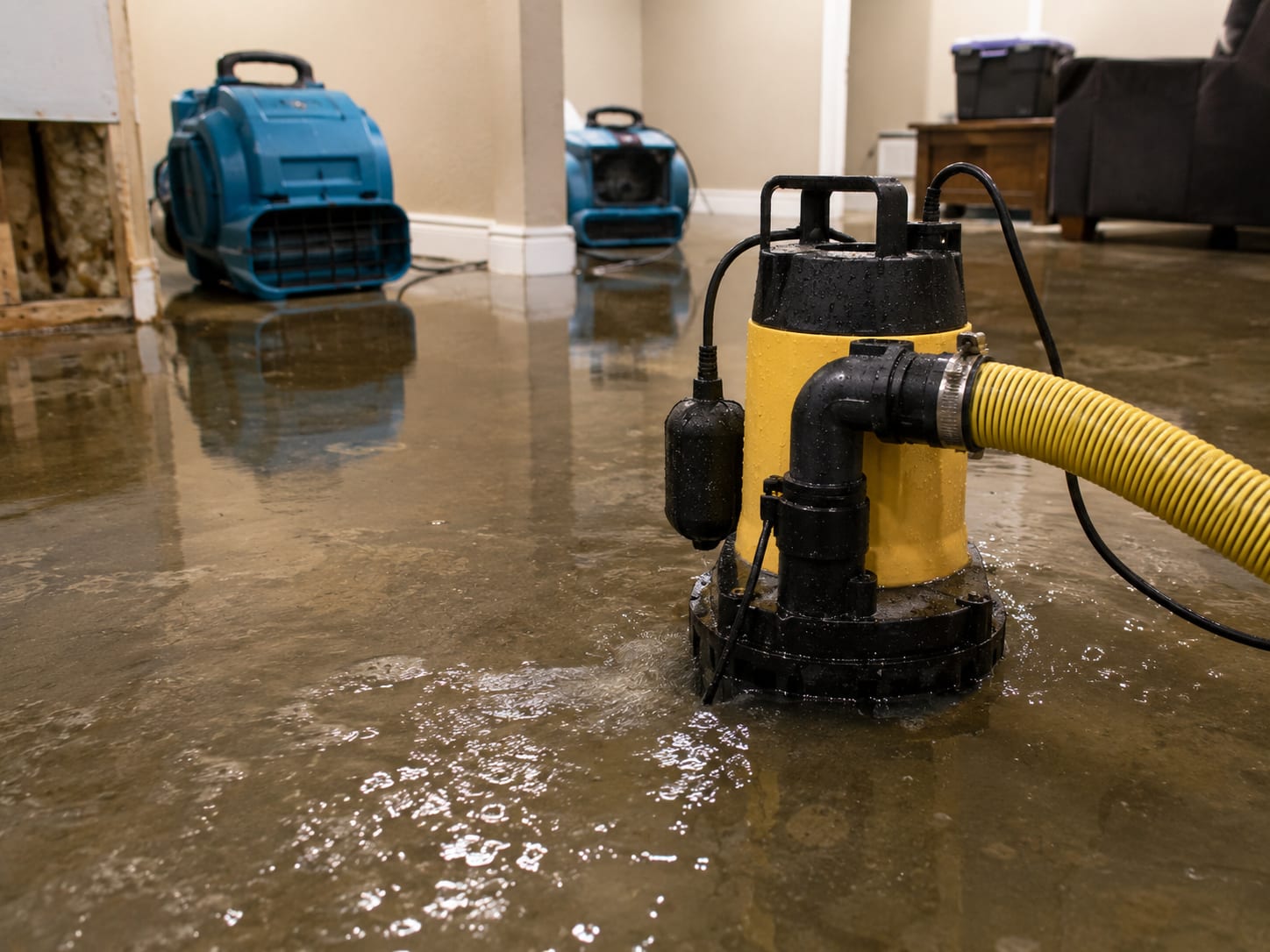
Once the area is safe to enter, the goal is to remove water and start drying as quickly as possible. The 24 to 48 hour window before mold can establish itself is your critical timeframe.
What to Do After Basement Flooding
- 1
Secure the area
With power confirmed off, move valuables, electronics, and important documents to a dry area.
- 2
Remove standing water
Use a submersible pump for significant flooding or a wet/dry vacuum for smaller amounts, because the longer water sits, the more it saturates flooring, framing, and insulation.
- 3
Dry the area completely
Run fans, dehumidifiers, and industrial blowers to pull moisture from the air; structural drying can take several days depending on the volume of water and how porous the materials are.
- 4
Clean and watch for mold
Wash walls and hard surfaces with soap and warm water, apply a mold inhibitor, and check daily for the first week or two.
Step 1: Secure the area. With power confirmed off, move valuables, electronics, and important documents to a dry area.
Step 2: Remove standing water. Use a submersible pump for significant flooding or a wet/dry vacuum for smaller amounts. Remove water as quickly as possible because the longer it sits, the more it saturates flooring, wall framing, and insulation.
Step 3: Dry the area completely. Run fans, dehumidifiers, and industrial blowers to pull moisture from the air and accelerate surface drying. Structural drying can take several days depending on the volume of water and how porous the surrounding materials are.
Step 4: Clean and watch for mold. Wash walls and hard surfaces with soap and warm water, then apply a mold inhibitor. Check daily for the first week or two in corners, behind stored items, and along the base of walls. If mold appears or may be growing behind drywall or insulation, call a professional.
Prevention and Long-Term Strategy
Mopping up and drying out is triage, not a waterproofing plan. If your basement has flooded once, or shows any of the warning signs above, the question isn't whether to address it but how thoroughly.
Professional Solutions
For Princeton homes dealing with hydrostatic pressure, high water tables, or recurring seepage, professional waterproofing is what actually stops the cycle. The right approach depends on the specific cause and the condition of the foundation.
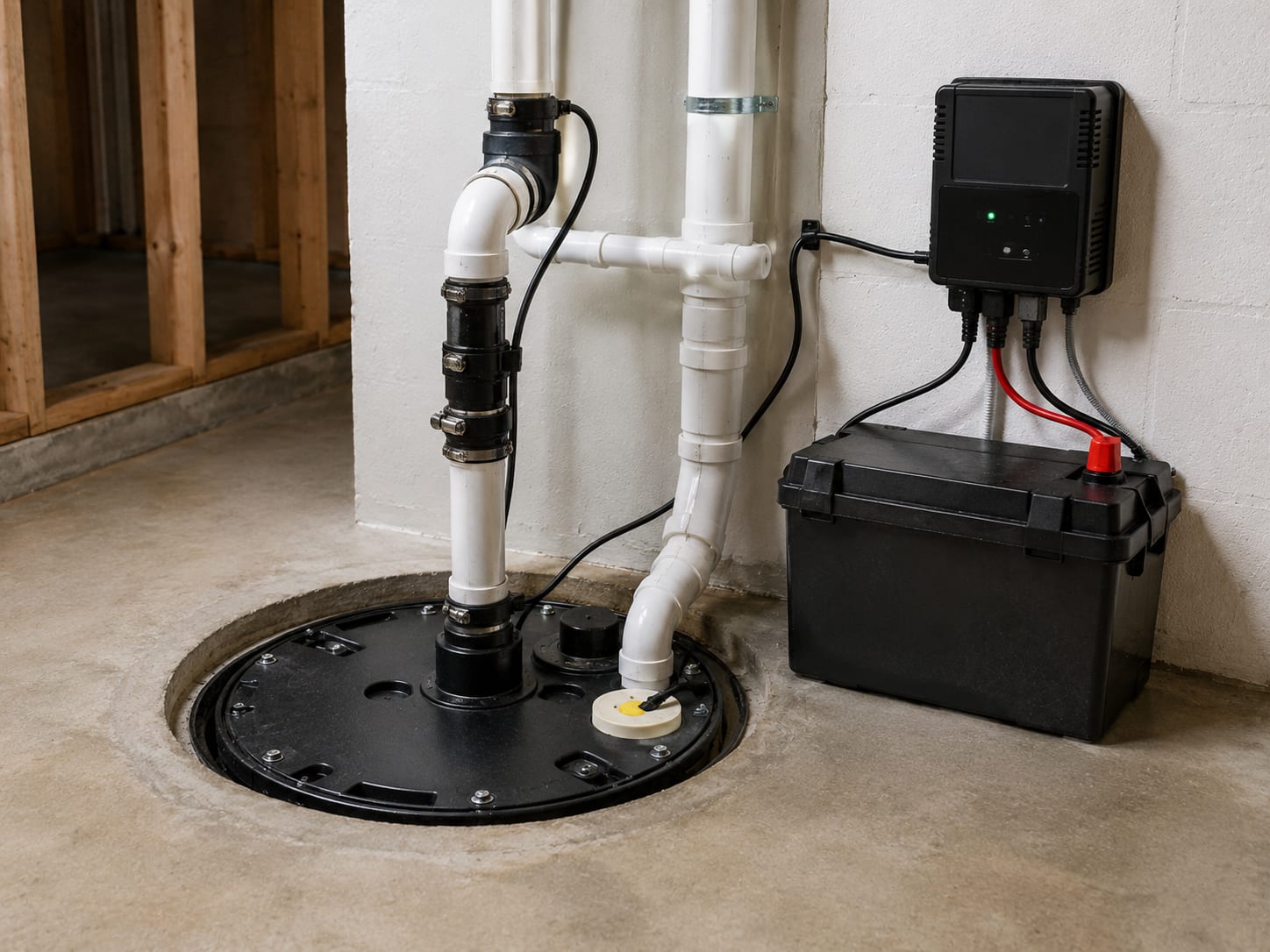
- Sump pump installation with battery backup: A properly installed sump pump collects groundwater in a pit and pumps it away before it reaches the basement floor. Battery backup is essential in New Jersey, where power outages during the worst storms are common.
- Interior French drain systems: A perimeter drain tile system installed along the base of the basement walls captures water as it enters and channels it to the sump pump automatically, without requiring exterior excavation.
- Foundation crack repair: Professional repair uses hydraulic cement, epoxy injection, or polyurethane sealant depending on the type and severity of the crack. Sealing entry points is a necessary part of any complete waterproofing solution.
- Exterior waterproofing: Excavating around the foundation, applying a waterproof membrane, and installing exterior drainage is the most thorough approach. It typically makes sense when exterior conditions are a primary contributor.
DIY Prevention
These steps reduce the load on any other system you have in place, and they're worth doing regardless of whether professional work is also needed.
- Maintain gutters and downspouts monthly: Clogged gutters overflow and dump water directly against the foundation. Consider gutter guards if leaf buildup is a recurring issue.
- Extend downspouts at least ten feet from the foundation: A short downspout that deposits water a foot from the house is nearly as problematic as no downspout at all.
- Fix landscape grading: The yard should slope away from the home at a minimum of one inch per foot for the first six feet. Fill depressions near the foundation with compacted dirt so water doesn't collect against the house.
- Keep trees 20 to 30 feet from the foundation: Tree roots can work their way into drainage systems and foundation walls, creating pathways for water and blocking drainage. Roots within that range can cause damage that goes unnoticed for years.
- Install water alarms: Placed in basement corners where water tends to collect first, these give you early warning before small seepage becomes a major flood.
- Apply silicate-based sealers to basement walls: These penetrate concrete and block to reduce porosity. They slow moisture transmission but don't address hydrostatic pressure on their own.
Common Pitfalls Princeton Homeowners Make
Waiting until after a major flood to call a professional is probably the most common and most costly mistake. By that point, mold may already be established, flooring may need full replacement, and what would have been a straightforward sump pump installation has become a restoration project. Acting after the first warning sign is almost always the better financial decision.
Relying on sealers alone is another common miscalculation. Silicate sealers reduce moisture transmission, but they don't relieve hydrostatic pressure. If saturated clay soil is building pressure against your foundation, a sealer will slow the process but won't fix the underlying problem.
Not extending downspouts far enough, ignoring grading issues that direct water toward the home, and keeping large trees too close to the foundation are all problems that seem minor on their own but compound each other quickly.
Frequently Asked Questions About Basement Flooding Princeton NJ
What causes basement flooding in Princeton, NJ?
The most common causes are heavy rain events that overwhelm the storm sewer system, clay soil that expands and creates hydrostatic pressure against the foundation, seasonal rises in groundwater throughout Mercer County, aging stone or block foundations that absorb water more readily than modern concrete, and poor exterior drainage from clogged gutters, short downspouts, or improper grading. Most flooded basements in Princeton involve more than one of these factors at the same time.
How much does basement waterproofing cost in Princeton?
Costs vary depending on the scope of the problem and the solution required. Sump pump installation with battery backup typically runs between $1,500 and $4,500. Interior French drain systems generally range from $3,000 to $8,000. Exterior waterproofing, which involves excavation and membrane application, can range from $8,000 to $20,000 or more. A professional assessment of your specific situation will give you a more accurate number than any general estimate.
Hover or tap a row to highlight it.
| Solution | Typical cost range |
|---|---|
| Sump pump installation with battery backup | $1,500 to $4,500 |
| Interior French drain system | $3,000 to $8,000 |
| Exterior waterproofing (excavation and membrane) | $8,000 to $20,000 or more |
When should I call a professional for basement flooding?
Call when you notice water pooling after storms more than once, when you have a musty smell that won't go away, when you see efflorescence on foundation walls, or when your sump pump seems to be running constantly. Don't wait for the second flood to take action. By the time flooding is recurring, mold and structural concerns are often already in play.
How does a sump pump prevent basement flooding?
A sump pump sits in a pit excavated at the lowest point of the basement floor. As groundwater rises around the foundation, it flows into the pit rather than across the floor. The pump then expels that water away from the foundation through a discharge line before it can spread through the basement. A battery backup system keeps the pump running during the power outages that frequently accompany New Jersey's worst storms.
Can I prevent basement flooding with DIY methods?
DIY steps can meaningfully reduce your risk. Cleaning gutters, extending downspouts, regrading the yard, applying sealers, and installing water alarms all help manage surface water. But DIY methods alone don't address hydrostatic pressure from saturated clay soil or rising water tables. Homes with recurring water intrusion need professional waterproofing solutions.
What should I do immediately after my basement floods?
Turn off the circuit breakers before entering. Move valuables out of the water. Remove standing water using a pump or wet/dry vacuum as quickly as possible. Run fans and dehumidifiers to dry the area thoroughly. Clean walls with soap and water, apply mold inhibitor, and check for mold growth daily for at least the first week. Document all damage with photos and contact your homeowners insurance provider to start the claims process.
Test Your Basement Flooding Knowledge
1. How much rain fell in Princeton within two to three hours during the August 2016 storm?
2. How quickly can mold begin to colonize after a moisture event?
3. What type of soil throughout central New Jersey builds hydrostatic pressure against foundations?
4. How far from the foundation should downspouts discharge?
5. What makes a sump pump reliable during New Jersey's worst storms?
Pick an answer to begin.
Final Thoughts
Basement flooding in Princeton NJ is not a problem that tends to resolve on its own. The clay soil, the seasonal water table, the aging foundations, and the storm sewer capacity all point in the same direction: if water found a way into your basement once, it will likely find it again without a real fix in place. The homeowners who come out ahead recognize the warning signs early, understand what's actually causing the problem, and act before mold gets established or foundation damage compounds.
The long-term value of addressing this properly is significant. A dry, protected basement supports the structural health of the home, keeps indoor air quality clean, and protects your investment when it comes time to sell. Buyers and their inspectors notice efflorescence, mold staining, and musty odors, and those findings affect offers and negotiations in ways that are almost always more expensive than the waterproofing would have been.
When you're ready to stop guessing and get a clear picture of what's happening in your basement, our team at ExecPro Restoration & Cleaning is here to help. We serve homeowners throughout New Jersey, handling everything from emergency water extraction and structural drying to mold inspection, testing, removal, and full basement remediation. We use thermal imaging and moisture mapping to find problems that aren't visible to the eye, and we document everything so you have verified proof for insurance adjusters or future buyers. Contact us directly and we'll assess what's happening, explain what it means, and give you a clear path forward.
Basement Flooding Terms
Tap a term to see what it means.
Efflorescence. The white, chalky powder that forms on basement walls when water moves through concrete or block, dissolves the minerals inside, and deposits them on the surface as it evaporates.
Serving Princeton
ExecPro Restoration & Cleaning provides mold remediation services in Princeton, NJ, from inspection and testing through removal, drying, and post-remediation verification. Call (888) 300-3772 for 24/7 emergency response.
Related Articles
A Water Main Break Flooded Your Basement in New Jersey: What to Do First
A water main break put water in your New Jersey basement? What is safe, how to report it to the utility, what to photograph, and how fast to dry.
Flood Damage Cleanup in Bridgewater, NJ: When the Brook or River Comes Inside
When water comes in from outside, it is treated as contaminated. What to throw out, what to keep clear of, and what the township wants before you rebuild.
Flood Damage Cleanup in Robbinsville, NJ: What to Discard, Dry and Document After Creek Water
Soaked carpet, swollen drywall and wet insulation from creek water usually come out. See what flood damage cleanup in Robbinsville, NJ discards and dries.