Attic Mold Remediation in Robbinsville, NJ: Bath Fans, Dryer Ducts and 1980s to 2000s Roofs
Cal HewittPublished
- attic mold remediation
- attic mold
- ventilation
- robbinsville nj
- new jersey
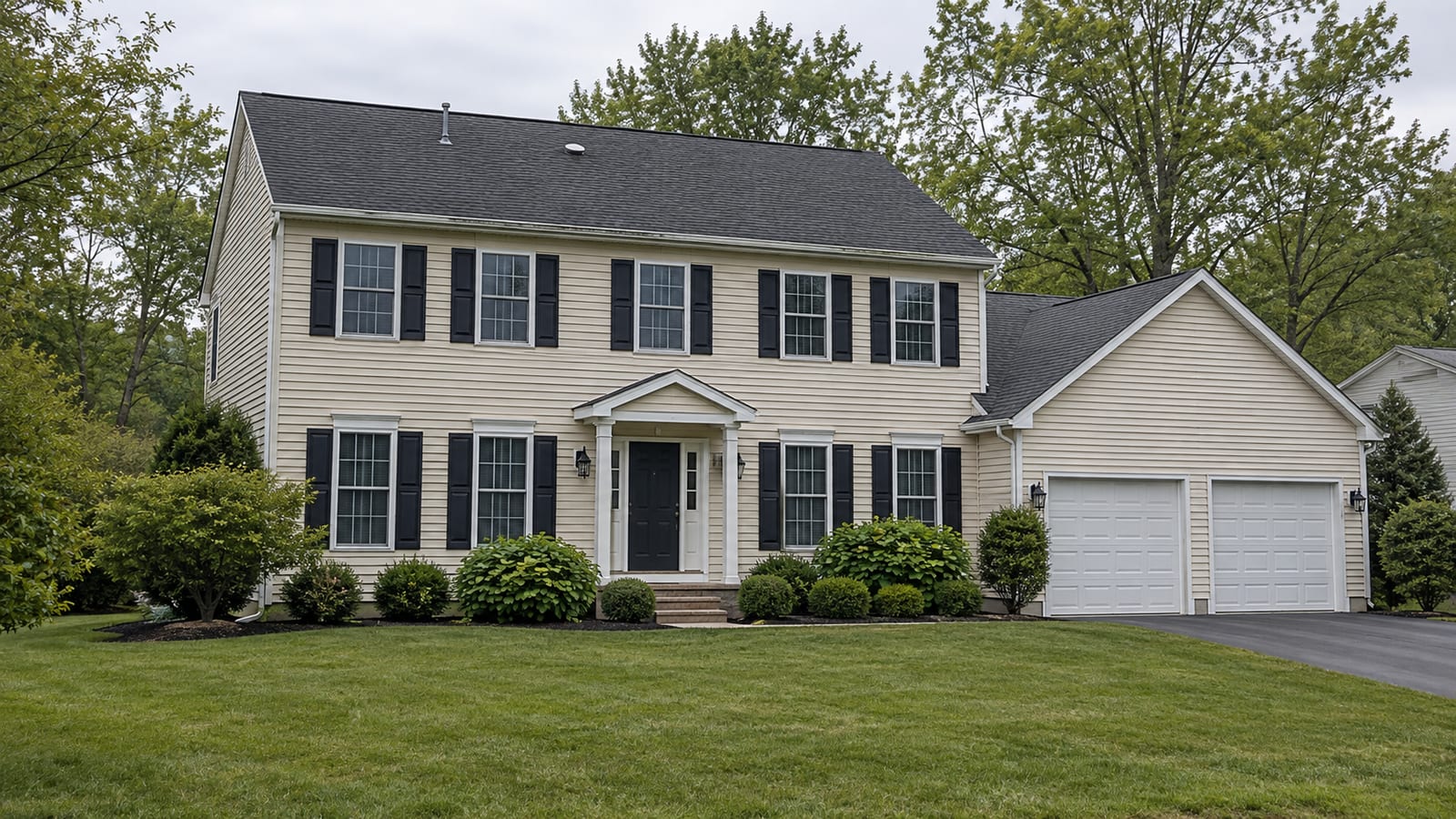
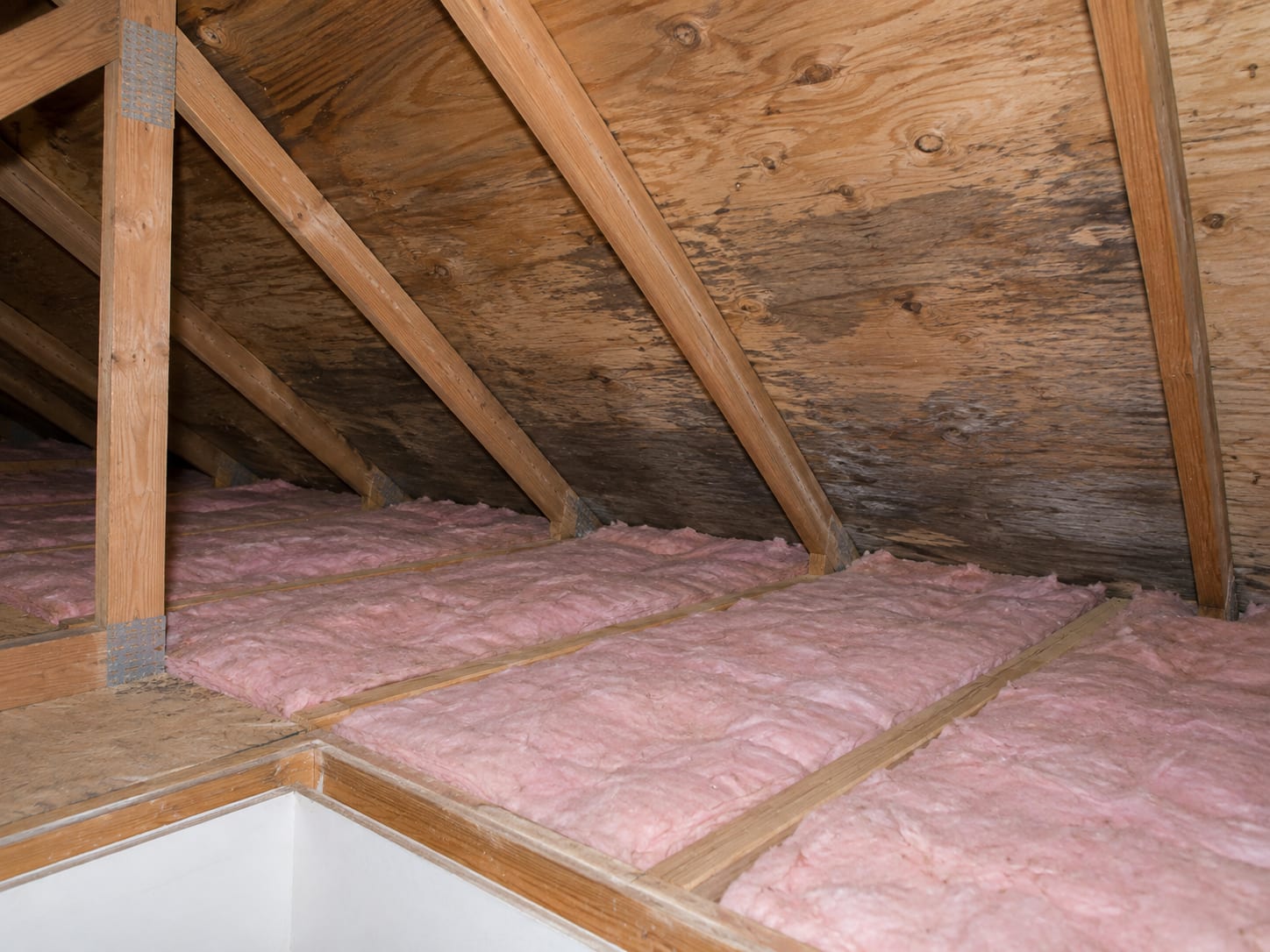
You climbed into the attic, or a buyer's inspector told you to, and the roof boards are dark, a rafter is stained or the insulation feels damp. Now you need to know whether the roof is leaking, whether warm air from the house is condensing on the cold roof deck, or whether a bath fan or dryer duct is blowing wet air under the roof. Each cause has a different repair and a different trade to call, so attic mold remediation in Robbinsville, NJ starts with tracing the water, not with scrubbing the boards. Most homes in the township went up between the 1980s and the 2000s, and attics from that era share a short list of places worth checking first. The sections below walk through those places, what to keep out of the attic until a crew arrives, what a written scope should list and who to call at the township before work begins.
Key Takeaways
Start with the exhaust
A bath fan or dryer duct that ends under the roof deck puts wet air exactly where mold grows, so trace every duct to its end before anything else.
Three causes, three repairs
A roof leak, warm indoor air condensing on cold sheathing and exhaust ending in the attic each need a different fix, and cleaning alone corrects none of them.
Leave the growth alone until the crew comes
Do not sweep or vacuum insulation or run a household fan across visible growth, and keep children, pets and anyone with asthma out of the attic.
Ask for a written scope
It should name the moisture source and list water work, mold cleaning or removal, insulation, roof or exhaust repair, rebuilding and permit costs as separate lines.
Call the construction office before roof or ceiling work
The Robbinsville construction office takes permit questions at (609) 259-3600, extension 1114, and townhouse and condominium owners need association approval before roof or exterior work.
Where Do the Bath Fan and Dryer Duct Actually End?
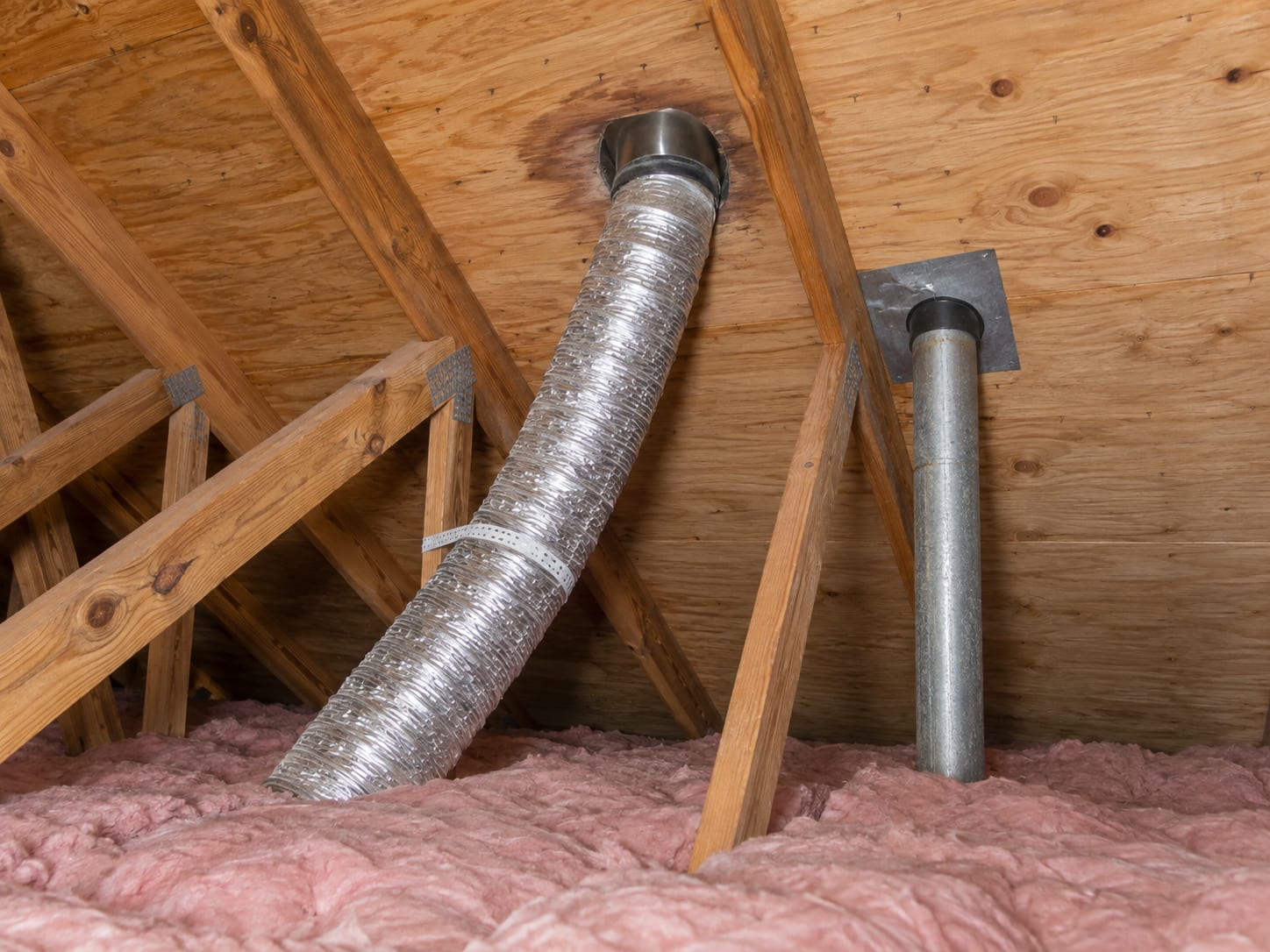
Start at the fan. Find the bathroom fan housing from the room below, then follow its duct through the attic with a flashlight, stepping only on framing or a solid walkway. Do the same with a dryer duct if the laundry room sits under the roof. A duct that runs to a roof cap or an exterior wall carries moist air out of the house. A duct that stops under the roof deck, or lies loose on top of the insulation, empties that air into the attic, and the EPA's mold guidance lists excess humidity and condensation among the common sources of indoor moisture.
Every shower and every load of laundry puts water into the air, and an attic is cold in winter. Wet air that ends up there meets the underside of the roof sheathing, the plywood or board layer under the shingles, and turns back into water on the coldest surface it touches.
Look at these while you are up there:
- Where each duct ends: A roof cap, a wall cap, a soffit vent or nothing at all. Note the ones that end inside the attic.
- How the duct is connected: Loose joints, crushed sections and low spots let moist air escape into the insulation.
- The pattern of the staining: Dark growth concentrated around one duct end can point to exhaust, growth spread across the whole roof deck can point to condensation, and a stain that follows one rafter bay down from a chimney or vent pipe can point to a leak.
Photograph each of these before anyone touches them. The pictures help the crew, the insurer and the next buyer of the house.
Three Checks Before Anyone Touches the Attic
Where each duct ends
A roof cap, a wall cap, a soffit vent or nothing at all. Note the ones that end inside the attic.
How the duct is connected
Loose joints, crushed sections and low spots let moist air escape into the insulation.
The pattern of the staining
Growth around one duct end can point to exhaust, growth across the whole roof deck can point to condensation, and a stain that follows one rafter bay down from a chimney or vent pipe can point to a leak.
Three Ways an Attic Gets Wet, and What an Inspector Checks for Each
An attic that has grown mold has been wet for a reason, and the reason is almost always one of three. The inspection is the step that tells you which, and it is the step a good estimate is built on.
Flashing is the metal or rubber sealing around anything that pokes through the roof. Ventilation design means the vents low at the eaves and high on the roof that keep air moving under the deck. Air leakage means gaps around the attic hatch, recessed lights and wiring holes where warm house air rises into the attic. More than one cause can be active at once, so the written scope should name each source by location.
A Township Built Mostly in the 1980s Through 2000s: Where to Look First
Robbinsville's 2025 housing plan, which uses 2023 American Community Survey estimates, counts 6,084 housing units in the township. About 75.4 percent of them, or 4,590 units, were built from 1980 through 2009. Another 5.9 percent, or 361 units, date from before 1960.
Those numbers describe the township's housing stock, not your attic. What they tell you is where to start. In a house or townhouse from the 1980s, 1990s or 2000s, the inspection looks first at roof penetrations, flashing, ventilation design, insulation placement, air leakage and the ends of the bath fan and dryer exhaust ducts. The inspection then confirms which of those applies to your roof.
If you own a townhouse or condominium, the roof and exterior are often the association's to approve or repair even when the attic space sits above your unit. Ask your property manager or read your governing documents before any roof or exterior work is scheduled.
What Not to Disturb in the Attic Before the Crew Comes
The urge is to get up there and clean it. Wait for the crew, because disturbing the growth can move spores into the rooms below. EPA and the New Jersey Department of Health both point to moisture control and professional help when the area is more than an occupant can safely handle.
Until the crew arrives:
- Leave insulation where it is: Do not sweep it, bag it or vacuum it with a household vacuum.
- Keep household fans off the growth: Do not aim a box fan or the house's air handler at visible growth. If the water may be contaminated, hold off on fans altogether.
- Keep sensitive people away: Children, pets and anyone with asthma or other breathing sensitivity should stay out of the attic and out of the room under the hatch.
- Photograph everything: Get the staining, the ducts, the insulation and any water stains on the ceilings below.
- Stop active water only when it is safe: If water is coming in and you can control it without going near wiring or unsafe footing, do so. Otherwise, wait.
- Leave suspect asbestos materials alone: Do not disturb old insulation, flooring or wrapped pipes just to look at mold. Asbestos work follows a separate New Jersey process.
Attics carry their own hazards too: unstable flooring, exposed wiring, nails, heat and poor light.
The Attic Mold Remediation Process, From Source to Rebuild
The order matters more than any single step. The sequence below follows EPA remediation guidance, applied to an attic.
The Attic Remediation Process, Step by Step
- 1
Assess and make it safe
The crew notes visible growth, odor, wet materials, the roof deck, the insulation, wiring, structural concerns and how hard the attic is to reach, and decides whether the water involved is clean or contaminated.
- 2
Correct the moisture source
Roof coverings, flashing, valleys, penetrations, chimneys, plumbing vents, bath and dryer exhaust, air leaks, insulation gaps and ventilation paths are all checked.
- 3
Contain the work
Barriers and controlled airflow protect the rooms below, and the crew wears protective equipment.
- 4
Remove or clean
Porous material that cannot be saved, such as mold-contaminated insulation, comes out. Framing and sheathing that can be saved are cleaned.
- 5
Dry and confirm
Dehumidification and controlled airflow dry what is left, and the crew confirms the materials are dry and the source is corrected before anything is closed up.
- 6
Rebuild and restore
New insulation goes in, air sealing and ventilation are restored, roof or exhaust defects are repaired and the work is documented.
- Assess and make it safe: The crew notes visible growth, odor, wet materials, the roof deck, the insulation, wiring, structural concerns and how hard the attic is to reach, and decides whether the water involved is clean or contaminated.
- Correct the moisture source: Roof coverings, flashing, valleys, penetrations, chimneys, plumbing vents, bath and dryer exhaust, air leaks, insulation gaps and ventilation paths are all checked. Mold returns if the water problem stays.
- Contain the work: Barriers and controlled airflow protect the rooms below, and the crew wears protective equipment. How much containment depends on the size and condition of the job.
- Remove or clean: Porous material that cannot be saved, such as mold-contaminated insulation, comes out. Framing and sheathing that can be saved are cleaned with methods suited to the material.
- Dry and confirm: Dehumidification and controlled airflow dry what is left, and the crew confirms the materials are dry and the source is corrected before anything is closed up.
- Rebuild and restore: New insulation goes in, air sealing and ventilation are restored, roof or exhaust defects are repaired and the work is documented.
Timing follows the water. EPA's target is to dry water-damaged items within 24 to 48 hours to help prevent mold, and it points to remediation guidance when materials have stayed wet longer. EPA notes that cellulose and fiberglass insulation may need to come out and be replaced, while wood can be dried promptly and cleaned when it is salvageable. A small, easy-to-reach attic with light surface growth is a much shorter job than one with growth across the whole roof deck, saturated insulation or a roof repair attached, so ask for milestone dates in writing after the inspection.
A surface treatment on the boards does not replace fixing the moisture source, and any scope that skips the source will be back in your attic.
What Sets the Price of an Attic Job, and What to Ask For in Writing
A reliable price for your attic comes after someone has looked at it, so ask for the quote after the inspection. What moves the price is the work involved:
- Area and roof-deck extent: How much of the attic and roof deck is affected, and whether the growth is patchy or widespread.
- Insulation: The type and amount that has to come out and go back.
- Condition of the wood: Whether the sheathing, rafters and trusses can be cleaned or need replacing.
- Access: Hatch size, roof pitch and how hard it is to move equipment and materials in and out.
- Containment: Barriers, negative air and filtration for the rooms below, especially if you are living in the house.
- The repair itself: Roof, flashing, exhaust or air-sealing work to stop the moisture.
- Rebuild: Insulation, ceilings and finishes put back.
- Water category: Whether contaminated water is involved.
- Trades and paperwork: Electrical, HVAC or roofing work, permit fees and the records an insurer wants.
Ask each company for a written scope that names the moisture source and shows water work, mold cleaning or removal, insulation, roof or exhaust repair, rebuilding and any permit costs as separate lines. The New Jersey Department of Health lists private providers without endorsing or qualifying any of them, so the scope, the safety plan and the paperwork you receive are what you judge a company by.
Hover or tap a row to highlight it.
| Cost driver | What it covers |
|---|---|
| Area and roof-deck extent | How much of the attic and roof deck is affected, and whether the growth is patchy or widespread |
| Insulation | The type and amount that has to come out and go back |
| Condition of the wood | Whether the sheathing, rafters and trusses can be cleaned or need replacing |
| Access | Hatch size, roof pitch and how hard it is to move equipment and materials in and out |
| Containment | Barriers, negative air and filtration for the rooms below, especially if you are living in the house |
| The repair itself | Roof, flashing, exhaust or air-sealing work to stop the moisture |
| Rebuild | Insulation, ceilings and finishes put back |
| Water category | Whether contaminated water is involved |
| Trades and paperwork | Electrical, HVAC or roofing work, permit fees and the records an insurer wants |
Who to Call Before Roof or Ceiling Work Starts
Whether your job needs a permit depends on what work is done. New Jersey's Uniform Construction Code separates ordinary maintenance, minor work and full permits, and opening a roof or ceiling assembly or changing insulation or ventilation can trigger review. Call the Robbinsville construction office at (609) 259-3600, extension 1114, before work starts and describe the job, and ask your contractor who applies for any permit.
On the insurance side, photograph everything and call your insurer before you throw damaged material away, when that is safe. Whether a claim pays depends on the policy and the cause of the water.
Venting, Air Sealing and Exhaust That Keep the Roof Deck Dry
Once the attic is clean and dry, the job is to keep it that way. Three fixes do most of the work, and they line up with the three causes.
Give every exhaust a way out. Each bath fan and dryer should have a duct that runs all the way to the outdoors, with tight joints and no low spots. If a duct ended in the attic, moving its end is often the single most useful repair, and it is worth having done before new insulation goes over it.
Seal the air leaks from below. Gaps around the hatch, recessed lights, wiring holes and plumbing chases let warm house air rise into the attic. Sealing them cuts the moisture that condenses on the sheathing, and it keeps new insulation from getting damp.
Keep the insulation and vents working together. Insulation that blocks the intake vents at the eaves stops air from moving under the roof deck. The crew should restore ventilation paths when they replace insulation, not cover them.
Repair the roof where it leaked. Flashing, valleys, chimneys and plumbing vents are the usual places.
Then keep a folder with the photographs, the written scope, invoices, any permits and warranties. It helps with a claim, and it helps when you sell.
Frequently Asked Questions About Attic Mold Remediation in Robbinsville, NJ
Can a bathroom fan that ends in the attic cause mold?
Yes. Bath or dryer exhaust that ends in the attic adds moist air directly to the space, where it can condense on cold roof boards. Trace each duct to its end and have any that stops in the attic rerouted to the outdoors.
Will insurance pay for attic mold remediation?
Possibly, depending on the policy, the cause of the water, any exclusions, the limits and the deductible. Photograph the damage and call your insurer before you discard materials, when that is safe.
Does attic mold work need a permit in Robbinsville?
It depends on what is done. Opening the roof or ceiling, changing insulation or ventilation, and rebuilding finished areas can trigger review. Call the construction office at (609) 259-3600, extension 1114, before work begins.
How much does attic mold remediation cost?
The price depends on the affected area, the insulation, the condition of the wood, access, containment, roof or exhaust repairs and the rebuild. Ask for an itemized written estimate after an inspection so you can compare scopes.
Attic Moisture Quick Check
1. What does a bath fan duct that stops under the roof deck do?
2. Where does wet attic air turn back into water?
3. What is EPA's target for drying water-damaged items to help prevent mold?
4. Who should you call before roof or ceiling work starts?
Pick an answer to begin.
Wrapping Up
Attic mold comes from moisture that has a path in, so the useful order is to trace the exhaust ducts, sort out whether the roof, the indoor air or the exhaust is the cause, keep the growth undisturbed until the crew arrives and get a written scope that lists each part of the work. Then ask the township whether the repair needs a permit.
Done in that order, the attic stays drier, the insulation does its job again and you have a record that holds up with an insurer or a buyer.
If you are dealing with dark roof boards or a flagged attic in Robbinsville, NJ, ExecPro Restoration & Cleaning can trace the moisture, contain and clean the attic, and coordinate the insulation and repair work that follows. We handle mold remediation, water damage restoration and build-back work, so the cleaning and the rebuild fit into one plan. See our Robbinsville mold remediation page, call us at (888) 300-3772 or contact us to schedule an inspection.
Attic Terms
Tap a term to see what it means.
Roof sheathing. The plywood or board layer under the shingles, and the coldest surface wet air meets in a winter attic.
Serving Robbinsville
ExecPro Restoration & Cleaning provides mold remediation services in Robbinsville, NJ, from inspection and testing through removal, drying, and post-remediation verification. Call (888) 300-3772 for 24/7 emergency response.
Related Articles
Attic Mold Remediation in Bridgewater, NJ: Roof Boards, Vents and Homes of Every Age
Before anyone disturbs the insulation, check whether dark roof boards mean a leak, condensation or a vent fan. Attic mold remediation in Bridgewater, NJ.
Attic Mold Remediation in Trenton, NJ: Old Roofs, Old Insulation and Houses That Sat Empty
Dark roof boards in an older house usually mean a leak, condensation or a fan venting into the attic. See how attic mold remediation in Trenton is scoped.
Follow the Air: Attic Mold Remediation in Livingston, NJ
Stained sheathing in a Livingston, NJ attic often starts at a bathroom fan, not the roof. Follow the air path from soffit to ridge and the source shows up.