Attic Mold Remediation in Bridgewater, NJ: Roof Boards, Vents and Homes of Every Age
Cal HewittPublished Updated
- attic mold remediation
- attic mold
- ventilation
- bridgewater nj
- new jersey
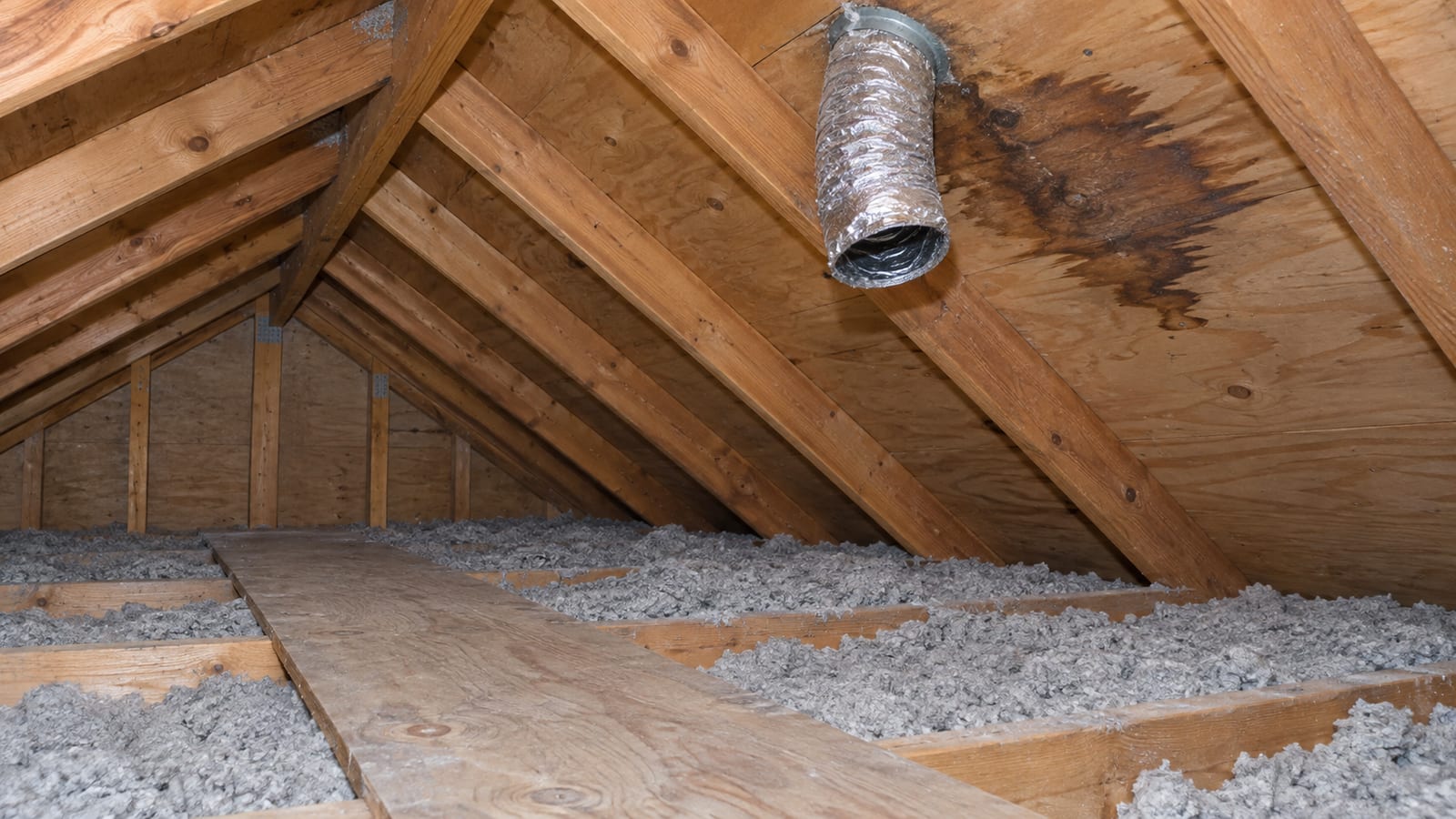
Whether you climbed the attic stairs yourself or read an inspector's note, you are probably looking at dark roof boards and trying to work out what they mean. Attic mold remediation in Bridgewater, NJ comes down to a chain of decisions, and the first link is the cause. A roof leak, warm air condensing on cold wood, and a bathroom fan that blows into the attic can leave almost the same stain. Each one is fixed by a different tradesperson, and the cleanup only lasts if the right one goes first. You may also be wondering whether the insulation has to come out and what the whole thing will cost. The sections below sort those questions in the order you will likely face them.
Key Takeaways
The cause decides the job
A roof leak needs a roofer, condensation needs air sealing and ventilation work, and an exhaust duct ending in the attic needs to be rerouted outdoors, and cleaning comes after any of them.
Size and material set the scope
EPA treats under 10 square feet as small, 10 to 100 as medium and over 100 as large, and porous insulation may have to be removed while cleanable wood can usually be cleaned.
Homes of every age mean different attics
Bridgewater's single-family homes range from before 1775 to since 2010, so roof assemblies, insulation and past alterations differ from house to house, and every price starts with an itemized written scope.
Dark Roof Boards: Leak, Condensation or a Fan Venting Into the Attic
Start by asking where the dark marks are and when they appear, because the pattern usually points to the cause.
- A roof leak: Staining that follows a line below a chimney, a valley, a vent pipe or damaged flashing (the metal sealing a roof joint) suggests water coming through the roof. It often shows up after rain, and the wood around it may feel damp or look stained on the underside of the sheathing.
- Condensation: In winter, warm and moisture-laden household air can leak into a cold attic and condense on the roof boards. The staining tends to spread across a wide area of the roof deck and it can come back each cold season.
- An exhaust duct ending in the attic: A bathroom or kitchen fan that vents into the attic instead of outdoors releases steam straight onto the wood. Look for staining around the duct or on the boards nearest it.
- Blocked ventilation: Soffit vents (the openings under the roof edge) covered by insulation, or too little ridge ventilation, keep the boards from drying out.
Each cause has its own fix. A roofer repairs the flashing or shingles. An insulation and ventilation contractor handles air sealing and airflow. Whoever installs the fan can reroute the duct to the outside. Remediation, meaning the cleaning or removal of affected material, comes after the cause is corrected, and a coating or chemical applied to wood that stays wet will not solve the problem.
Hover or tap a row to highlight it.
| Cause | What it looks like | Who fixes it |
|---|---|---|
| A roof leak | Staining that follows a line below a chimney, a valley, a vent pipe or damaged flashing, often after rain | A roofer repairs the flashing or shingles |
| Condensation | Staining across a wide area of the roof deck that can come back each cold season | An insulation and ventilation contractor handles air sealing and airflow |
| An exhaust duct ending in the attic | Staining around the duct or on the boards nearest it | Whoever installs the fan can reroute the duct outdoors |
| Blocked ventilation | Soffit vents covered by insulation, or too little ridge ventilation | An insulation and ventilation contractor handles air sealing and airflow |
Dark staining on roof boards may be mold, dirt or another deposit until someone evaluates it. If growth is visible, EPA says routine sampling is usually unnecessary; the priorities are finding the water, correcting it, and cleaning or removing the affected materials.
The Roof, the Vents and the Insulation Are Worth Checking in This Order
An inspection worth paying for covers four areas, and you can ask for each by name.
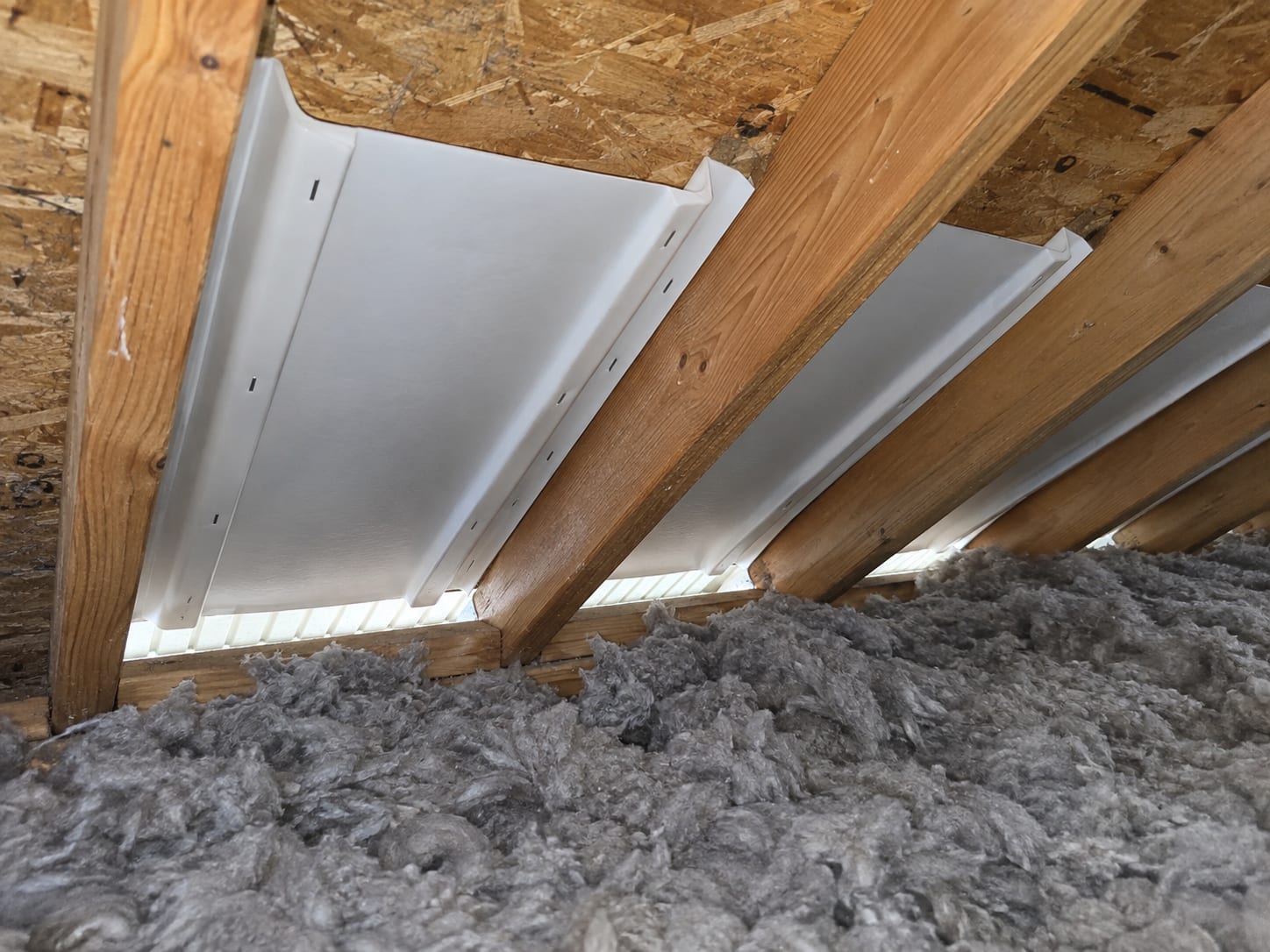
1. The roof and flashing: A look at shingles, valleys, chimneys and penetrations for any way water could get in. 2. Moisture readings: Readings on the sheathing and framing show whether the wood is wet now or only stained from earlier. 3. The vents: Soffit, ridge, gable and any powered vents should be open and balanced, with insulation kept back from the intake openings. 4. The exhaust ducts: Bathroom and dryer exhaust should end outdoors, not in the attic.
The inspection should also note whether mold sits on cleanable wood or has reached insulation, drywall or other porous material, and whether it is near any heating and cooling equipment or return-air pathway. Attics with low headroom or a narrow hatch make containment harder, which affects the plan and the price. Ask whoever inspects to explain what each finding means for who fixes it. If the answer is a roof repair, get the roofer involved early so remediation and repair are scheduled in the right order.
Working Under a Roof Deck Changes How the Cleanup Is Done
An attic is cramped and sits directly above your living space, so the work is planned around keeping dust and spores from dropping into the rooms below. Here is the usual order:
1. Stop active water entry where possible. 2. Correct the moisture source, whether that is flashing, air leakage, an exhaust duct or blocked vents. 3. Determine how far the growth reaches, visible and hidden. 4. Protect the house and isolate the work area when disturbance could spread spores or dust. 5. Remove or clean affected materials by type. 6. Dry the structure and the materials that remain. 7. Repair or replace damaged insulation, sheathing, framing, roofing, ventilation or ductwork. 8. Document the finished work and any evaluation you request afterward.
Attic Cleanup, Step by Step
- 1
Stop active water entry
Do it where possible.
- 2
Correct the moisture source
Flashing, air leakage, an exhaust duct or blocked vents.
- 3
Determine how far the growth reaches
Visible and hidden.
- 4
Protect the house and isolate the work area
When disturbance could spread spores or dust.
- 5
Remove or clean affected materials
Handled by material type.
- 6
Dry the structure
And the materials that remain.
- 7
Repair or replace
Damaged insulation, sheathing, framing, roofing, ventilation or ductwork.
- 8
Document the finished work
And any evaluation you request afterward.
EPA's size bands set how much protection the job needs. Areas under 10 square feet are small, 10 to 100 square feet are medium, and over 100 square feet are large. For medium areas EPA describes limited containment, and full containment applies above 100 square feet or when disturbance could spread contamination through the building. In an attic, that means HEPA filtration (air scrubbing that traps fine particles), plastic barriers at the hatch, protective clothing and respirators for the crew.
Hover or tap a row to highlight it.
| Affected area | Size band | Protection |
|---|---|---|
| Under 10 square feet | Small | May be manageable by a properly protected healthy adult |
| 10 to 100 square feet | Medium | Limited containment |
| Over 100 square feet | Large | Full containment, which also applies when disturbance could spread contamination through the building |
Materials are handled by type. Insulation that has held moisture and growth is porous, and growth can sit inside it, so it usually has to come out. Cleanable wood such as rafters and roof boards can often be cleaned in place, and wood that has softened from long moisture exposure may need repair. Insulation goes back only after the attic is dry.
How Long It Takes Depends on Access, Area and the Roof Work
Attic size, how easily crews can reach the affected area, how much material comes out, how wet the wood is, and whether roof or ventilation repairs are waiting all move the schedule. The roof repair may need dry weather, and drying has to finish before insulation is replaced.
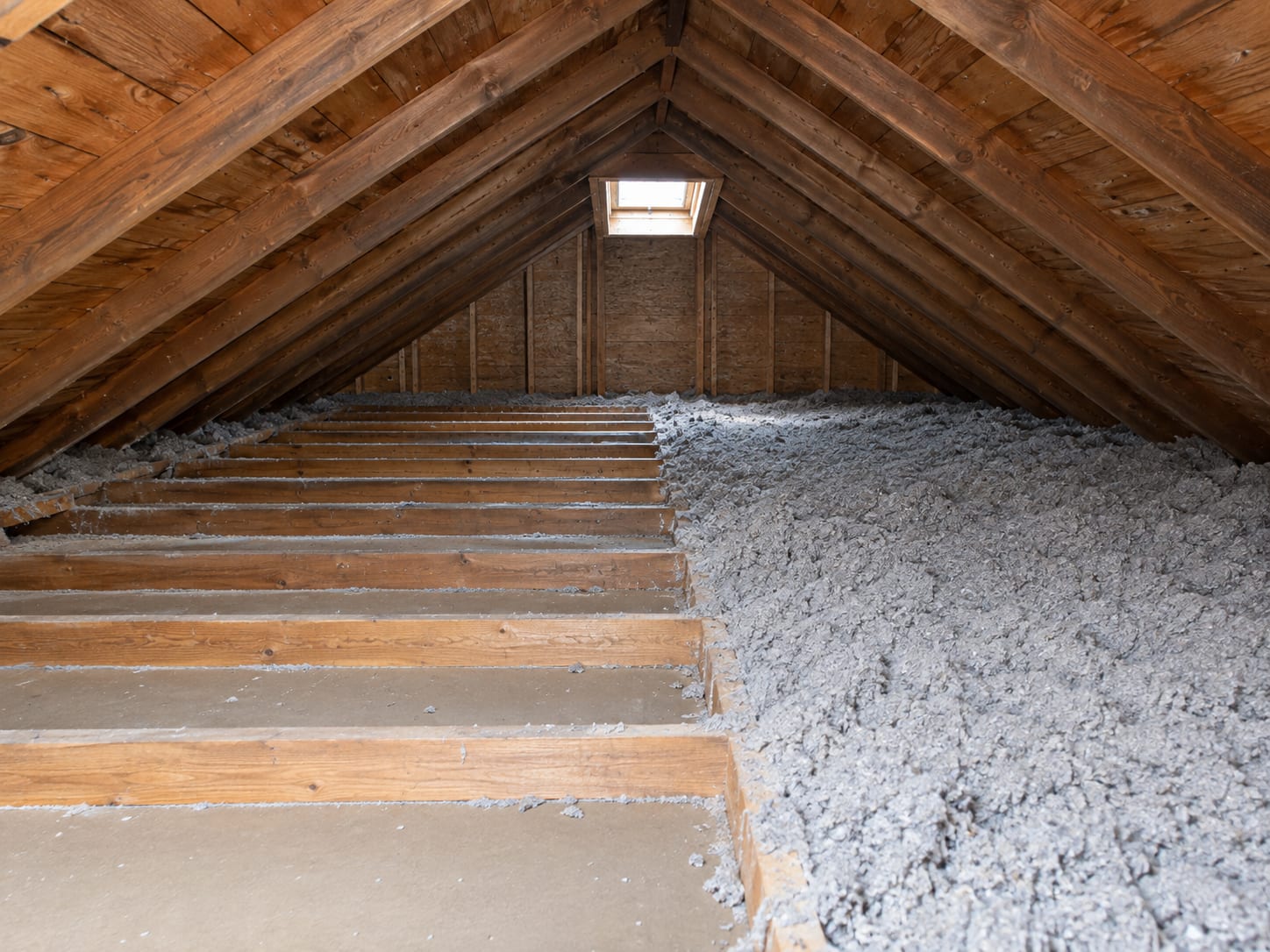
Rather than a single number of days, ask any contractor for a written schedule that separates emergency stabilization, remediation, correcting the cause, any verification, and rebuilding. Then you can see which parts overlap and which have to wait. If a repair depends on weather or on an inspection, the schedule should say so.
Costs Follow Area, Materials and Repairs, so Get the Scope in Writing
Price moves with a handful of things you can identify before anyone quotes:
- Contaminated surface area: More square footage costs more.
- Cleanable wood or porous material: Embedded insulation adds removal and replacement.
- Attic size, height and entry: A tight hatch and low headroom slow the work and complicate moving materials out.
- Containment and protection: Barriers, negative air, HEPA filtration and protective equipment depend on the size band.
- The fix for the cause: Flashing repair, roof replacement, air sealing, ventilation correction or duct relocation may be quoted separately.
- Damaged wood: Deteriorated sheathing or rafters add repair.
- Verification and rebuilding: Testing afterward, drying checks, insulation replacement, painting or finish work.
- Building type: Condominium, multifamily or commercial buildings may need scheduling and access arrangements.
For rough planning only, contractors publish statewide figures. ProMatcher's New Jersey cost report lists reported averages of $90 per hour and $7 per square foot for mold remediation, with ranges of $70 to $110 per hour and $2 to $12 per square foot, and says they are general information and not guaranteed estimates. One New Jersey contractor, Advanced Disaster Recovery, lists attic remediation at $2,500 to $12,000, averaging $6,000. These are contractor-published practice ranges. They are not a Bridgewater price, and your attic's estimate should come as an itemized scope that separates the cause repair, remediation, drying, testing and rebuilding.
Hover or tap a row to highlight it.
| Source | Figure |
|---|---|
| ProMatcher reported averages, mold remediation | $90 per hour and $7 per square foot |
| ProMatcher reported ranges | $70 to $110 per hour and $2 to $12 per square foot |
| Advanced Disaster Recovery, attic remediation | $2,500 to $12,000, averaging $6,000 |
What You Can Do Yourself, and When to Stop
If anyone in your household has asthma or another respiratory condition, severe allergies or a weakened immune system, do not enter the attic or clean anything. Children should not take part in cleanup. CDC's NIOSH says damp buildings are associated with respiratory symptoms, and disturbing insulation or roof debris can release mold particles and dust. If anyone at home has a health concern, NIOSH's guidance explains the risks.
What is safe in the next hour:
- Stop an active leak if you can do it safely.
- Keep people and pets away from the attic hatch.
- Photograph the staining and any water entry from a safe spot.
- Leave the mold alone: no sweeping, dry-brushing, sanding, household fans, painting or caulking over it.
- Hold off on the heating and cooling system if contamination may be in or near it.
What Is Safe in the Next Hour
Stop an active leak
Only if you can do it safely.
Keep people and pets away
Stay clear of the attic hatch.
Photograph the damage
The staining and any water entry, from a safe spot.
Leave the mold alone
No sweeping, dry-brushing, sanding, household fans, painting or caulking over it.
Hold off on the heating and cooling system
If contamination may be in or near it.
A small, accessible area under about 10 square feet may be manageable by a properly protected healthy adult, following EPA's cleanup guidance. Gloves, eye protection and a NIOSH-approved respirator are the baseline. Stop and call a professional when the area is larger, hidden, wet, close to ductwork, or in a cramped space where you would have to move insulation.
Bridgewater Homes Run From Before 1775 to Since 2010, and Their Attics Do Too
The township's 2022 master plan draws on assessor records to sort single-family homes by construction period. It lists 31 built before 1775, 466 from 1871 to 1920, 1,132 from 1946 to 1970, 1,583 from 1971 to 1990, 1,674 from 1991 to 2010 and 446 since 2010. That spread affects what an attic inspector finds. Older houses may have roof assemblies, insulation, bathroom exhaust and ventilation that were altered over the years, so the airflow path may not match the original design. Postwar and late-century houses give many owners a reachable attic, though the vent details vary. Newer, larger houses can have complex rooflines, finished attic rooms, mechanical equipment and hidden cavities.
Hover or tap a row to highlight it.
| Built | Homes |
|---|---|
| Before 1775 | 31 |
| 1871 to 1920 | 466 |
| 1946 to 1970 | 1,132 |
| 1971 to 1990 | 1,583 |
| 1991 to 2010 | 1,674 |
| Since 2010 | 446 |
Two local points matter in practice. First, Bridgewater's Code Enforcement office states that construction permits are generally required for constructing, enlarging, altering or demolishing a structure, or for structural, electrical, plumbing or mechanical work. Cleaning mold alone may not need a construction permit, but attic work that involves structural repair, electrical changes, mechanical systems or demolition should be reviewed with the township, so ask about your actual scope. Second, an older home may be a recognized historic site or landmark. Bridgewater has a historic-preservation chapter and a municipal historian, so check before altering an old building.
Condominium and townhouse owners should also check with the association or property manager before any work starts, and a landlord or commercial building representative may need to approve access.
Insurance depends on the policy and the cause. New Jersey's Department of Banking and Insurance says homeowner policies exclude flood, and the NAIC says roof and plumbing leaks are typically covered while ground water, runoff and snowmelt generally are not. Mold coverage may be excluded, limited, or available only when a covered event caused it. Report the loss promptly, photograph the damage, save receipts for temporary repairs, and confirm coverage before permanent demolition.
Keeping Attic Mold From Coming Back Means Fixing What Fed It
Attic mold returns when the cause stays in place. Prevention here comes down to a short list you can check each season:
- The roof: Keep flashing, valleys and shingles in repair.
- Air leaks: Seal gaps where warm household air can reach the cold attic, such as around ceiling fixtures and hatches.
- Ventilation: Keep soffit vents clear and ridge or gable vents open.
- Exhaust ducts: Send bathroom, kitchen and dryer exhaust outdoors.
- Insulation: Confirm the attic is dry before replacing it.
Seasonal Attic Checks
The roof
Keep flashing, valleys and shingles in repair.
Air leaks
Seal gaps where warm household air can reach the cold attic, such as around ceiling fixtures and hatches.
Ventilation
Keep soffit vents clear and ridge or gable vents open.
Exhaust ducts
Send bathroom, kitchen and dryer exhaust outdoors.
Insulation
Confirm the attic is dry before replacing it.
Keep the photographs, moisture readings, invoices, permits and completion records together. They help with a sale, a refinance or an insurance question later.
Frequently Asked Questions About Attic Mold Remediation Bridgewater NJ
Who do I call first for dark roof boards, a roofer or a remediation company?
Start with an inspection of the roof, the attic moisture and the vents, so the cause is named. A roof leak points to a roofer, condensation to air sealing and ventilation work, and a fan ducted into the attic to a rerouted duct. Remediation follows the repair.
Does the attic insulation have to come out?
Porous insulation that has held moisture and growth may need to be removed, while cleanable wood can often be cleaned. Insulation goes back once the attic is dry.
What does attic mold remediation cost?
It depends on the area, the material, the access, the containment and the repairs to the cause. Statewide contractor figures exist for planning, but ask for an itemized scope for your attic.
Will insurance pay for it?
It depends on the policy and the cause. A sudden covered roof or plumbing loss may be treated differently from gradual leakage or flooding, and homeowner policies exclude flood. Report the loss promptly and confirm with your insurer.
Does New Jersey certify mold remediation companies?
The state Department of Health says New Jersey has no state certification program for companies doing mold or general indoor-air work, so ask any contractor for insurance, training, references and a written scope.
Attic Mold, Quick Check
1. What is the first link in the chain of decisions?
2. How does EPA size an area of 10 to 100 square feet?
3. Where should bathroom and dryer exhaust end?
4. What usually happens to porous insulation that has held moisture and growth?
5. Does New Jersey certify mold remediation companies?
Pick an answer to begin.
Moving Forward
Dark roof boards can look alarming, but they come down to a cause you can identify: a leak, condensation or an exhaust duct. Once the cause is corrected, the size of the area and the type of material set the scope, and an itemized written scope sets the price. Bridgewater's mix of older and newer homes means each attic needs its own look.
Fixing the cause first means the cleanup lasts, and a dry, ventilated attic with clear records protects the rest of the house and your paperwork for years.
If you have dark roof boards or an inspector's note in Bridgewater, NJ, ExecPro Restoration & Cleaning can inspect the attic, help sort out which trade fixes the cause, and scope the cleanup, removal and rebuilding in writing. Call us at (888) 300-3772 or contact us with photographs and what you saw, and our team will tell you what to do next. You can also read about our mold remediation in Bridgewater and the area we serve.
Attic Terms
Tap a term to see what it means.
Flashing. The metal sealing a roof joint, such as around a chimney, valley or vent pipe.
Serving Bridgewater
ExecPro Restoration & Cleaning provides mold remediation services in Bridgewater, NJ, from inspection and testing through removal, drying, and post-remediation verification. Call (888) 300-3772 for 24/7 emergency response.
Related Articles
Attic Mold Remediation in Robbinsville, NJ: Bath Fans, Dryer Ducts and 1980s to 2000s Roofs
Is the bathroom fan venting into the attic? Trace dark roof boards to a leak, condensation or exhaust before attic mold remediation in Robbinsville begins.
Attic Mold Remediation in Trenton, NJ: Old Roofs, Old Insulation and Houses That Sat Empty
Dark roof boards in an older house usually mean a leak, condensation or a fan venting into the attic. See how attic mold remediation in Trenton is scoped.
Follow the Air: Attic Mold Remediation in Livingston, NJ
Stained sheathing in a Livingston, NJ attic often starts at a bathroom fan, not the roof. Follow the air path from soffit to ridge and the source shows up.