Mold Remediation in Rocky Hill, NJ
Rocky Hill is a small Somerset County borough where the Millstone River, Van Horne Brook, wetlands and homes built mostly before 1970 all sit within a few blocks of each other. ExecPro Restoration & Cleaning finds where the water is coming from first, then removes the growth and dries the building so the repair holds.
Mold Remediation Services in Rocky Hill, NJ
If you have mold or a wet lower level in Rocky Hill Borough, Somerset County, the first job is to find where the water is coming from and stop it, because removal only lasts when the source is fixed. ExecPro Restoration & Cleaning inspects the affected rooms, reads moisture in the wall, floor and framing, sets containment around the work area, removes the materials that cannot be saved, dries what can, and documents the result. Whether you live near Washington Street, along Princeton Avenue or inside the historic village, the sequence is the same; what changes is the water route. In a borough this small, that route is usually the Millstone River, Van Horne Brook, a wet stretch of ground, or an older house with decades of wear. Call (888) 300-3772 or send the details through the contact page, and we will help you plan the next step.
Why do Rocky Hill homes get water and mold problems?
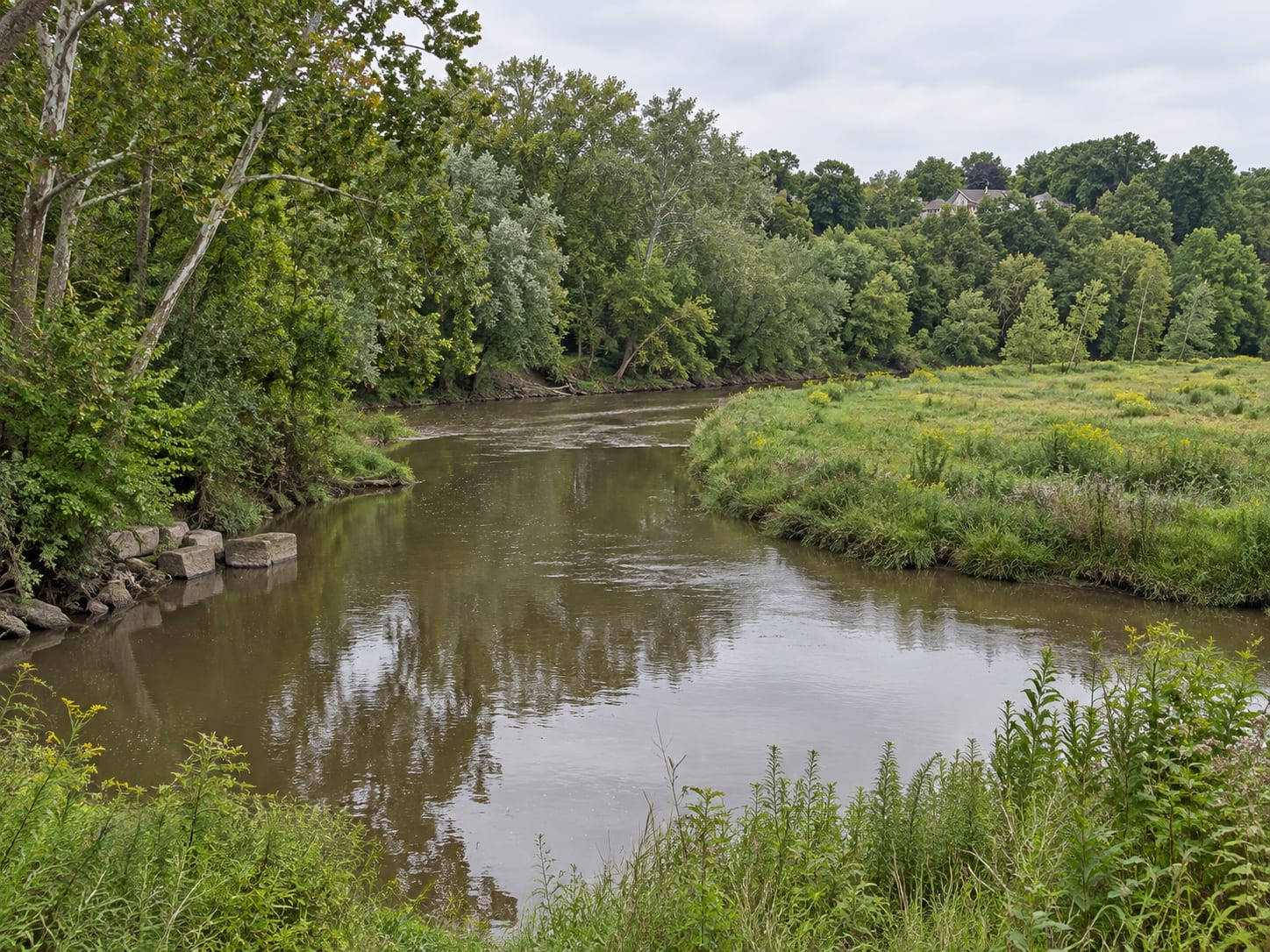
Rocky Hill is a borough in the southern part of Somerset County, in the Raritan Valley, and it is surrounded by Montgomery Township with Franklin Township along its northeastern side. It covers about 0.6 square miles and had 743 residents in the 2020 Census. That is a very small footprint, and a lot of the things that put water into a building are packed inside it: the Millstone River along the eastern side, Van Horne Brook and a tributary crossing the borough, and wetlands near Princeton Avenue and along the brook.
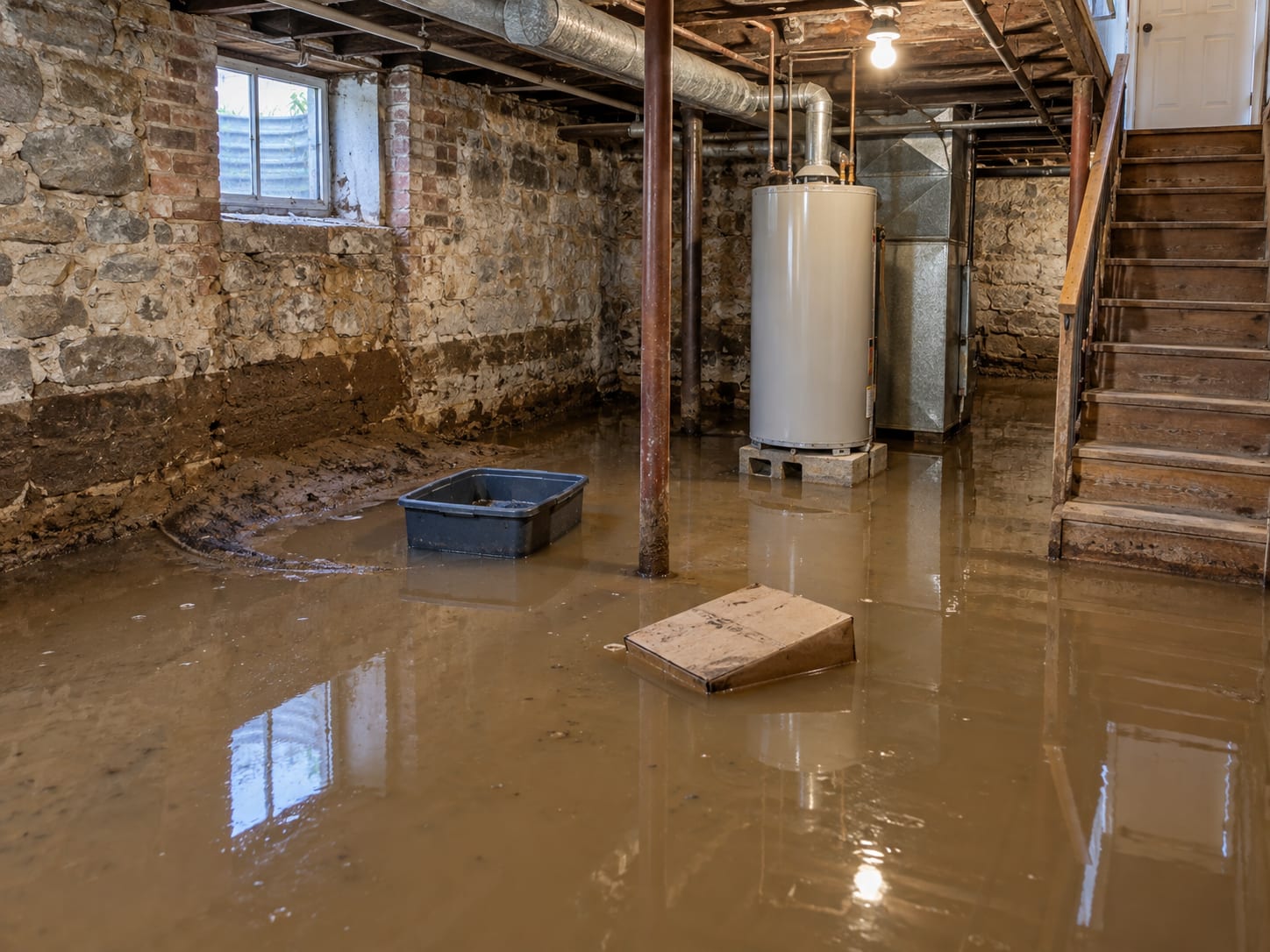
The borough's planning documents say flooding occasionally occurs along both the Millstone River and Van Horne Brook. Millstone River flooding reaches properties on the eastern side of the borough, and Van Horne Brook flooding affects properties along the length of the brook. Two different waterways with two different sets of affected properties means the answer to why your basement is damp depends on which side of the borough you are on.
The buildings matter as much as the water. Rocky Hill's housing is mostly single-family detached homes, and about 88 percent of the housing stock was built before 1970, according to the borough's adopted housing plan. Older foundations, older roofs, older plumbing and older window and door flashing have all had more years to wear. A slow leak that would take a season to matter in a newer house can run for years inside an older wall.
Growth is what shows up when moisture stays put, so a moldy corner is usually the last chapter of a story that started with a wet one. We work backward from the growth to the water, and we tell you what we see on your specific property rather than assuming the borough's history applies to your foundation.
What are the signs of moisture trouble in an older Rocky Hill home?
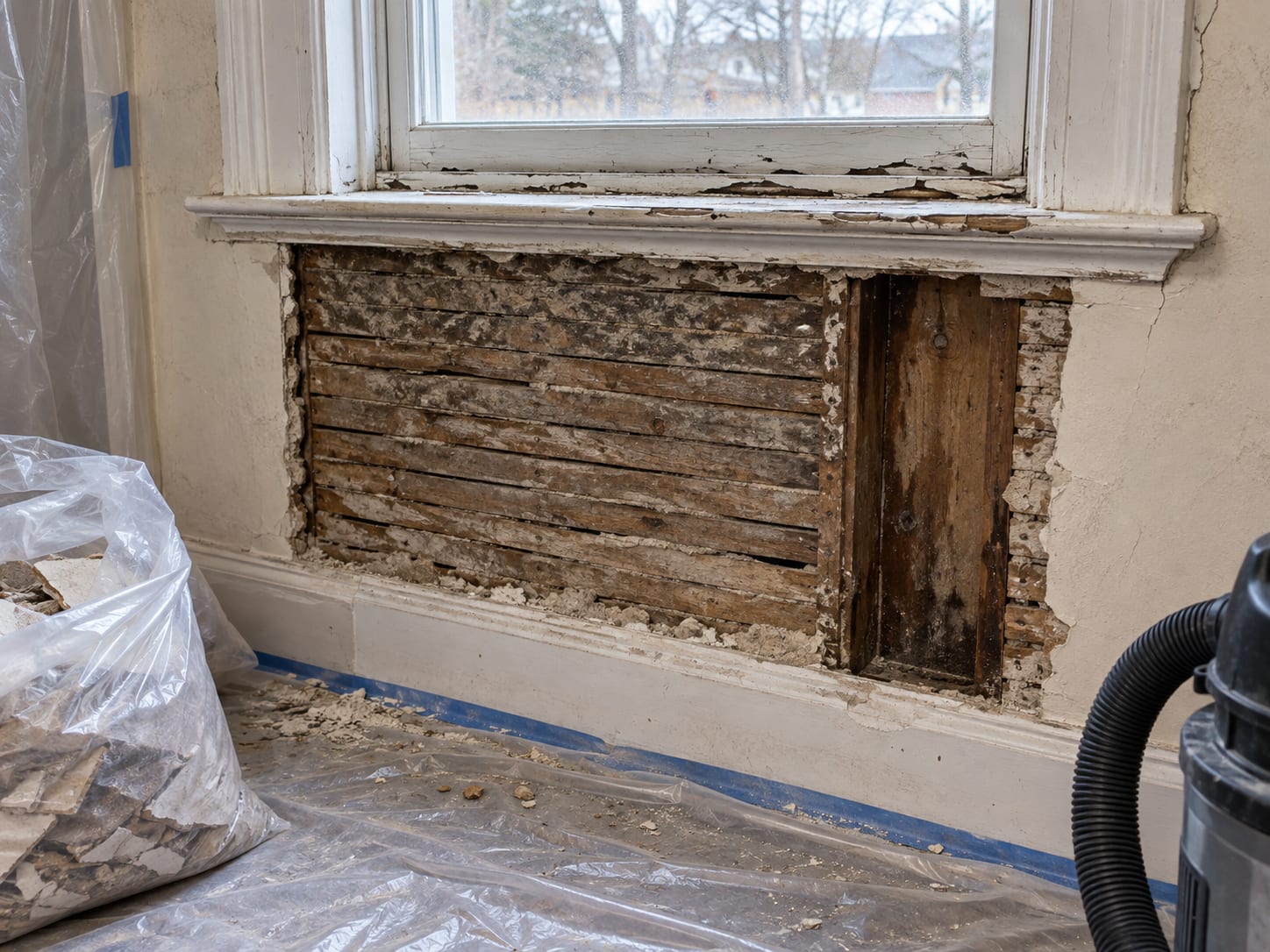
Start with what you can see and smell. A musty odor in a basement, a stairwell or a closet that gets worse after rain is one of the most reliable early signs. So are stains on the lower part of a wall, paint that bubbles or peels near the floor, white mineral crust on block or poured concrete, baseboards that have started to swell or lift, and carpet or a stored cardboard box that always feels slightly damp.
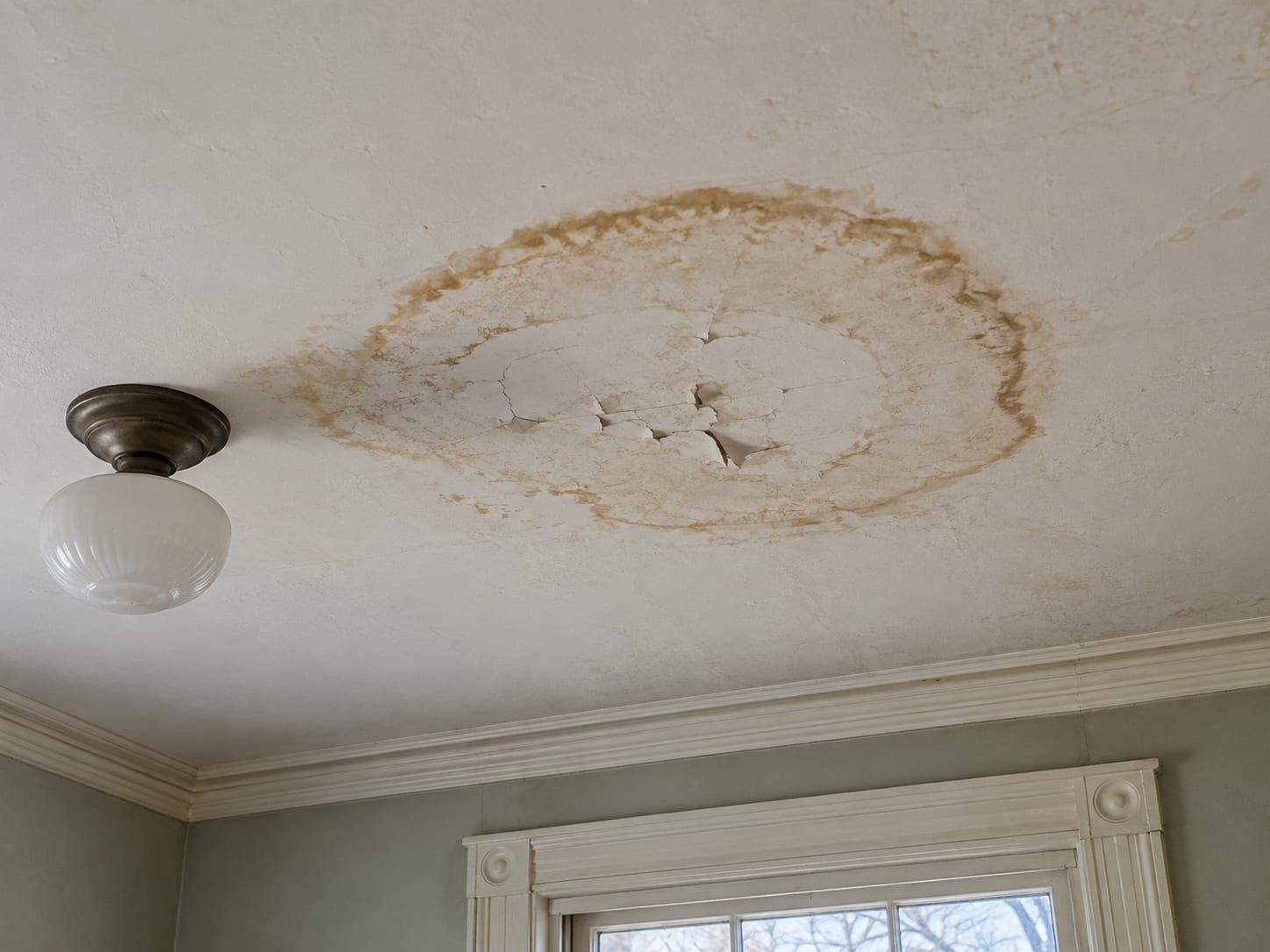
In older homes, look at the places where water tends to enter. That means the joint between the foundation wall and the floor slab, the area around window wells and basement windows, the spot where a downspout discharges near the house, and the walls beneath bathrooms and kitchens where old supply and drain lines run. Attic sheathing can show dark staining beneath a roof that has aged, and ceilings below a bathroom often show a ring long before anyone sees the pipe.
Village properties around the center of Rocky Hill, near Washington Street, Crescent Avenue and Park Avenue, often have several generations of repairs layered together. A finished basement built in one decade may sit against a wall that was patched in another. When we open an older wall we often find that the visible stain and the actual source are on different sides of a stud bay, which is why a moisture reading matters more than how a surface looks.
If a reading shows moisture and you cannot trace the source, treat that as a reason to call rather than to wait. The longer building materials stay wet, the more of them we end up removing.
What do Rocky Hill's floodplain rules mean after water enters a property?
The borough's 2026 planning reexamination identifies some Washington Street frontage properties as lying in flood plains, and Rocky Hill has its own flood damage prevention regulations. Under those rules, applicable development in a flood hazard area needs a floodplain development permit or approval, and new construction and substantial improvements in regulated flood areas must meet local flood elevation and flood-resistant construction requirements.
For a homeowner, this comes down to one practical step. Before you plan more than cleanup and drying, ask the borough whether your property sits in a regulated flood area and whether the repair you have in mind needs review. Cleanup, drying and removal of damaged material are one kind of job. Rebuilding a lower level, raising mechanical equipment, or making changes large enough to count as a substantial improvement can be another, with permit and documentation requirements of its own.
A large part of the older village sits in or near the Rocky Hill Historic District, and the borough has historic preservation regulations for that area. If your house is in the district, repair and alteration work on the exterior may involve additional municipal review, so mention it early. We can help you organize photos, moisture readings and a written scope so the borough has what it needs, but the permit and approval decisions belong to the borough's offices.
If you plan to file an insurance claim, keep the paper trail from the first day: dated photos, a note of when you noticed the water, the receipts for anything you had to buy or throw away, and our drying and removal records once the work begins. We also offer insurance restoration services to help you line up the scope of the repair with the documentation your carrier is likely to ask for.
How does the restoration process work for a Rocky Hill property?
The steps below are the same on every job. The details change with the water route and the age of the building.
Scroll the steps sideways to follow the full process.
Which services do Rocky Hill property owners ask about most?
These are the services Rocky Hill homeowners most often need, with a note on how each relates to a borough built around a river, a brook and older housing.
Mold inspection
A mold inspection checks moisture, visible growth and likely water routes in a house that has never had a written assessment. For a home that is decades old, it also tells you whether the problem is one room or the whole envelope.
Mold removal and remediation
Our mold removal work covers containment, removal of damaged materials, cleaning and drying. In a Rocky Hill basement, that often means dealing with block walls, old finishes and a slab that has been damp for a long time.
Basement mold remediation
Basement mold remediation is the most common request in a borough with a brook and a river close by. We look at how water arrives before deciding what to open, remove or dry.
Basement drying
After seepage or a heavy storm, basement drying with air movers and dehumidifiers keeps a wet lower level from turning into a mold job. It matters most for properties near Van Horne Brook or the Millstone River.
Water damage and flood cleanup
When water has already entered, flood damage cleanup removes standing water and wet material and starts structural drying. Rocky Hill's older homes often have finished spaces that hold water in hidden cavities.
Air quality and post-remediation checks
Air quality testing can help you decide whether a lingering smell is coming from a hidden source, and post-remediation verification confirms the space is ready to be closed up and rebuilt.
What drives scope and cost for mold work in Rocky Hill?
Price depends on the space, so we quote after we have seen it. The size of the job comes down to a handful of things you can start thinking about now.
The first is how much material is wet or affected and how far the moisture has traveled. A small patch on a basement wall behind a shelf is a different job from a finished basement where water has wicked up the drywall, into the insulation and under the flooring. The second is what the materials are: painted block and bare concrete clean up differently from paneling, carpet and framed walls.
The third is access. Older Rocky Hill homes often have narrow stairs, low ceilings, and lower levels that were finished around ductwork and mechanical equipment, and each of those changes how much time it takes to open and dry. The fourth is whether the source has been stopped. If a foundation crack, a discharge point or a groundwater route is still active, part of the work is fixing that, and part of the cost follows.
Then there is what happens after removal. If your property sits in a regulated flood area or in the historic district, rebuilding may involve borough review, and you should factor the time and paperwork into your plan. Ask us for a written scope with the source, the removal area and the drying plan listed separately, so you can compare it against an insurance estimate or another contractor's proposal. Our residential mold remediation page describes what that scope covers.
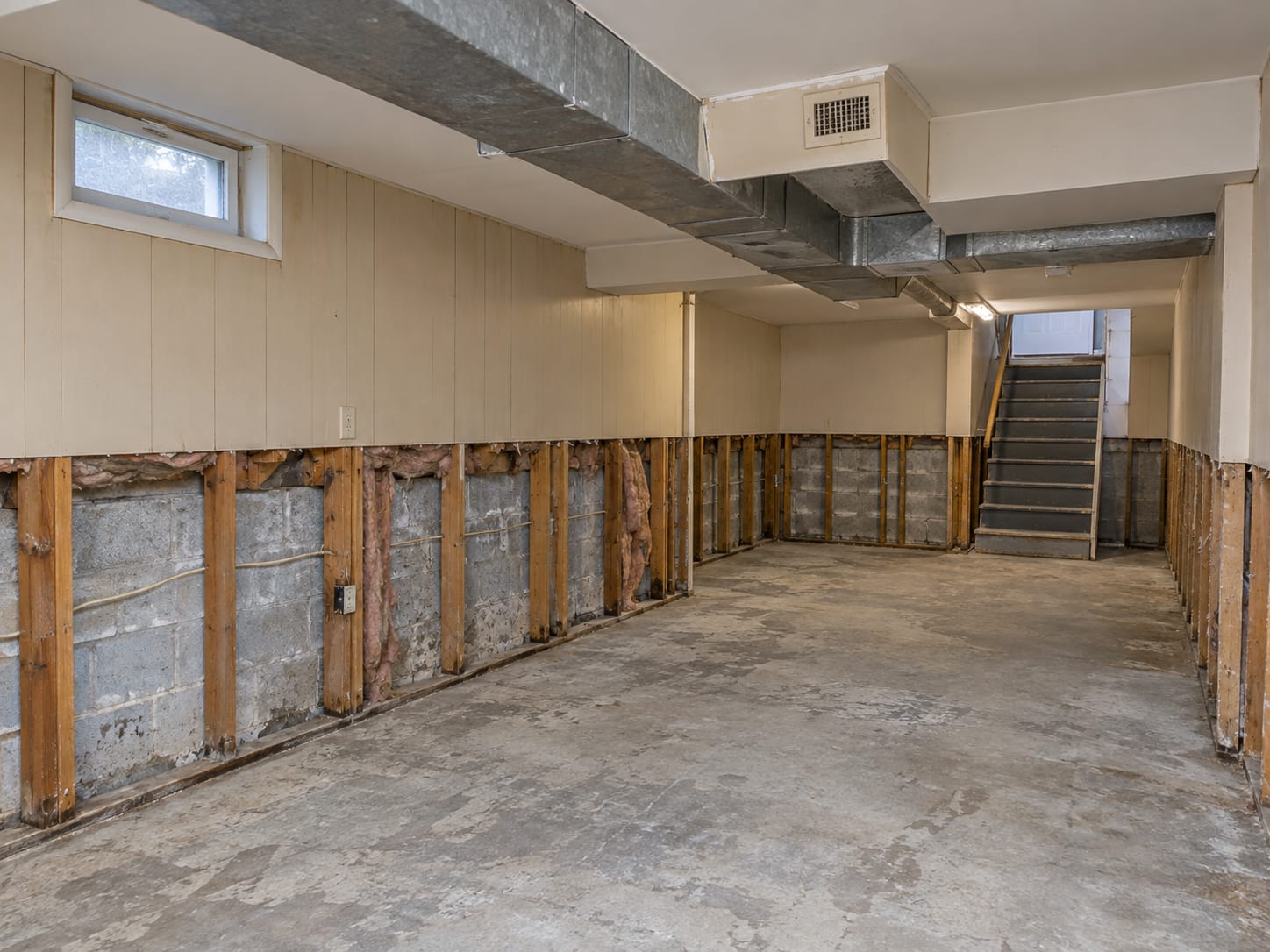
What should you do first when a Rocky Hill property is wet or has mold?
If water is actively entering, stop it if you can do so safely. Shut off the water supply if a pipe is leaking, and turn off power to any area with standing water before you step into it. Keep children and pets out of the space, and do not run a vacuum or a fan across visible growth, because that spreads spores through the house.
Move what you can to a dry area, take dated photos of the damage and the water level before anything is thrown away, and write down when you first noticed it. If you rely on Washington Street, County Route 518 or Montgomery Avenue to get around and a storm has affected road access, tell us that when you call so we can plan the visit.
Open windows only if the weather is dry. Otherwise run a dehumidifier if you have one, and leave wet drywall and carpet in place unless you are removing it with a plan, because pulling it out carelessly can spread growth. Call your insurance company early, and ask what they need from you before you begin cleanup.
Then call us. Tell us where the water is coming from, if you know, how long it has been wet, and what the room is made of. That gives us enough to tell you whether you are looking at drying, at removal, or at both. For an active problem, our emergency mold services and emergency water extraction are set up for exactly this call.
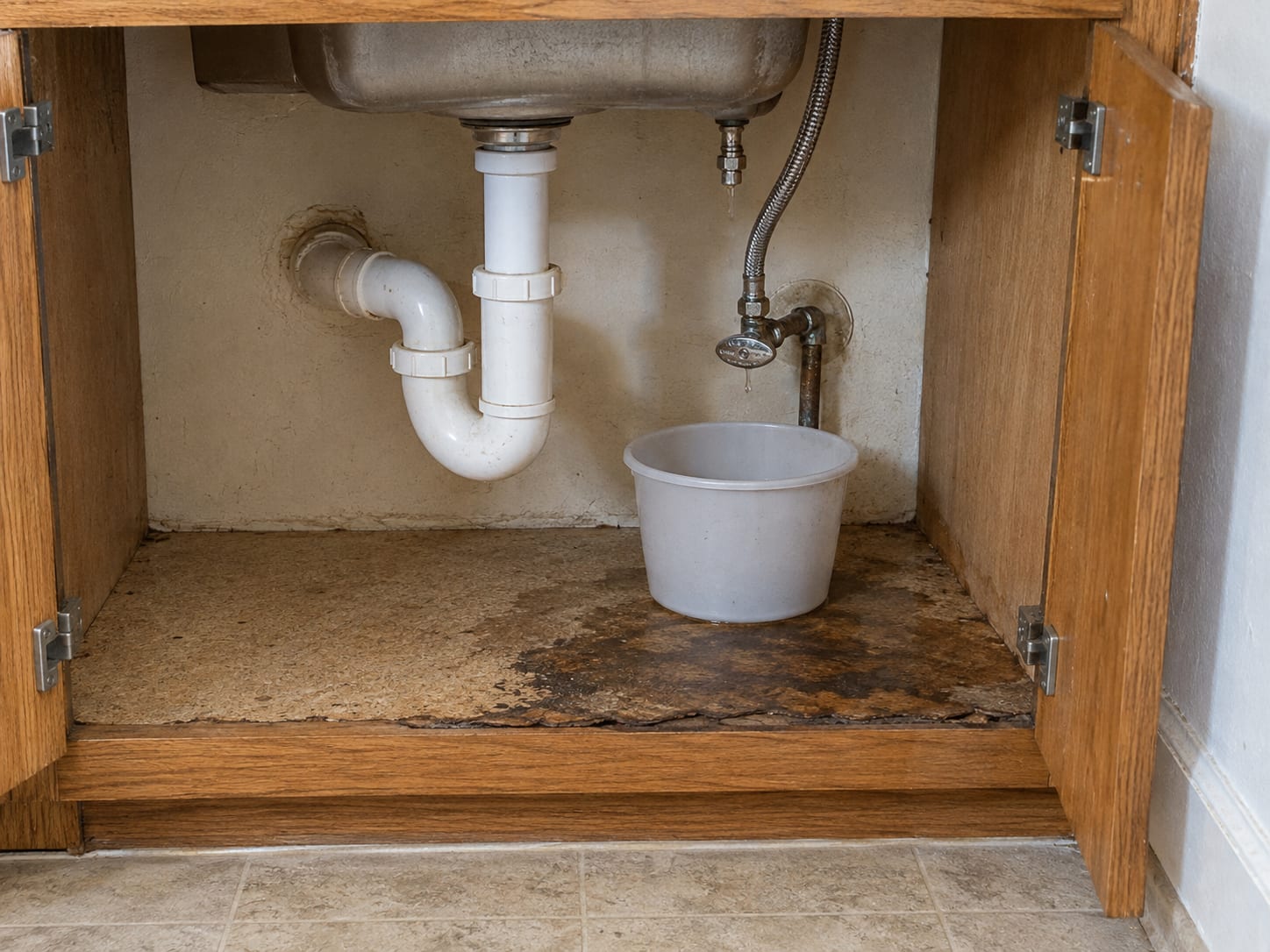
How can you prevent the next moisture problem in an older Rocky Hill house?
Prevention in Rocky Hill starts outside. Check that gutters are clear and that downspouts discharge well away from the foundation, particularly in the parts of the borough where the ground is wet. Regrade soft or settled areas next to the house so the ground slopes away, and check window wells for debris and drainage. If your property is near Van Horne Brook or on the eastern side near the Millstone River, ask the borough whether the property is in a flood area, and consider what you keep in the lowest level.
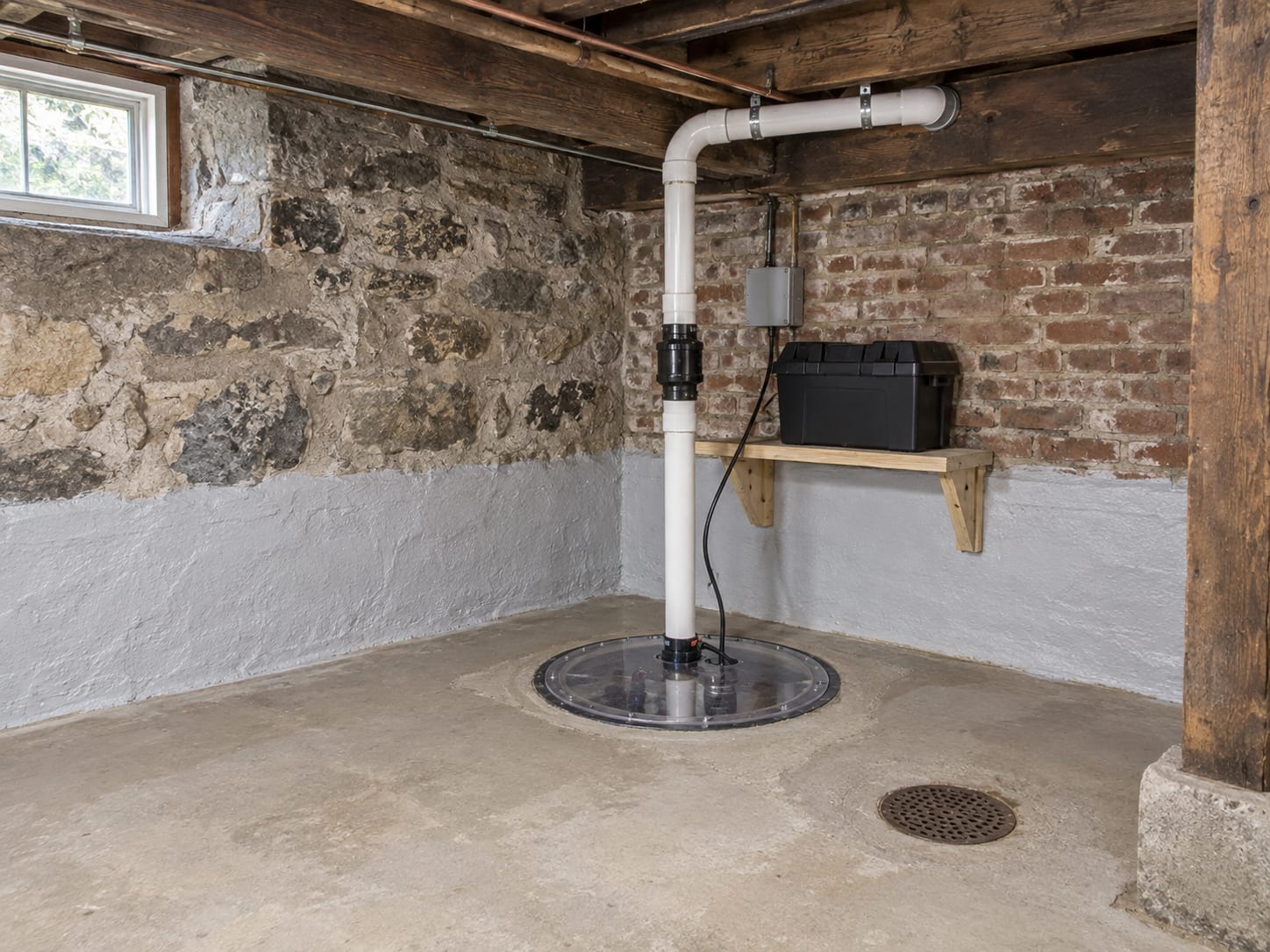
Inside, keep humidity in a lower level below the level at which growth thrives by running a dehumidifier during warm months and moving air through closed rooms. Store items off the floor on shelves, avoid storing paper and cardboard against exterior walls, and look behind furniture on outside walls once a season. Old supply lines, water heaters, washing machine hoses and sump pumps deserve a look every year, because in a house built before 1970 the plumbing is probably not original but may not be new either.
If your home is in the historic district, plan exterior repairs early, because review can add time. Roofs, flashing, windows and siding keep water out, and putting off a small fix while approval takes a few weeks often costs more later.
After a flood or a water event, dry the structure fully before rebuilding. A rebuilt wall over damp framing is the most common way a mold problem returns, and it is the reason our structural drying step comes before any repair work. If rebuilding is on your list, we handle post-mold remediation rebuild work as well, so drying, removal and repair stay under one plan.
Areas we serve in and around Rocky Hill, NJ
ExecPro Restoration & Cleaning works throughout Rocky Hill Borough, ZIP code 08553, including the Village Center around Washington Street, Crescent Avenue, Park Avenue, Reeve Road, Young Road, Merritt Lane, Montgomery Avenue, Princeton Avenue and Kingston or River Road, the Rocky Hill Historic District, the area around Van Horne Park, and the Delaware and Raritan Canal corridor along the borough's southern and eastern edge.
We also serve the communities around the borough, including Montgomery Township and Franklin Township, which border it, and nearby towns such as Princeton and Plainsboro. If you are near Borough Hall on Montgomery Avenue, the Mary Jacobs Library, Panicaro Park, Point Park, Borough Hall Park or the Rockingham State Historic Site, mention the landmark when you call and we will confirm the address quickly.
Frequently asked questions about mold remediation in Rocky Hill, NJ
The price depends on how much material is affected, what it is made of, how hard it is to reach, and whether the water source has been stopped. We look at the space and give you a written scope that separates removal, drying and repair, so you can compare it with your insurance estimate.
Talk to ExecPro Restoration & Cleaning about your Rocky Hill property
About Rocky Hill, NJ
Rocky Hill is a borough in the southern part of Somerset County, in the Raritan Valley, on about 0.6 square miles of land. The 2020 Census counted 743 residents. Montgomery Township surrounds most of the borough, and Franklin Township lies along its northeastern side. The housing is mostly single-family detached homes, and about 88 percent of it was built before 1970, according to the borough's adopted housing plan. That mix of historic village properties and later residential streets means a lot of older roofs, older plumbing and older foundations in a very small area, and many of the village properties sit in or near the Rocky Hill Historic District, where exterior repairs can involve added borough review.
Water in Rocky Hill comes from several directions at once. The Millstone River runs along the eastern side, Van Horne Brook and a tributary cross the borough, and the borough's planning documents identify wetlands near Princeton Avenue and along the brook. Flooding occasionally occurs along the Millstone River, affecting properties on the eastern side, and along Van Horne Brook, affecting properties beside it, and some Washington Street frontage properties are identified as being in flood plains. The borough requires a floodplain development permit or approval for applicable work in a flood hazard area, so if your property is near either waterway, ask the borough about your address before planning anything beyond cleanup and drying. Inside the house, check the lowest level, the foundation walls, the sump or drainage, and the mechanical equipment, because every property here is a separate case.
Neighborhoods We Serve in Rocky Hill
Around Rocky Hill
Do not see your neighborhood? We serve all of Rocky Hill and the surrounding area. Reach out and we will confirm coverage.