Mold Remediation in Kingston, NJ
Kingston sits between the Millstone River and the Delaware and Raritan Canal, with brooks and wetlands close by. ExecPro Restoration & Cleaning finds where the moisture comes from, removes the growth, and dries the building so it stays gone.
Mold Remediation Services in Kingston, NJ
Mold remediation in Kingston, NJ means three things done in order: fixing whatever is feeding the moisture, containing and removing the growth and the materials it has ruined, and drying the building until it reads dry. Kingston is a village on Route 27 that sits in two counties. The part in South Brunswick Township is in Middlesex County, and the part in Franklin Township is in Somerset County. Princeton is the closest neighbor, just across the Millstone River.
ExecPro Restoration & Cleaning handles all three steps for Kingston homes and commercial properties. If water is in the building right now, start with the next hour: shut off the water supply if a pipe is the source, cut power to a wet room if you can do it safely, and call us. If you are only seeing spots on a wall or smelling something musty, the sections below will help you decide what to do this week.
Why do Kingston properties get water and mold problems?
Kingston is a compact village with a lot of water around its edges. The Millstone River forms the western edge of the community, Carnegie Lake is part of the same river system near the Route 27 crossing, and the Delaware and Raritan Canal runs through the Kingston area. Heathcote Brook and Carters Brook are mapped waterways, and wetlands are mapped along the canal, the river and the brook corridors. A New Jersey Department of Transportation environmental assessment describes wetlands near the canal that flood mostly from backwater coming up the Millstone River and that also collect runoff from the fields next to them.
That does not make every Kingston basement wet. A property's risk depends on where it sits: on higher ground along Route 27, down toward the brooks, or near the canal and the old mill. Flood-zone designations differ from one parcel to the next, so check the mapping for your address through your municipality or the New Jersey Department of Environmental Protection mapping tools before you decide what a damp basement means for you.
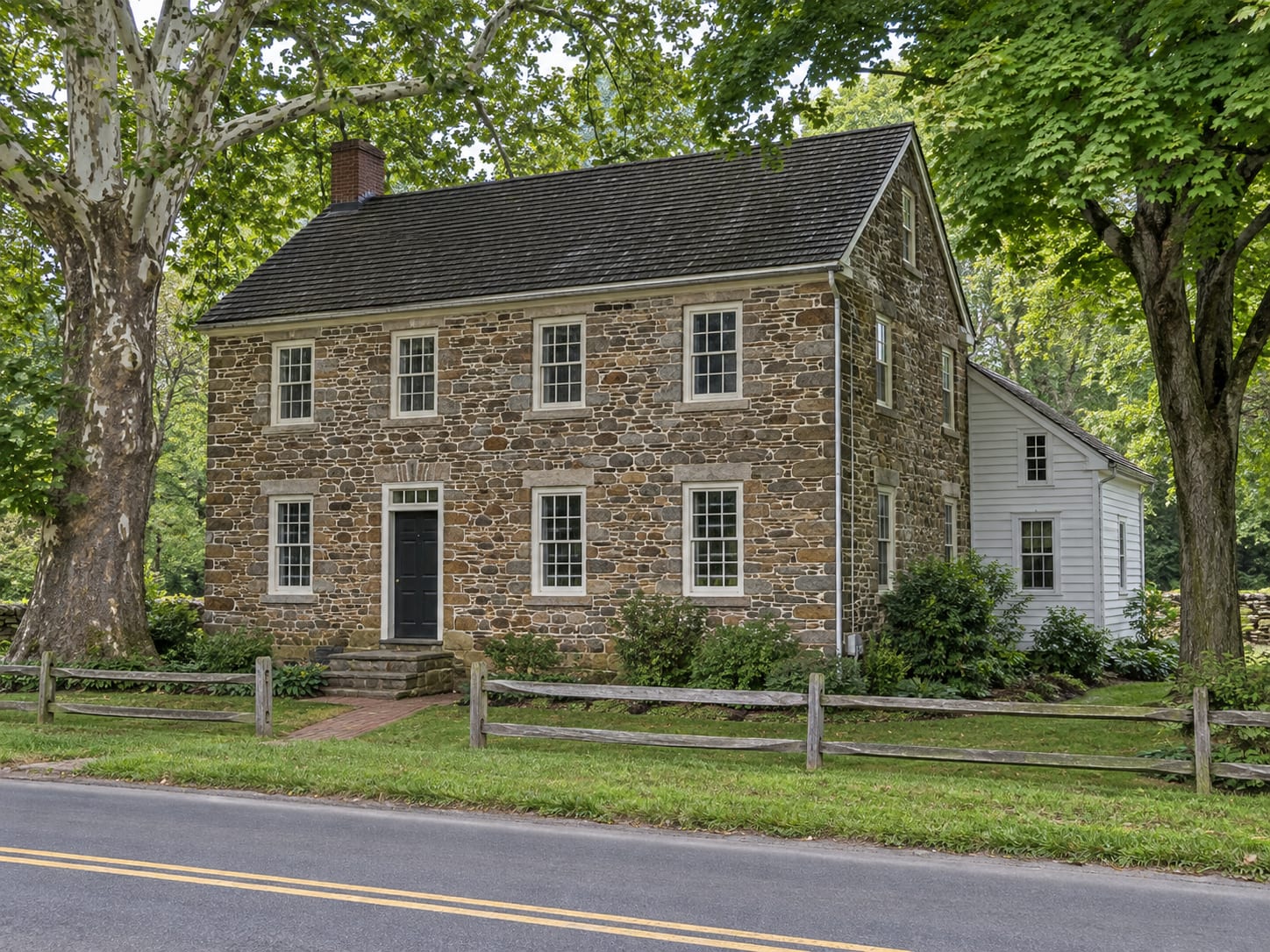
The other half of the story is the buildings. Kingston has a documented historic core of older homes, churches, commercial buildings, canal structures and mill properties, alongside more recent housing. The 2010 Census counted 692 housing units in the Kingston area, across the Middlesex and Somerset sides. Older masonry foundations, stone walls, wood framing and plaster hold moisture differently than a newer poured-concrete basement with drywall, and the repair plan changes with each.
What are the signs of mold or hidden moisture in a Kingston home?
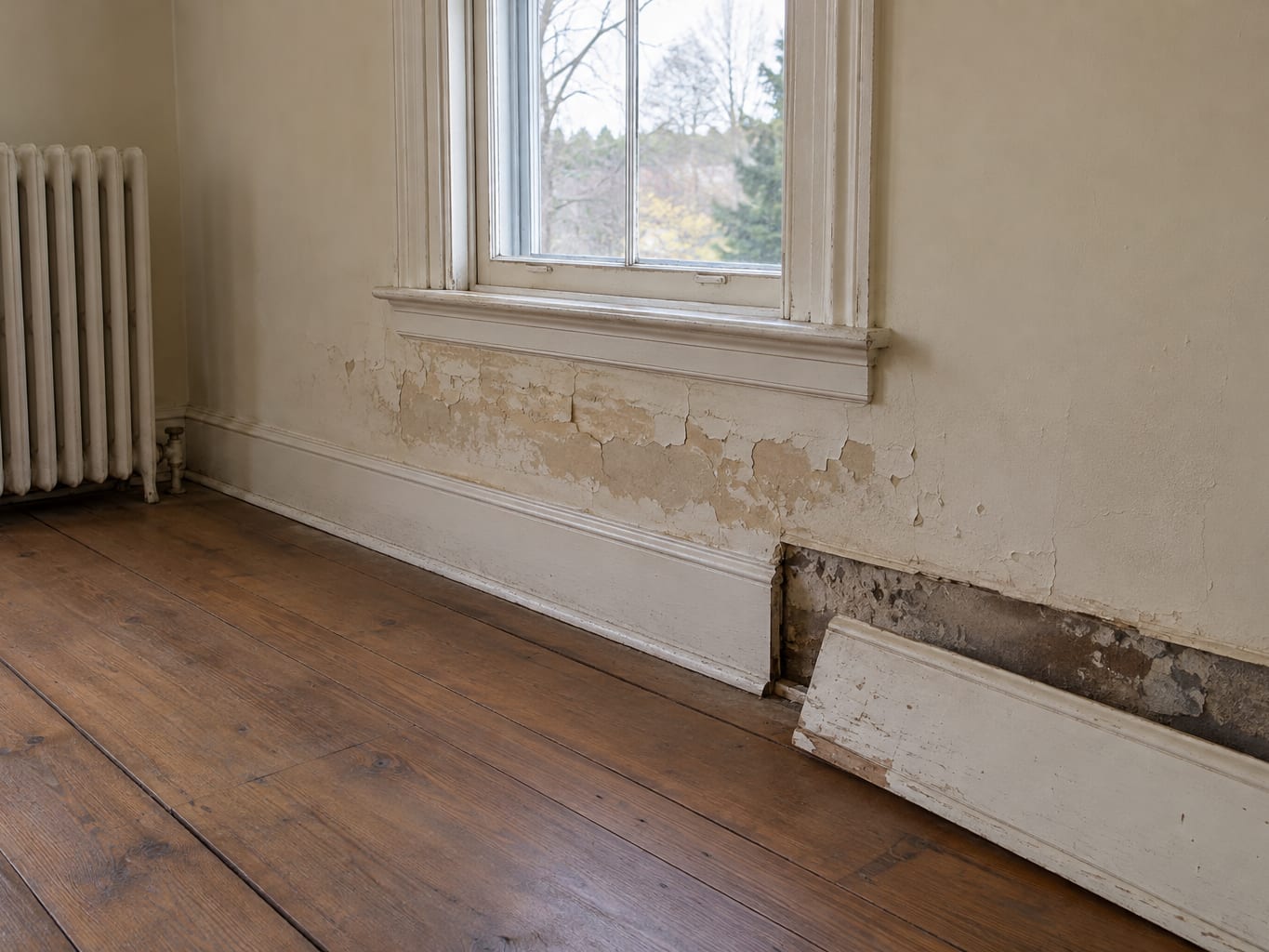
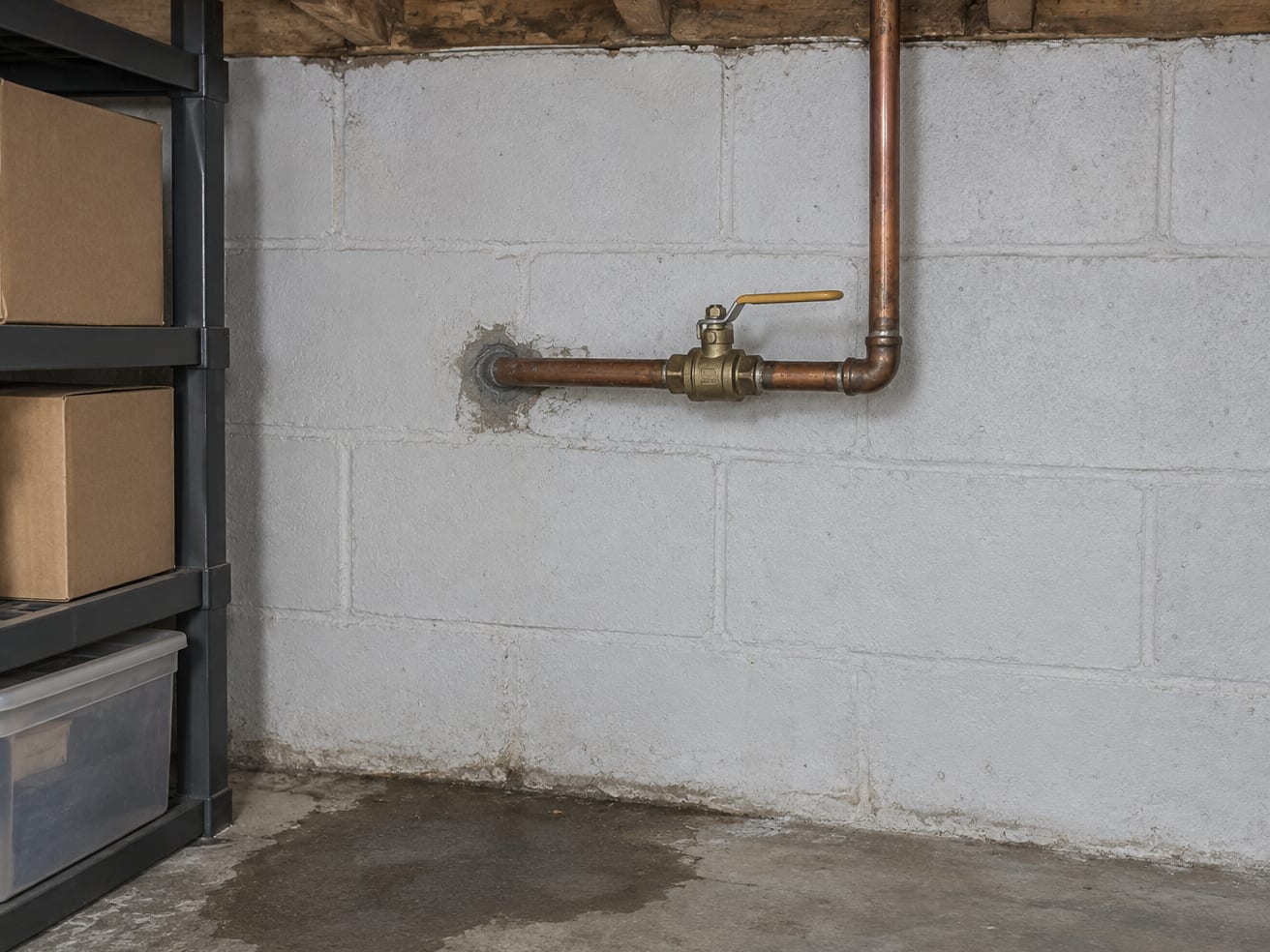
The earliest sign is usually a smell. A musty odor in a basement, a room over a crawl space, or a closet on an exterior wall means something is staying damp. Look next for staining on drywall paper or plaster, paint that bubbles or peels, baseboards that have swelled or lifted, and a white crusty deposit on masonry, which is left behind when water moves through stone or block and dries.
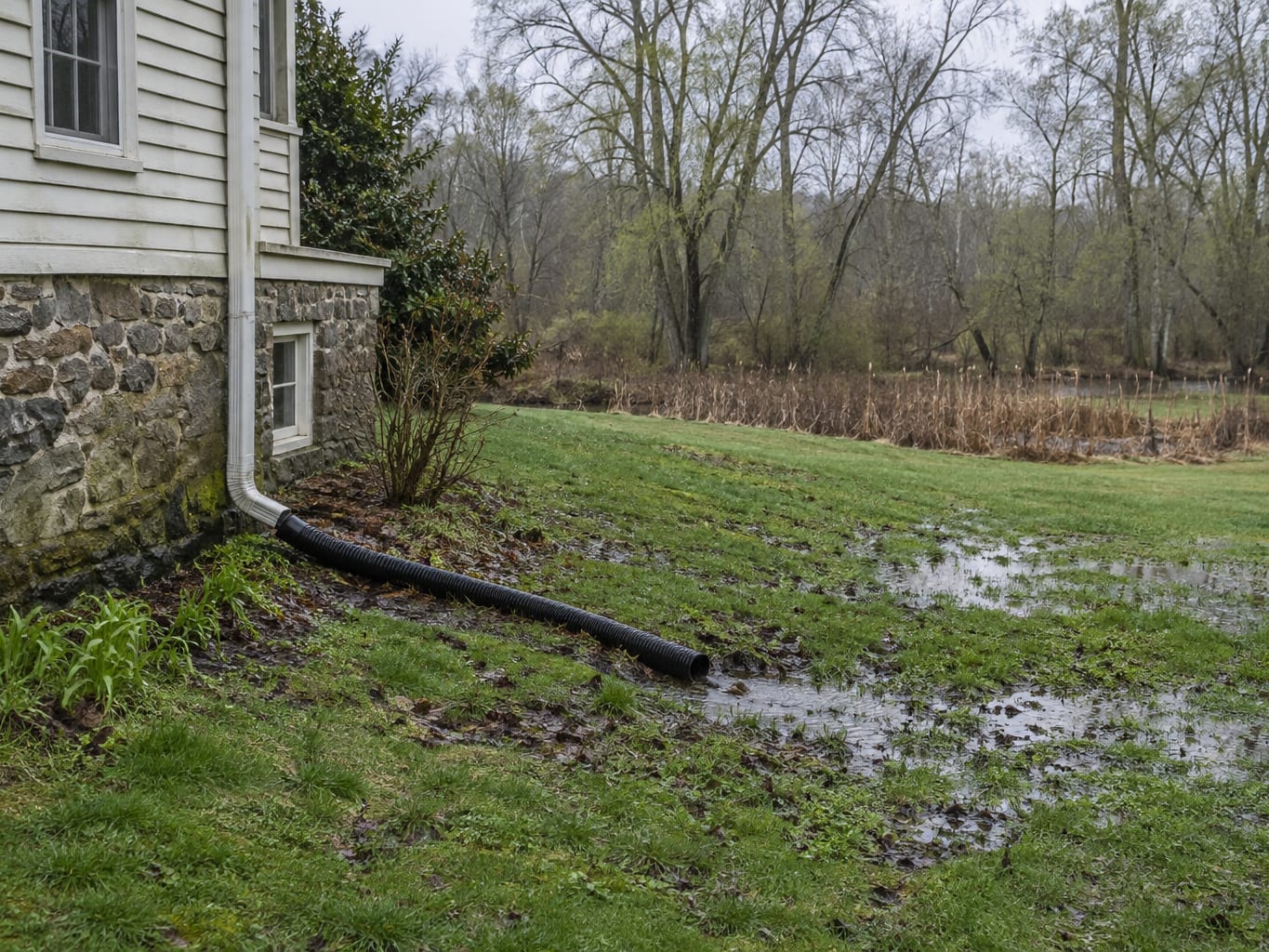
Then look for what feeds the moisture. Check under sinks and behind the washing machine for slow leaks, follow the downspouts outside to see where the roof water lands, and look at the ground next to the foundation after a heavy rain to see whether it slopes toward the house. In a village with brooks and a canal nearby, water that stays after the rain stops is a reason to look harder.
Color will not tell you what a growth is, since dark and green spots can both be mold, and a lab test does not change what has to happen: the moisture is stopped and the affected material is removed or cleaned. Testing is worth doing when you need documentation for an insurer, a buyer or a landlord, or when you want a clean result confirmed after the work. We can help you decide whether mold testing would change your plan or only add an expense.
How do the Millstone, the canal and Kingston's roads affect a mold job?
Water reaches Kingston buildings from several directions. Backwater can rise from the Millstone River into low ground and the wetlands near the canal. Runoff moves off fields and paved areas toward Heathcote Brook and Carters Brook. Roof water and grading problems add to it at the house itself. When we walk a property, we work out which of these applies, because the fix for a downspout that dumps at the foundation is different from the fix for a basement that fills from below.
Kingston's roads shape how a job is set up too. Route 27 runs through the village as Main Street, Princeton-Kingston Road, Kingston Road and the Lincoln Highway, depending on the stretch. Kingston-Rocky Hill Road (County Route 603) leads north toward Rocky Hill. River Road (County Route 605), Route 518 near the mill and canal area, Heathcote Road, Ridge Road, Academy Street, Mapleton Road and Raymond Road all feed the village, and U.S. Route 1 runs just east of it. On a narrow village street we plan where equipment parks and how it reaches the door before the crew arrives.
Open space is part of what you pass driving in. The Delaware and Raritan Canal State Park and the Kingston Locktender's House are here, along with Cook Natural Area, the John W. Flemer Preserve, the Mapleton Preserve and Heathcote Meadows Preserve. If your property backs onto one of them, pay extra attention to how water leaves your lot after heavy rain.
How do older village properties differ from newer Kingston homes?
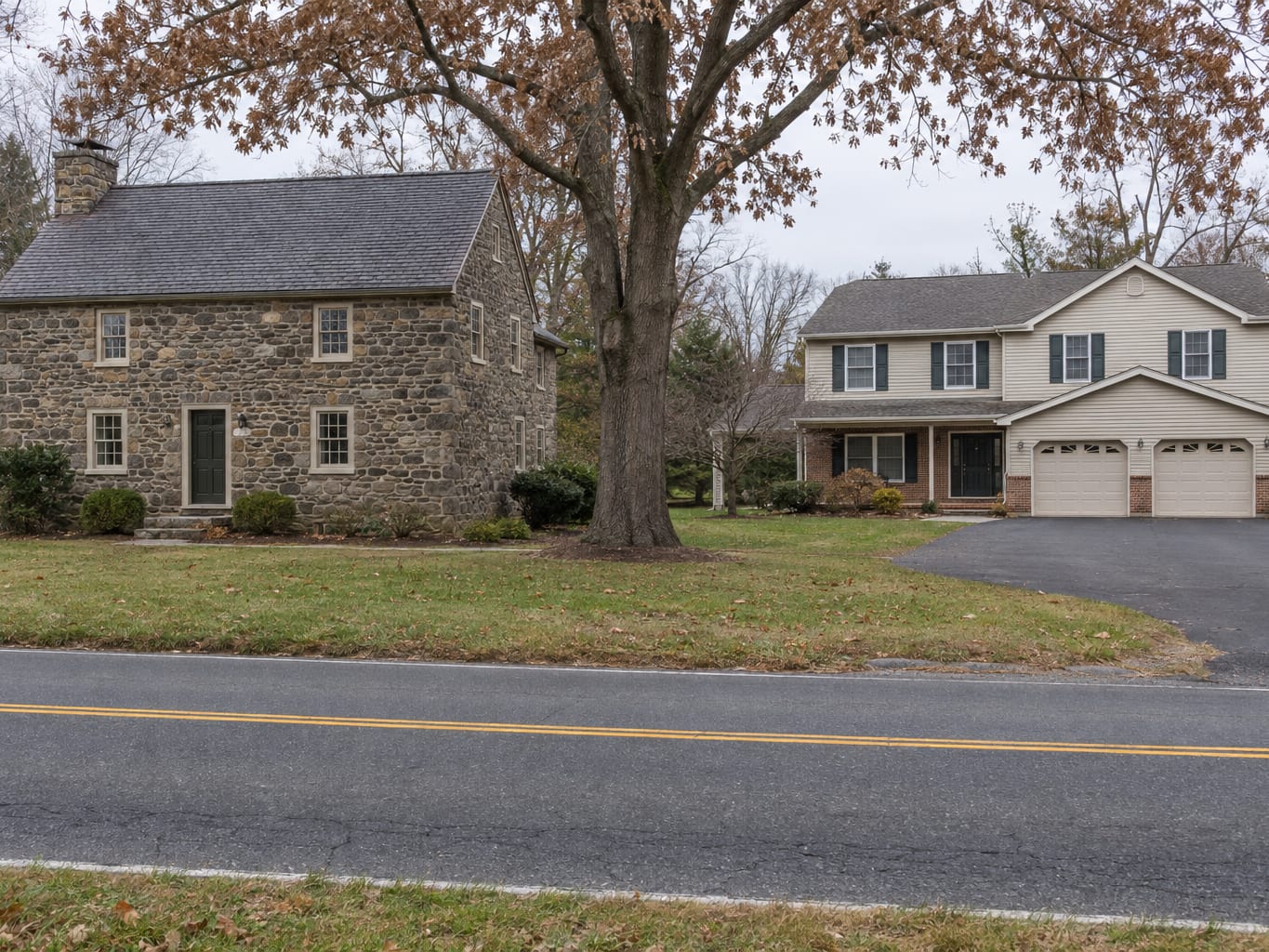
Kingston Village and Kingston Mill are both documented historic districts, and the Kingston Village Historic District includes stretches of Route 27, Laurel Avenue, Church Street, Heathcote Brook Road and Academy Street. Buildings in that core were put up long before modern moisture barriers, so stone or brick foundations, older wood framing and lath and plaster are common. Plaster and old lumber can often be dried and cleaned rather than torn out, but only when the moisture has been stopped and the material reads dry. A moisture survey tells us which is which, so we do not remove more than a job needs.
If your property is inside a historic district, confirm with your township before planning any rebuild that changes the outside of the building. Which office to call depends on which side of Kingston you are on: Franklin Township in Somerset County or South Brunswick Township in Middlesex County. The drying and mold removal usually come first, and the rebuild questions can wait until the building is dry.
Newer Kingston homes have their own weak points: a finished basement over a foundation that seeps, a bathroom fan that vents into an attic, a supply line behind a kitchen wall. The lesson is the same for both. Repeat problems come from a source that was never fixed. Look at gutters and downspouts every fall, keep the soil sloped away from the foundation, run a dehumidifier in a lower level that stays damp in summer, and act on a musty smell in the first week instead of the first season.
What mold and water services do we offer Kingston property owners?
Most Kingston calls involve more than one of these services, so we scope the whole job in one visit.
Mold Inspection
A visual and moisture inspection to trace growth back to its source, including the lowest level and how the lot drains. Start with a mold inspection when you are not sure what you have.
Basement Mold Remediation
Containment, removal of affected drywall or trim, cleaning of masonry and framing, and drying for the lowest level of a Kingston house. See how basement mold remediation works from the first visit.
Crawl Space Mold Remediation
For older houses with a crawl space under part of the floor, we clean the space and fix the moisture path. Read about crawl space mold remediation and what gets done.
Emergency Mold Removal
When growth appears after a leak or flood and cannot wait, our emergency mold removal service starts containment and removal quickly.
Water Damage Restoration
Extraction, drying and cleanup after a pipe, appliance, roof or flood event. Stopping the water early is the best way to prevent mold, and our water damage restoration work is built around that.
Basement Drying
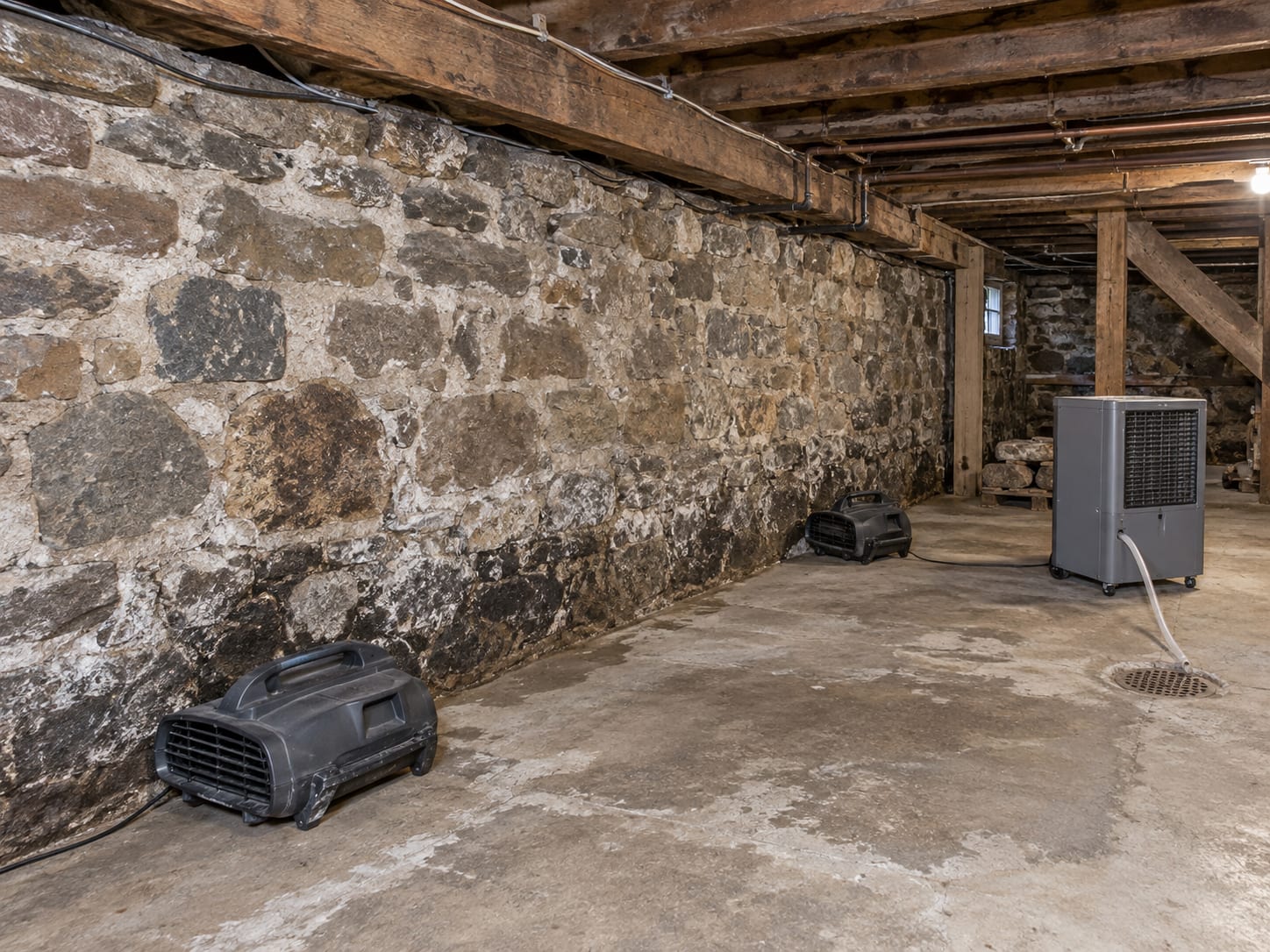
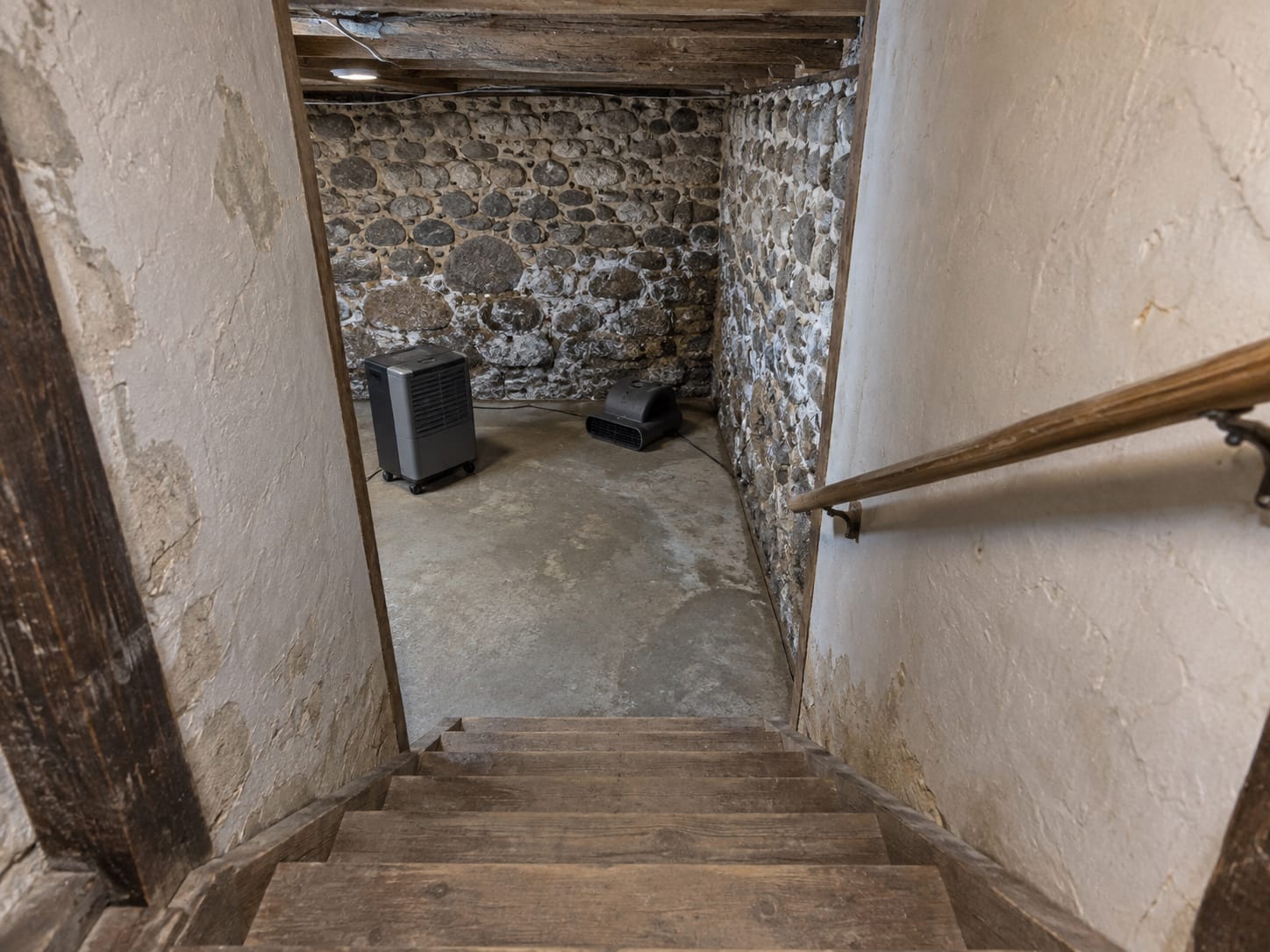
Fans, dehumidifiers and moisture monitoring for a wet lower level near brooks and wetlands. Read about basement drying before you decide what to keep.
Post-Remediation Verification
Confirmation that the area is clean and dry once the work is done. If you need a clean result on paper for an insurer or a buyer, ask about post-remediation verification.
Rebuild After the Work
Drywall, trim, flooring and paint after remediation, so the room returns to use. Our build-back team handles the repair side.
What happens during mold remediation in a Kingston building?
Every job follows the same order, whether it is a village house or a commercial space off Route 27.
Look at the whole building and find the source
We take moisture readings, check the lowest level, the walls and the outside grading, and identify what is supplying the water. You get the scope in writing before anything is removed.
Contain the work area
Plastic barriers and negative air keep spores from moving into the rest of the house while work is under way. This matters most in a compact older home where rooms open onto each other.
Remove what cannot be saved and clean what can
Wet or growth-covered drywall, insulation and carpet come out. Framing, masonry and other solid materials are cleaned, followed by HEPA vacuuming, which uses a filter fine enough to catch mold spores.
Dry the structure
Air movers and dehumidifiers run until readings show the materials are dry. Closing up a damp wall is how mold returns, so we do not rebuild until the numbers say it is time.
Fix the cause and confirm the result
We point out the repair the property needs, such as regrading, a downspout extension or a plumbing fix. If you want clean results documented, we can arrange verification.
What can you safely do before we arrive?
You can do a fair amount. Stop the source if you can find it, whether that means turning off a valve or moving a downspout. Move furniture, boxes and anything you can lift out of the wet area, and wear gloves and a well-fitted N95 mask if you disturb a musty space. Take photos of the damage and the source before anything is changed, since your insurer will want them.
Leave a few things alone. Do not scrub visible growth with bleach, because it moves spores around and does not dry the wall behind it. Do not run a fan in a room with growth, because it spreads spores through the house. Do not cut into a wall to see what is behind it, and do not paint over staining. All of that makes the job larger and harder to document. If insurance may be involved, call us before you throw out damaged materials, and read about our insurance restoration services so you know what paperwork helps.
How much does mold remediation cost in Kingston, NJ?
The number depends on the job, and we do not quote one before we have seen the building. Six things set the price: how much material is affected, what that material is, whether the water source is fixed or still running, how hard it is to reach the work area, how long drying takes, and how much you want rebuilt afterward.
In Kingston, the material question matters more than usual. Removing a wet section of modern drywall costs less than working around plaster and old framing in a historic-core house, where careful cleaning and drying replaces demolition. Access matters too, since a narrow village street or a stairway into a stone-walled cellar affects how equipment gets in. A small, recent leak that we can dry quickly costs much less than a basement that flooded and sat for weeks.
If a covered event caused the damage, such as a sudden pipe break, your policy may pay for part of it, and we work to your insurer's documentation requirements. Ask us for a written scope so you can compare it with any other estimate line by line.
Where do we work in and around Kingston, NJ?
We serve the whole Kingston community, including the Kingston Village and Kingston Mill areas, the Kingston Lock area near the canal, and the streets around Laurel Avenue, Church Street, Heathcote Brook Road, Academy Street and Mapleton Road. Kingston mail uses ZIP code 08528, and a few addresses on the Princeton side use 08540, so confirm yours by street address. Kingston is a village, not a town of its own, so your township is South Brunswick or Franklin depending on where your property falls.
Nearby communities include East Rocky Hill and Heathcote, and Princeton lies across the Millstone River to the west. We also serve New Brunswick, Rocky Hill, and the wider service area across central New Jersey.
Kingston mold remediation questions
Kingston is split. The part in South Brunswick Township is in Middlesex County, and the part in Franklin Township is in Somerset County. Your tax bill or your municipal parcel map shows which applies, and that decides which local office you contact for permits.
Talk to ExecPro Restoration & Cleaning about your Kingston property
Tell us what you see, where the water is coming from, and which side of Kingston you are on. We will confirm access, the affected level of the building, and the next step. Call (888) 300-3772 or email hello@execprorc.com, or send us a message through the contact page.
About Kingston, NJ
Kingston is a village on Route 27 with no municipal government of its own. The part in South Brunswick Township is in Middlesex County and the part in Franklin Township is in Somerset County, so your township and the office you call for permits depend on which side of the village your property sits. The Census counted 692 housing units here in 2010, and the mix runs from a documented historic core to newer housing. Kingston Village and Kingston Mill are listed historic districts, with older homes, churches, commercial buildings, canal structures and mill properties along Route 27, Laurel Avenue, Church Street, Heathcote Brook Road and Academy Street. Stone and brick foundations, older framing and plaster hold moisture differently than newer basements, so what to keep and what to replace is decided wall by wall.
Water is the local fact. The Millstone River forms the western edge of the village, Carnegie Lake sits on the same river system near the Route 27 crossing, the Delaware and Raritan Canal runs through, and Heathcote Brook and Carters Brook add runoff paths, with wetlands mapped along the canal, river and brook corridors. A state transportation assessment describes wetlands near the canal that flood mainly from Millstone backwater and also collect runoff from adjoining fields. Exposure varies by parcel, so check flood-zone and wetland mapping for your address, look at how your gutters, downspouts and grading move water away from the foundation, and act on a musty smell early in a house that sits low or near the water.
Neighborhoods We Serve in Kingston
Around Kingston
- Delaware and Raritan Canal State Park
- Kingston Locktender's House
- Carnegie Lake
- Cook Natural Area
- John W. Flemer Preserve
- Mapleton Preserve
- Heathcote Meadows Preserve
- Heathcote Park
- Kingston Presbyterian Church
- Kingston United Methodist Church
- Kingston Cemetery
- Kingston Volunteer Fire Company
- Princeton
- East Rocky Hill
- Heathcote
- Rocky Hill
Do not see your neighborhood? We serve all of Kingston and the surrounding area. Reach out and we will confirm coverage.