Mold Remediation in Monroe, NJ
Monroe Township, in southern Middlesex County, is a large suburb of single-family homes, townhomes and age-restricted communities, with brooks and lakes running through it. ExecPro Restoration & Cleaning handles mold removal in Monroe Township, Middlesex County: we find the water behind the growth, remove what mold has damaged, and dry the building.
Mold Remediation in Monroe, NJ
Mold removal and remediation in Monroe means tracing the moisture that fed the growth, sealing off the affected area, removing the damaged material, and drying the structure so it stays dry. Monroe Township covers about 42 square miles of southern Middlesex County, from the Turnpike at Exit 8A on its western edge to the Manalapan Brook side of town, with Cranbury, Spotswood and Jamesburg on its borders. If you can see or smell growth right now, shut off any water you can control, keep the room closed, and call ExecPro Restoration & Cleaning at (888) 300-3772. We can tell you what to do before anyone arrives.
Which Monroe Township is this?
This page is for Monroe Township in Middlesex County, central New Jersey, ZIP code 08831. It is the Monroe next to Jamesburg, Cranbury, Spotswood and East Brunswick, not the Monroe Township in Gloucester County in South Jersey. Give us your street address when you call and we will confirm we cover it.
Why does a Monroe home need its own moisture assessment?
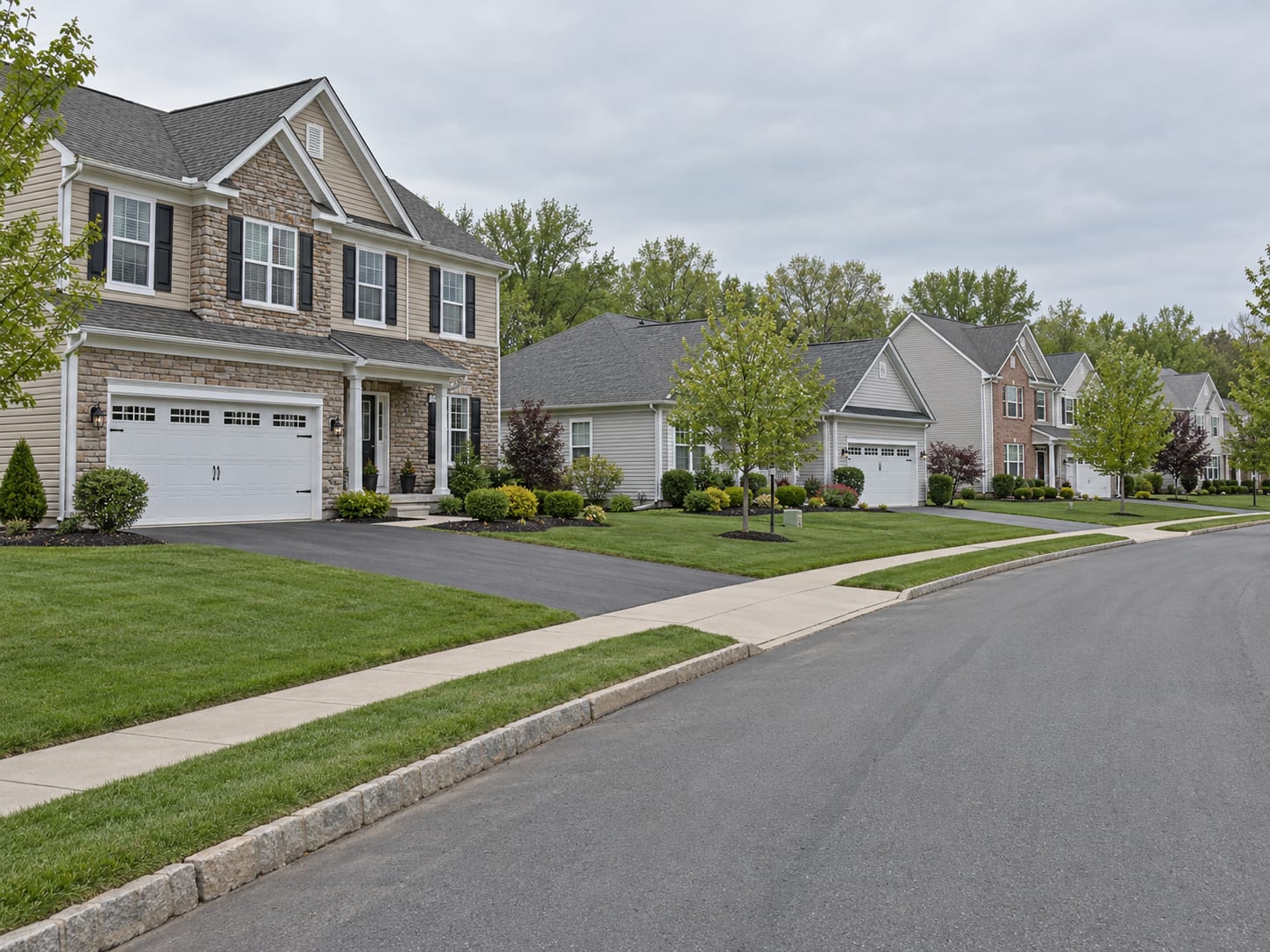
Monroe's housing varies a lot from one street to the next. The 2020 Census counted 48,594 residents, and the township's 2025 Housing Element lists 22,598 housing units, about 63 percent of them detached single-family homes and about 27 percent attached single-family homes such as townhouses. The median home was built in 1994, and more than half of the housing went up after 1990. The biggest single stretch of building was 2000 to 2009, when about 5,300 units were added.
The township's zoning allows detached homes, patio homes, townhomes, duplexes and age-restricted housing, so a leak in one Monroe house rarely looks like a leak in the next. An older detached house, a townhouse built in the 2000s and a patio home in an age-restricted community have different roofs, different plumbing runs and different ways for water to get in and out. The first job is a walk through your own building: lower level, attic, plumbing walls, the air handler and the ground around the foundation.
Nearly nine in ten Monroe homes are owner-occupied, so most of the people who call us are deciding for themselves what to do first. We try to make that easier by telling you what we see, where the water is coming from, and what each step would involve.
What are the signs of moisture trouble in Monroe houses and communities?
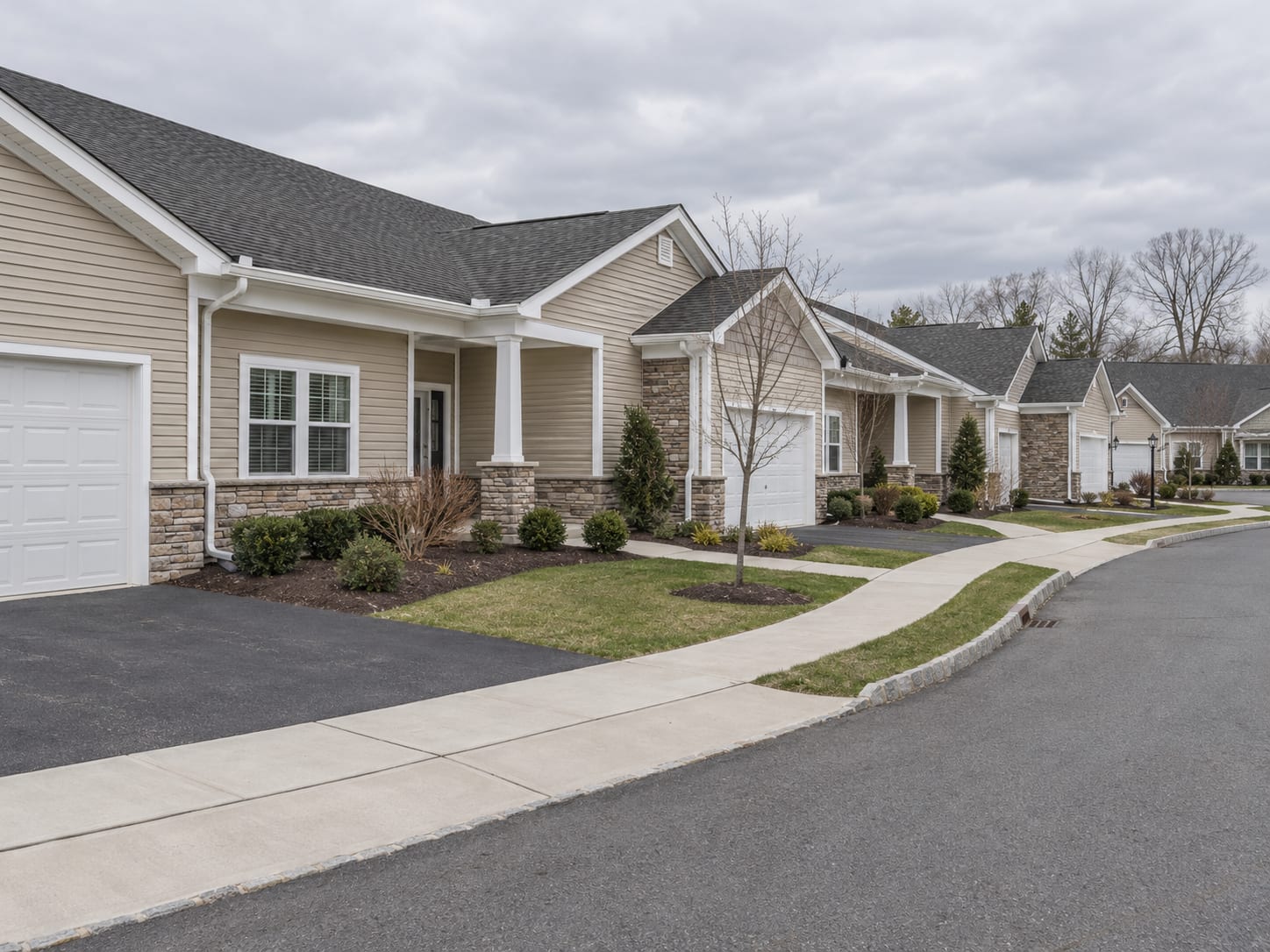
In Monroe's large planned and age-restricted communities, such as Clearbrook, Concordia, Whittingham, Rossmoor, Renaissance and Encore, water can also come from a neighbor's unit or a shared line. If you live in an attached home, tell your management office about a leak as soon as you find it, and photograph the damage before anything is cleaned up.
A musty smell in a lower level or closet
An odor that comes back after you air a room out usually means something behind a wall or under a floor is still damp. In a finished basement or a sump pump room, check the base of the walls and the carpet edges.
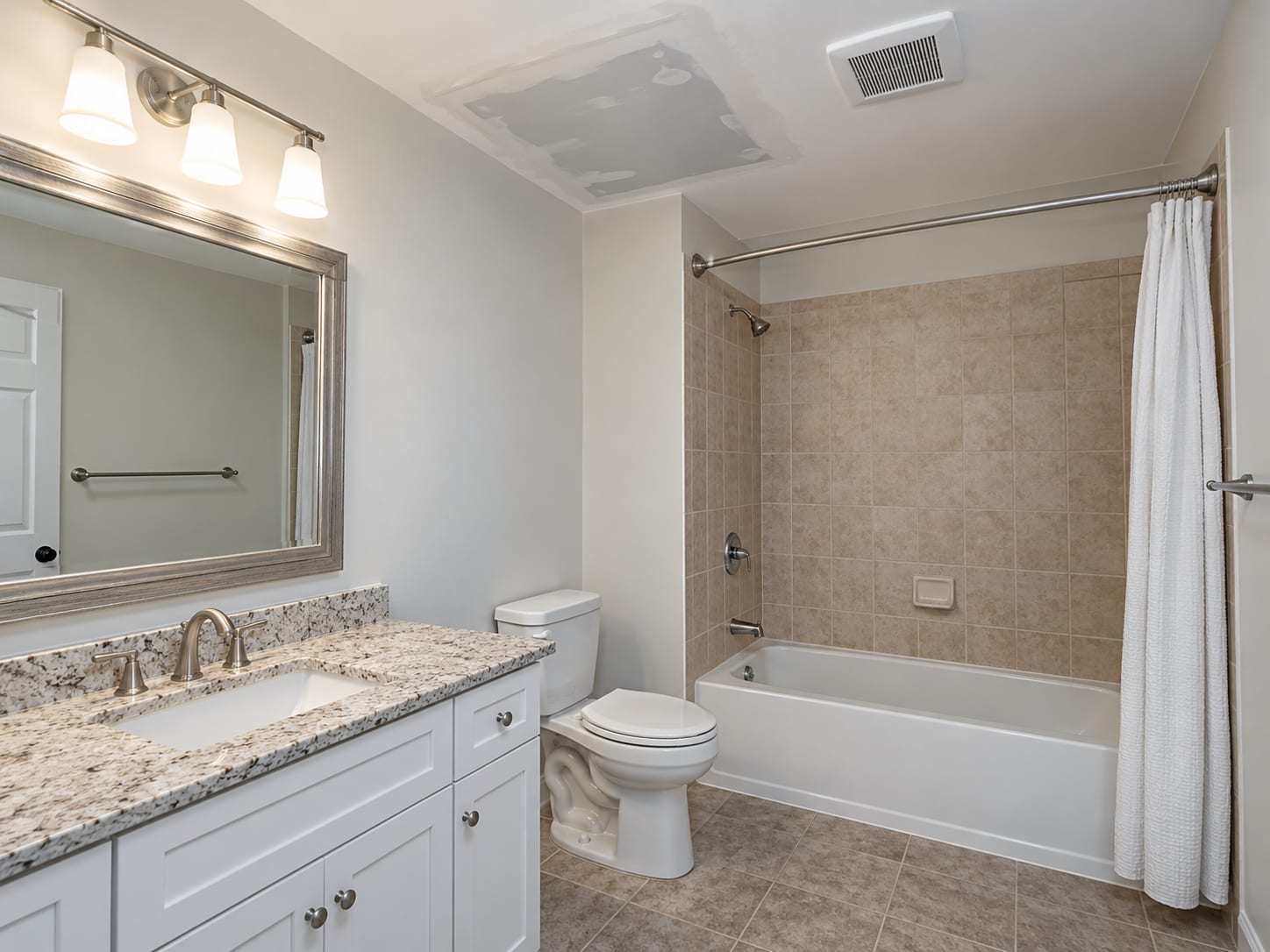
Stains or soft spots in a bathroom, garage or ceiling
Hidden plumbing tends to show up first in a bathroom, a garage wall or the ceiling below a bathroom. Soft drywall, or a stain that grows between rain events, points to a supply line or a drain.
Damp roof sheathing or a stuffy attic
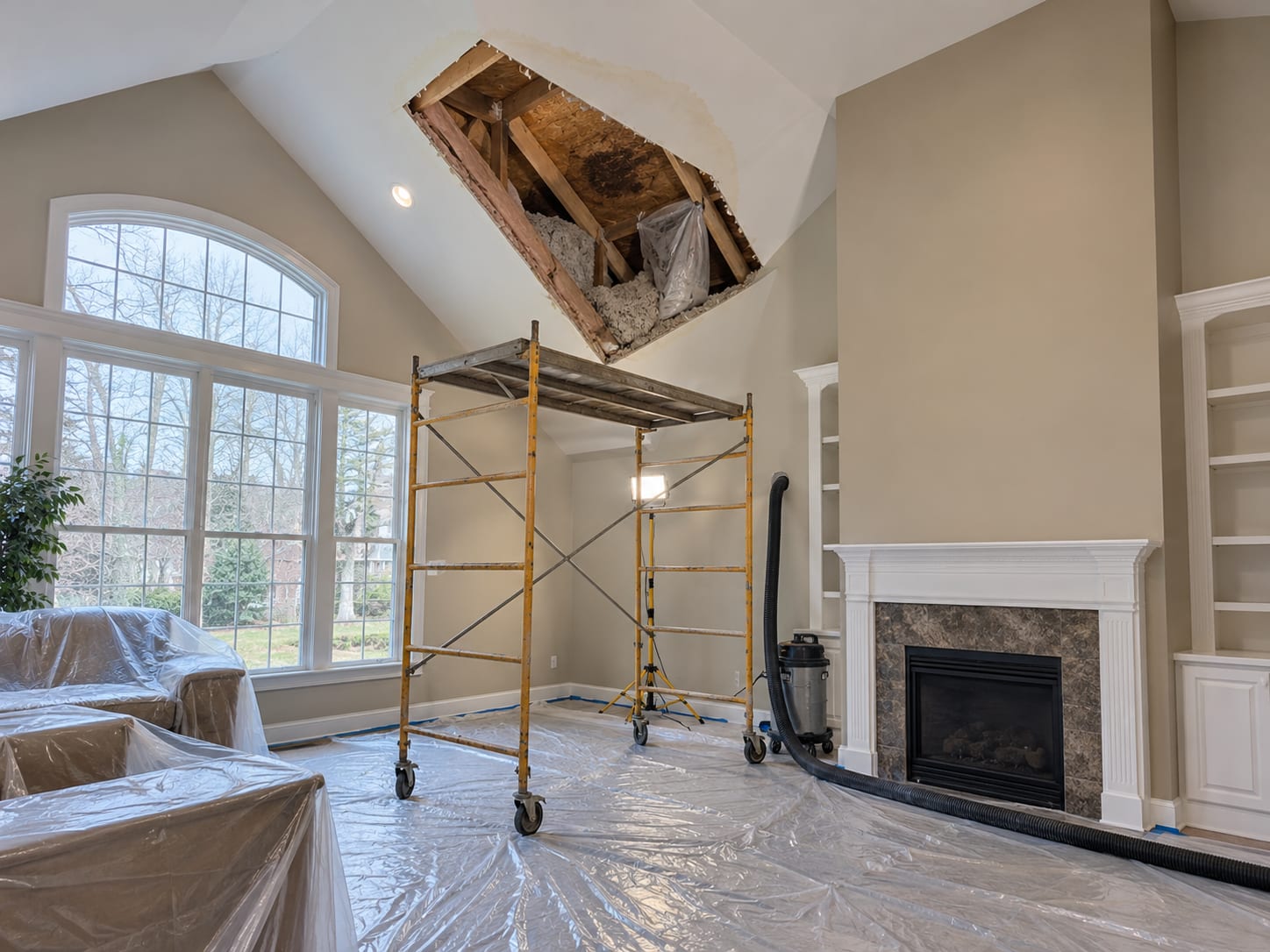
Dark patches on the underside of roof boards, or insulation that is wet or flattened, mean water or humid air is getting into the attic. Ventilation and roof flashing are the usual places to look.
Wet or dark insulation on pipes
Insulated pipes in a crawl space, garage or utility room can hide a slow drip. When the insulation is wet or stained, the pipe underneath needs to be checked.
Water after heavy rain or a stream overflow
Water at the base of a foundation wall after a storm means the drainage outside is not moving water away from the house. Note where it enters, because that spot decides the repair.
How does mold remediation work in a Monroe home?
Basements, attics, crawl spaces, bathrooms and HVAC systems each call for a different approach. If the growth is in one of those places, see our pages on basement mold remediation, attic mold remediation and crawl space mold remediation. Once the work is done, post-remediation verification can confirm the area is clear.
Scroll the steps sideways to follow the full process.
What changes the scope and cost of mold remediation in Monroe?
Price follows the damage, not the town. The main things that set it are how much area is affected, which materials are involved, how easy the space is to reach, how much containment is needed, and how much rebuilding follows. A patch on a bathroom ceiling and a wet lower level with wall cavities to open are very different jobs.
Monroe adds a few details. In an attached home or age-restricted community, work may need coordination with a management office, shared walls and access schedules. In a house near a brook, the moisture source may be outside the building, and drying can take longer if groundwater is involved. A larger layout with more rooms to check simply takes more time to inspect.
We look at the property first, then explain the scope and the price before work starts. If you are comparing bids, ask each contractor what is being removed, what is being dried, and what is being rebuilt, so you are comparing the same job. If you have an insurance claim, our insurance restoration services team can document the damage with photos and moisture readings.
What are the mold laws in New Jersey, and what applies to a Monroe home?
Which rules matter depends on whether you own, rent or are buying, and the useful move is to ask the right office before work starts. Here is what to do in each position.
- Owner repairing a home: Monroe asks owners and contractors to apply for permits before a structure is repaired, renovated, altered or reconstructed, and floodplain review can apply to a lot near one of the township's mapped waterways. Call the township construction office before walls, framing or a finished lower level are rebuilt, and the floodplain administrator at Municipal Plaza if your lot is near a brook. - Tenant: put the problem in writing to your landlord or property manager, photograph it with dates, and contact the local health or code office if nothing happens. In one of Monroe's age-restricted or attached-home communities, tell the management office as well, since the leak may come from a shared line or roof. - Buyer or seller: bring your attorney and your real estate agent into any mold question early. They can tell you what disclosure and inspection rules apply to your sale. A pre-purchase mold inspection shows what is behind a finished wall before closing.
Whatever your position, a written scope of the work, moisture readings and photos give everyone the same facts to work from. We provide those with every job, and post-remediation verification adds a check at the end.
Can you be sued for selling a Monroe house with mold?
Deal with known mold before the listing, and tell your attorney and your agent about it so they can advise you on what to disclose. Do not paint over stains or seal a damp wall to hide it; the moisture is still behind it and it shows up again.
Documents help a sale go smoothly. After the work, keep the written scope of what was removed, the dated photos, the moisture readings that show the structure dried, and any clearance results. Monroe has about 63 percent detached homes and about 27 percent attached homes, with a median build year of 1994, so many sellers here have a basement, an attic or a bathroom wall that a buyer's inspector will open. A seller who has already traced and fixed the water source, and can hand over that paperwork, is in a stronger position than one who has not. If your home is in an age-restricted or planned community, ask your management office what it requires for a sale. We can walk the house, trace the moisture and give you a record you can share with your attorney and agent. Call (888) 300-3772.
What should you do after a leak, a flood or a musty smell in Monroe?
Start by stopping the water. Shut off the supply to a leaking fixture, move a downspout away from the house, or turn off the breaker to a flooded area if you can reach it safely. Then take dated photos of the damage before you clean, and open windows or run a dehumidifier in the room.
Keep household fans away from visible growth, because they spread spores. Leave stained drywall unpainted and unsealed; the moisture is still behind it. And if the water came from a sewage backup or floodwater, keep children and pets out of the area and call us before you start cleanup.
For an active leak or flood, our emergency mold services, 24-hour water damage response and emergency water extraction are set up for exactly this moment. If you are unsure what you are looking at, mold testing can help you decide whether a sample would change your next step.
Do Monroe's brooks, flood maps and permits affect the work?
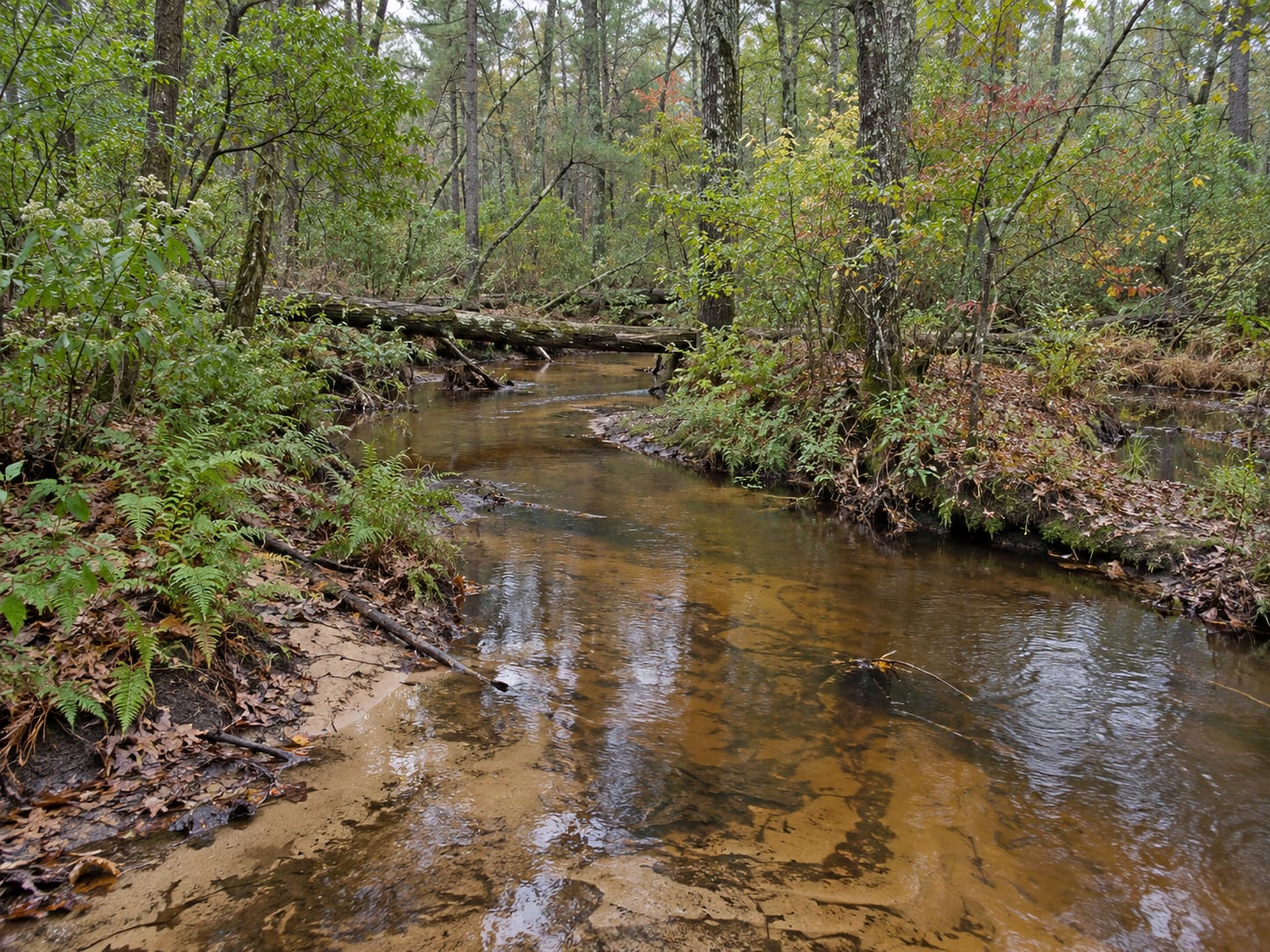
They can. Monroe's 2022 floodplain ordinance names a long list of waterways, including the Millstone River, Manalapan Brook, Matchaponix Brook, Wigwam Brook, Cranbury Brook, Cedar Brook, Clear Brook, Barclay Brook and Pine Brook, along with Manalapan Lake and Etra Lake. The ordinance says FEMA has identified special flood hazard areas in the township, and that New Jersey's own regulated flood-hazard area can be wider or narrower than the FEMA mapping. The township also takes groundwater flooding into account.
In practice, a property's flood status depends on the address. If your home is near one of those waterways, ask the township's floodplain administrator at Municipal Plaza whether the lot falls in a mapped area before you start repairs or rebuilding. Floodplain review can apply to repairs, alterations, reconstruction and substantial improvements, and sometimes to work that looks minor.
Monroe's construction office asks owners and contractors to apply for permits before a structure is repaired, renovated, altered or reconstructed. When mold work leads to opening walls, replacing framing or rebuilding a lower level, check with the township first about what needs a permit, and we will plan our work around that timing.
Which parts of Monroe do we serve?
We work in the township's named communities, including Clearbrook, Concordia, Encore at Monroe, Greenbriar at Whittingham, The Ponds, Regency at Monroe, Renaissance at Monroe, Rossmoor, Stonebridge, Union Valley, Whittingham and Monroe Village. Union Valley is an unincorporated community inside the township, and the others are the districts and developments residents use to say where they live.
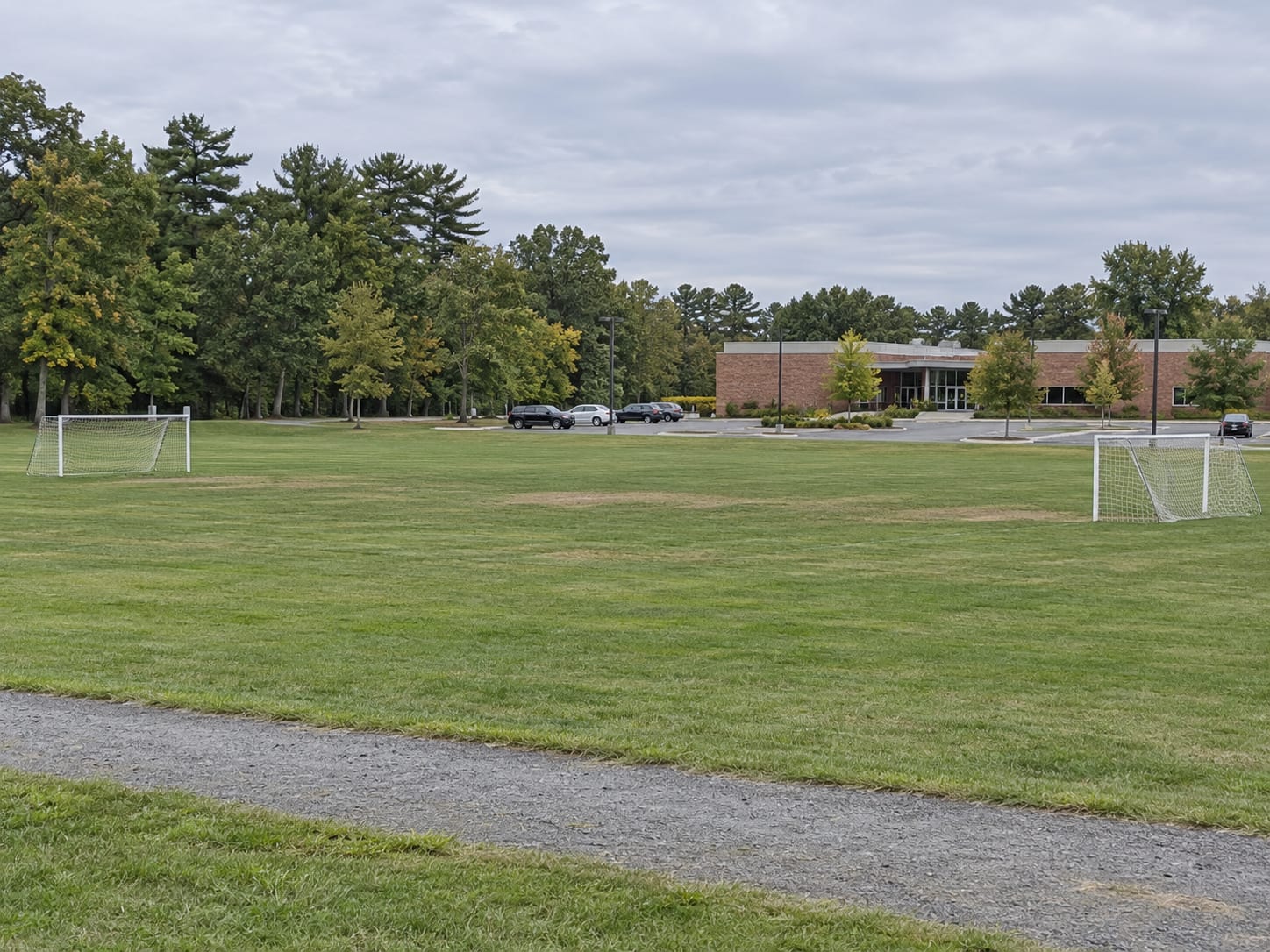
Routes into town include the New Jersey Turnpike at Exit 8A, Route 32 along Forsgate Drive, Route 33 across the south of the township, and county routes such as 522, 535, 527 and 615. Local roads include Prospect Plains Road, Applegarth Road, Perrineville Road, Cranbury-South River Road and Schoolhouse Road. Landmarks such as Thompson Park, a 675-acre county park shared with Jamesburg, James Monroe Memorial Park and the Monroe Township Public Library on Municipal Plaza are useful reference points when you describe where you are.
Monroe borders Helmetta, Jamesburg (which it surrounds completely), Old Bridge, Spotswood, East Brunswick, South Brunswick, Cranbury, Millstone Township, Manalapan and East Windsor. If you are just across the line, see our pages for Cranbury, East Windsor and South Brunswick.
How do you keep moisture from coming back in an older or newer Monroe home?
The lasting fix is almost always about where water goes. Extend downspouts several feet from the foundation, keep the ground sloped away from the walls, and clear gutters so they do not spill at one corner. In a house near a brook or a low spot, check the sump pump and its discharge line before the wet season.
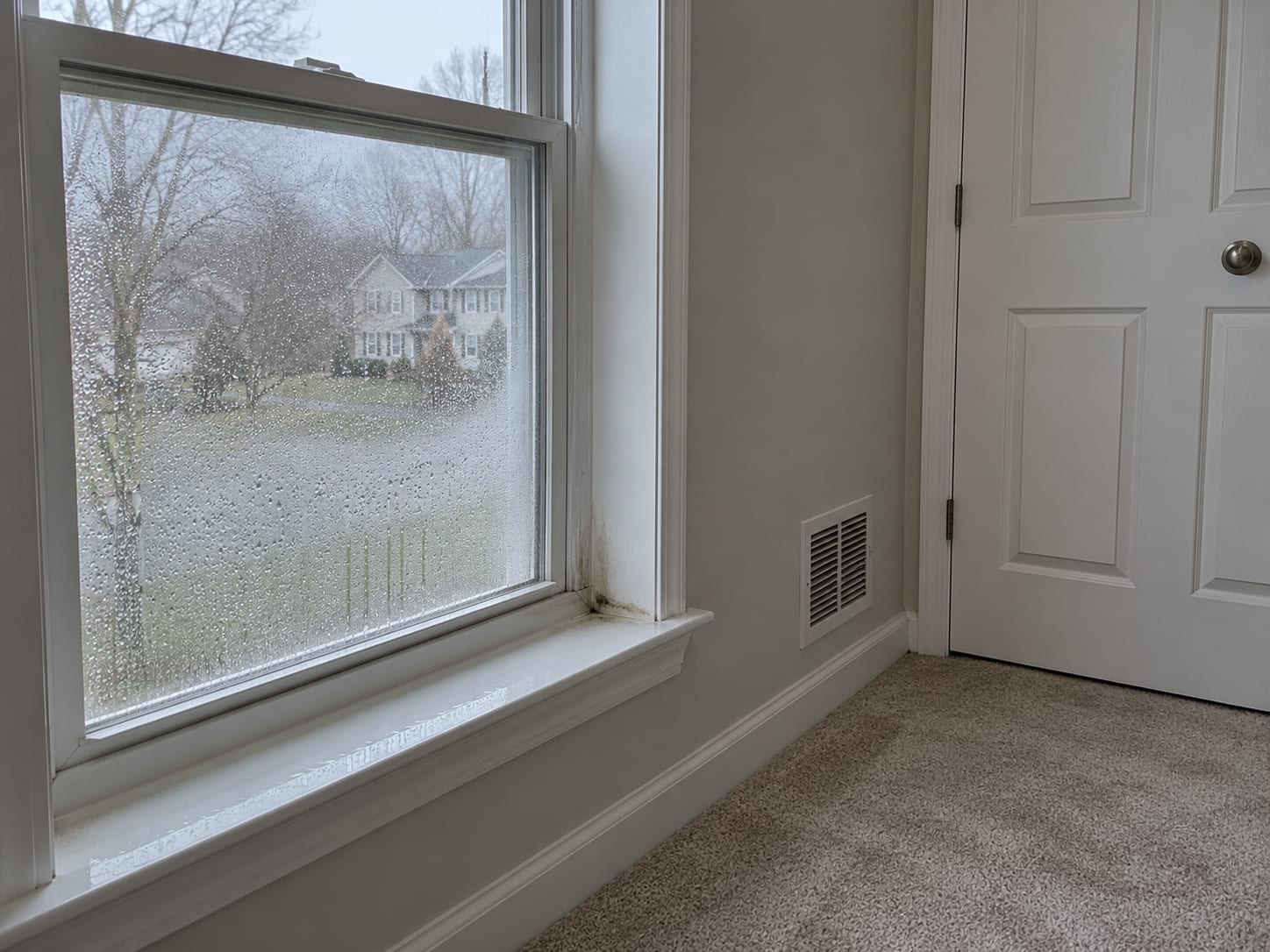
Inside, run bath fans to the outside and use a dehumidifier in a lower level. Look at the attic for wet insulation or blocked vents after any roof repair. If windows and closet walls in a newer house keep collecting condensation, the air in the house is holding too much moisture.
If you are buying or selling, a pre-purchase mold inspection can show what is behind a finished wall before the closing date. For a home where basement water keeps coming back, basement drying is often the first step.
Frequently Asked Questions About Mold Remediation in Monroe, NJ
The price depends on the size of the affected area, which materials are involved, how easy the space is to reach, the containment needed and any rebuilding. We inspect first and explain the scope and price before work begins.
Talk to ExecPro Restoration & Cleaning about mold in Monroe
About Monroe, NJ
Monroe is a township in southern Middlesex County, in inland Central New Jersey, and it is large: about 42 square miles, with 48,594 residents in the 2020 Census. The homes are mostly owner-occupied and mostly single-family. The township's 2025 Housing Element lists 22,598 housing units, about 63 percent detached and about 27 percent attached, such as townhouses. The median home was built in 1994, more than half of the housing went up after 1990, and the busiest decade was 2000 to 2009. On top of that sit large age-restricted communities such as Clearbrook, Concordia, Rossmoor, Renaissance and Encore. So a plumbing leak in a patio home, a roof leak on a 2000s townhouse and a wet lower level in an older detached house are different jobs, and the first step is always a walk through your own building: lower level, attic, plumbing walls, air handler and the ground around the foundation.
Water comes at Monroe from many directions. The township's 2022 floodplain ordinance names the Millstone River, Manalapan Brook, Matchaponix Brook, Wigwam Brook, Cranbury Brook, Cedar Brook, Clear Brook, Barclay Brook, Pine Brook and Manalapan Lake and Etra Lake, and it says FEMA has identified special flood hazard areas in the township. It adds that New Jersey's regulated flood-hazard area can be wider or narrower than the FEMA map, and that floodplain review can apply to repairs and rebuilding, sometimes even to work that looks minor. So if your home is near a brook or a low spot, ask the township's floodplain administrator at Municipal Plaza where your lot falls, and check with the construction office about permits before you repair or rebuild. Then look at what you can control: where the downspouts discharge, whether the ground slopes away from the foundation, and whether the sump pump, bath fans and attic vents are working.
Neighborhoods We Serve in Monroe
Around Monroe
- Thompson Park
- Thompson Park Conservation Area
- Manalapan Lake
- Veteran's Park Playground and Spray Park
- James Monroe Memorial Park
- Thomas L. Allen Softball Complex
- Daniel P. Ryan Field
- Monroe Township Soccer Complex
- Monroe Township Public Library
- Helmetta
- Jamesburg
- Old Bridge
- Spotswood
- East Brunswick
- South Brunswick
- Cranbury
- Millstone Township
- Manalapan
- East Windsor
Do not see your neighborhood? We serve all of Monroe and the surrounding area. Reach out and we will confirm coverage.