Water Damage Restoration in Trenton, NJ: Supply Leak, Sewer Backup or River Water
Cal HewittPublished
- water damage restoration
- water damage
- flood damage cleanup
- trenton nj
- new jersey
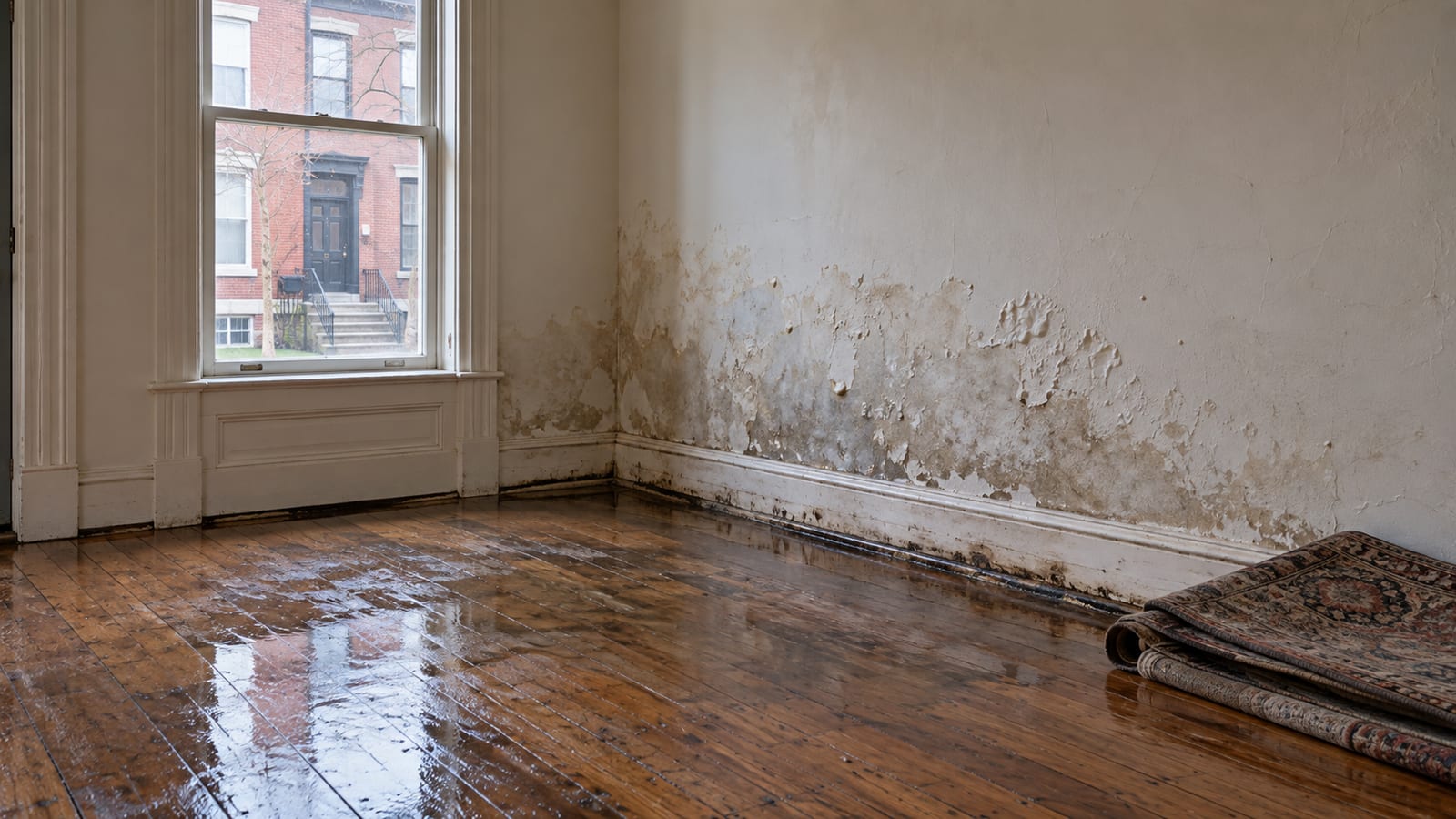
Water is on the floor, the drywall is darkening, and you are standing there with a wet-dry vacuum wondering what has to go in the dumpster and what can still be saved. Maybe a pipe let go upstairs, maybe the basement drain started gurgling, maybe water came in under the door after a hard storm. Each of those is a different kind of water, and the kind decides almost everything that follows: which materials stay, which come out, what protective gear the work calls for, and what the adjuster will want to see. You also have a second question waiting behind the first, which is whether your homeowners policy or a flood policy will pay for any of it, and the answer depends on records you can start making tonight. Water damage restoration in Trenton, NJ starts with sorting the water, then sorting the building, then sorting the paperwork. Before you throw anything away, photograph it.
Key Takeaways
Category first
Clean supply water, appliance overflow and toilet backup without feces, and sewage or river water sit in three different categories, and each category changes what can be dried and kept.
Drain water is suspect
Water coming up through a floor drain may carry sewage, and sewage is Category 3 water by definition, so keep people away from it until a technician has looked.
The 24 to 48 hour window is EPA drying guidance
It applies to clean-water losses and is a target for drying materials, not a promise about how long the whole job takes.
Records come before demolition
Photographs, an inventory of damaged contents, moisture readings and receipts protect a claim, and they are easier to make before anything is thrown out.
Coverage depends on the policy and the cause of loss
A homeowners policy and a flood policy do not necessarily cover the same event, so ask your agent which one applies to your water.
Where the Water Came From Decides What Can Be Kept
Restoration companies sort water into three categories, and the sorting is what tells you whether a wet floor can be dried in place or has to come out. The categories come from the ANSI/IICRC S500 standard, which the IICRC describes as the procedure standard for water restoration in homes, businesses and institutions. EPA's summary of that guidance lays them out this way:
Category 3 changes the plan the most. When floodwater or sewage has soaked a finished floor, the carpet, pad, drywall, insulation and other porous material that absorbed it are removed, and then the framing, subfloor and slab underneath are cleaned and dried. A finished basement in that situation is not dried where it sits, because drying does not remove what the water carried in.
Your first hour depends on the category too. Stop the water at its source if you can do that safely, and shut off electricity only from a dry spot and only when it is safe to reach the panel. EPA's flooded home guidance recommends protective gloves, an N95 respirator, goggles without ventilation holes and clothing that covers exposed skin for flood cleanup, and it advises that children and older adults stay out of hazardous cleanup. Keep everyone, pets included, away from standing water. Before you move a single item, take photos and video of the source, the waterline, each affected room, the walls, floors and ceilings, and the outside of the building. Then call your insurer or agent, and call us if the water is contaminated, widespread, hidden or slow to dry.
First Hour Checklist
Stop the source
Stop the water at its source if you can do that safely.
Power from a dry spot only
Shut off electricity only from a dry spot and only when it is safe to reach the panel.
Protect yourself
EPA recommends protective gloves, an N95 respirator, goggles without ventilation holes and clothing that covers exposed skin for flood cleanup.
Keep everyone out
Keep everyone, pets included, away from standing water. Children and older adults should stay out of hazardous cleanup.
Photograph first
Take photos and video of the source, the waterline, each affected room, the walls, floors and ceilings, and the outside of the building before you move a single item.
Make the calls
Call your insurer or agent, and call ExecPro if the water is contaminated, widespread, hidden or slow to dry.
Water Coming Up Through a Drain Deserves Caution
A burst pipe announces itself. Water at a floor drain or a basement sink does not, and in Trenton it is worth treating carefully. The city's hazard mitigation plan names the Island and Glen Afton neighborhoods as having had repeated flooding from storm-sewer surcharge tied to the Delaware River, which is what happens when storm sewers fill faster than they can drain and water comes back up. The same plan says culverts under streets, parking lots, buildings and railroads can back up during flooding. It describes neighborhoods and does not say every home in either one floods, so whether your own street or building is affected is a parcel-by-parcel question. Confirm the specifics of your address with the city and with FEMA and state flood maps.
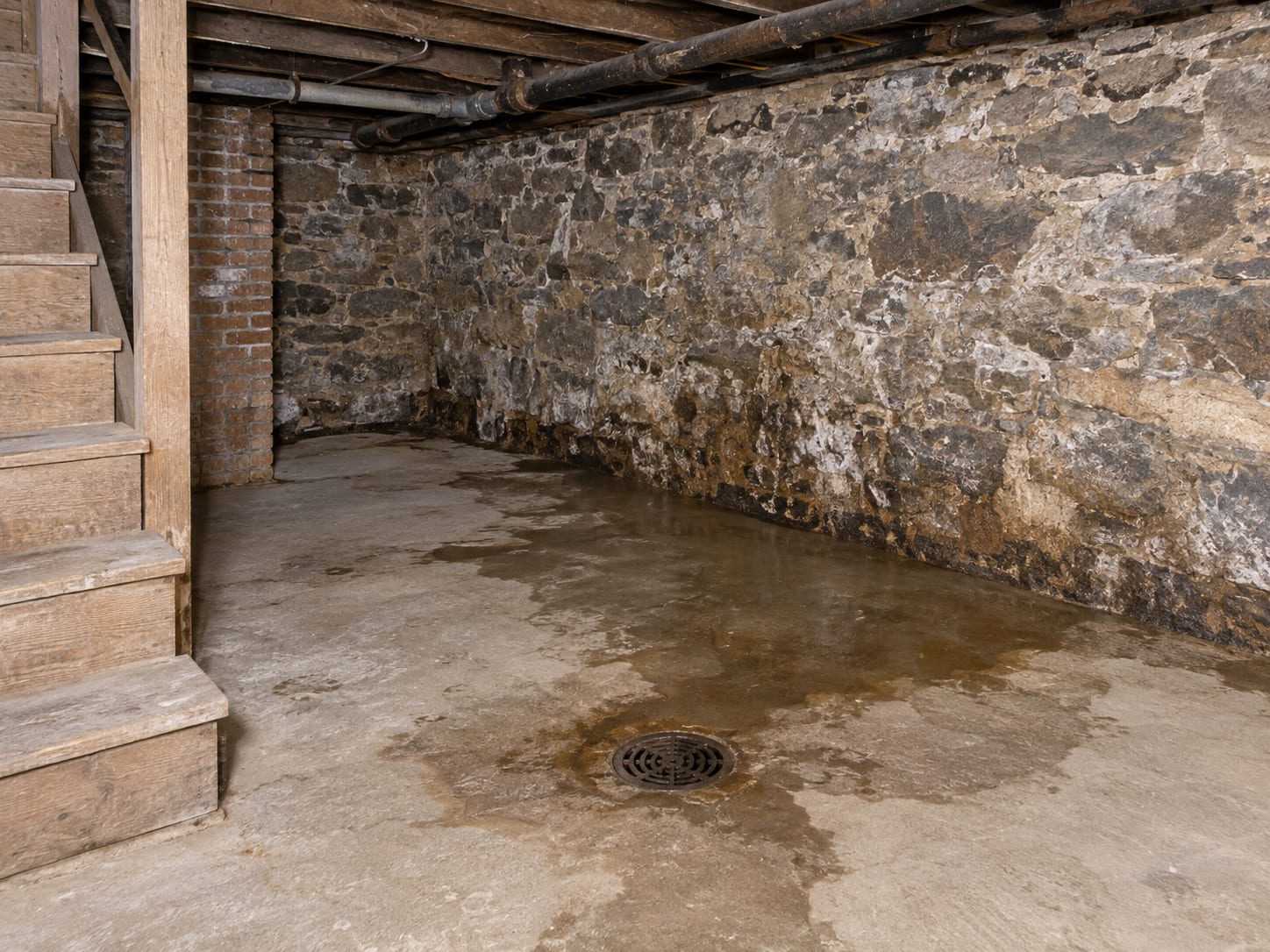
What that means for you is a matter of caution. If the water reached you through a drain, you cannot tell by looking whether it came from a clean supply line, a sewer line or a storm sewer that backed up. Sewage is part of the definition of Category 3, so it makes sense to handle drain water as possibly contaminated until a technician has looked at it. That means gloves and a respirator if you have to go near it, no bare-handed lifting of wet contents, and no carrying wet items into clean rooms.
The age of the building matters here for one reason. According to the city's 2025 to 2029 Consolidated Plan, which draws on 2016 to 2020 CHAS data, 72 percent of owner-occupied units in Trenton were built before 1950, and 89 percent of owner-occupied and 87 percent of renter-occupied units were built before 1980. Homes of that age can have lead-based paint, so tell your restoration contractor before any plaster or painted trim comes out, and expect the crew to plan for it.
Hover or tap a row to highlight it.
| Housing group | Built before 1950 | Built before 1980 |
|---|---|---|
| Owner-occupied units | 72% | 89% |
| Renter-occupied units | 53% | 87% |
The First Day and the First Week Follow a Working Order
The first hour is stopping, protecting and photographing. The first day is about getting the water out and deciding what can be moved. The first week is about drying and documenting.
On the first day, separate what looks salvageable from what does not, without carrying contamination from room to room. EPA guidance says to remove standing water yourself only when the water is known to be sanitary and the electrical hazards are under control. Anything else calls for a professional with the right protective equipment. This is the day we begin extraction, moisture mapping, which means measuring how wet each wall, floor and ceiling actually is, and then drying, demolition or containment as the water category calls for.
Over the following week, keep everything that shows what happened and what was done about it:
- Photographs and video: Include the source, the waterline and the damaged contents, taken before anything is discarded.
- Moisture and drying records: These show how wet the structure was and when it reached its dry standard.
- Estimates and invoices: Keep itemized versions, and receipts for anything you buy or rent.
- A written description of the water source: Note the date, the time you noticed it and who you called.
Do not close up walls or lay new flooring until the structure is dry and the affected assemblies have been evaluated. Fix whatever let the water in before anyone moves back into the space, because a sealed wall over a wet cavity is the start of the next problem.
Extraction, Drying and Rebuilding Happen in a Set Order
A professional job, as ExecPro Restoration & Cleaning runs it under S500 procedures, has a sequence, and knowing it helps you read an estimate. The team stops or confirms the end of the active source when that is safe. It assesses the affected rooms and materials and identifies the water category. It extracts standing water, then removes material that cannot be restored. It dries the structure, the step called structural drying, and monitors moisture with readings until the structure reaches its dry standard. Where contamination or growth is present, cleaning, disinfection where appropriate and mold work follow, and then the finishes are rebuilt.
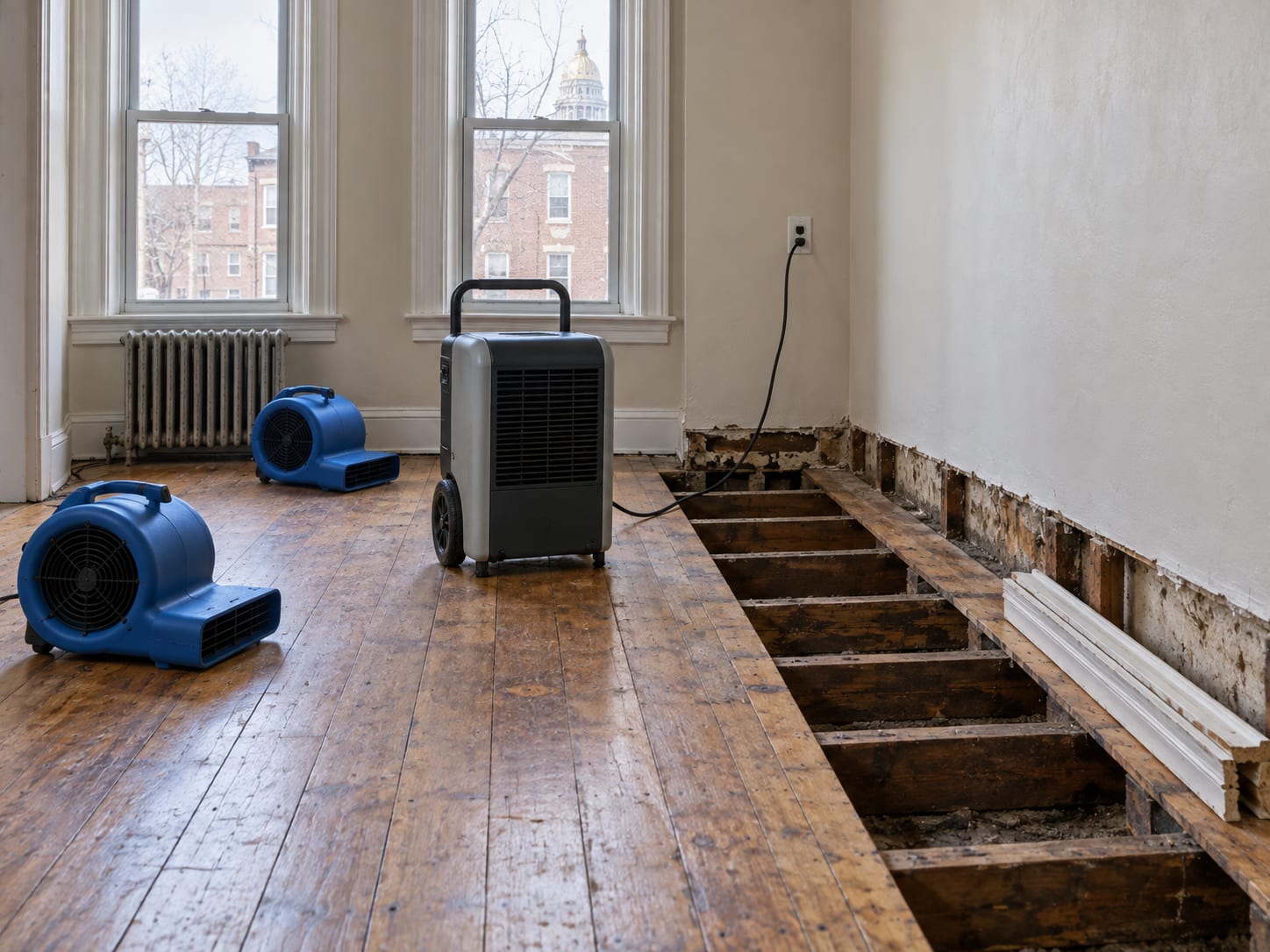
Even when a surface feels dry, the hidden places still need attention. Cavities inside walls, subfloors, framing, insulation and HVAC components can hold moisture that a fingertip test will miss, which is why moisture readings matter more than appearance. EPA advises assuming mold may be present when a flooded home and its contents could not be dried within 24 to 48 hours. If growth has started, the remediation is a separate scope from the drying, and our mold remediation work in Trenton and our basement mold remediation cover it.
How a Professional Water Job Runs
- 1
Stop the source
The team stops or confirms the end of the active source when that is safe.
- 2
Assess and name the category
It assesses the affected rooms and materials and identifies the water category.
- 3
Extract and remove
It extracts standing water, then removes material that cannot be restored.
- 4
Dry the structure
Structural drying, with moisture readings until the structure reaches its dry standard.
- 5
Clean and treat
Where contamination or growth is present, cleaning, disinfection where appropriate and mold work follow.
- 6
Rebuild
The finishes are rebuilt once the structure is dry and the source is fixed.
The 24 to 48 hours in EPA's clean-water guidance is a target for getting materials dry to reduce the chance of mold. Your whole project follows a longer clock, because wet insulation, damaged drywall, contaminated contents and hidden cavities can add removal and longer drying, and reconstruction can continue after the water work is done. Ask for separate timelines for extraction, drying, demolition, inspections, any mold work and rebuilding, since no single number covers all of them. When the drying is finished and the source is fixed, our build-back services handle the drywall, flooring, trim and finish work.
The Price Depends on Category, Area and How Long Things Stayed Wet
A price for your house cannot honestly be given before someone looks at it, and the drivers explain why. These are the factors that move an estimate:
- Water source and category: Clean supply water, contaminated water, sewage and river water need different protection and different removal.
- Size and depth: The number of rooms, floors or units touched, and how far up the walls the water went.
- Time wet: The longer materials stay wet, the more of them tend to need removal.
- Materials: Drywall, plaster, insulation, flooring, subfloor, framing, trim, cabinets, contents and HVAC each dry or fail differently.
- Hidden moisture: Water inside walls, ceilings, crawl spaces, basements and floor assemblies.
- Growth: Mold or other microbial contamination adds its own scope.
- Contents: Packing, cleaning, storage or disposal of belongings.
- Building systems: Electrical, plumbing, HVAC, structural or roof repairs.
- Permits and older materials: Inspections, engineering or design requirements, and the preservation of older materials.
- Access and hours: Emergency access and work outside normal hours.
A river or surface-water flood can cost more than a clean supply-line leak, because Category 3 contamination can call for removal, disposal, cleaning, disinfection, protective equipment, containment and more documentation. Ask any company you are considering for an itemized scope that separates emergency mitigation, extraction, drying, demolition, cleaning, disposal, mold work, reconstruction, permits and any repairs you would be responsible for.
Coverage Depends on the Policy and the Cause of Loss
Whether insurance pays turns on two things you can look up tonight: what your policy says and what caused the water. A homeowners policy and a flood policy do not necessarily cover the same event, so a burst pipe, a sewer backup and river water can land under different coverage, or under none. Call your agent early, describe the source accurately and ask which policy applies before you assume.
FEMA's claims manual for the National Flood Insurance Program lists the records that support a flood claim: photographs, inventories, itemized estimates, invoices, structural-drying documentation, water-restoration invoices, receipts and proof of repairs. The same habit helps with any claim. Keep damaged items until the adjuster has seen them or has released you to discard them, and photograph what you do throw away.
Rebuilding brings city and state requirements. New Jersey's Uniform Construction Code covers repair, alteration and related inspections, and the state's rehabilitation guidance says rehabilitation work remains subject to the code's permit and administrative requirements. Which permits apply depends on the work and not simply on the fact that water got in, so confirm with the Trenton Construction Code office before reconstruction begins. Building, electrical and plumbing work can each need its own permit or inspection. If the property is a designated landmark or sits in a historic district, Trenton's historic-district regulations can send an application to the Historic Preservation Commission, so ask before changing anything visible from outside. And where repair reaches a regulated waterway or a flood hazard area, NJDEP's emergency guidance says some emergency repairs may still need a permit, so ask before you rely on an emergency exemption.
Frequently Asked Questions About Water Damage Restoration Trenton NJ
Is it safe to go into a room with standing water?
Wait until electrical, structural, gas, sewage and contamination hazards are under control. If you must enter, EPA recommends protective gloves, an N95 respirator, goggles without ventilation holes and clothing that covers your skin. Water reaching an outlet, cord or panel is reason enough to stay out and call for help.
Can I dry a wet carpet myself?
With a fast response to clean Category 1 water, carpet and pad can often be dried in place. If the water came from sewage, a river or surface flooding, the carpet and pad are usually removed. Not sure which it was? Photograph it and ask a technician before you commit either way.
How long does water damage cleanup take?
The 24 to 48 hours in EPA's guidance is a target for drying clean-water materials, so it is not the length of the job. Drying, demolition, inspections, mold work and rebuilding each have their own timeline, and we give you those separately once we have seen the property.
What does water damage restoration cost in Trenton?
The price depends on the water category, the area and depth, how long things stayed wet, hidden moisture, contents, mold and the rebuild. Ask for an itemized scope so you can see each part of the work priced on its own.
Will my homeowners insurance cover a flooded basement?
It depends on your policy and on what caused the water. Homeowners and flood policies do not necessarily cover the same event, so ask your agent which one applies to your source of water and what records they need.
Do I need a permit to repair water damage?
It depends on the work. Building, electrical and plumbing repairs may each need a permit or inspection under the state's construction code, so confirm with the Trenton Construction Code office before reconstruction starts.
Water Damage Quick Check
1. Which water category includes sewage and river flooding?
2. What is the 24 to 48 hour window in EPA's clean-water guidance?
3. How should you treat water that came up through a floor drain?
4. What should you do before you throw wet items away?
5. Do a homeowners policy and a flood policy necessarily cover the same event?
Pick an answer to begin.
Wrapping Up
Sorting water damage comes down to a few decisions in a sensible order. Learn which category of water you have, treat anything that came up a drain as suspect until a technician says otherwise, dry what can be dried within EPA's 24 to 48 hour window, and take out what cannot be saved. Photograph and record everything before it goes in a bag, so the claim and the reconstruction both rest on solid records. Then ask for an itemized scope, ask your agent which policy applies and confirm permits before anything is closed up.
A wet house that is handled in this order tends to come back to normal with fewer surprises: less hidden moisture, fewer disputes with an insurer and repairs that hold up.
If you have water in a Trenton home or building, ExecPro Restoration & Cleaning can look at it with you, identify the category, and lay out extraction, drying and rebuilding in an itemized scope. Our water damage restoration team handles the work from extraction through reconstruction, and you can contact us or call (888) 300-3772 to talk through what you are looking at.
Water Damage Terms
Tap a term to see what it means.
ANSI/IICRC S500. The procedure standard for water restoration in homes, businesses and institutions, and the source of the three water categories.
Serving Trenton
ExecPro Restoration & Cleaning provides mold remediation services in Trenton, NJ, from inspection and testing through removal, drying, and post-remediation verification. Call (888) 300-3772 for 24/7 emergency response.
Related Articles
Flood Damage Cleanup in Bridgewater, NJ: When the Brook or River Comes Inside
When water comes in from outside, it is treated as contaminated. What to throw out, what to keep clear of, and what the township wants before you rebuild.
Flood Damage Cleanup in Robbinsville, NJ: What to Discard, Dry and Document After Creek Water
Soaked carpet, swollen drywall and wet insulation from creek water usually come out. See what flood damage cleanup in Robbinsville, NJ discards and dries.
Water Damage Restoration in Robbinsville, NJ: Creek Water, Pipe Water and the Claim File
Where a leak or flood begins decides what can be kept. See how water damage restoration in Robbinsville, NJ sorts pipe water from creek water and the claim.