Selling a House With Mold in NJ: Disclosure and Repairs
Cal HewittPublished
- mold inspection
- documentation
- mold remediation
- new jersey
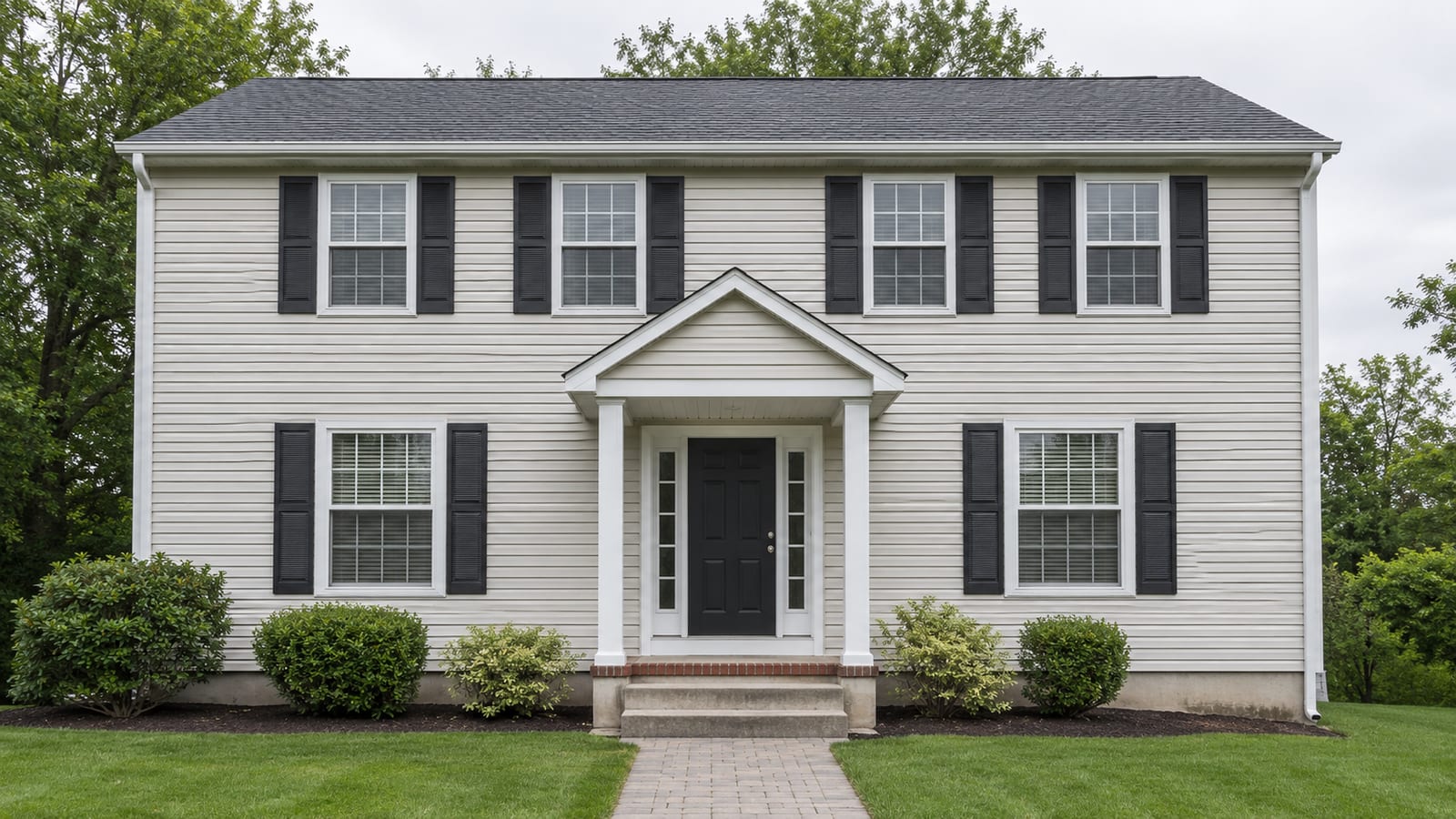
You spotted mold in the basement, or you paid to have it removed two years ago, and now the house is about to go on the market. Selling a house with mold in New Jersey can be done, and the questions that matter most are what you disclose, whether you repair first and what paperwork a buyer's attorney and inspector will ask to see.
The first step is to tell your real-estate agent that a mold or moisture condition exists, or existed, and to photograph and keep every record you have. Then ask a New Jersey real-estate attorney to review your disclosure wording before the listing goes live.
The rest of this page covers the three paths open to you, the contract deadlines buyers work under, and the documents that let a buyer see what happened and what was fixed.
Key Takeaways
Mold does not stop a sale
A property with a mold or moisture condition can be marketed in New Jersey, and the seller must disclose known material defects, including ones the printed form does not list.
Three paths exist
You can correct the moisture and remediate before listing, disclose and sell with the condition present, or list after a completed remediation with a full file.
The clock favors early paperwork
The statewide contract generally gives buyers 14 calendar days to inspect, and gives the seller 7 business days to say whether a reported condition will be corrected.
Records carry the sale
The original assessment, written scope, dated photographs, moisture readings, invoices and a statement of what was inspected answer most buyer questions.
Wording belongs with an attorney
Disclosure language and any question about liability go to a New Jersey real-estate attorney before listing.
A House With Mold Can Be Sold, and the Seller Discloses What Is Known
New Jersey's Seller's Property Condition Disclosure Statement is where mold comes up first. It asks about water leakage, accumulation or dampness, mold or similar natural substances, repairs or attempts to control water, roof leaks, plumbing or sewage problems, flood damage and environmental conditions. It states that known material defects must be disclosed even when the printed form does not ask about them, and it says the form is based on the seller's knowledge and is not a warranty.
Two questions come up most often from sellers, and the answers are short.
Can you sell a house with mold in NJ?
Yes. A property can be marketed while a mold or moisture condition exists, as long as the seller discloses what is known and answers the applicable form questions. Tell the agent and the attorney, explain what you know, and document any remediation or continuing moisture problem. The state's adopted rule also directs a real-estate licensee to refer the buyer to the New Jersey Department of Health's Mold Guidelines when the disclosure points to water leakage, dampness, mold or attempts to control water.
Can you sell your house if it tested positive for mold?
A positive test result does not by itself tell anyone the extent of the growth, its cause, its health significance or the remedy. The CDC says there are no health-based standards for indoor mold and does not recommend routine air sampling. The EPA says sampling can answer a specific question, such as whether an area was adequately cleaned. Give the report to your attorney and agent, name the affected area and the moisture source, and ask a professional what the next step is.
Three Paths Are Open Before You List, and the Choice Is Yours
You can correct the moisture and remediate before listing, disclose the condition and sell with it present, or list after a completed remediation with a full file. Each path comes with a different amount of work and a different conversation with buyers, and which one fits is a decision to make with your attorney and agent.
Pre-listing remediation gives you time to identify the source, finish the work, gather records and answer questions before an inspection deadline. Selling as-is may leave more of the work and the uncertainty with the buyer, but as-is does not replace accurate disclosure of known conditions on the New Jersey form.
Hover or tap a row to highlight it.
| Path | What it involves | What it means for the sale |
|---|---|---|
| Correct and remediate before listing | Fix the moisture source, finish the work and gather records | Gives you time to answer questions before an inspection deadline |
| Disclose and sell with the condition present | Disclose what is known and answer the form questions | May leave more of the work and the uncertainty with the buyer, and does not replace accurate disclosure |
| List after a completed remediation with a full file | Hand over the correction, scope, photographs, readings, invoices and appropriate verification | Gives the parties something specific to evaluate inside the inspection period |
Whichever path you choose, the first day looks the same:
- Photograph visible growth, staining, damaged materials, leaks and affected rooms.
- Keep people with asthma, other lung conditions or weakened immune systems, and children, away from the area.
- Leave suspected hidden mold behind walls, ceilings or flooring alone until a professional assesses it.
- Ask a qualified professional to assess the moisture source and the extent of the affected area.
- Contact your insurer before permanent repairs if the condition came from a potentially covered loss.
Then build a chronology: the date the condition was noticed, the suspected cause, the affected areas, any emergency drying, repairs, remediation, reconstruction and any recurrence. Decide with the attorney and agent which of the three paths fits your timeline. Call a house clear only when a dated professional report narrowly supports that statement.
Remediation, Moisture Correction and Verification Finish the Job in the Right Order
The New Jersey Department of Health states that mold generally results from excess water or moisture. When the source is unclear, the building should be inspected to identify it, and once it is identified and corrected, remediation can be performed. The EPA says moisture control is the key to mold control, that water-damaged material should be dried within 24 to 48 hours, and that hidden mold may sit behind drywall, wallpaper, carpet, walls, pipes and roof materials.
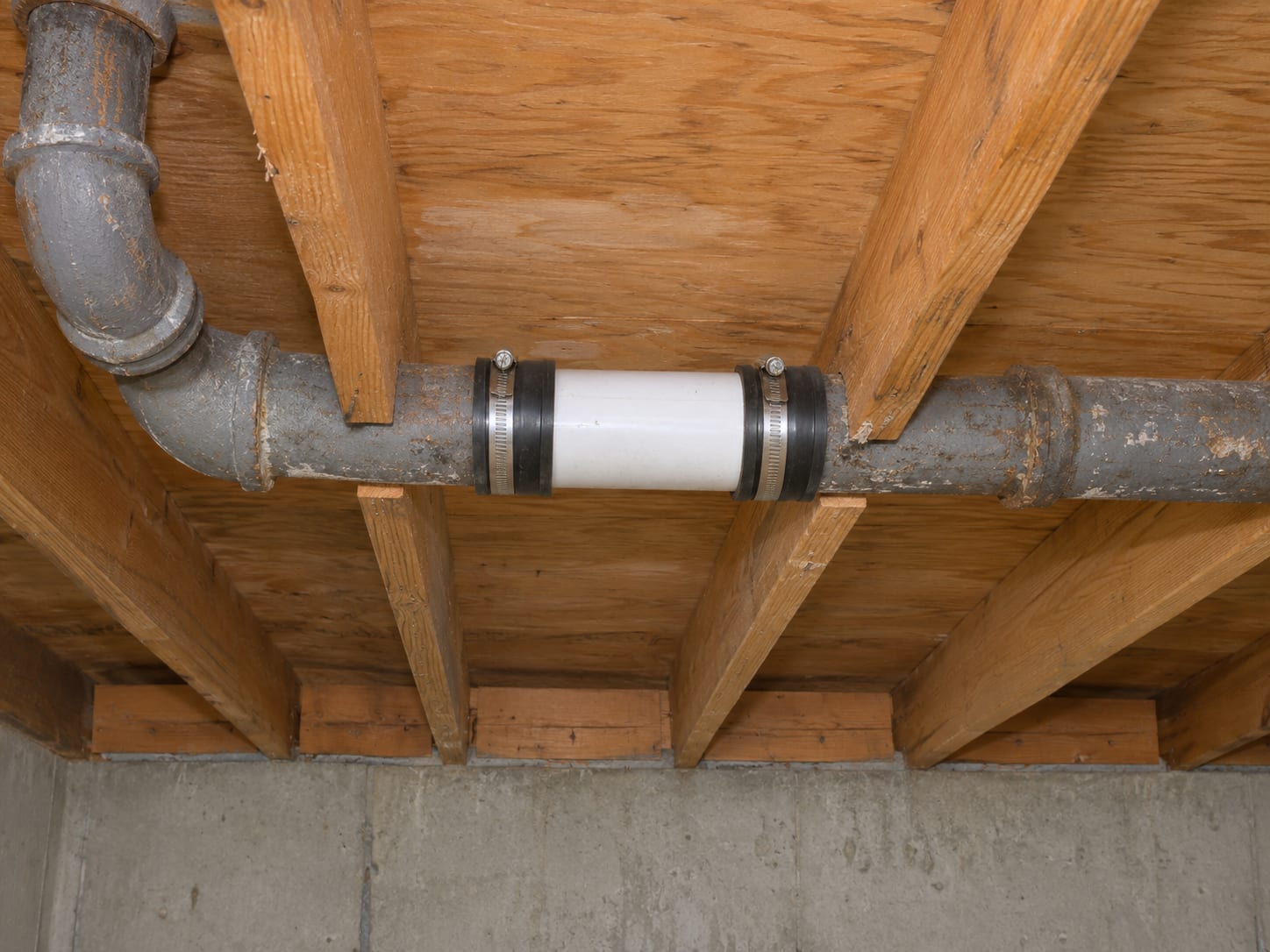
The EPA's key steps for remediation center on that sequence: correct the moisture source, clean or remove affected materials, dry the area and check for a return of moisture or mold. Fix the leak, the drainage failure, the roof defect or the ventilation problem first. Remediation on a wet structure is cleaning that has to be repeated.
The Order of a Remediation
- 1
Correct the moisture source
Fix the leak, the drainage failure, the roof defect or the ventilation problem first.
- 2
Clean or remove affected materials
Remediation on a wet structure is cleaning that has to be repeated, so the source comes before this step.
- 3
Dry the area
The EPA says water-damaged material should be dried within 24 to 48 hours.
- 4
Check for a return
Look for a return of moisture or mold.
- 5
Verify last
Ask the buyer's side and your professional what verification fits this transaction.
Verification comes last. The EPA says surface sampling may help determine whether an area was adequately cleaned or remediated, though routine sampling is not generally needed when visible mold is present. It also says no federal limits have been set for mold or mold spores, which means there is no universal clearance number to hand a buyer. Ask the buyer's side and your professional what verification fits this transaction. Our post-remediation verification is a separate service from the cleanup itself.
Is it hard to sell a house after mold remediation?
A completed remediation can still bring buyer questions, inspection findings, requests for more work, credits or changes to the contract. A remediation file containing the moisture-source correction, the scope, photographs, readings, invoices and appropriate verification gives the parties something specific to evaluate inside the inspection period.
The Documents That Help Buyers Understand the Work Fit in One File
A buyer who sees dates, locations and measurements has less to guess about. The CDC cautions that short-term air sampling cannot be read as a direct measure of health risk, so the file does more work than any one test result.
A useful transaction file may include these items:
- The original inspection or assessment report, the written scope of work and the dates the work began and ended.
- The identified moisture source and the corrective work, with invoices and proof of payment.
- Photographs before, during and after, plus moisture readings with the date, location, instrument and material measured.
- Containment, drying, demolition, cleaning, disposal and reconstruction records, with permits or approvals where reconstruction required them.
- Insurance claim documents and adjuster estimates, laboratory reports where sampling answered a specific question, and post-remediation verification where it fits the transaction.
Add one last page: a written statement of what areas were inspected and what the report does not establish. A buyer's attorney reads that page closely, because a report that defines its limits is easier to trust than one that does not. A verbal assurance without a dated written record is one of the most common seller mistakes, and a file replaces it.
What Goes in the Transaction File
Assessment and scope
The original inspection or assessment report, the written scope of work and the dates the work began and ended.
Source and correction
The identified moisture source and the corrective work, with invoices and proof of payment.
Photos and readings
Photographs before, during and after, plus moisture readings with the date, location, instrument and material measured.
Work records
Containment, drying, demolition, cleaning, disposal and reconstruction records, with permits or approvals where reconstruction required them.
Insurance, lab and verification
Claim documents, adjuster estimates, laboratory reports where sampling answered a specific question, and post-remediation verification where it fits.
A statement of limits
What areas were inspected and what the report does not establish.
Disclosure, Attorney Review and Inspection Deadlines Belong With a New Jersey Real-Estate Attorney
The disclosure form asks you to answer from actual knowledge, to explain "yes" answers and to give dates and locations. Mold can touch more than one question. Water leakage, repairs to control dampness, roof leaks, plumbing problems and flood damage can all touch the same history, so tell the attorney and the agent about facts that do not fit neatly into one box. The form states that the buyer remains responsible for inspection.
New Jersey REALTORS describes attorney review as a three business day period after the contract is signed, unless the parties extend it. The statewide contract then sets the inspection contingency, which covers physical defects and environmental conditions. The terms below are the defaults, and the signed contract controls.
Hover or tap a row to highlight it.
| Step | What the contract provides |
|---|---|
| Inspection period | 14 calendar days, if the blank is not completed differently |
| Buyer's report | Written inspection reports and a list of requested repairs within the period |
| Seller's response | 7 business days to say whether the seller will correct or cure reported defects |
| If the seller declines | A further 7 business days for the buyer to exercise specified cancellation rights, when the contractual conditions apply |
| If the seller agrees to cure | The work must be completed before closing |
The contract also lets a buyer waive inspection rights through a separate form, and an attorney should review what that waiver means. Because the seller's response window is short, an early and complete file lets you answer a mold finding inside it.
Can you be sued for selling a house with mold?
That question goes to your attorney, and the best preparation is the full history. Give the attorney and the agent every known fact, including prior mold, water intrusion, repairs, remediation, reports and anything unresolved. Ask for the disclosure language and the transaction documents to be reviewed before you list or accept an offer. The state rule concerns protections for real-estate licensees when information comes from the seller's disclosure and other required conditions are met, so it is a matter for your attorney rather than a guide to a seller's own position.
Flood History, Insurance and Tax Rules Add Transaction Details
Flood history has its own disclosure. P.L. 2023, c.93 requires sellers to disclose whether the property is in a FEMA Special Flood Hazard Area or Moderate Risk Flood Hazard Area, and to disclose actual knowledge of flood risks, before the purchaser becomes obligated under the contract. NJ REALTORS states that its Form 140 was updated with a Flood Risk section in February 2024. If mold followed a flood, the two disclosures will sit side by side.
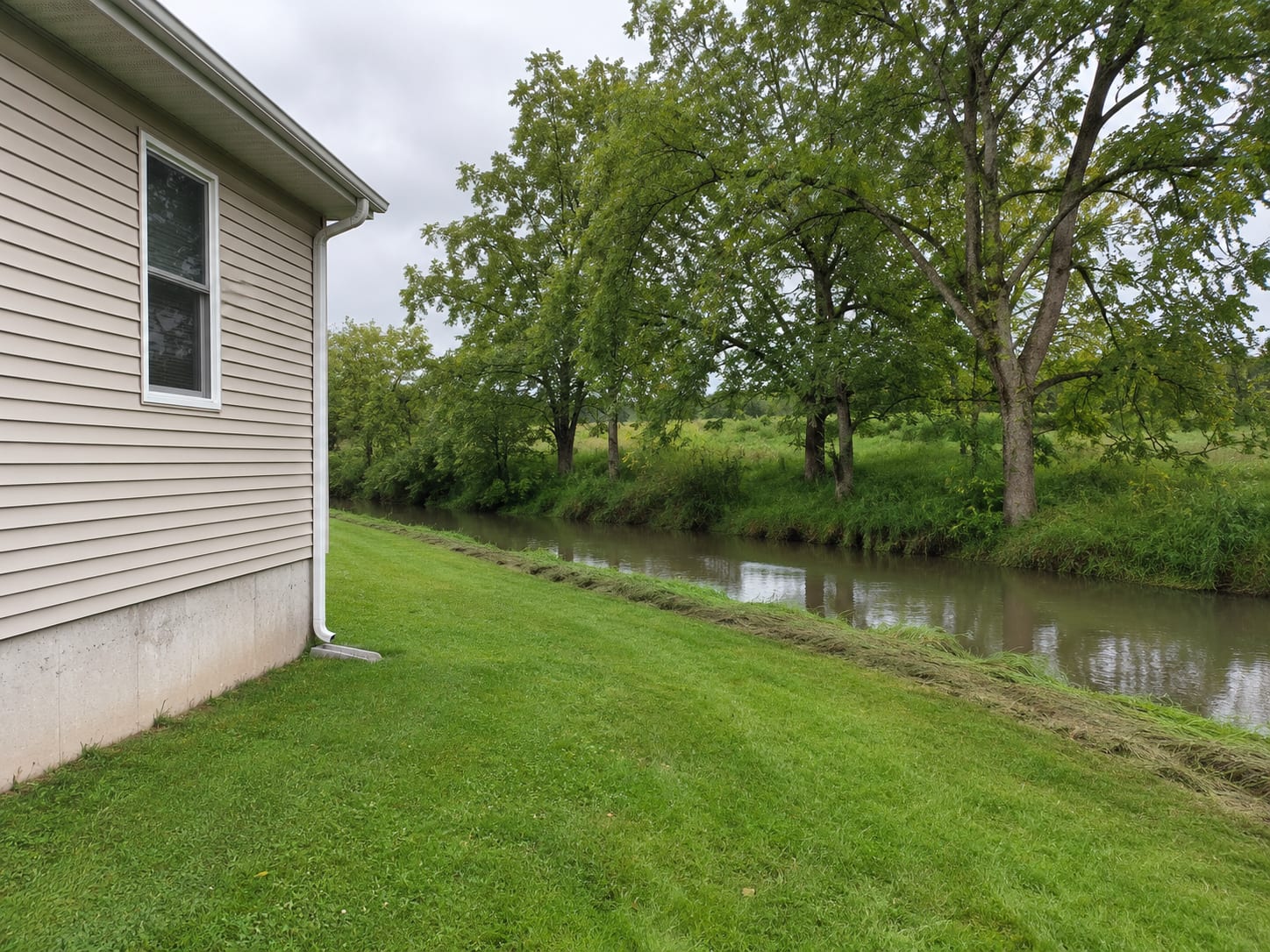
Insurance depends on the policy and the cause of the loss. New Jersey's insurance department states that homeowners policies exclude water damage caused by flooding, and flood insurance is separate. Its storm-claims guidance says to report losses promptly, photograph damage, keep damaged property when possible until the insurer inspects or gives instructions, save receipts and wait for the adjuster's review before permanent repairs when the policy requires it. Review your actual policy and ask the insurer for a coverage decision on any mold claim.
Sales tax matters for the repair budget. The New Jersey Division of Taxation states that mold inspection or detection is not subject to sales tax, while mold removal and remediation are taxable services to real property. Removing and replacing walls and insulation may qualify as an exempt capital improvement when the required certificate is provided. Ask your contractor which treatment applies to each line of the invoice.
A Buyer Who Spots Mold During Due Diligence Has Defined Options
Sometimes the seller has done everything on this page and the buyer's inspector still notes visible mold, staining, a musty odor, damp materials, weak ventilation or signs of earlier water. That is the point where the contract's response procedures take over. A general home inspection documents what it can see, and it does not replace a focused mold or moisture assessment, so expect a follow-up visit from an environmental or remediation professional.
Hand the buyer's inspector the complete remediation file and ask what further inspection is appropriate. The contract also notes that brokers and salespersons do not have special training in evaluating every environmental component of a property. Mold findings are therefore handled through the contract, the attorney, the general inspector and qualified professionals.
When should you walk away from a house with mold?
This is a buyer's question, and sellers hear it from the other side of the table. A buyer should have the property evaluated before the inspection deadline passes, ask an attorney about the contract, ask a qualified inspector or environmental professional about the condition and ask a physician about any symptoms or exposure concerns. The decision depends on the moisture source, the extent, the repair scope, the documentation, insurance, financing and the contract's deadlines. A seller who can answer each of those items with paper is in a stronger position.
A Mold Professional Can Provide a Written Report, Readings and a Scope
When you hire anyone for the work, ask for records you can hand over. The New Jersey Department of Health states that the state has no certification program for companies doing mold or general indoor-air work, so verify the provider's qualifications, insurance, scope, references and documentation before you hire.
Ask for these deliverables in writing:
- An assessment that names the inspected areas and its limitations.
- Photographs and dated moisture readings.
- The identified or suspected moisture sources.
- A remediation scope, kept separate from the assessment findings.
- Documentation of drying, cleaning, removal and reconstruction.
That separation matters. When the same company assesses and remediates, make the roles and the financial interest clear to the buyer's side.
Our home buyer and seller protection service is a pre-listing mold and moisture assessment with a written report. It looks at high-risk areas such as basements, crawl spaces, attics, bathrooms, ceilings below plumbing, foundation walls, sump-pump areas and spaces next to HVAC equipment. The report can include photographs, moisture readings, sampling locations and laboratory results when testing is performed. We are licensed and insured, and we serve Central New Jersey. A report describes the areas that were checked and tested, so describe the result to buyers in those terms.
Frequently Asked Questions About Selling a House With Mold in New Jersey
Do I have to disclose mold that was removed?
Disclose prior mold, water intrusion, dampness and remediation. Leaving them out is one of the most common mistakes, and the form asks about repairs and attempts to control water with the location, nature and date. Tell your attorney the whole history and let the two of you settle the wording.
Can I sell as-is?
You can sell as-is, but as-is does not replace accurate disclosure of known conditions on the New Jersey form.
Is a mold test required before listing?
Whether a verification report is needed depends on your transaction. Ask your attorney, agent, insurer, lender and remediation professional, and when a buyer asks for one, settle what it should cover.
Does a negative air test mean the house is clear?
A limited air sample is not proof that the whole house is free of mold. The CDC says short-term air sampling cannot be read as a direct measure of health risk, which is why the full record of the moisture source, the work and the readings carries more weight.
Will homeowners insurance pay for mold remediation?
It depends on the policy and the cause of the water. Homeowners policies exclude flood damage, and the insurer makes the coverage decision, so review the policy and ask the adjuster before you start permanent repairs.
Selling With Mold, Quick Check
1. What must a New Jersey seller disclose?
2. How long is the default inspection period in the statewide contract?
3. How long does the seller have to say whether reported defects will be corrected?
4. Does a negative air test mean the whole house is clear of mold?
Pick an answer to begin.
Moving Forward
A house with mold can be sold in New Jersey, and the work is the same in every case: find and correct the moisture, disclose what you know and keep a dated file. You have three paths, and an early, complete file helps on any of them, because buyers work under short inspection deadlines.
Doing the assessment and repairs before you list gives buyers fewer unknowns, and gives you time to answer their questions with records. Take the disclosure wording to a New Jersey real-estate attorney before the listing goes live.
If you are preparing to sell and want a written assessment of the moisture and mold conditions, contact ExecPro Restoration & Cleaning in New Jersey at (888) 300-3772 or through our contact page. We provide mold inspection, remediation, post-remediation verification and rebuild services, and you can ask us what a pre-listing report covers.
Selling With Mold Terms
Tap a term to see what it means.
Seller's Property Condition Disclosure Statement. The New Jersey form that asks about water leakage, dampness, mold, repairs, roof leaks, plumbing problems, flood damage and environmental conditions. It is based on the seller's knowledge and is not a warranty.
Related Articles
Can a House With Mold Be Saved? What Decides the Scope
Whether a New Jersey house with mold can be saved comes down to the moisture source, the structure and the materials. See the steps, limits and next calls.
Mold in a NJ Rental: What a Tenant Does First and Who to Call
A tenant with mold in a NJ rental should notify the landlord in writing and document it. Learn which local office to call and when to get legal advice first.
Buying a House With Mold: When to Walk Away or Repair
Found mold during a home inspection in New Jersey? See which findings are fixable, which mean walking away, and what to ask before attorney review ends.