Post-Mold Rebuild in West Windsor, NJ: What Must Be True Before It Closes
Cal HewittPublished
- post mold remediation rebuild
- permits
- verification
- west windsor nj
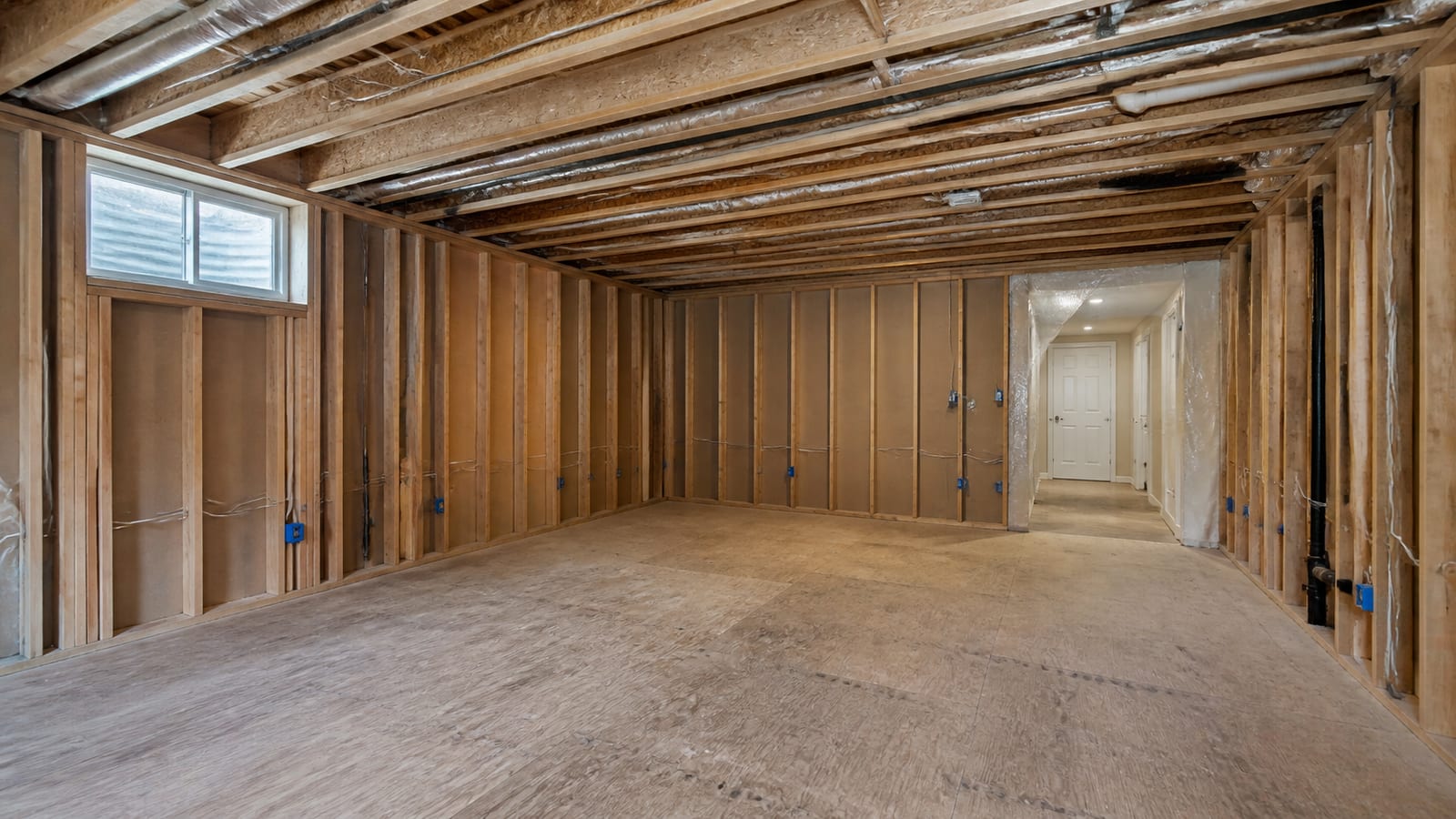
The remediation crew has gone and you are standing in a room with studs showing, a subfloor, and none of your things in it. Everything about that room says the hard part is over, and mostly it is. But this is the one moment in the whole process where being impatient is genuinely expensive, because a wall that goes back on too early hides the problem somewhere nobody will look again until it announces itself. The good news is that the check is short, it is a condition check rather than a laboratory exercise, and once it passes, the rebuild is ordinary construction with a permit clock you can plan around.
Key Takeaways
Four things have to be true before anything is covered
the moisture source fixed, no visible mold, no mold-damaged material left, and no mold odour.
There is no federal spore number that certifies a room
, so the check is a condition check, with sampling useful in particular circumstances rather than required.
West Windsor publishes its review windows
20 business days for an initial complete submission, 7 for a resubmission, 10 for a complete certificate of occupancy application.
Those are review windows, not a rebuild duration
, and the municipality publishes no standard completion time for this work.
Four Things Must Be True Before Anything Gets Covered
This is the gate, and it is worth insisting on even when everyone is tired of the project.
The moisture source is corrected, and documented. Not identified. Corrected. If the cause was a grade condition, a supply line, a roof detail or a condensation path, the fix exists and there is a record of it. A rebuild over an uncorrected source is a countdown.
No visible mold remains in the affected area.
No mold-damaged material remains. Material that was affected and could not be cleaned should be gone, not painted or sealed over.
No mold odour remains. This one gets dismissed as subjective and should not be. An odour in a stripped room usually means something is still there, often in a place nobody has opened yet.
Those four are EPA's own completion standard, and the useful thing about them is that any competent person can walk a room and check them. You do not need a laboratory to know whether a room smells.
On that point, EPA also says plainly that there is no federal mold-spore threshold that can serve as a universal compliance test. So nobody can hand you a number that certifies the room. Where visible mold is concerned, sampling is usually unnecessary; pre and post-remediation sampling can be useful in particular circumstances, most commonly where a documented result is wanted for a claim, a sale, a tenancy or a dispute. If that describes you, ask for it deliberately rather than assuming it comes as standard.
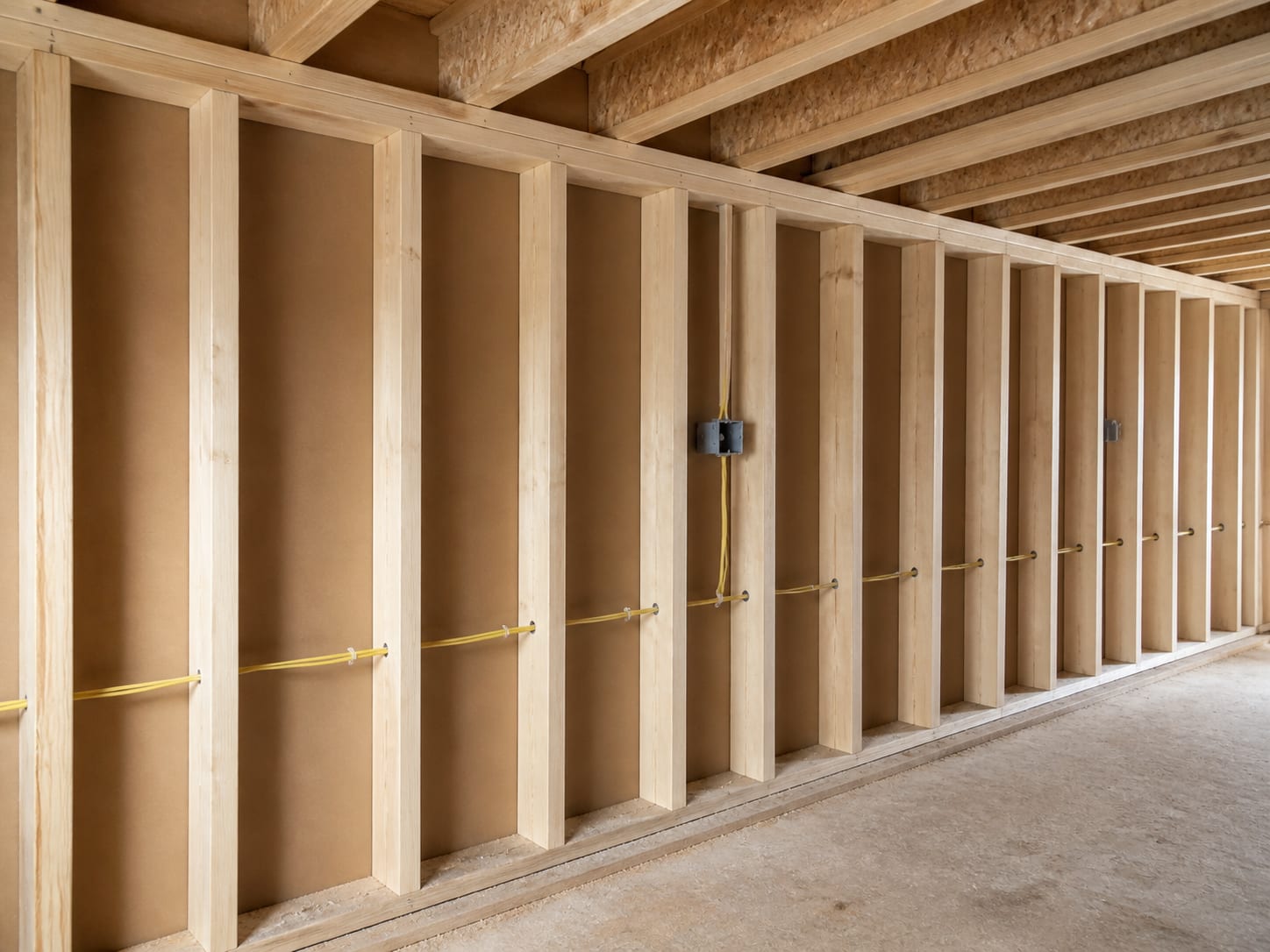
Getting the Permit Question Settled Early Saves a Month
Here is the single most practical local thing on this page, and it is worth knowing on day one rather than day thirty.
A construction permit is required before work begins unless the work is ordinary maintenance or otherwise exempt, and emergency work and certain limited Uniform Construction Code circumstances have their own notification rules. West Windsor also requires contractors and subcontractors doing permit-subject work to be registered with the Township, which is a fair question to put to anybody bidding.
The Township publishes its review windows, and they are real numbers you can build a programme around:
Hover or tap a row to highlight it.
| Stage | Published window |
|---|---|
| initial complete permit submission, or a critically deficient resubmission | 20 business days |
| resubmission | 7 business days |
| complete certificate of occupancy application | 10 business days |
Two things follow from that. First, "complete" is doing a lot of work in those descriptions, and an incomplete submission does not start the clock, it restarts it. Getting the paperwork right the first time is worth more than any amount of chasing. Second, these are review windows, not a rebuild duration. The municipality publishes no standard post-mold rebuild completion time, and any contractor quoting you one is quoting their own optimism.
If the address sits in a flood hazard area, a floodplain development permit may be required in addition to a building permit, and the application can call for a site plan, construction documents and a valuation. That is a fork worth establishing before materials are ordered rather than after.
The Rebuild Runs in an Order, and the Order Protects You
From Verified Dry to Finished Room
- 1
Correct and document the moisture source
The fix, and the record of the fix.
- 2
Complete removal and cleaning
And decide whether verification sampling is warranted for your situation.
- 3
Confirm the four conditions
Dry, no visible mold, no damaged material, no odour.
- 4
Define the rebuild scope
What actually goes back, and to what standard.
- 5
Obtain approvals before covered work
Permits in hand before anything is concealed.
- 6
Framing and structural
Anything compromised is repaired or replaced first.
- 7
Electrical, plumbing, HVAC
The services, inspected while they are still visible.
- 8
Insulation, walls and ceilings
The point of no return for anything behind them.
- 9
Flooring and finishes
The part everybody wants to start with.
- 10
Retain the closeout documentation
Which is the thing you will actually need later.
The reason the order matters is that each stage covers the one before it. Inspections exist at the points where work is about to be concealed, which is why an approval obtained after the drywall is up is not an approval, it is a problem.
Knowing What Goes Back and to What Standard
Two questions worth settling in writing before the scope is agreed.
Like for like, or better. You are entitled to decide that the insulation going back is not the insulation that came out, or that a finished lower level is being rebuilt to a different specification. That is a scope conversation, and in a flood hazard area it can also be a substantial improvement question, so it belongs at the start.
Where the moisture correction sits in the contract. This is where post-mold rebuilds most often go wrong commercially. If the remediation contractor corrected the source, the record should say so. If the correction is somebody else's work, an exterior drainage contractor, a roofer, a plumber, then the rebuild should not close until it is done and evidenced. A rebuild scope that is silent about the moisture correction is a scope that assumes somebody else handled it.
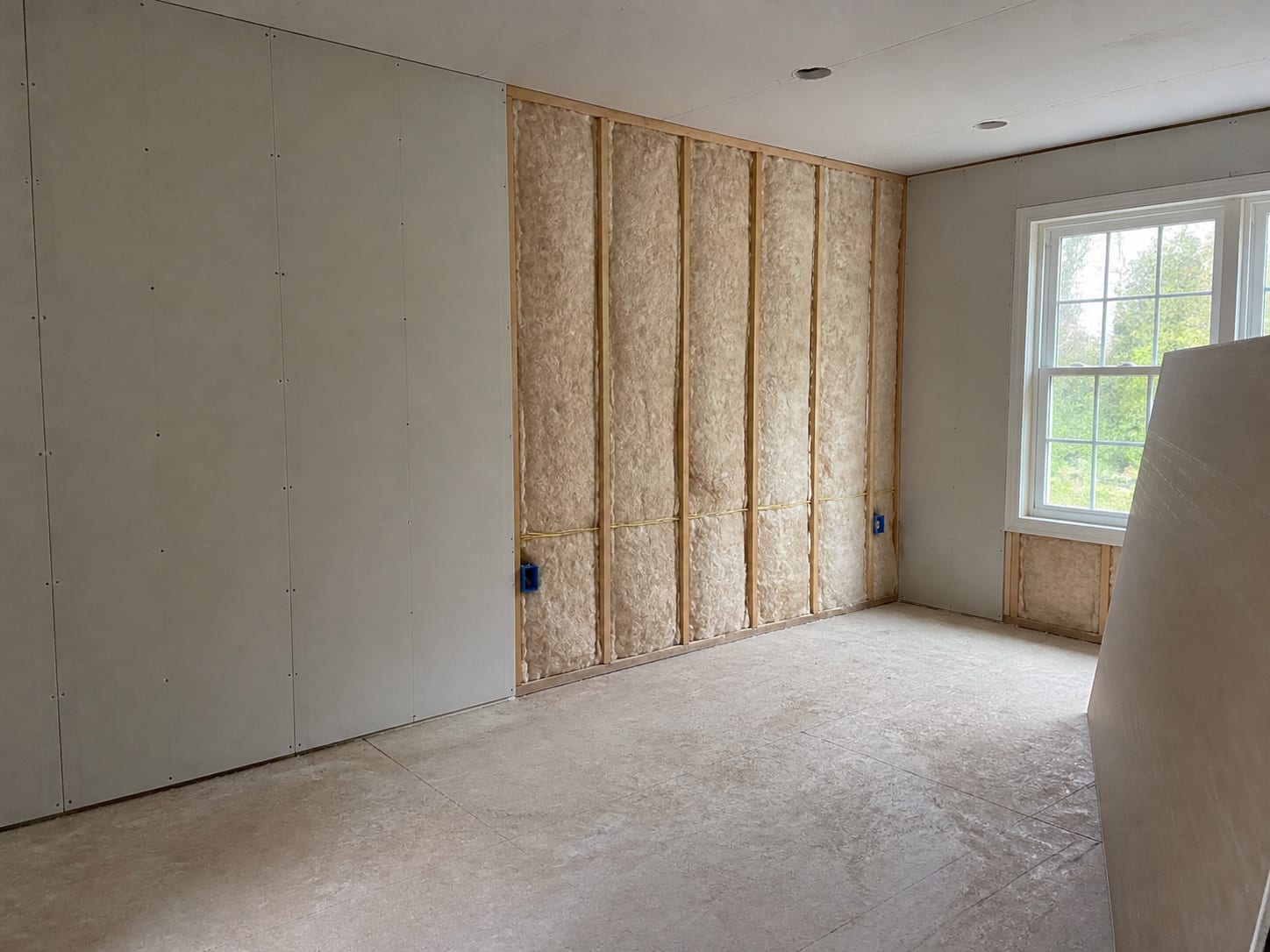
Keeping the Record That Answers Questions Later
The closeout file is worth assembling properly because it gets used more often than people expect: at a claim, at a sale, at a tenancy dispute, or the next time anybody wonders what is behind that wall.
What belongs in it: the reported water event and its date, the moisture findings, the affected materials and what was removed, the moisture correction and its evidence, the work scope, the invoices, the permit and inspection records, and any targeted laboratory or clearance report if one was done.
That file is also the honest answer to the question a buyer's inspector will eventually ask, which is not "was there ever mold here" but "what was found, what was done about the water, and who signed it off". A property with that answer in a folder is in a materially better position than one relying on memory.
What Changes the Scope and the Cost
- How much was removed, which sets the size of the rebuild.
- Whether structural or service work is involved, since framing, electrical, plumbing and HVAC each carry their own inspections.
- The specification going back, like for like or upgraded.
- Permit path, and whether a floodplain development permit applies.
- Access and occupancy, particularly in a townhouse, condominium or tenanted property.
- Whether the moisture correction is inside this contract or a separate trade's work.
No published West Windsor price range exists for post-mold rebuild work, and the honest reason is that a rebuild is priced from a defined scope rather than from the event that caused it.
Frequently Asked Questions About post mold remediation rebuild West Windsor NJ
How do I know the room is actually ready to close up?
Four conditions, and you can check them yourself. The moisture source is corrected and there is a record of it, no visible mold remains, no mold-damaged material remains, and there is no mold odour. Those are EPA's completion standard, and the odour one is worth taking seriously rather than dismissing as subjective.
Do I need a clearance test before the rebuild?
Not as a rule. EPA says there is no federal mold-spore threshold that can serve as a universal compliance test, and that sampling is usually unnecessary where the situation is visible. Pre and post-remediation sampling is useful in particular circumstances, chiefly where you need a documented result for a claim, a sale, a tenancy or a dispute. Ask for it deliberately if that is your situation.
How long will the rebuild take?
There is no published West Windsor standard, and the schedule depends on scope, permit status, materials, inspections and any floodplain review. What is published are the review windows: 20 business days for an initial complete submission or a critically deficient resubmission, 7 for a resubmission, and 10 for a complete certificate of occupancy application. Build those into the programme from the start.
Do I need a permit to put the room back?
For anything beyond ordinary maintenance, yes, and it must be obtained before the work rather than after. If your property is in a flood hazard area, a floodplain development permit may be needed in addition to the building permit, and the application can require a site plan, construction documents and a valuation.
Can I use my own builder for the rebuild?
Yes, with two checks. Contractors and subcontractors doing permit-subject work must be registered with the Township. And whoever it is needs the closeout information from the remediation, particularly the moisture correction, because a builder working without it will happily close a wall over an unresolved source.
Can I upgrade while the wall is open?
Often the sensible moment to, since the access is already there. Raise it at the scope stage, because it changes the permit picture and, in a flood hazard area, can raise a substantial improvement question that is much easier to answer before work starts.
Final Thoughts
A post-mold rebuild is ordinary construction with one unusual gate at the front of it. Four conditions have to be true before anything gets covered, all of them checkable by walking the room, and the most commonly skipped is the one about the moisture source actually being corrected rather than merely identified. After that, the sequence protects you because each stage conceals the one before it, and the inspections sit exactly where concealment happens.
The local piece is the permit clock, and it is a friend rather than an obstacle once you know it. Twenty business days, seven, and ten, on complete submissions. A homeowner who knows those on day one plans around them. One who learns them at the point of ordering flooring loses a month.
If your remediation is finished and you want the room back properly, we will confirm the four conditions, tell you what the permit path looks like for your address, and rebuild it. ExecPro Restoration & Cleaning has done remediation and build-back across Mercer County since 2015, from Princeton Junction NJ through West Windsor NJ, Princeton NJ, Plainsboro NJ, Hightstown NJ and Robbinsville NJ. Call ExecPro Restoration & Cleaning at (888) 300-3772 or get in touch. Because we handle both the remediation and the reconstruction, the moisture correction and the closeout record do not fall between two contractors.
Serving West Windsor
ExecPro Restoration & Cleaning provides mold remediation services in West Windsor, NJ, from inspection and testing through removal, drying, and post-remediation verification. Call (888) 300-3772 for 24/7 emergency response.
Related Articles
Before You Rebuild: Post Mold Remediation Rebuild in Plainsboro, NJ
The remediation is done and the room is open. What must happen before you rebuild in Plainsboro, NJ, which scopes need a permit, and how the job ends.
Finishing a Basement in New Jersey: The Moisture Checks to Do Before Framing
Planning on finishing a basement in NJ? Walk through the moisture checks, below-grade materials, permits and records that come before framing.
Custom Carpentry in Trenton, NJ: Trim and Millwork for Federal, Italianate and Victorian Houses
For a Federal, Italianate or Victorian house, new trim must match the old. See how custom carpentry in Trenton handles profiles, lead and city review.