Before You Rebuild: Post Mold Remediation Rebuild in Plainsboro, NJ
Cal HewittPublished
- post mold remediation rebuild
- permits
- certificate of approval
- plainsboro nj
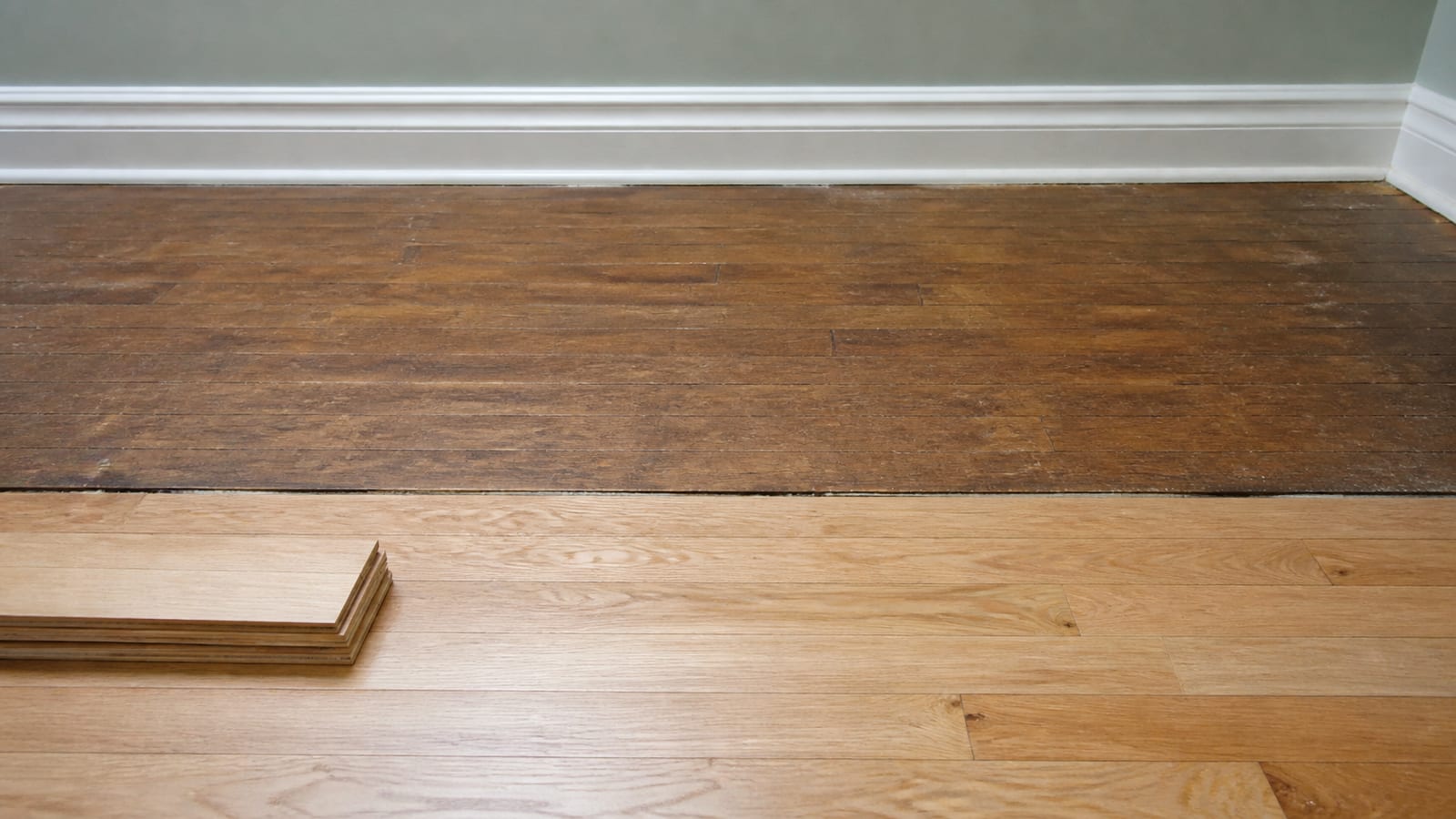
The room is dry, open to the studs, and unusable, and the natural instinct is to get somebody in on Monday to close it up. That instinct is right about the urgency and wrong about the order. Two things have to be true before anybody hangs a sheet of drywall, and neither of them is about mold.
This covers those two gates, how to tell which kind of construction scope you actually have, when Plainsboro needs a permit and sealed plans, what it costs, and the piece almost everybody forgets: the job does not legally end with the last coat of paint, it ends with a certificate.
Key Takeaways
Two gates come before the rebuild
The space verified dry with the source corrected, and the insurer having seen the damage.
Do not discard damaged property early
State guidance is to keep it until the insurer has had the chance to inspect, and to hold permanent repairs until the adjuster has reviewed.
Your scope has a code category
Repair, renovation, alteration or reconstruction under New Jersey's Rehabilitation Subcode, and it decides the permit path.
Plans usually need an architect, with one exception
A resident homeowner may prepare plans for their own single-family residence.
The job ends with a certificate
Altered spaces get a Certificate of Occupancy; renovated or altered buildings get a Certificate of Approval.
Plainsboro has no historic overlay ordinance
So "historic approval is required here" is not accurate, though an individual older property still deserves a look.
Gate One: Is It Actually Dry, and Is the Source Fixed
Rebuilding over a live moisture source is the single most expensive mistake available at this stage, because it buries the problem behind new material that then has to come out again.
EPA's guidance is explicit that a cleanup has to include fixing the water problem, since cleaning without correcting the moisture is likely to let it recur, and it sets 24 to 48 hours as the drying window for water damaged material. So the question to ask before the rebuild is not "does it look finished" but two specific ones: what was the source, and what was done about it. If the answer to the second is vague, that is your answer about whether to proceed.
The verification matters too. Drying is finished on logged moisture readings that come down and hold, measured against comparable dry material, not on how the framing feels to the hand. If you want that recorded independently, post remediation verification is a separate step with its own purpose, and it is far cheaper than opening a finished wall in six months to find out.
One practical note while you wait: do not run the heating and cooling system if it is known or suspected to be contaminated, because EPA warns that doing so can spread mold through the building. That includes running it to "help dry things out."
Gate Two: Has Your Insurer Seen It
This one catches people because the incentive runs the wrong way. The room is unusable, so the instinct is to clear it out and get moving.
New Jersey's Department of Banking and Insurance advises policyholders to make necessary temporary repairs, keep the receipts, document damaged and beyond-repair possessions, and specifically not to discard damaged property before the insurer has had an opportunity to inspect it. It goes further on sequencing: permanent repairs should wait until the adjuster has reviewed the damage.
Temporary and permanent is the distinction that matters. Boarding up, tarping, drying, and anything that stops the loss getting worse is expected of you and should be done. Closing the wall is permanent, and doing it before the adjuster has looked destroys the evidence of what was behind it.
Worth knowing alongside that: homeowner policies exclude water damage caused by flood. If the source was surface water rather than a plumbing failure, the coverage conversation is a different policy entirely, and the answer for your property lives in your declarations page rather than in anything a contractor can tell you. Where a carrier is funding the work, insurance restoration services is where the scope and the paperwork have to agree with each other.
What Kind of Construction Scope Do You Have
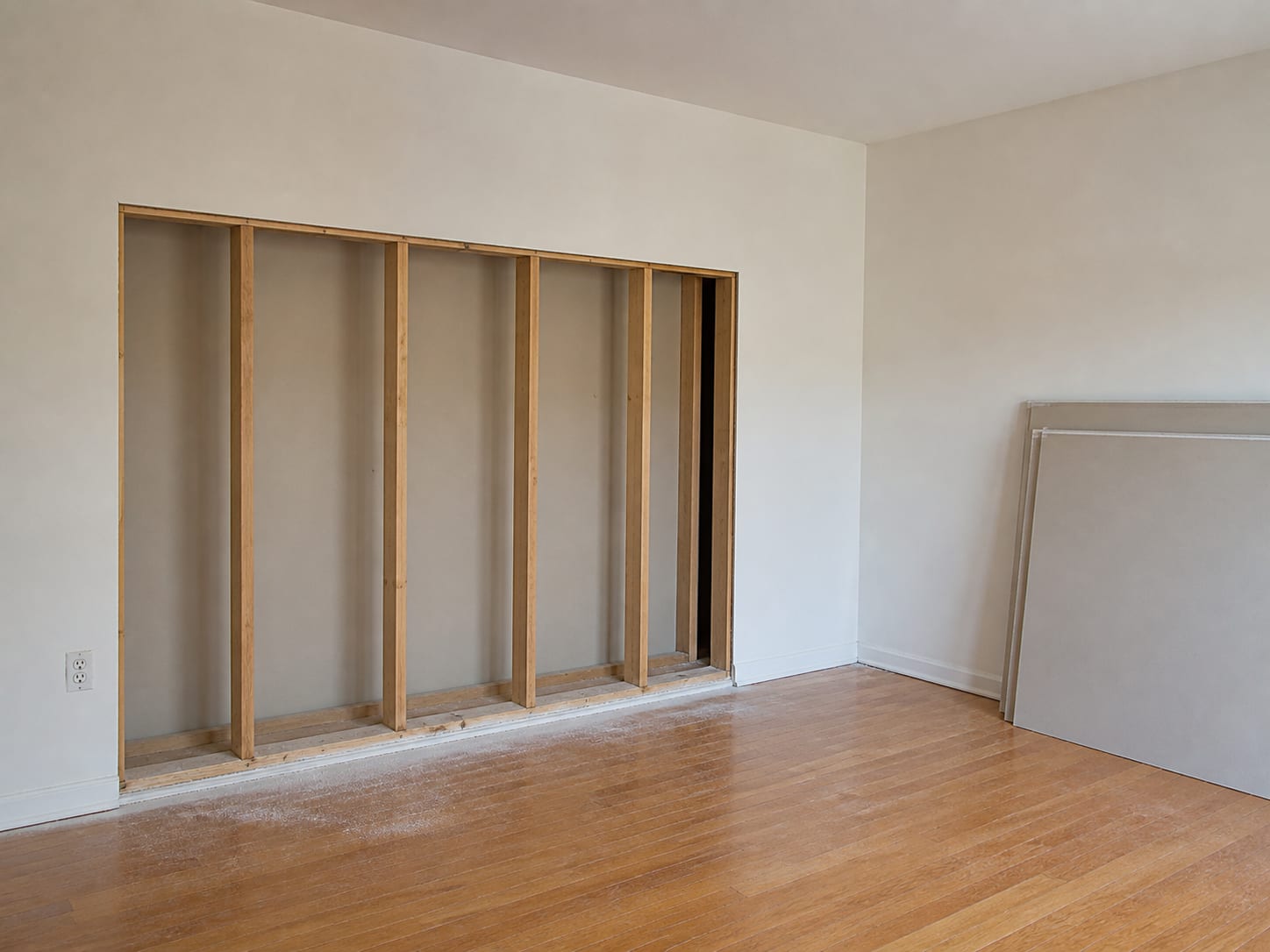
New Jersey's Rehabilitation Subcode sorts work on an existing building into categories, and the category rather than the room size decides the path. In plain terms:
A repair puts back what was there, in kind. Replacing removed drywall and trim in the same layout with the same materials sits at this end.
A renovation or alteration changes something: the layout, the finishes to a different specification, the electrical or plumbing arrangement, or how the space is used.
A reconstruction is the heavier end, where the work is extensive enough that the code treats the space as substantially rebuilt.
Plainsboro's own line is that a permit is generally required for new construction, additions, and renovations or alterations affecting use, structure or egress. So swapping drywall back into an unchanged wall is a different conversation from moving a wall, adding a circuit, relocating a bathroom, or turning what was storage into a habitable room. Where framing was affected and has to be repaired rather than just re-covered, that is structural mold repair and it belongs in the permitted category almost by definition.
The Permit Package, and the Homeowner Exception
If your scope is permitted work, Plainsboro's application package is a jacket, the applicable subcode technical sections, and two copies of the work plans. A Zoning Compliance Form is required where the work affects an exterior or a setback.
Plans are required for most projects, and they normally must be prepared, signed and sealed by a licensed New Jersey architect. There is one exception worth knowing before you pay for drawings: a resident homeowner may prepare the plans for their own single-family residence. That does not make the permit optional and it does not remove the inspections, but for a straightforward rebuild in a house you actually live in, it can take a real cost out of the middle of the job.
On scheduling, the only published local number is that inspections may be requested at least 24 hours ahead, subject to daily demand. There is no published permit review duration, so build your expectations from the plan review comments you actually receive rather than from an assumed turnaround.
How the Job Legally Ends
This is the part people are surprised by, and it is worth getting right because it affects reoccupying the space and, later, selling the house.
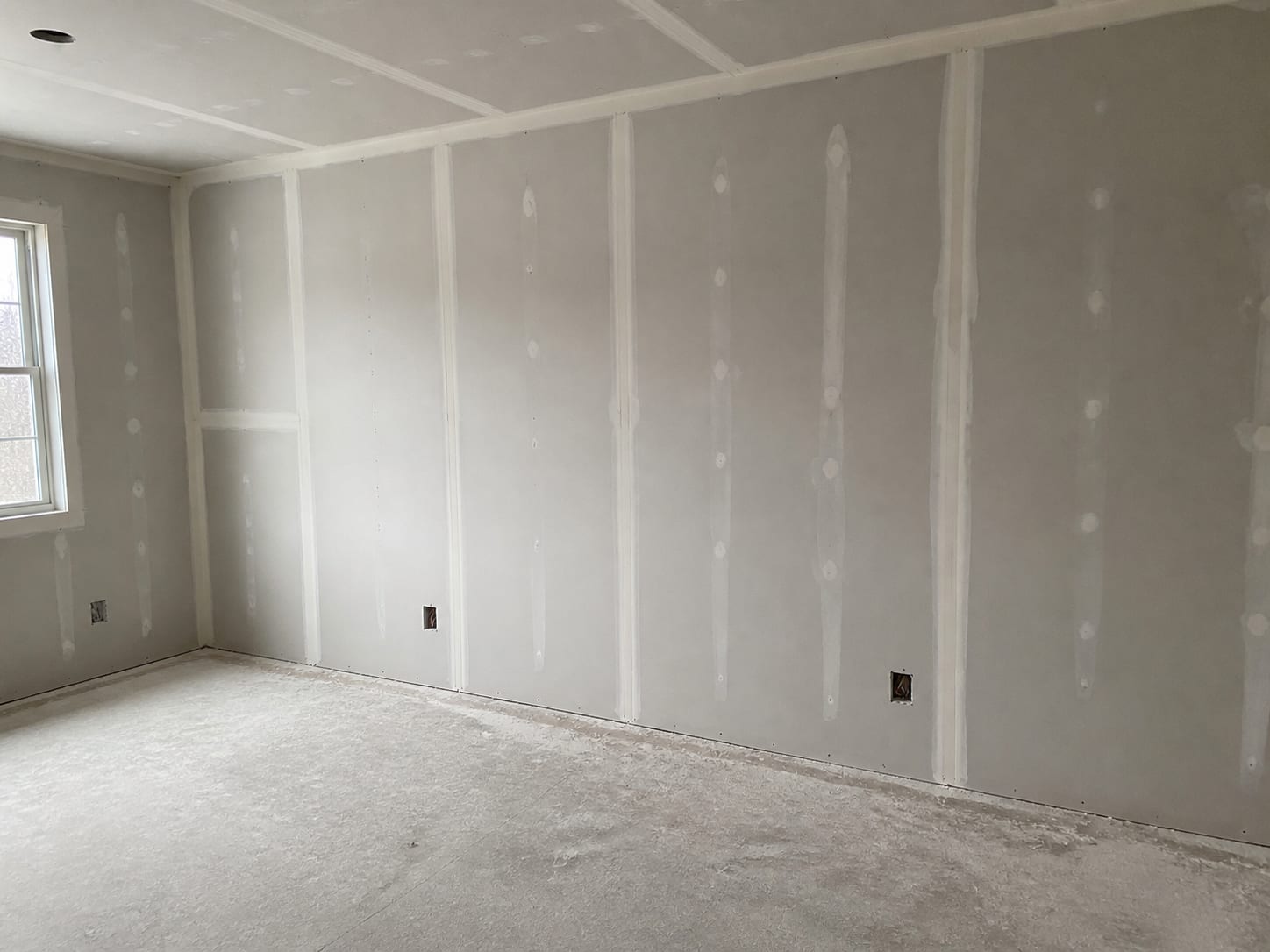
Plainsboro's Building Division administers the state construction code, reviews applications, performs the inspections and issues the certificates. New buildings, additions and altered spaces require a Certificate of Occupancy. Renovated or altered buildings receive a Certificate of Approval. That certificate is the handoff between a remediated area and a legally completed construction scope, and it is the document that says the work was inspected and accepted.
If you take one thing from this section: the last coat of paint is not the end of the job. The certificate is. Ask at permit stage which one your scope will end with, so nobody is chasing it after the crews have gone.
The Order a Rebuild Runs In
- 1
Confirm it is dry and the source is corrected
Logged readings that hold, and a clear answer on what let the water in. EPA is explicit that cleaning without correcting the moisture invites a recurrence.
- 2
Let the insurer inspect
State guidance says permanent repairs wait until the adjuster has reviewed, and damaged property should not be discarded before they have had the chance to look.
- 3
Establish the code category
Repair, renovation, alteration or reconstruction under the Rehabilitation Subcode. This decides everything that follows.
- 4
Apply if the scope is permitted work
Jacket, subcode technical sections, two copies of plans, plus a Zoning Compliance Form where the exterior or a setback is affected.
- 5
Rebuild and call the inspections
Requested at least 24 hours ahead, subject to daily demand.
- 6
Collect the certificate
A Certificate of Occupancy for an altered space, a Certificate of Approval for a renovated or altered building.
What Drives the Cost
There is no published Plainsboro price range for post remediation rebuild, and any local average quoted at you is invented. The honest drivers are these.
How much material was removed and what has to go back. Whether the work touches structure, egress, use, heating and cooling, plumbing or electrical, because that is the line between unpermitted repair and permitted alteration. Whether plans and a zoning form are needed, and whether an architect has to seal them. Whether the space ends in a Certificate of Occupancy or a Certificate of Approval. And whether contents, the mechanical system, common elements or a neighbouring unit were involved.
EPA's note that absorbent materials with mold growth may need replacement is a scope driver rather than a certainty, and it is one of the larger swings: insulation, carpet and pad are cheap to buy and awkward to discover late.
One local figure exists and it is not a price. Plainsboro's current affordable housing plan page reports a home improvement and rehabilitation programme offering a 10-year forgivable loan of up to $30,000 against a 53-unit obligation, with more programme information to follow. That is municipal programme information, not the cost of a rebuild, and eligibility and scope have to be confirmed with the programme administrator. It is worth a phone call if the timing lines up.
Matching What Was There
The technical work in a rebuild is routine. The quiet difficulty is matching a finish that is ten or twenty years old, because flooring, trim profiles and paint colours are discontinued constantly and a partial replacement announces itself at the joint.
Three practical moves. Take a sample before anything is thrown out, not after, since a scrap of the original plank or trim is worth far more than a photograph when you are standing in a supplier's aisle. Where an exact match is not available, run the new material to a natural break, a doorway, a threshold, a corner, rather than stopping it mid-run. And expect a sheen difference on paint even with the right colour, which is why cutting in to the nearest corner usually looks better than feathering into the middle of a wall.
The Township's own preservation plan makes a related point for older properties: it encourages preserving character-defining material and repairing rather than replacing where possible. That is guidance rather than a requirement here, and it is good advice on any house with original detail.
What You Can Do Yourself
Plenty, at this stage, and more than at any earlier one. The space is dry, the hazardous part is finished, and much of what remains is ordinary construction.
Realistically within reach: insulation, drywall hanging and finishing, trim, painting, and reinstalling fixtures you removed. What is not: anything electrical, plumbing or structural without the licensed trades and the permit those carry, and anything you would be doing before the two gates above are cleared.
If you are preparing the space yourself, keep the moisture readings and the remediation paperwork together with the permit and inspection records. That folder is what a buyer's inspector or an insurer asks for, and it is nearly impossible to reassemble afterward. Where a contractor is doing the finish work, drywall replacement after mold and the wider build back services cover the reconstruction side.
Frequently Asked Questions About Post Mold Remediation Rebuild in Plainsboro, NJ
How soon can I start rebuilding?
Once the space is verified dry with the source corrected, and once your insurer has had the chance to inspect if you are claiming. Those two, in either order, and both genuinely matter. State guidance is that permanent repairs should wait until the adjuster has reviewed the damage, and rebuilding over an uncorrected source is how the same wall comes apart twice.
Do I need a permit just to put the drywall back?
Often not, if you are replacing what was there in the same layout with the same materials. Plainsboro requires permits generally for renovations or alterations affecting use, structure or egress, so the answer turns on whether anything is changing rather than on how much drywall is involved. The Building Division makes that call from your actual scope, and asking before you start is free.
Do I have to hire an architect?
For most permitted projects, yes: plans normally have to be prepared, signed and sealed by a licensed New Jersey architect. The exception is that a resident homeowner may prepare the plans for their own single-family residence. If that describes you, it is worth knowing before you commission drawings.
Is there a historic approval step in Plainsboro?
Not as an ordinance. The Township's preservation plan says it has not adopted a Historic Preservation Overlay Ordinance, so a blanket statement that historic approval is required here would be wrong. An individual older or listed property still deserves its own look, and the plan does encourage repairing rather than replacing character-defining material.
Will insurance pay for the rebuild?
That depends on the policy, the cause of loss and your endorsements, and it is settled by your declarations page rather than by a contractor. Two things you control: report promptly, and do not discard damaged property or make permanent repairs before the adjuster has seen it. Keep receipts for the temporary repairs, because those are usually treated differently from the permanent ones.
What paperwork should I end up holding?
The source and cause, the moisture readings and drying records, photographs before and during, the itemised scope, the invoices, the permit, the inspection results and the final certificate. That set answers every question a buyer, an inspector or an insurer will ask later, and every part of it is easy to collect now and impossible to reconstruct in two years.
Final Thoughts
A rebuild after remediation is the least technical stage and the one most often rushed, which is why it is where avoidable money gets spent. The order that works is unglamorous: confirm it is dry and the source is fixed, let the insurer see it, establish what code category your scope falls into, get the permit and the plans if it needs them, rebuild, pass the inspections, and collect the certificate.
Do that and the room comes back once. Skip a gate and you find out which one you skipped, usually from behind a finished wall. The wider local picture is on our Plainsboro service area page, and the service itself is on our post mold remediation rebuild page.
If your space is dry and you want the rebuild scoped properly before anybody starts, ExecPro Restoration & Cleaning will tell you which category the work falls into. Call (888) 300-3772 or reach us through the contact page.
Rebuild Terms
Tap a term to see what it means.
Rehabilitation Subcode. The New Jersey code that sorts work on an existing building into repair, renovation, alteration and reconstruction, which decides the permit path.
Serving Plainsboro
ExecPro Restoration & Cleaning provides mold remediation services in Plainsboro, NJ, from inspection and testing through removal, drying, and post-remediation verification. Call (888) 300-3772 for 24/7 emergency response.
Related Articles
Post-Mold Rebuild in West Windsor, NJ: What Must Be True Before It Closes
The remediation is done and the room is open. What has to be verified before anything is covered, the Township's permit clocks, and the order the rebuild runs in.
Finishing a Basement in New Jersey: The Moisture Checks to Do Before Framing
Planning on finishing a basement in NJ? Walk through the moisture checks, below-grade materials, permits and records that come before framing.
Custom Carpentry in Trenton, NJ: Trim and Millwork for Federal, Italianate and Victorian Houses
For a Federal, Italianate or Victorian house, new trim must match the old. See how custom carpentry in Trenton handles profiles, lead and city review.