Who Is the Result For: Mold Testing in Plainsboro, NJ
Cal HewittPublished
- mold testing
- chain of custody
- documentation
- plainsboro nj
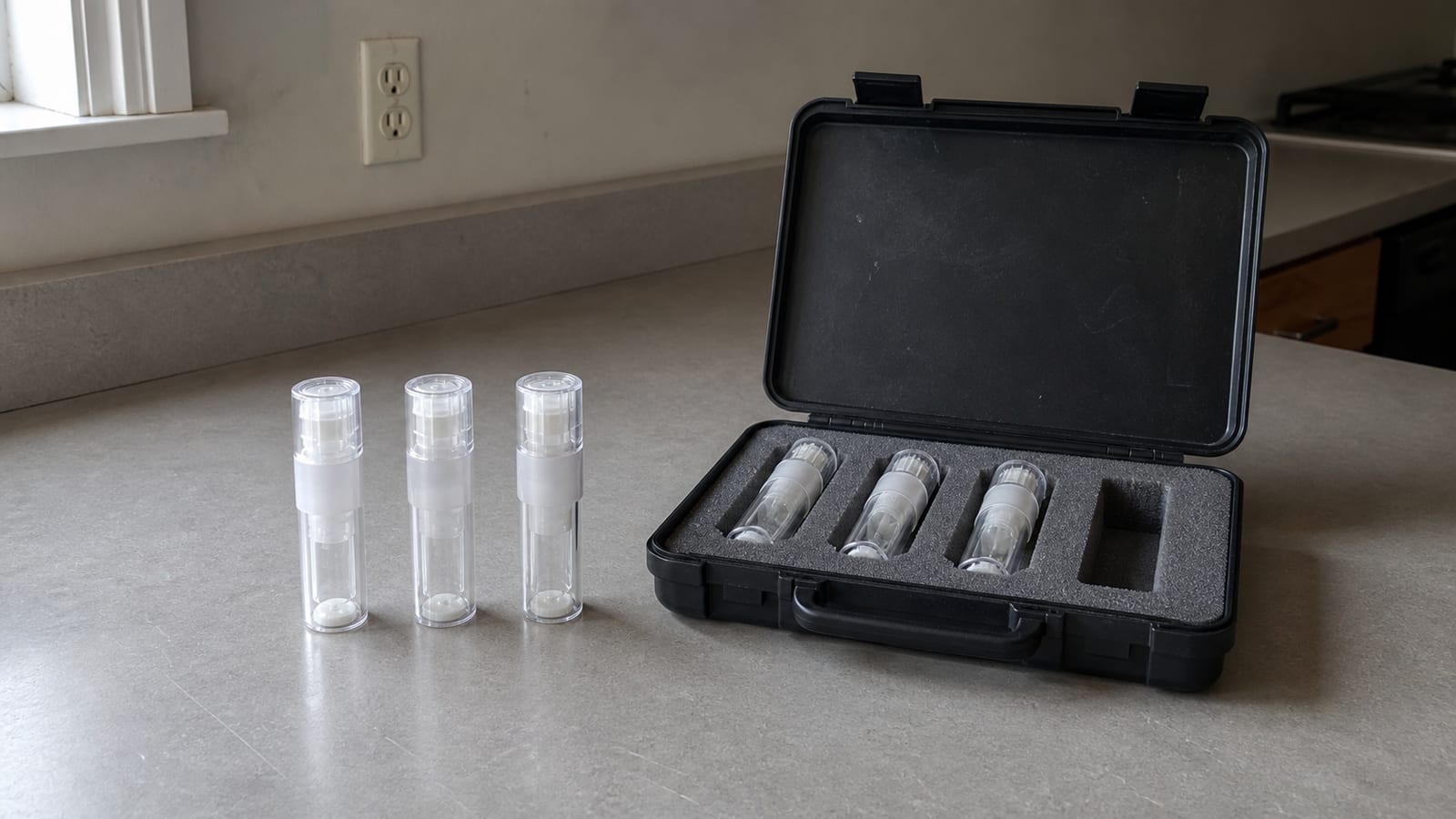
Somebody has asked you for a test. A landlord, a condominium board, a buyer, an insurer, or a lawyer, and now you are trying to work out what will actually satisfy them. That is a different problem from wondering whether you have mold, and it has a different answer.
The short version: the person asking determines the product. What makes a result stick is rarely the number on it. It is the sampling plan, who collected it, whether the handling is documented, which laboratory and method were used, and whether the limitations are written down. Get those right and the report is accepted. Get them wrong and you have paid for something that gets argued with.
Key Takeaways
The requester defines the product
Ask what decision the result has to support before you book anything.
The number is rarely the point
The sampling plan, the chain of custody and the stated limitations are what make a report defensible.
Independence matters where money is disputed
A remediator testing their own finished work is a real objection somebody will raise.
Sample type follows the question
Air, surface, tape, swab and bulk answer different things.
New Jersey does not certify mold companies
The state health department says so plainly, so evaluate the protocol rather than look for a licence.
A local rental inspection is visual only
Plainsboro's own guidance says so, and it is not a mold test.
Ask the Requester One Question First
Before you book anything, ask whoever wants the test: what decision does this result have to support?
The answers land in a handful of places and each one changes what you buy.
A landlord or a tenant in a dispute about a condition. What matters here is a dated record of the observed condition and the moisture context, and that the person collecting it is not the person who would pay for the repair.
A condominium board or manager, usually about whether the source sits inside a unit or in a common element. The sampling plan needs to say what was and was not accessible, because that boundary is the actual question.
A buyer or a seller in a transaction. Here the value is a defensible, dated document with methods stated, produced by somebody the other side has no reason to distrust.
An insurer. New Jersey's insurance bulletin on the standard mold coverage describes it as including testing to confirm the absence, presence or level of mold, so testing can sit inside the claim rather than beside it. That does not mean your policy covers this loss, and the adjuster assigned to inspect the damage determines coverage.
A lawyer. Chain of custody and independence become the whole game, and you should be told that up front rather than discovering it later.
If the requester cannot say what decision the result supports, that is worth resolving before spending money. A test bought without a question tends to produce a report that nobody treats as conclusive.
Which Sample Answers Which Question
Testing is not one product, and matching the sample type to the question is most of getting value out of it.
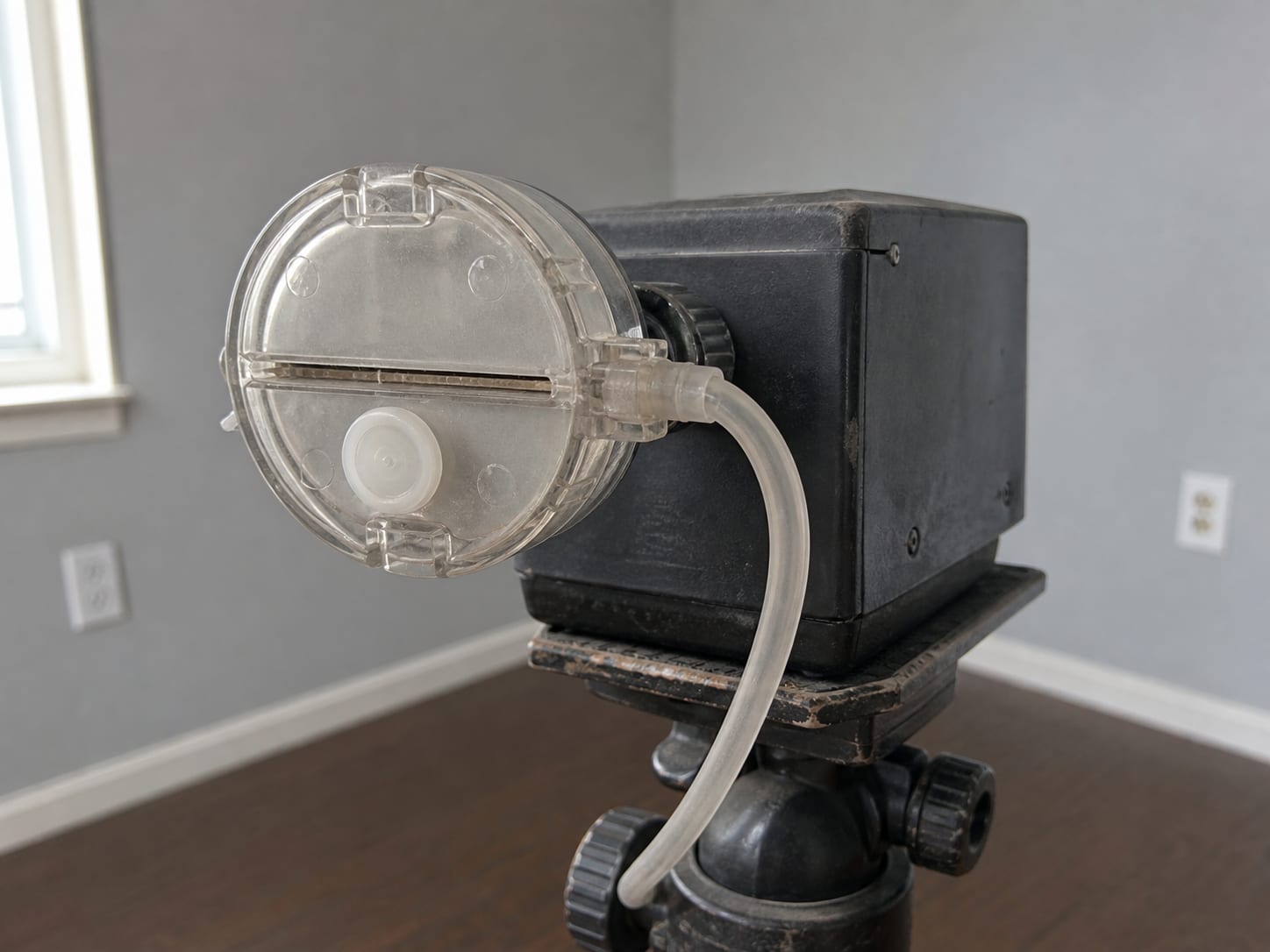
Air sampling compares what is airborne indoors against an outdoor control collected at the same time. It suits a concealed source or a comparison across locations. It is covered in more depth on our indoor air quality testing page.
Surface, tape or swab sampling takes material from a specific spot. It answers whether what you are looking at is growth, and it is often more informative than air where the material is accessible.
Bulk sampling takes a piece of the material itself, used where the question is about a specific building component.
Post remediation documentation is its own purpose with its own method: a record of the finished condition after a cleanup, which is what a board, a buyer or an insurer usually wants at the end rather than at the beginning.
The mismatch to avoid is buying air sampling to answer a question about a visible patch on a wall. Where growth is accessible, a surface sample says more, and where the water source is already known, the sampling may not change the decision at all.
What Makes a Result Acceptable to Somebody Else
This is the part that separates a report that ends a conversation from one that starts an argument.
A stated question. What the sampling was designed to establish, written at the top rather than implied.
A sampling plan. Which locations, why those, and what was inaccessible. In an apartment or a shared building, the inaccessible list is often the most important paragraph in the document.
Conditions at the time. Date, weather, whether the system was running, windows shut, occupancy and recent cleaning. Without these, nobody can re-read the result later.
Chain of custody. The documented handling from collection to laboratory. This is the single most common gap in a cheap report and the first thing a serious third party looks for.
A named laboratory and method. Not just a number.
Limitations, in writing. What the sampling could not establish. A report that states its own limits is stronger, not weaker.
Independence where it matters. If the result will be used to decide who pays, expect the other side to ask whether the person who collected the sample also stands to be paid for the remediation. Sometimes that is fine and everybody knows it. In a genuine dispute it is worth separating the roles from the start rather than being asked to repeat the work later.
When You Do Not Need One
Worth saying plainly, because it saves money.
If you can see the growth and you know where the water is coming from, a test usually will not change what happens next. The growth is the finding, and the remediation is driven by how much material is affected and what wet it. Spending on identifying something you are going to remove either way buys a label rather than a decision.
There is also no threshold to pass. No federal airborne mold limit exists, so no result can amount to a clearance in the way people expect. That matters most when somebody is asking you to prove a property is fine: what you can produce is a documented comparison and a record of the finished condition, not a certificate.
If your own question is really "where is the water coming from", that is a mold inspection with moisture readings rather than a laboratory result, and it is usually the better first purchase.
Credentials, and What They Are Worth Here
One fact does a lot of work: the New Jersey Department of Health states that there is no state certification programme for companies performing mold or general indoor air and environmental health services, and that the companies on its consumer lists are neither endorsed nor qualified by the Department.
So there is no New Jersey mold testing licence to ask for. What you can evaluate instead is the proposed protocol, the laboratory and method, the insurance, the reporting format, and whether the scope actually matches your question. Ask to see a sample report before you book. It is the fastest way to tell whether the document you get will be accepted by whoever asked for it.
Rentals, Resales and the Local Process
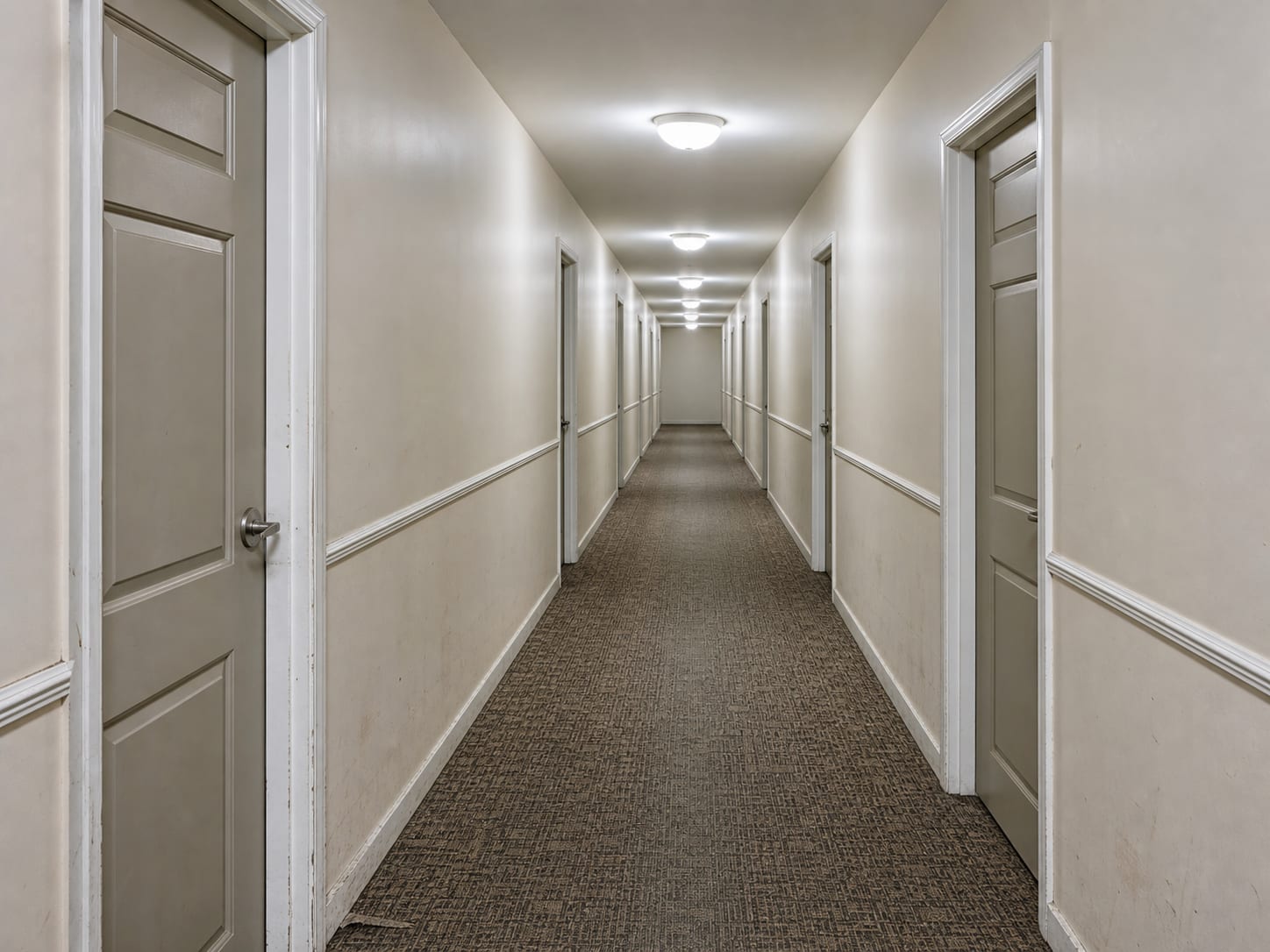
Plainsboro's Housing Code sets standards and inspections for rentals, resales and multiple dwellings, and this is where expectations often get confused.
The Township's own rental inspection guidance says plainly that its inspection is visual only and is not a guarantee or a warranty. It is not a mold test and it does not produce one. So a municipal inspection passing does not answer a mold question, and a mold result does not substitute for the inspection.
On the tenant side, state guidance is that tenants are entitled to safe, sanitary and habitable housing, with state enforcement for buildings of three or more rentals and local requirements for smaller non-owner-occupied buildings. The state health department adds a practical steer worth knowing: government offices can often address the underlying structural deficiency, a water leak or a plumbing problem, rather than mold contamination itself. If you are a tenant getting nowhere, the leak is usually the enforceable thing.
On permits, Plainsboro publishes no standalone mold sampling permit. A building permit certifies intent to perform regulated construction work, and the categories are new construction, additions and renovations or alterations affecting use, structure or egress. If sampling leads to an invasive opening or to drywall, heating and cooling, plumbing, electrical or structural work, that becomes a separate permit question for the Building Division, based on the exact opening or repair proposed.
What Drives the Cost
There is no published Plainsboro price range for mold testing and no municipal fee for private sampling, so a local average quoted at you is invented. The drivers are scope.
How many locations are sampled and whether an outdoor control is included, which for air sampling it must be. Whether surface or bulk samples accompany the air samples. Whether attic, crawl space or mechanical access is needed. The laboratory method and the depth of reporting. Whether the assignment is pre-remediation investigation, documentation for a transaction or dispute, or post remediation verification, which are three different levels of detail.
And, in a multi-unit building, whether investigating the source requires access beyond your own unit. That is a permission question as much as a cost one, and it should be separated in the quote.
Ask for the estimate itemised: collection, laboratory analysis, interpretation and reporting, and any remediation kept separate from all three. A single figure that folds the analysis into the word testing cannot be compared with anything.
Frequently Asked Questions About Mold Testing in Plainsboro, NJ
My landlord says I need a test. What kind?
Ask them what decision it has to support, because that determines the sample type and the level of documentation. In a dispute about a condition, what usually matters is a dated record of the observed condition with the moisture context, collected by somebody who is not going to be paid for the repair. If the underlying issue is an unrepaired leak, the local building code office is the route state guidance points tenants toward, since the leak is the enforceable deficiency.
Can the company doing the remediation also do the testing?
Often yes, and for straightforward documentation it is efficient. Where the result will decide who pays, expect somebody to object that the party being paid for the work also produced the evidence about it. If there is a genuine dispute, separating the roles at the start is cheaper than being told to repeat the work later.
Does a clean result mean my home is safe?
No, and nobody can produce that document. There is no federal airborne mold limit for a result to be measured against, so a report cannot amount to a clearance. What it can show is a documented comparison at a point in time, or a record of the condition after a cleanup. Health questions belong with a clinician who knows the household.
Is the Township's rental inspection a mold test?
No. Plainsboro's own rental inspection guidance says the inspection is visual only and is not a guarantee or a warranty. It serves a different purpose and neither substitutes for the other.
Will insurance pay for the testing?
It can. New Jersey's insurance bulletin describing the standard mold coverage says it should include testing to confirm the absence, presence or level of mold, alongside removal and access costs. That is a description of a coverage form rather than a statement about your policy, and the adjuster assigned to your claim determines coverage. Report promptly and preserve photographs, dates and moisture observations before cleanup changes the condition.
Do I need a permit to have testing done?
No. Plainsboro publishes no standalone mold sampling permit. What can require one is the work that follows if it becomes an invasive opening or regulated construction, and that is a Building Division question based on the actual proposed scope.
Final Thoughts
Most people who buy mold testing are buying it for somebody else, and that is the fact worth organising around. Ask the requester what decision the result supports. Match the sample type to that question. Insist that the report carries a stated question, a sampling plan with its inaccessible areas named, the conditions at the time, chain of custody, the laboratory and method, and its own limitations. Where money is genuinely in dispute, keep the collector independent of the repair.
Do that and you get a document that closes a conversation. Skip it and you get a number that the other side has every reason to challenge, plus the cost of doing it again properly. The wider local picture is on our Plainsboro service area page, and the service itself is on our mold testing page.
If somebody has asked you for a test and you are not sure what will satisfy them, ExecPro Restoration & Cleaning will help you scope it before you spend. Call (888) 300-3772 or reach us through the contact page.
Testing Terms
Tap a term to see what it means.
Chain of custody. The documented handling record from collection to laboratory, and the first thing a serious third party checks.
Serving Plainsboro
ExecPro Restoration & Cleaning provides mold remediation services in Plainsboro, NJ, from inspection and testing through removal, drying, and post-remediation verification. Call (888) 300-3772 for 24/7 emergency response.
Related Articles
Mold Testing in Warren, NJ: When a Test Is Worth Running
Do you need a mold test? When a result changes a decision in a Warren, NJ property, what the outdoor control is for, and why there is no number to pass.
Mold Testing in Trenton, NJ: What a Landlord, Tenant or Buyer Can Do With a Result
Landlord, tenant or buyer: a mold test only helps if the result changes what happens next. See what mold testing in Trenton, NJ can and cannot settle.
Mold Testing in Bridgewater, NJ: When a Lab Report Changes the Plan
Offered a mold test in Bridgewater, NJ? Sampling pays off when the source is hidden or someone else needs a result, so ask what it would change first.