Mold Remediation in Bridgewater, NJ: From the Water Source to the Records You Keep
Cal HewittPublished Updated
- mold remediation
- moisture source
- documentation
- bridgewater nj
- new jersey
You know there is mold. Maybe you found it yourself, maybe a leak opened a wall and showed it to you, or maybe a buyer's inspector wrote it up and now a sale is waiting on you. Whatever brought you here, hiring a company for mold remediation in Bridgewater, NJ means handing over a whole job, and the estimates you collect will not all describe the same job. One company writes three lines and another writes three pages, and it is hard to tell which one is leaving something out. What you want to know is what the work includes, what makes it bigger or smaller, how long your home or building will be disrupted, and what paperwork you will be holding at the end. Each of those questions has a straightforward answer, and the answers all start with where the water came from.
Key Takeaways
The water source comes first
EPA says mold control is moisture control, so a written scope should list the repair of the water source before it lists any cleaning or removal.
Your building sets the size of the job
A detached house in an older neighborhood, a large-lot home, a townhouse and a commercial building each change access, containment and paperwork, even when the visible mold looks the same.
Get three things in writing
An itemized estimate, a written schedule, and a list of the records you will receive at sign-off, especially if the property may be sold.
What the Whole Job Includes, From the Water Source to Sign-Off
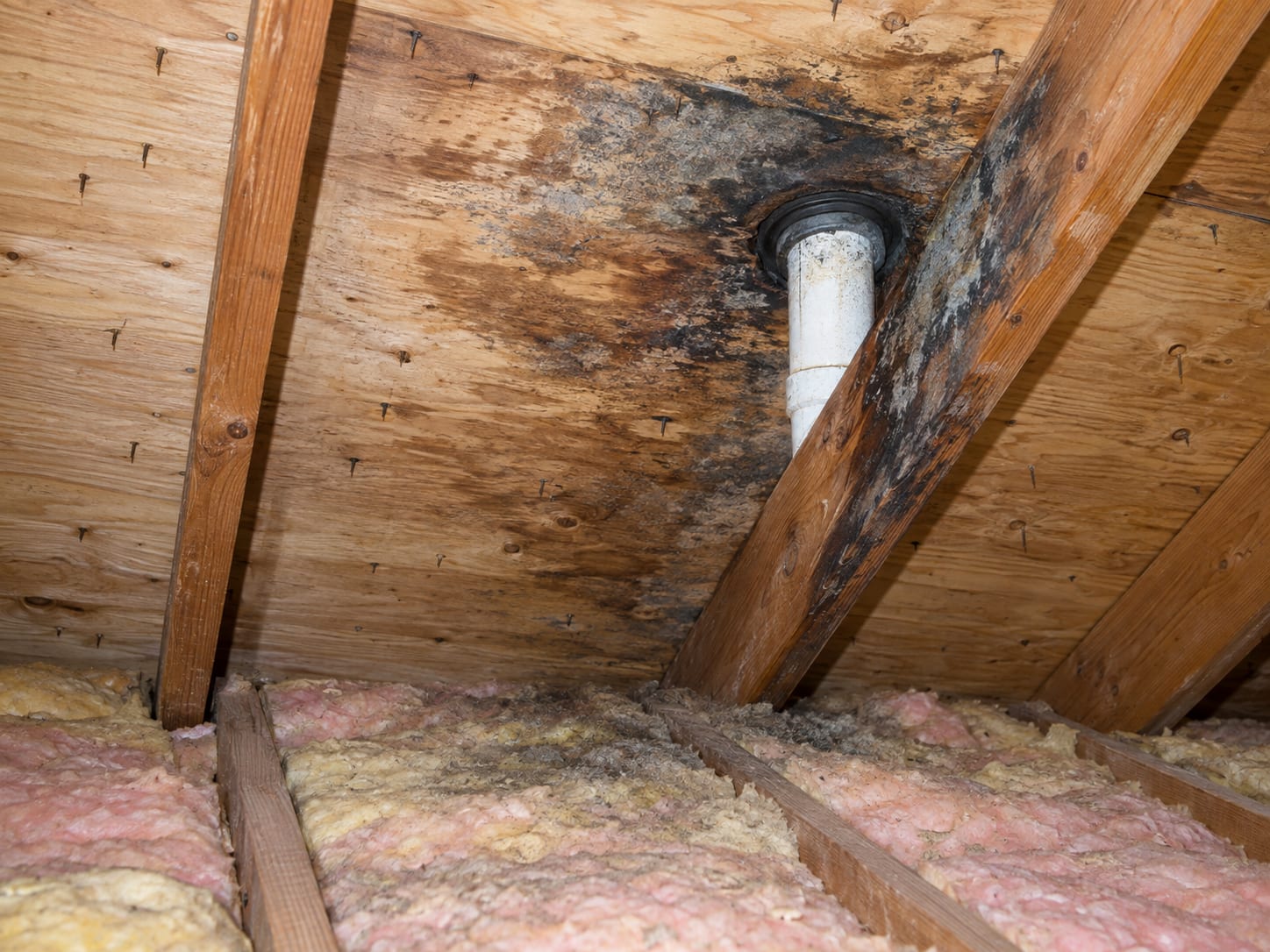
A complete mold remediation job runs in a fixed order, and the order matters because each step protects the next one. First, someone finds and stops the water that fed the growth: a plumbing leak, a roof or flashing leak, condensation, poor drainage or moisture coming into a crawl space, all of which EPA lists as common moisture sources. Then the space is protected and the loss is documented with photographs and moisture readings, so the scope is written from what is actually wet.
Next comes assessment, which means checking the visible area and the places you cannot see, such as the back of a wall, the ceiling below a bathroom or the insulation above it. Containment follows. Containment is plastic sheeting and controlled airflow that keep mold and dust from traveling into rooms that are clean. EPA describes limited containment for roughly 10 to 100 square feet of contamination and full containment above 100 square feet or where wider spread is likely. Those sizes come from EPA's guidance for schools and commercial buildings; they are planning guides and not a Bridgewater code threshold, but they are a useful way to check whether an estimate's containment matches the amount of growth it describes.
After containment, materials that cannot be cleaned come out and hard surfaces are cleaned with water or detergent and dried. Which materials come out, and which stay, is its own question, and our mold removal service page walks through it material by material. Drying comes next. EPA advises drying water-damaged material within 24 to 48 hours where possible and monitoring it with a moisture meter in carpet, wallboard, wood, brick and concrete. Only after the debris is gone and the area is dry does the crew do the final HEPA vacuuming and cleaning, which is the step that picks up fine dust left behind. Then comes verification that the area is dry and free of visible growth, rebuilding of the finishes that were removed, and a handover of records.
A Mold Job, in Order
- 1
Find and stop the water
A plumbing leak, a roof or flashing leak, condensation, poor drainage or moisture coming into a crawl space are the common sources EPA lists.
- 2
Protect the space and document the loss
Photographs and moisture readings, so the scope is written from what is actually wet.
- 3
Assess
Check the visible area and the places you cannot see, such as the back of a wall, the ceiling below a bathroom or the insulation above it.
- 4
Contain
Plastic sheeting and controlled airflow keep mold and dust from traveling into rooms that are clean.
- 5
Remove and clean
Materials that cannot be cleaned come out, and hard surfaces are cleaned with water or detergent and dried.
- 6
Dry
EPA advises drying water-damaged material within 24 to 48 hours where possible, monitored with a moisture meter.
- 7
Final HEPA vacuuming and cleaning
Once the debris is gone and the area is dry, this picks up the fine dust left behind.
- 8
Verify, rebuild and hand over records
Confirm the area is dry and free of visible growth, rebuild the finishes that were removed, and hand over your records.
Health questions sit beside the building questions. The New Jersey Department of Health says the amount of mold needed to cause health problems is not known, and that risk depends on the person, the extent of growth and its conditions. People with asthma, allergies or weakened immune systems should stay away from the work area, and symptoms belong with a clinician.
If the water was sewage or floodwater, the job changes. EPA says contaminated water needs additional protective measures and professional help, and fans should not run until you know the water is clean.
Four Bridgewater Settings That Change the Scope
The township's 2005 plan amendment and re-examination names the kinds of buildings Bridgewater is made of, and each one changes how remediation is planned. That plan is dated 2005, so use it as a description of the township's building types and not a current count. Find the setting closest to yours.
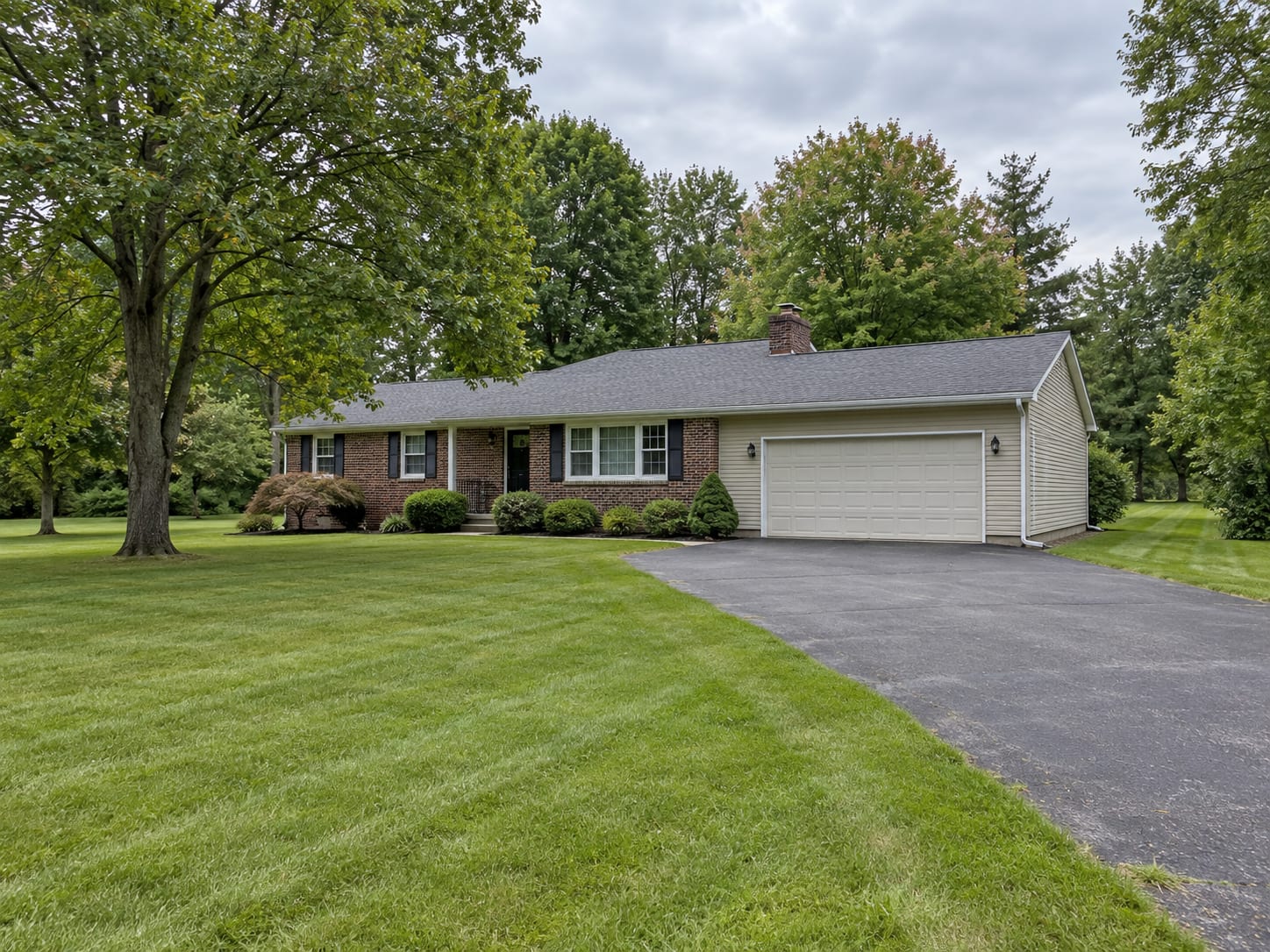
- Older established neighborhoods: The plan names Finderne, Bradley Gardens, Thomae Park and parts of Martinsville. Detached homes here may need work in basements, foundation walls, roof assemblies, wall cavities or crawl spaces, so the first visit is about finding out which of those the water reached.
- Large-lot single-family areas: The plan names areas around Foothill Road, Martinsville and Country Club Road. The house is usually detached, which gives crews outside access for equipment and debris, but a leak can hide a long way from where you first see the stain.
- Townhouses and multifamily buildings: The plan lists attached townhouses and multifamily apartments. Shared walls, adjoining units and building management add coordination, because the source may sit in a neighbor's unit or in a common roof or plumbing line, and someone has to give access.
- Commercial and industrial space: The plan reported more than 4 million square feet of it. Larger HVAC systems, occupied work areas and tenants can mean more extensive containment and a schedule built around the people using the space.
In every setting, the same visible mold can lead to different decisions about access, containment, source repair, permits and records. Tell the company which one you own, and ask them to explain how it changed the scope. Our Bridgewater mold remediation page lists the services we provide in the township; the rest of this page goes deeper into scope, schedule and paperwork.
The First Day Is About the Water, the Space and the Paperwork
In the first hour, stop the water if you can do it safely, keep people away from sewage, floodwater and unstable materials, and leave large growth undisturbed until the spread and water type are understood. Photograph the affected areas and any damaged belongings, and call your insurer or property manager if a claim may be involved. If the water is clean, begin safe drying promptly.
By the end of the day, arrange an assessment if the source is unclear, the area is large, porous materials are wet, the HVAC system may be involved or someone in the home has health concerns. Ask for a written scope that separates source repair, containment, removal, drying, cleaning, testing if it is proposed, and rebuilding. Keep invoices, moisture readings, photographs and messages in one folder from the start.
Over the following week, the water-source repair should become permanent, removal or cleaning should be finished with the drying documented, and any required municipal inspections should be resolved. Compare the completed scope against your insurer's estimate before you sign off. Move back into the affected space only when the source is controlled, the materials are dry, the debris is gone and the work area has been cleaned.
The First Hour, the First Day and the First Week
- 1
The first hour
Stop the water if you can do it safely, keep people away from sewage, floodwater and unstable materials, and leave large growth undisturbed. Photograph the affected areas and damaged belongings, and call your insurer or property manager if a claim may be involved.
- 2
By the end of the day
Arrange an assessment if the source is unclear, the area is large, porous materials are wet, the HVAC system may be involved or someone in the home has health concerns. Ask for a written scope, and keep invoices, moisture readings, photographs and messages in one folder.
- 3
Over the following week
Make the water-source repair permanent, finish removal or cleaning with the drying documented, and resolve any required municipal inspections. Compare the completed scope against your insurer's estimate before you sign off.
What Sets the Size and Price of a Bridgewater Mold Job
There is no single price for mold remediation in Bridgewater, and a number pulled from a national average tells you little about your walls. The job is priced from its parts, so the useful move is to compare itemized written estimates.
Hover or tap a row to highlight it.
| Factor | Why it changes the work |
|---|---|
| Affected area | EPA's containment guidance steps up at about 10 and 100 square feet |
| Material type | Porous materials with established growth may need removal, while hard surfaces can be cleaned |
| Water source | An active leak or contaminated water adds repair and protective measures |
| Access | Basements, crawl spaces, attics and shared-wall buildings take longer to reach |
| Contents | Belongings may need cleaning, storage or disposal |
| Rebuild and permits | Finishes removed must be replaced, and some rebuild work needs a permit |
Ask each company to break its estimate into assessment, containment, removal, drying, cleaning, disposal, contents, permits and reconstruction, and to put a schedule beside it. Timing depends on the source, the materials, the drying conditions and access, plus insurance approvals and any structural, electrical, plumbing or mechanical work, so a fixed number of days before anyone has seen the building is a guess.
Permits, Flood Mapping and Insurance Shape the Schedule
Bridgewater's Code Enforcement office says a permit is generally required to construct, enlarge, alter or demolish a structure and for structural, electrical, plumbing or mechanical work. It lists finishing a basement, rearranging plumbing and replacing structural members as examples, and says review can take up to 20 working days when zoning, building, electrical, plumbing or fire subcode officials must look at an application. Before demolition or rebuilding, ask Code Enforcement whether your planned work needs a permit. If floodwater or groundwater is involved, check your address against current FEMA and NJDEP flood mapping, since flood status is decided parcel by parcel.
New Jersey has no state certification program for mold remediation companies, according to the Department of Health, which also does not endorse private providers. That puts the weight on the paper: ask any company for its insurance, its training and a sample of the documentation you will receive.
What to Ask Every Company For
Insurance, training and a sample
Ask for the company's insurance, its training and a sample of the documentation you will receive, since the state has no certification program.
An itemized estimate
Broken into assessment, containment, removal, drying, cleaning, disposal, contents, permits and reconstruction.
A written schedule
Timing depends on the source, the materials, the drying conditions and access, so a fixed number of days before anyone has seen the building is a guess.
A written scope in order
Source repair, containment, removal, drying, cleaning, testing if it is proposed, and rebuilding, listed separately.
The records at sign-off
The scope, photographs and dates, moisture and drying records, invoices and permits, and verification notes.
On coverage, NAIC notes that homeowners policies often exclude mold, while water damage from a plumbing or roof leak is typically covered, and flood, groundwater and runoff are generally excluded and may need separate flood coverage. Your policy decides. Call the insurer promptly and ask what emergency mitigation, mold, contents and rebuild coverage applies.
The Records You Should Hold When the Work Is Complete
At sign-off you should have a folder, and it should hold the same items whether the property is a home you plan to keep or one you may sell. Ask the company to supply what they generate and keep what you generate yourself.
- The written scope and any changes to it: The version you approved, plus notes on anything added during the work.
- Photographs and dates: Before, during and after, with the suspected source and the rooms and materials affected.
- Moisture readings and drying records: These show that materials were dry before anything was closed up.
- Invoices and permits: Including any Code Enforcement approvals for rebuild work.
- Verification notes: How the company confirmed the area was dry and free of visible growth.
Insurers ask for most of this, and a buyer, lender or property manager may ask for the rest.
Keeping Moisture From Coming Back
Cleaning does not last if the building stays damp. EPA recommends keeping indoor relative humidity below 60 percent, ideally between 30 and 50 percent. Repair roof and flashing leaks, fix plumbing, improve drainage away from the foundation, cover exposed soil in crawl spaces, and use exhaust fans where steam collects. After any wet event, dry the area quickly and check it again in a week.
Watch the places where moisture collects in your kind of building. In a detached home that means the basement walls, the underside of the attic roof and the ceiling below a bathroom. In a townhouse or apartment, it means the shared plumbing wall and any stain that appears on a party wall or ceiling, which you should report to the association or property manager right away. In a commercial building, it means HVAC equipment where condensation collects, since a slow leak there can feed growth for months before anyone sees it.
Frequently Asked Questions About Mold Remediation Bridgewater NJ
Q: There is a musty smell. Is this a cleanup problem, a leak problem, or both?
Usually both. EPA says cleaning without correcting the water problem is likely to bring the mold back. Start by finding out whether water is still entering and whether materials are wet beyond the visible area.
Q: What is the average cost of mold remediation in New Jersey?
The price depends on the property, so ask for an itemized written estimate instead of relying on an average. Area, material, containment, drying, access, contents and rebuild work all move the number.
Q: Will insurance pay for mold remediation?
It depends on the policy, the cause, exclusions, limits and your deductible. Notify the insurer promptly and ask for its position in writing.
Q: What permanently kills mold?
Moisture control is the lasting fix. EPA says to clean the mold, dry the area and fix the water problem, and porous materials with embedded growth may need removal instead of surface treatment.
Q: Is mold remediation worth the cost?
It usually is when the water source is active, porous materials are affected, the area is large, someone in the home has asthma or a weakened immune system, or the HVAC system may be spreading contamination. Compare the written scope against the cost of source repair, replacement and rebuilding.
Q: Can you sell a house with mold in New Jersey?
A sale can involve disclosure, inspection, negotiation and repairs, and the legal duties depend on the facts of your transaction. Do not conceal known water intrusion or mold damage. Speak with a New Jersey real-estate attorney or licensed real-estate professional, and hand over the completion records: the scope, invoices, moisture and drying records, permits and closeout documentation.
Test Your Mold Remediation Knowledge
1. What should a written scope list before any cleaning or removal?
2. EPA describes limited containment for roughly what amount of contamination?
3. Within what window does EPA advise drying water-damaged material where possible?
4. Does New Jersey have a state certification program for mold remediation companies?
5. What indoor relative humidity does EPA recommend?
Pick an answer to begin.
The Bottom Line
A mold remediation job runs from the water source through containment, removal, drying, cleaning and verification to rebuilding and records, and your building type sets how big each step becomes. The most useful things you can hold are an itemized estimate, a written schedule and a folder of completion records. Those three protect you with an insurer, a buyer or a property manager.
Done in order, the work tends to last, because the cause is fixed before the finishes go back. The records keep helping long after the walls are painted.
If you are choosing a company for mold remediation in Bridgewater, NJ, we at ExecPro Restoration & Cleaning will assess the source, write the scope in the order above and hand you the records at the end. Call (888) 300-3772 or contact us with your address and what you have found, and we will tell you what the first visit will cover.
Mold Remediation Terms
Tap a term to see what it means.
Containment. Plastic sheeting and controlled airflow that keep mold and dust from traveling into rooms that are clean.
Serving Bridgewater
ExecPro Restoration & Cleaning provides mold remediation services in Bridgewater, NJ, from inspection and testing through removal, drying, and post-remediation verification. Call (888) 300-3772 for 24/7 emergency response.
Related Articles
Basement Mold Remediation in Bridgewater, NJ: Seepage, Sumps and a Musty Lower Level
A musty lower level after rain often means water is still getting in. How to read seepage, a struggling sump or a leak, and what removal in a basement involves.
Mold Remediation in Trenton, NJ: Planning the Whole Job Around the People Living There
When tenants or family are still living in the house, mold remediation in Trenton, NJ has to be planned around them. See the steps, the scope and the records.
Commercial Dryer Vent Cleaning in Bridgewater, NJ: Records for the Fire Inspector and the Board
For property managers and condo boards, commercial dryer vent cleaning in Bridgewater means finding the shared cause and keeping fire inspector records.