Flood Damage Cleanup in Trenton, NJ: Backwater, Mud and Checking Your Parcel
Cal HewittPublished Updated
- flood damage cleanup
- structural drying
- claim documentation
- trenton nj
- new jersey
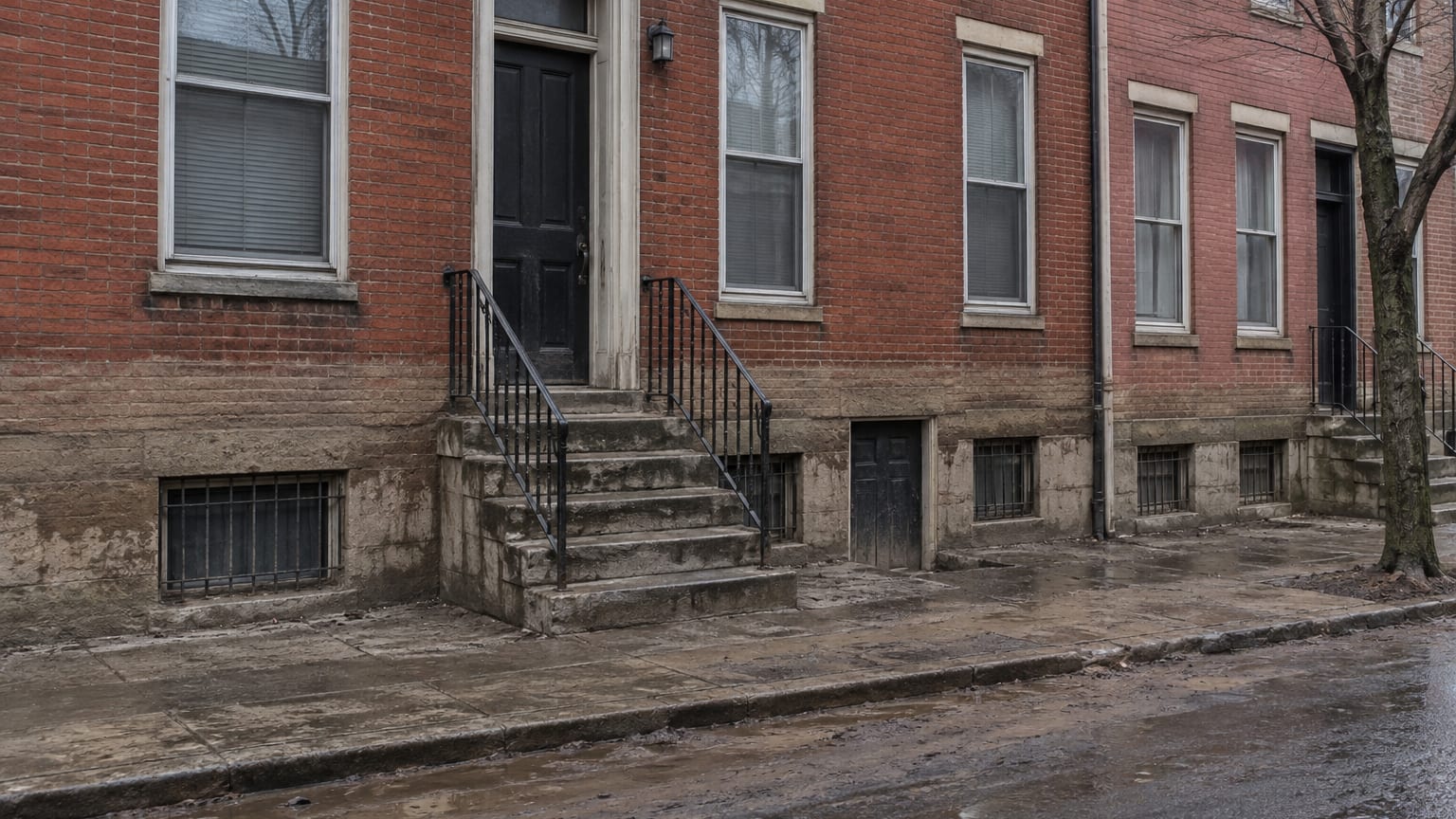
Once the floodwater has gone down, or at least stopped rising, what it leaves behind is a line of mud on the walls, soaked carpet, ruined boxes in the basement and a smell that already seems to be in the drywall. You are ready to start, and you are probably wondering what is safe to touch, what has to go in the dumpster, whether your homeowners policy will cover any of it, and whether your address is even in a flood zone. Flood damage cleanup in Trenton, NJ follows a sequence, and doing the steps in order protects your health, your claim and the building. Water that comes in from outside is handled differently from a leak inside the house, and the first day sets up everything after it. Start with power and photographs, and leave the shovel for later.
Key Takeaways
Power first, from a dry spot
Shut off electricity only from a dry location, and call an electrician if reaching the panel means stepping into standing water.
Photograph before you discard
Record the waterline, the rooms and the contents before anything goes to the curb, because your insurer may want to see them.
Wet porous materials do not last
EPA says materials that cannot be thoroughly cleaned and dried should ideally be removed within 48 hours, and floodwater can carry sewage, chemicals and debris.
Your parcel's flood status has its own document
Trenton lists a $10 flood letter for an address, and FEMA and NJDEP maps show the mapped hazard areas; a citywide percentage does not tell you about your lot.
Rebuild after the readings say dry
Walls and floors should stay open until moisture readings show the structure is dry, and any mold or contamination work is finished.
Mud, a Waterline and a Smell: The First Day After Water Comes In From Outside
Confirm that it is safe to go in. Floodwater can involve electrical hazards, gas leaks, structural damage, sewage, chemicals, debris and slick floors, so go back inside only when authorities or qualified professionals consider the building safe. If you smell gas, leave and call the gas utility or emergency services. Use battery-powered lighting and no candles or open flames.
Shut off power only from a dry location. If the panel is in a flooded basement, do not wade in to reach it; CDC guidance says to call an electrician, and an electrician should inspect the electrical system before the power comes back on. Do not run a household vacuum or any electrical equipment in standing water.
Next, photograph and video the property when it is safe: the waterline on each wall, every affected room, the contents, appliances and any visible damage. Do this before anything is discarded. Then stop the water source if it is still active and you can do it without entering dangerous water, and call your insurer or insurance agent. Call a restoration professional when water is standing, when it came from outside, when sewage may be involved, when electrical systems were affected or when porous materials are saturated. Our 24-hour water damage response is set up for that call.
Keep children, pets and anyone vulnerable out of the affected area. If you start cleaning, CDC recommends rubber boots and plastic gloves, and EPA's guide to mold cleanup after disasters recommends at minimum an N-95 respirator, goggles and protective gloves. Never mix bleach with ammonia or other cleaners.
Safe First Steps After a Flood
Confirm it is safe to go in
Return only when authorities or qualified professionals consider the building safe; if you smell gas, leave and call the gas utility.
Shut off power from a dry spot
If the panel is in standing water, call an electrician instead of wading in.
Photograph before you discard
The waterline on each wall, every affected room, the contents and any visible damage.
Keep vulnerable people out
Children, pets and anyone vulnerable stay out of the affected area.
Wear protection if you clean
CDC recommends rubber boots and plastic gloves; EPA recommends at minimum an N-95 respirator, goggles and gloves for mold cleanup.
Never mix bleach with ammonia
Or with other cleaners.
CDC also advises removing and discarding drywall, wall coverings, rugs and other materials that cannot be disinfected, so expect to say goodbye to more than you hoped. Floodwater is not handled like water from a clean supply line, because it may carry sewage, chemicals, debris and microorganisms. That is why the next step is different from mopping up: remove standing water and saturated contents, and sort what can be cleaned from what cannot. EPA says wet materials should be removed or discarded when they cannot be thoroughly cleaned and dried, ideally within 48 hours, and that a contaminated flooded building may need ceiling, wall, insulation and flooring materials removed along with extensive disinfection.
Two Waters Meet in Trenton, and Backwater Can Stack
Trenton sits beside the Delaware River, and the Assunpink Creek runs through the city into it. The city's 2024 Stormwater Management Plan, revised in September 2024, says the city lies where those two waterways meet, and that this can restrict drainage and cause backwater effects and "stacking" of floodwater within city limits. In plain terms, when the river is high, the creek and the streets that drain to it can have nowhere to go. The city's hazard mitigation plan also lists Assunpink Creek overbank flooding, isolated overland flow and ponding, and it puts the city's elevations between about 15 feet at the river and 110 feet along the northern border.
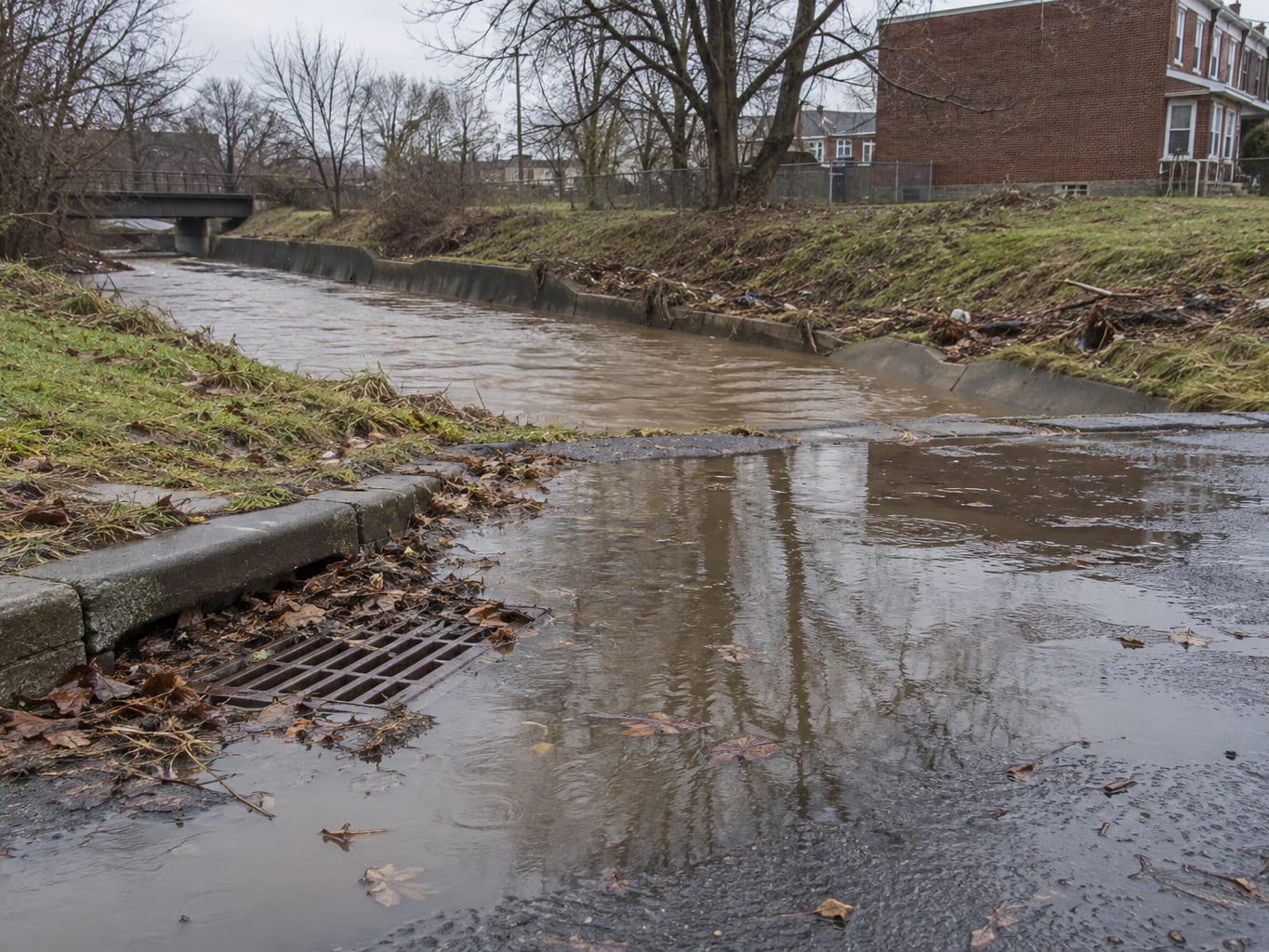
The stormwater plan reports that nearly 20 percent of the city lies within the 100-year and/or 500-year floodplain. That figure comes from citywide planning maps and says nothing about your lot. A house near the river can sit above the mapped hazard area, and a house farther away can be inside it, so treat the number as background and get the answer for your own address.
Your Parcel's Flood Status Comes From the Flood Letter and the Maps
Before you rebuild, find out whether your property is in a flood zone. The city lists a $10 flood letter, issued through the Division of Engineering and Operations, that certifies whether a property is located within a flood zone. Pair it with the FEMA flood maps and NJDEP's flood hazard area information, and ask your insurance agent what the answer means for your policy.
The letter matters for a practical reason. If the property is in a regulated flood area, the permits, the rebuild and the insurance conversation can all change. Get the letter early in the first week, and ask the construction office how it affects your repairs.
Floodwater Damages More Than It Shows, and Some Work Should Not Be Done Yourself
Even when the visible water is gone, it may still be moving below flooring, into walls, through insulation, beneath cabinets or into a basement assembly. Older Trenton houses often have plaster, masonry, wood trim, older flooring and concealed cavities that hold moisture and need careful removal. Multifamily and mixed-use buildings add a further layer, since drying may extend into common areas and other units, so unit-by-unit records and access planning matter. In buildings from before 1970, EPA notes that asbestos-containing materials, such as pipe insulation, ceiling tiles, siding and shingles, are more likely, so suspect materials should be evaluated before demolition.
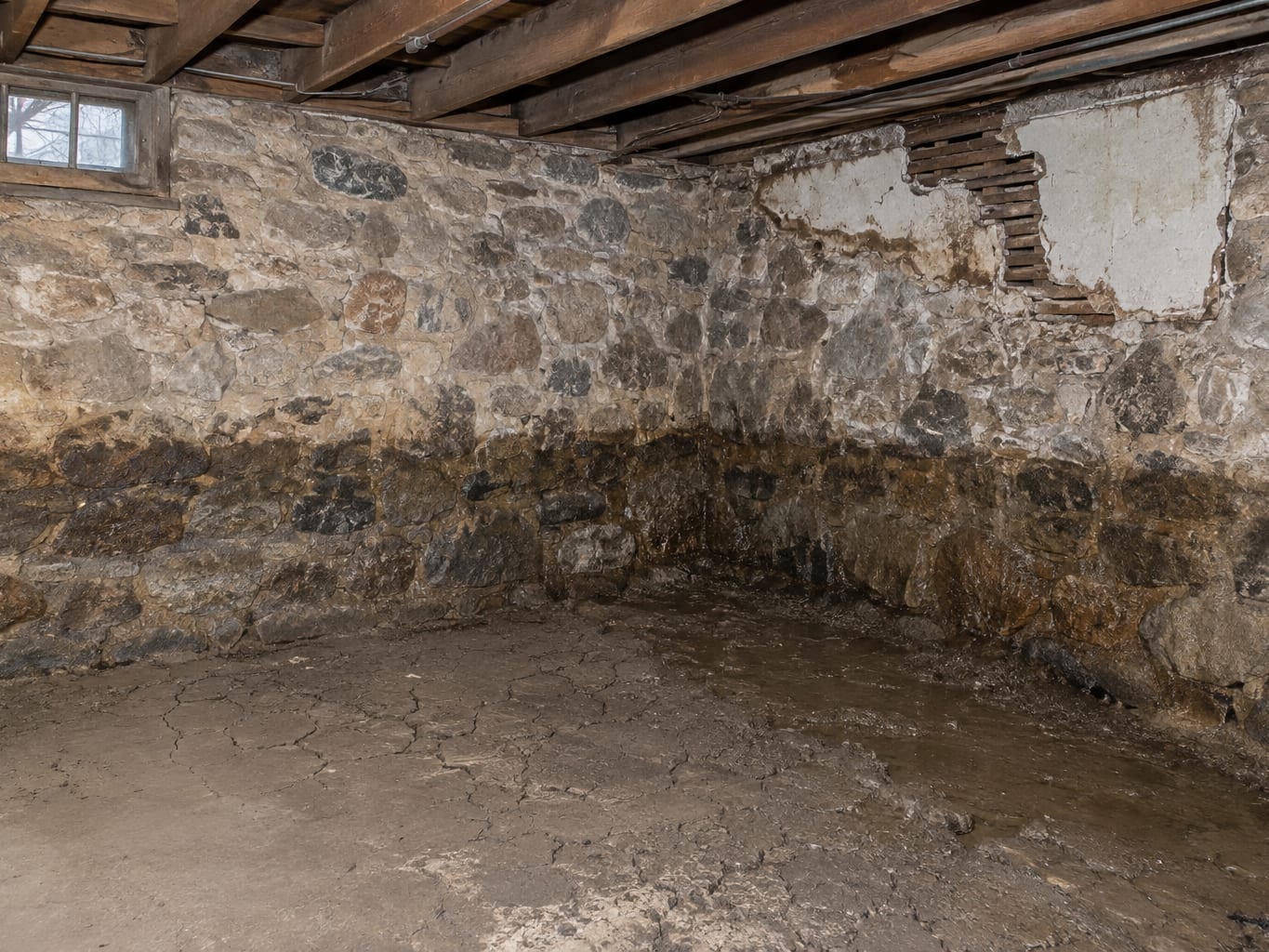
Commercial and mixed-use buildings bring larger floor areas, more contents, HVAC systems and public access into the plan, and a basement or other below-grade space may hold utilities, storage, finished materials and mechanical equipment behind limited access routes. Ducts and air handlers that floodwater or mold may have touched should be checked before they run again. This is the point where a cleanup stops being a weekend project. It is unsafe to do yourself when water is still standing, when sewage may be involved, when the electrical system was affected, when porous materials are saturated or when the building may not be structurally sound. Debris is also a logistics problem. The Division of Engineering and Operations lists a $20 dumpster permit for placing a dumpster in the city right-of-way, valid for 30 days, so ask about it before a container is delivered to the curb.
The Cleanup Sequence Runs From Extraction to Verified Drying
A flood cleanup goes in a set order, and none of the steps is optional:
- Extraction: Standing water and saturated contents come out first.
- Sorting: Materials that contaminated water or long wetting has penetrated are removed, and salvageable hard surfaces are set aside to clean.
- Cleaning and disinfecting: Hard surfaces that stay are cleaned and disinfected.
- Drying: Air movement and dehumidification run while we monitor moisture in walls, floors, framing, insulation and concealed cavities.
- Records: Photographs, moisture readings, equipment, demolition, disposal and cleaning are written down.
- Rebuilding: Reconstruction starts only after moisture targets and contamination-related work are complete.
The Flood Cleanup Sequence
- 1
Extraction
Standing water and saturated contents come out first.
- 2
Sorting
Materials that contaminated water or long wetting has penetrated are removed, and salvageable hard surfaces are set aside to clean.
- 3
Cleaning and disinfecting
Hard surfaces that stay are cleaned and disinfected.
- 4
Drying
Air movement and dehumidification run while moisture is monitored in walls, floors, framing, insulation and concealed cavities.
- 5
Records
Photographs, moisture readings, equipment, demolition, disposal and cleaning are written down.
- 6
Rebuilding
Reconstruction starts only after moisture targets and contamination-related work are complete.
By the next day, extraction and drying should already be underway. EPA and CDC guidance stresses acting quickly, with drying and cleanup ideally beginning within 24 to 48 hours, and EPA says mold cleanup has to go together with fixing the moisture problem. That figure is guidance for starting, and it does not predict how long the whole job will take. Duration depends on the water volume, contamination, how much material comes out, how much moisture is hidden and what the drying readings show, and reconstruction can continue after the cleanup is finished. Ask for a drying plan, a monitoring schedule and a reconstruction timeline as separate items. Do not close walls or replace flooring while any of them is still wet.
The Price Depends on Depth, Contamination and How Long Things Stayed Wet
No honest price can be quoted before an inspection, because flood cleanup varies a great deal from one building to the next. The main drivers are these:
- Water and contamination: The depth and volume of the water, and whether it came from outside, a river, stormwater, groundwater or a sewer pathway.
- Time wet: Longer wetting means more material to remove.
- Size and location: Rooms, floors or units affected, and whether the work is in a basement, crawl space or upper floor.
- Materials: Carpet, padding, drywall, plaster, insulation, flooring, cabinets, trim and contents that must come out.
- Drying: The number of drying days and the amount of equipment.
- Disinfection and disposal: Cleaning, antimicrobial treatment and hauling, including the dumpster.
- Rebuild: Electrical, plumbing, structural or engineering work, and the drywall, flooring, trim and paint that follow.
Hover or tap a row to highlight it.
| Cost driver | What it covers |
|---|---|
| Water and contamination | The depth and volume of the water, and whether it came from outside, a river, stormwater, groundwater or a sewer pathway |
| Time wet | Longer wetting means more material to remove |
| Size and location | Rooms, floors or units affected, and whether the work is in a basement, crawl space or upper floor |
| Materials | Carpet, padding, drywall, plaster, insulation, flooring, cabinets, trim and contents that must come out |
| Drying | The number of drying days and the amount of equipment |
| Disinfection and disposal | Cleaning, antimicrobial treatment and hauling, including the dumpster |
| Rebuild | Electrical, plumbing, structural or engineering work, and the drywall, flooring, trim and paint that follow |
EPA notes that flood cleanup can mean extensive removal of ceiling, wall, insulation and flooring materials plus disinfection, which is a bigger scope than pumping out standing water. Ask for an itemized estimate after the inspection so you can see what each part costs.
Permits Depend on the Work, and Records Protect the Claim
Emergency extraction, drying and limited demolition can be different from reconstruction, structural changes, electrical or plumbing work and exterior work, so confirm the permit path with Trenton's Division of Technical Services before rebuilding. The city says many renovation projects need architectural or engineering plans, so allow time for plan review. NJDEP regulates work in flood hazard areas, and its emergency authorization page says qualifying immediate work may be allowed while some activities still need a conventional permit. If your building is a designated landmark or sits in a historic district, check with the Landmarks Commission before exterior work. New Jersey also requires home-improvement contractors to register with the Division of Consumer Affairs and display an NJHIC registration number.
Hover or tap a row to highlight it.
| What you need | Where to ask |
|---|---|
| Your parcel's flood status | The $10 flood letter from the Division of Engineering and Operations, plus the FEMA flood maps and NJDEP flood hazard area information |
| A dumpster in the city right-of-way | A $20 dumpster permit from the Division of Engineering and Operations, valid for 30 days |
| Permits for rebuilding | Trenton's Division of Technical Services |
| Work in a flood hazard area | NJDEP, including its emergency authorization page for qualifying immediate work |
| Exterior work on a landmark or in a historic district | The Landmarks Commission |
| A registered contractor | The Division of Consumer Affairs, which requires an NJHIC registration number to be displayed |
For the insurance side, keep a room-by-room file: photographs and video, waterline photos, moisture readings, estimates, invoices, disposal records, equipment logs, permits and every message with the carrier or adjuster. FEMA's claims manual points to the same kinds of documentation. Coverage depends on the policy and on the cause of loss, and flood policies limit what they pay for basements, so ask your agent what applies before you assume.
What Happens After the Structure Is Dry
Once the readings show that walls, floors, framing and insulation are dry, and the contamination work is done, rebuilding can begin. If visible growth, a persistent odor or hidden moisture remains, arrange a mold assessment first; our mold remediation in Trenton and basement mold remediation cover that work. When the building is ready, our build-back services handle the drywall, flooring, trim and finish repairs. Keep your final documentation, including photographs, permits and drying records, because insurers, lenders and buyers may ask for it later.
Flood Cleanup, Quick Check
1. When should drying and cleanup ideally begin, according to EPA and CDC guidance?
2. Where should you shut off power after a flood?
3. What does Trenton list as the cost of a flood letter for an address?
4. How long is a Trenton dumpster permit valid?
5. When can walls and floors be closed up or rebuilt?
Pick an answer to begin.
Frequently Asked Questions About Flood Damage Cleanup Trenton NJ
Can I go back inside after a flood?
Go back in only when authorities or qualified professionals consider the building safe. Do not turn power on or off while standing in water, and if you suspect gas, leave and call the gas utility.
How much does it cost to clean up a flooded basement?
The price depends on the depth and source of the water, contamination, time wet, the materials affected, access, drying duration, disposal, permits and the rebuild. Ask for a written, itemized estimate after an inspection.
How long does flood cleanup take?
Emergency response should start right away, with drying ideally beginning within 24 to 48 hours. The total time depends on the water volume, contamination, materials removed, hidden moisture, drying readings, permits and reconstruction, and the cleanup may finish before the rebuild does.
How do I find out whether my property is in a flood zone?
Ask the city for its $10 flood letter for your address and check the FEMA and NJDEP maps. A citywide floodplain percentage does not answer the question for one lot.
Will my homeowners insurance pay for flood damage?
It depends on the policy and the cause of loss. Flood policies limit basement coverage, so call your insurer or agent early and keep your records.
Flood Cleanup Terms
Tap a term to see what it means.
Backwater. What happens when the river is high and the creek and the streets that drain to it have nowhere to go.
Moving Forward
A flood cleanup goes best when you take it in order. Make the building safe, photograph before you discard, get the standing water and saturated materials out, dry the structure until readings say it is dry, and rebuild after that. Along the way, get your parcel's flood letter, confirm permits for the work and keep a file your insurer can follow.
Doing it in this order means fewer surprises later: less hidden moisture, fewer arguments over what was lost and repairs that rest on a dry structure. It also leaves you with the paperwork you need for a claim, a sale or a lender.
If floodwater has reached a home or building in Trenton, ExecPro Restoration & Cleaning can extract the water, remove what cannot be saved, dry the structure with monitored readings and hand you an itemized scope. Our water damage restoration team also handles storm damage restoration when heavy rain is the cause, and you can contact us or call (888) 300-3772 to start.
Serving Trenton
ExecPro Restoration & Cleaning provides mold remediation services in Trenton, NJ, from inspection and testing through removal, drying, and post-remediation verification. Call (888) 300-3772 for 24/7 emergency response.
Related Articles
Flooded Basement Cleanup in New Jersey: The Order of Operations
Flooded basement cleanup in NJ goes in a set order: safety, source, photos, water, wet materials, drying, proof of dry. Here is each step and who to call.
Storm Damage Restoration in Trenton, NJ: Temporary Fixes, Historic Facades and the Claim
Tarp first, photographs second, permanent repair after any Landmarks review. How to close up storm damage in an older Trenton house without hurting the claim.
Flood Damage Cleanup in Robbinsville, NJ: What to Discard, Dry and Document After Creek Water
Soaked carpet, swollen drywall and wet insulation from creek water usually come out. See what flood damage cleanup in Robbinsville, NJ discards and dries.