Can Mold Come Back After Remediation: Causes and Warning Signs
Cal HewittPublished
- mold remediation
- moisture source
- documentation
- new jersey
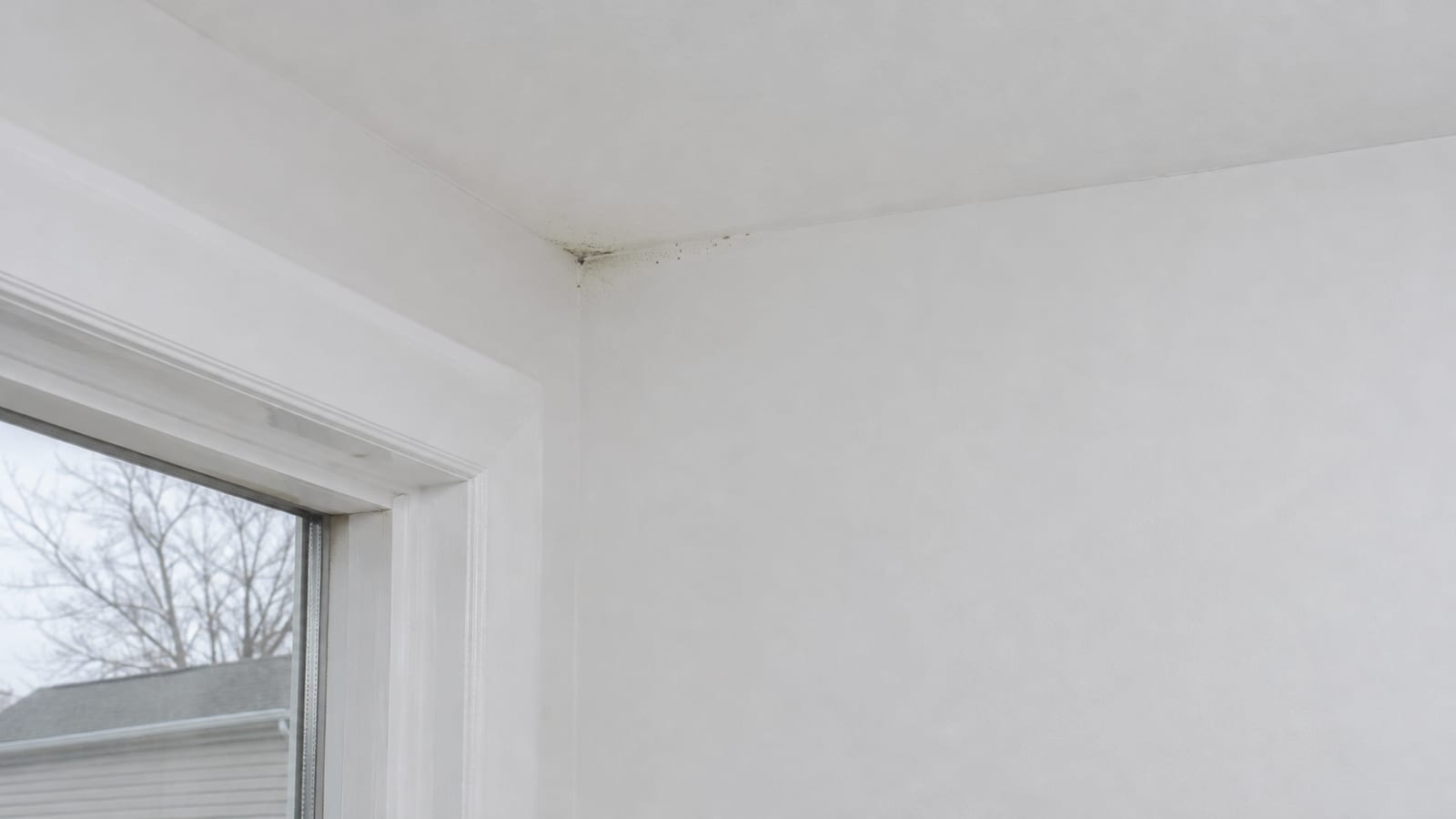
You paid to have mold removed, or you are about to, and now a spot on a wall or ceiling looks familiar. So, can mold come back after remediation? Yes. It can grow again when moisture remains, a leak returns, condensation continues, or damp porous material was left in place.
Whether a mark is regrowth or leftover staining usually comes down to what the material underneath is doing. Dry and firm tells one story; damp, soft or spreading tells another.
Knowing which one you have, and which records to ask for, puts you in a good position to act this week.
Key Takeaways
Moisture decides the outcome
Mold returns when a leak, condensation, wet material or incomplete drying gives it water again.
Look at the material
A raised or spreading spot on damp, soft material with a musty odor deserves an inspection, while a stain on dry, firm material with no odor is more consistent with cosmetic damage.
Closeout records matter
Ask for the written scope, moisture readings, drying records, any verification report and the warranty terms.
Leave the surface alone
Painting or caulking over a damp or moldy surface can cause further problems.
Drying inside 24 to 48 hours is a target
EPA says materials dried in that window will in most cases avoid mold growth.
Can Mold Come Back After Remediation?
Yes. EPA states that eliminating all indoor mold and spores is virtually impossible, but controlling indoor moisture controls mold growth. Mold grows on organic materials when moisture and oxygen are present. The New Jersey Department of Health likewise says that mold spores need water to grow and recommends identifying and correcting the source of excess water before remediation.
That is why good remediation follows a set order:
- Fix the water or moisture source
- Remove or clean contaminated materials
- Dry the area completely before reconstruction
- Treat porous materials carefully, because mold can penetrate their spaces and crevices and may be difficult or impossible to remove completely
- Confirm completion, meaning no visible mold, no moldy odor, a corrected moisture problem and a follow-up look for water damage or growth
EPA's residential guide says wet or damp materials dried within 24 to 48 hours will, in most cases, avoid mold growth. Treat that as a prevention target. A new leak next spring can start the cycle again no matter how well the first job went.
How Can You Tell a Returning Spot From Old Staining?
A spot's color cannot settle the question. CDC notes that mold appears in spots of many colors and smells musty, and EPA says mold can leave staining and cosmetic damage even after cleanup. A mark that has simply stayed behind is different from one that is growing, so look at what is happening around it.
These signs point toward active regrowth and warrant an evaluation:
- Texture and change: The spot is raised, fuzzy, spreading or changing.
- The material: It sits on damp, soft, swollen or deteriorating material.
- Odor: A musty smell has returned.
- New moisture: You see condensation, wetness, staining, bubbling paint or warped materials.
- Location: It is near the original leak, or in an adjacent wall, ceiling, floor, crawl space or HVAC area.
Moisture readings higher than the dry material around the spot are another signal, and so is a pattern, such as a mark that shows up after rain, showers or a humid stretch of weather.
A stain is more consistent with leftover cosmetic damage when the material is dry, firm and unchanged, there is no moldy odor, no visible growth or texture, and the moisture source stays corrected. Appearance alone cannot confirm the difference, so request a moisture-focused inspection. If the area is large, hidden, spreading or involves porous materials, bring in a qualified remediation or indoor environmental professional.
Hover or tap a row to highlight it.
| What to look at | More consistent with active regrowth | More consistent with leftover staining |
|---|---|---|
| Texture | Raised, fuzzy, spreading or changing | Unchanged, with no visible growth or texture |
| Material | Damp, soft, swollen or deteriorating | Dry and firm |
| Odor | A musty smell has returned | No moldy odor |
| Moisture | Condensation, wetness, bubbling paint or readings higher than the dry material around it | The moisture source stays corrected |
If anyone at home has asthma, a lung condition, a weakened immune system or symptoms such as wheezing, limit exposure and talk to a healthcare professional.
What Moisture Problems Bring Mold Back?
Mold returns for three main reasons, and each one points to a different question. A recurrence can reflect a new or continuing leak, condensation, hidden moisture, an adjacent area that was never addressed, or incomplete removal or drying. Comparing the original assessment, moisture readings, repair records and closeout documents with what you see today shows which one applies.
Hover or tap a row to highlight it.
| Reason | What it can look like | Why mold comes back |
|---|---|---|
| The moisture source was not fixed | A roof leak, plumbing leak, foundation seepage, storm intrusion, appliance leak, HVAC condensate problem or recurring condensation | The same area gets wet again |
| Porous materials stayed in place | Drywall, carpet padding, insulation, ceiling tile, wallpaper or upholstered materials left behind | Mold can sit in spaces that are difficult or impossible to clean completely |
| The area was not completely dried | The cavity, framing, subfloor, insulation or neighboring materials still damp after surface cleaning | Damp conditions support renewed growth |
The moisture source was not fixed
A roof leak, plumbing leak, foundation seepage, storm intrusion, appliance leak, HVAC condensate problem or recurring condensation can wet the same area again. EPA describes moisture control as the key to mold control, and the Department of Health recommends correcting the excess-water source before remediation.
Porous materials stayed in place
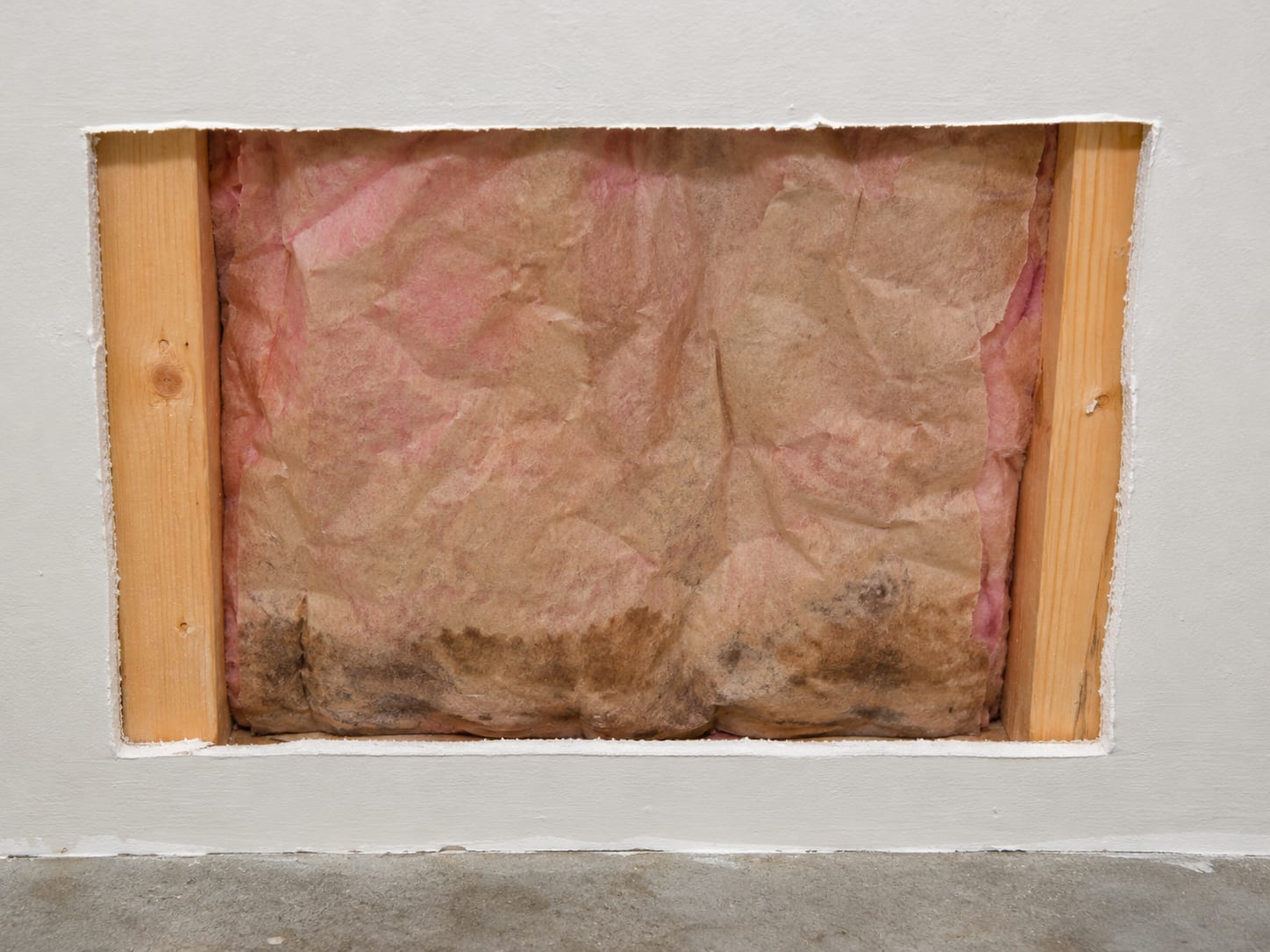
Drywall, carpet padding, insulation, ceiling tile, wallpaper and upholstered materials absorb water and can hold mold in spaces that are difficult or impossible to clean completely. If affected porous materials stay in place, a visible spot can reappear or hidden contamination can persist behind a clean-looking surface.
The area was not completely dried
Surface cleaning or removal without drying the cavity, framing, subfloor, insulation or neighboring materials leaves conditions that support renewed growth. The Department of Health's resident guidance says the area should be completely dry before renovation or construction. When water was the original cause, our water damage restoration work and structural drying address the wet materials that cleaning alone cannot reach.
What Should Remediation and Verification Document?
Completion is judged by several kinds of evidence, and no single test covers all of them. The EPA residential guide looks for a fully fixed moisture problem, finished mold removal, no visible mold or moldy odor, and a return visit shortly after cleanup to check for water damage or growth. IICRC S520, an industry procedural standard rather than a government regulation, lists post-remediation verification among its subjects, and a public S520 summary describes completion criteria that include dry remaining materials and no visible dirt, dust, debris, malodors or mold growth.
Moisture readings carry weight. A useful closeout record names the material, location, date, instrument or method and the reading used to call the material dry. One reading in a visible spot cannot show that a concealed cavity is dry.
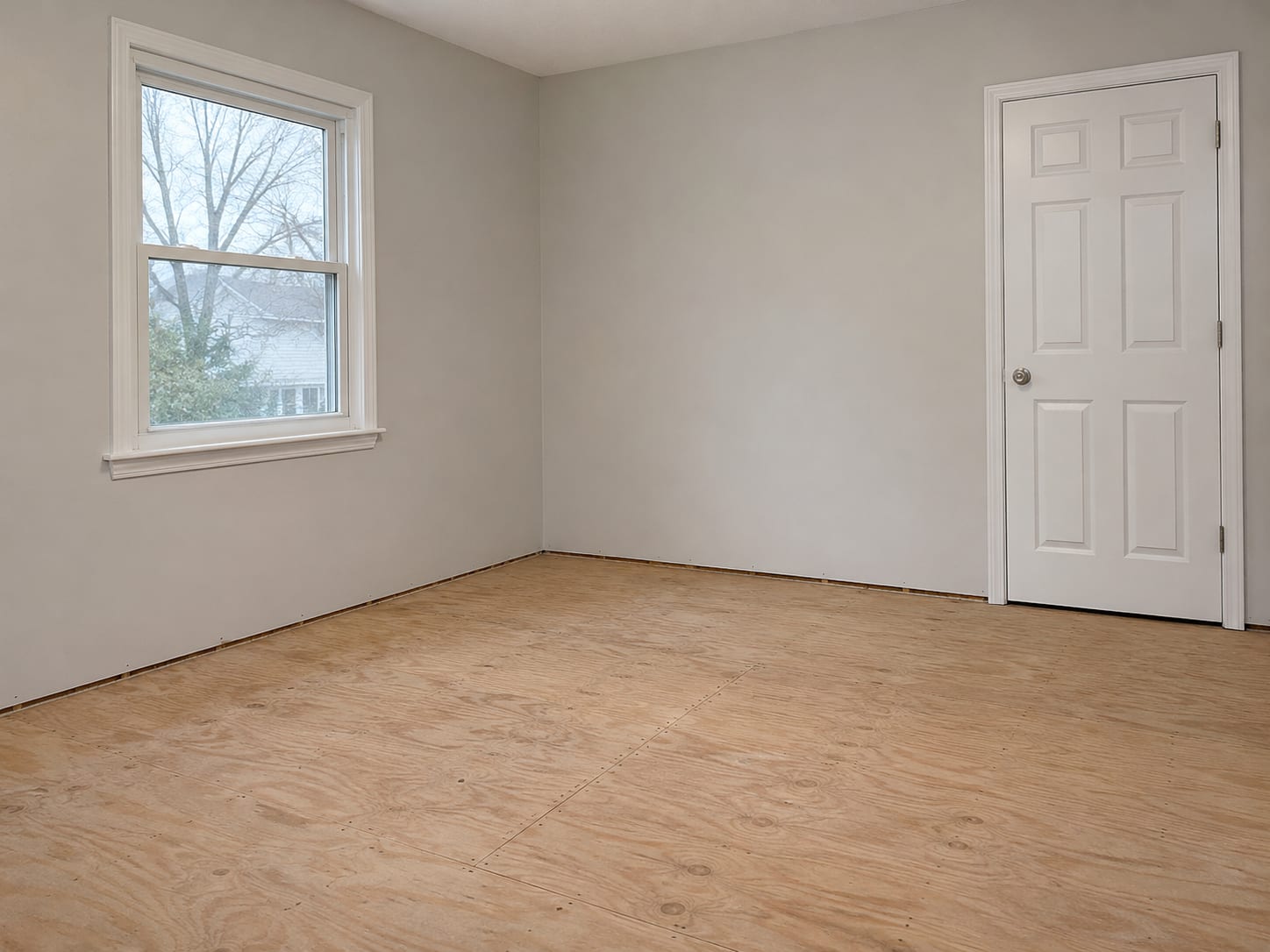
Post-remediation verification can include visual inspection, odor evaluation, moisture measurements, environmental sampling or other agreed criteria. The S520 summary says an independent indoor environmental professional should perform it when verification is requested or required, with the criteria and process documented.
Ask for these records in writing:
- Scope and assessment: The original inspection report, the written protocol or scope of work, and the moisture-source repair record.
- What was done: Areas inspected, materials cleaned or removed, containment and HVAC protection where relevant, and removal or waste documentation.
- Photos and readings: Before-and-after photographs, moisture readings with dates, and drying documentation.
- Verification: The post-remediation evaluation or independent verification report.
- Limits and terms: Remaining stains, inaccessible areas, materials left in place, and the warranty terms, exclusions and recurrence-reporting process.
A clearance or verification document is evidence of the conditions it evaluated under its stated criteria. A future leak or humidity problem can still create new mold.
Records to Ask For in Writing
Scope and assessment
The original inspection report, the written protocol or scope of work, and the moisture-source repair record.
What was done
Areas inspected, materials cleaned or removed, containment and HVAC protection where relevant, and removal or waste documentation.
Photos and readings
Before-and-after photographs, moisture readings with dates, and drying documentation.
Verification
The post-remediation evaluation or independent verification report.
Limits and terms
Remaining stains, inaccessible areas, materials left in place, and the warranty terms, exclusions and recurrence-reporting process.
What Should You Do in the First Hour, Day and Week?
In the first hour, stop anything that spreads contamination, especially disturbing visibly moldy drywall, insulation, carpet or ceiling tile. Look for active moisture: a plumbing leak, roof or window intrusion, condensation, wet drywall, standing water, overflowing HVAC condensate, or a damp basement or crawl space. If water is running, stop it when it is safe and call the plumber, roofer, building manager or an emergency restoration provider. Photograph the area before anything is cleaned or discarded.
Over the next day, tell the landlord, property manager, insurer or contractor in writing, depending on who controls the property or did the original work. Request the original scope of work, the moisture-source repair record, moisture readings, photographs, the list of materials removed, drying records and any verification report. Ask whether the new mark is on the same material and in the same wet location as the original problem. EPA advises against enclosing, sealing or painting wet materials or materials with growth, so leave the spot unpainted and uncaulked.
During the week, have the moisture source and affected materials evaluated if the cause is not obvious, and compare today's conditions with the closeout documents. Arrange an independent inspection or verification when you and the contractor disagree, when the area is extensive or hidden, or when the contract or insurer requires it. Ask what the warranty covers and how a recurrence is reported. For returned mold, our mold remediation service starts with an assessment.
Returned Mold: Hour, Day and Week
- 1
First hour
Stop anything that spreads contamination, look for active moisture, stop running water when it is safe, and photograph the area before anything is cleaned or discarded.
- 2
Over the next day
Tell the landlord, property manager, insurer or contractor in writing, and request the original scope of work, moisture-source repair record, readings, photographs, materials removed, drying records and any verification report. Leave the spot unpainted and uncaulked.
- 3
During the week
Have the moisture source and affected materials evaluated if the cause is not obvious, compare today's conditions with the closeout documents, and ask what the warranty covers and how a recurrence is reported.
What Do New Jersey Rules and Insurance Mean for a Recurrence?
The Department of Health says that because of a lack of mold-specific regulations, government offices have limited authority to cite building owners solely for mold. It provides resident guidance and a list of remediation firms but does not endorse or qualify private companies. The workplace indoor-air standard, N.J.A.C. 12:100-13, covers schools and commercial buildings. For a home, confirm the contractor's qualifications, insurance, written scope and closeout documents, along with any municipal, lease or insurance requirements.
The state's resident guideline, dated June 16, 2017, sets size thresholds: under 10 square feet may be within a homeowner's or maintenance staff's capability, 10 to 100 square feet calls for professional advice, and over 100 square feet should go to a qualified contractor experienced in mold or environmental contamination cleanup.
Insurance coverage depends on the policy, the cause of loss, exclusions, endorsements and the timing of the damage. The New Jersey Department of Banking and Insurance says ordinary homeowners policies exclude flood damage. It also says necessary temporary repairs can go ahead with receipts saved, while permanent repairs should wait until the adjuster has reviewed the damage.
For a recurrence that may be a covered loss, notify the insurer promptly and record the claim number and adjuster's details. Photograph the condition before disturbing it, keep damaged materials when practical until inspection, and save receipts, estimates, reports and invoices. Ask what documentation is required, and request the policy language on water damage, mold, microbial growth, seepage, repeated leakage, flood, maintenance and ensuing loss.
Remediation, rebuilding, contents, temporary housing and a recurring condition may each be treated differently, so ask about each one. Our insurance restoration services can supply photographs, estimates, invoices and work records for your claim file.
How Do You Keep a Remediated Area Dry?
Dryness is the long-term fix, and EPA's moisture controls are specific. Keep indoor relative humidity below 60%, ideally between 30% and 50%, and use a humidity or moisture gauge to watch it. Dry condensation on windows, walls and pipes promptly. Repair plumbing, roof, gutter, foundation and appliance leaks. Keep air-conditioning drip pans clean and drain lines unobstructed, and vent clothes dryers outdoors. Run bathroom and kitchen ventilation to move moisture out.
Make sure the ground slopes away from the foundation and gutters discharge away from the building. Improve circulation or insulation where condensation forms on cold surfaces, and keep crawl spaces, basements and foundation areas dry. Where you are rebuilding in a spot likely to get wet, choose water-resistant materials, as in a post-mold remediation rebuild.
Then keep an eye on the places that leaked before. Inspect them after heavy rain, snowmelt, plumbing work, HVAC problems and unusually humid weather. These are moisture-control targets that make mold far less likely, though a building can never be guaranteed mold-free. Each room has its own moisture routes: a basement, a crawl space, an attic, a bathroom and an HVAC system all deserve a regular look.
Frequently Asked Questions About Mold Returning After Remediation
What is the success rate of mold remediation?
Results depend on the building, the moisture source, the affected materials, the scope, containment, cleaning or removal, and the verification criteria. Rather than relying on a percentage, ask for the project's written scope, moisture documentation and completion or verification report.
Does mold remediation actually work?
It can control a mold problem when the moisture source is corrected, contaminated materials are cleaned or removed, the area is dried, and remaining contamination and debris are removed. It does not protect against a new leak, condensation or another moisture problem, which is why EPA's guidance ties success to moisture control.
What kills 100% of mold?
Nothing in ordinary residential remediation makes a whole indoor environment free of every mold spore. EPA says eliminating all indoor mold and spores is virtually impossible. The practical aim is moisture control, physical removal or cleaning, and complete drying, since dead mold can remain allergenic.
What should be thrown away after mold remediation?
Porous, water-damaged and visibly contaminated materials may need to be discarded because mold can penetrate their spaces and crevices. Government guidance names contaminated drywall, insulation, carpet and padding, ceiling tiles, wallpaper and upholstered items. If you are filing a claim, photograph everything and ask your insurer about inspection before you discard anything.
Mold After Remediation, Quick Check
1. What does EPA say about eliminating all indoor mold and spores?
2. Within what window does EPA say wet materials dried will in most cases avoid mold growth?
3. Which sign points toward active regrowth?
4. What should you do with a returning spot before it is evaluated?
Pick an answer to begin.
Moving Forward
Mold can return after remediation whenever water finds its way back, and the signs are easy to read once you know them: a raised or spreading spot, damp or soft material, a musty odor, a location near the original leak. The records you request from the first job, along with a moisture-focused look at the area, tell you whether you are dealing with leftover staining or active growth.
Staying on top of humidity, leaks, ventilation and drainage keeps a remediated space dry for the long run. That protects the repairs you paid for and the people living in the home.
If a spot has returned or you are planning remediation and want it done with moisture in mind, call ExecPro Restoration & Cleaning at (888) 300-3772 or send us a note through our contact page. We assess mold and water problems for homes across New Jersey.
Mold Return Terms
Tap a term to see what it means.
Porous material. Drywall, carpet padding, insulation, ceiling tile, wallpaper and upholstered materials, which absorb water and can hold mold in spaces that are difficult or impossible to clean completely.
Related Articles
Can a House With Mold Be Saved? What Decides the Scope
Whether a New Jersey house with mold can be saved comes down to the moisture source, the structure and the materials. See the steps, limits and next calls.
Mold in a NJ Rental: What a Tenant Does First and Who to Call
A tenant with mold in a NJ rental should notify the landlord in writing and document it. Learn which local office to call and when to get legal advice first.
Mold Remediation in Bridgewater, NJ: From the Water Source to the Records You Keep
From the first call to the final paperwork, see what mold remediation in Bridgewater, NJ includes, what sets the size of the job, and which records to keep.