The Smell Downstairs: Basement Mold Remediation in Plainsboro, NJ
Cal HewittPublished
- basement mold remediation
- lower level
- moisture control
- plainsboro nj
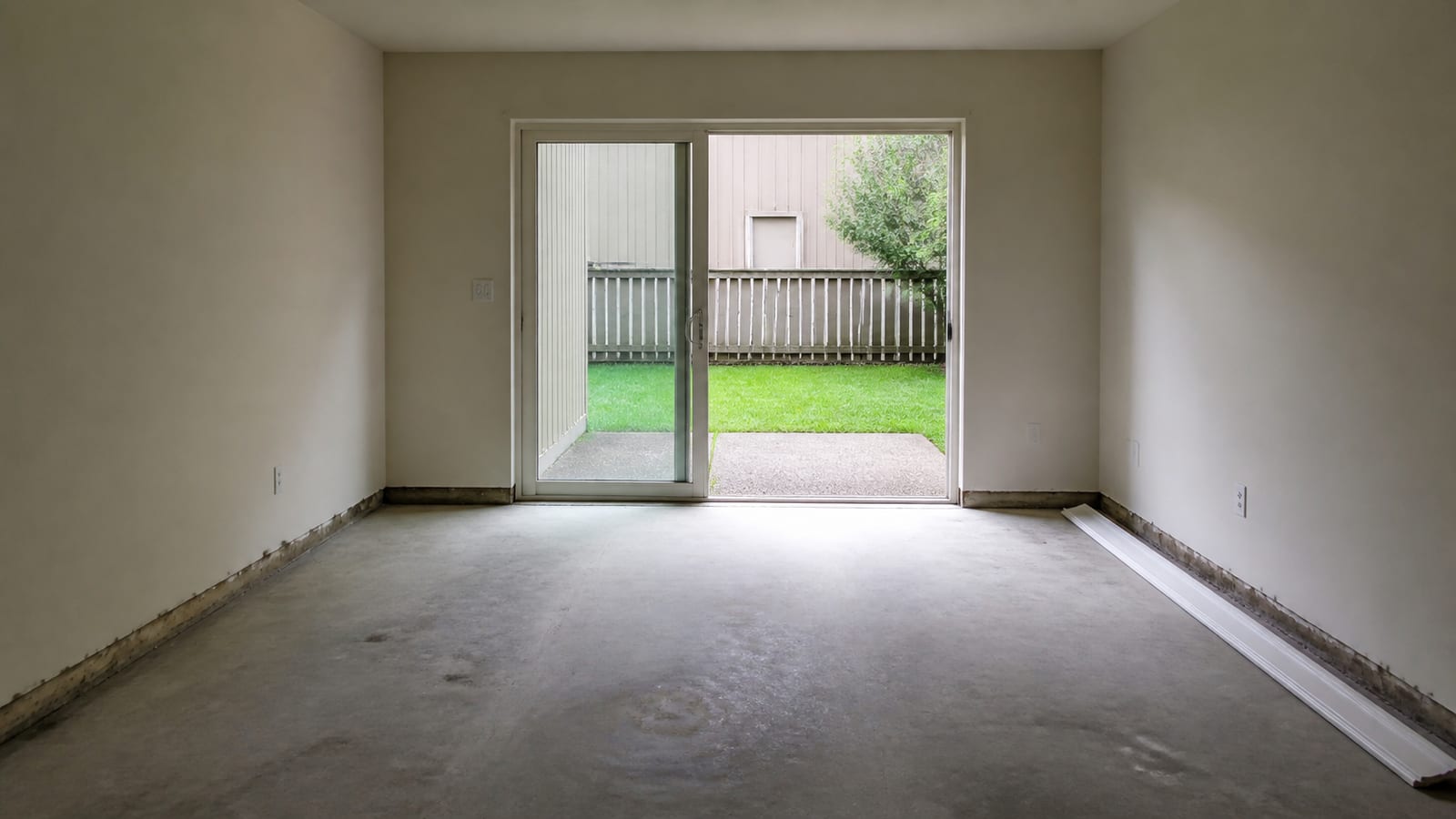
The smell usually arrives before anything is visible. Somebody comes up from the lower level and says it smells damp down there, and a week later a box gets moved and there is spotting on the wall behind it. That sequence is so common it is almost diagnostic, and the useful thing to know is that the smell is not the problem. It is the notification.
This covers what is actually causing it, how to tell whether it is yours to clean or ours to remove, what the work involves and how long it takes, what drives the price, and the two Plainsboro specific things that catch people out when they go to put the room back.
Key Takeaways
The smell is a moisture signal
Growth needs water. Until the water stops arriving, cleaning the surface buys you a few weeks.
About 10 square feet is EPA's homeowner line
Below roughly a 3 by 3 foot patch, most people can handle it themselves; above that, or after substantial water damage, it moves to the larger remediation guidance.
Hard surfaces clean, soft materials usually go
EPA says hard surfaces can be scrubbed with detergent and water and dried completely, while porous items like carpet and ceiling tile may need disposal.
Not every lower level here is a basement
Plenty are garden rooms on a slab, which changes where water enters and what can be dried in place.
Finishing a basement is permit work in Plainsboro
The Township lists it specifically, so the rebuild after a removal is a different conversation from the cleanup.
In a flood hazard area even minor work gets reviewed
The 2022 ordinance is administered alongside the construction code.
Where the Water Is Actually Coming From
Five sources cover nearly everything we find, and they are worth walking in order because the fix is different for each.
Outside water at grade. A downspout discharging beside the foundation, ground that has settled back toward the house, a patio or walk that traps water, a window well with nowhere to drain. This is the most common and the cheapest to correct, and it is fixed outdoors rather than in the room.
Groundwater and seasonal seepage. Water arriving through the foundation itself rather than at a defined point, usually worse in wet seasons, often showing as dampness across a wall rather than a stain in one place.
Plumbing. A supply line, a water heater, a washing machine hose, a condensate line from the equipment that usually lives down there.
Humidity and condensation. Warm humid air meeting cool surfaces, which in a below grade space happens through most of the summer. This one produces growth with no leak at all, and it is the reason a basement can smell musty in a house with nothing wrong with it.
Water from above. A bathroom, a kitchen or an appliance on the floor above, arriving at the ceiling or running down inside a wall.
Worth knowing before you start looking: not every lower level in Plainsboro is a basement in the traditional sense. A good many are garden level rooms on a slab, at or near grade, with a door or slider to outside. In those, water tends to arrive at the threshold and at the base of the wall rather than through a foundation, and the drying strategy is different because there is no cavity underneath to dry.
Signs It Is More Than a Wipe Down
- The affected area is bigger than roughly 10 square feet, which is about a 3 by 3 foot patch.
- It is on or behind something porous: drywall, carpet and pad, ceiling tile, stored cardboard, insulation.
- The wall or floor is damp now, not just stained.
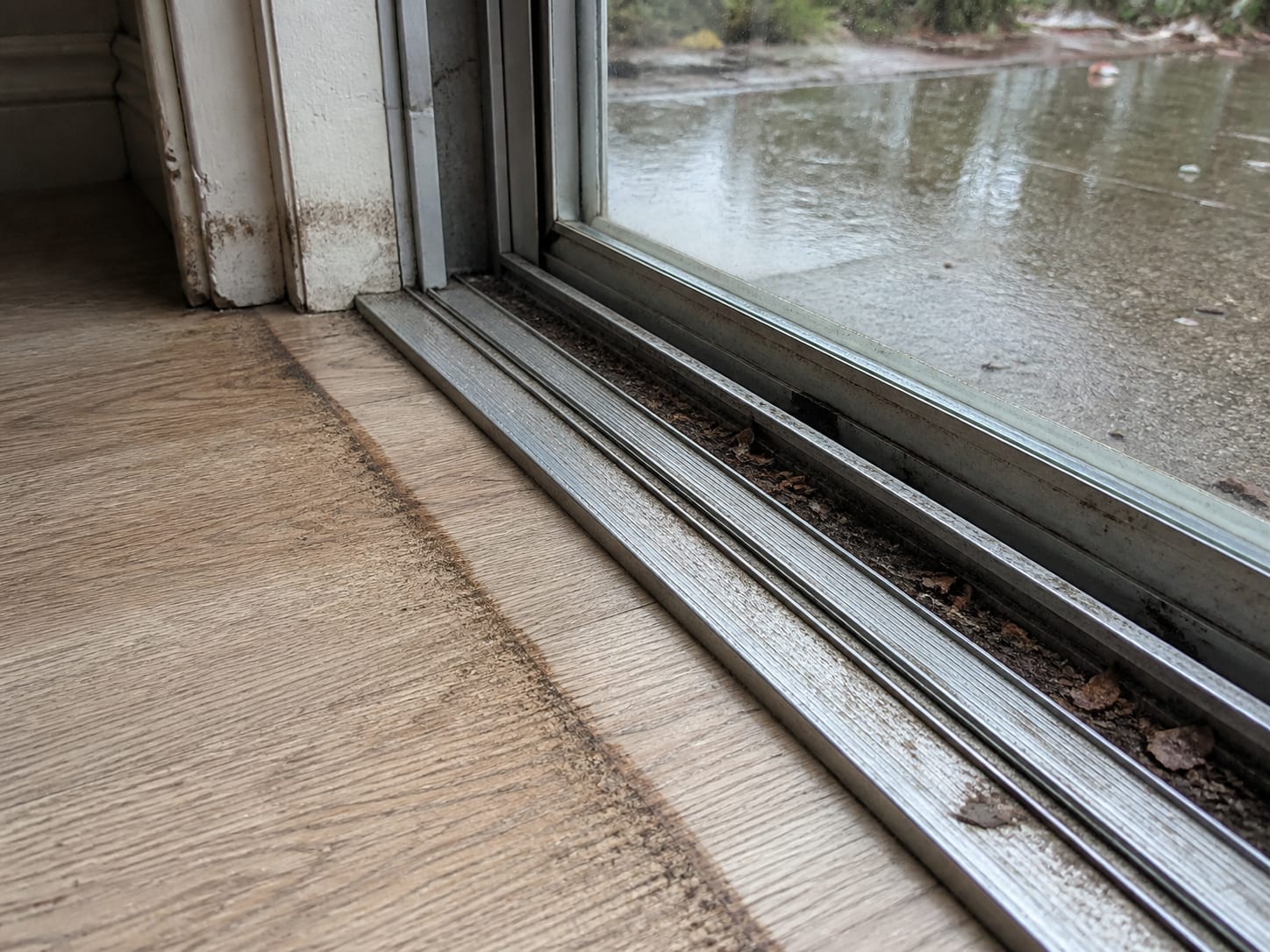
- There is white crusty mineral deposit on the masonry, which means water has been moving through it.
- It came back after somebody cleaned it.
- The room floods, or has flooded, rather than simply being damp.
- The air handler, ductwork or water heater is in the affected area.
EPA's guidance is that below about 10 square feet most people can handle the cleanup themselves, and that substantial water damage or more than that area moves the job into its larger remediation guidance. That is a planning line rather than a legal one, but it is a sensible place to draw your own.
What the Work Involves
A Lower Level Remediation
- 1
Establish the water source first
EPA is explicit that the water problem has to be fixed or the mold is likely to return. This is the step that decides whether anything else lasts.
- 2
Assess and measure
Moisture readings at the affected material and at comparable dry material, the extent established by measurement, photographs before anything moves.
- 3
Contain the area
Sized to the extent and to what the water was, so that removing material does not move the problem upstairs.
- 4
Take out what cannot be cleaned and dried
Porous material that stayed wet comes out. EPA names carpet and ceiling tile among items that may need disposal.
- 5
Clean what stays
Hard surfaces scrubbed with detergent and water and dried completely, which is EPA's own description of the method.
- 6
Dry the space and verify it
Readings logged by location until they come down and hold.
- 7
Correct the source
Frequently outdoor work: grading, downspout discharge, a window well, a drainage path.
- 8
Then rebuild
A separate phase, and in Plainsboro a permitted one if you are finishing the space.
Two things about the schedule. Drying a below grade space usually takes longer than people expect, because masonry and slab give up moisture slowly and the surrounding ground keeps supplying humidity. And where the correction is outside the building, the weather gets a vote.
What It Costs, and What Moves It
There is no published Plainsboro price range for this work, and any local average you see quoted is somebody's guess. What can be described is what changes the number.
Extent and material lead. A large area of porous material that stayed wet is removal, disposal and rebuild; a smaller area on hard surfaces is cleaning. What the water was matters next, because contaminated water brings protective equipment, containment and disposal requirements that clean water does not, and EPA specifically flags sewage, other contaminated water and suspected contamination of the heating and cooling system as calling for experienced professional handling. Then access, contents that have to be moved, how much drying and verification the space needs, and whether the equipment down there is affected.
The Plainsboro fork worth planning for is whether the job stays a cleanup or becomes regulated alteration. Ask any quote to separate the source correction, the containment, the removal by material and area, the drying and how it will be verified, and the rebuild. A single bundled figure that does not say whether it includes the source repair is not a price you can compare against anything.
What You Can Handle Yourself
A small area, under roughly 10 square feet, on a hard surface, where you have already found and fixed the water: that is a reasonable homeowner job. EPA's method is detergent and water, scrubbed, then dried completely. Wear a respirator, gloves and eye protection, and if anyone in the household has asthma, a mold allergy, immune suppression or a chronic lung condition, they should not be doing it.
Leave it alone if the material is porous and stayed wet, if the area is larger than that, if the water may have been contaminated, if it involves the mechanical equipment, or if you cannot find the source. And do not paint over it. Paint on a damp wall fails, and it removes the evidence you may need for an insurer or a buyer later.
The Two Plainsboro Things That Catch People Out
Finishing a basement needs a permit here. The Township lists it specifically among work requiring a permit, alongside new construction, additions and renovations affecting use, structure or egress. That matters because a lot of lower level mold jobs end with an owner deciding to put the room back nicer than it was. The cleanup and removal are one thing; framing, drywall, electrical, plumbing or changing how the space is used is regulated construction with a permit package behind it, including the technical subcode sections and plan copies, plus a zoning compliance form where the work affects the exterior or setbacks. The Building Division schedules inspections on at least 24 hours notice, which is a scheduling fact worth building into a timeline rather than discovering at the end.
A flood hazard location adds a review even for small work. The Township's 2022 floodplain ordinance is administered alongside the construction code, and in a regulated area even ordinary maintenance and minor work can be evaluated through a floodplain development permit for substantial damage and substantial improvement compliance. Whether your address sits in one of those areas is a parcel question for the Township rather than something to infer from the street.
If you are selling, there is a separate municipal step that people conflate with all this: the Township's resale inspection, shown at $175 for a single family or townhouse and $100 for a condominium when the application was accessed on August 15, 2026, with the resulting housing certificate valid for 90 days. That is a transaction service, not a remediation clearance, and it does not substitute for documentation of the work.
Keeping It From Coming Back
Most repeat basement problems are one of four things, and all four are cheaper than a second remediation.
Move water away from the building outside: gutters discharging clear of the foundation, grade falling away from the wall, window wells that drain. Control humidity through the summer, because condensation alone will grow mold in a lower level with no leak anywhere. Dry anything that gets wet inside 24 to 48 hours, including small overflows that seem harmless. And stop storing cardboard, paper and fabric directly against a below grade wall or on the floor, since those are the materials that go first and the ones that hold the smell.
Where the source turns out to be a shared element in a managed building, the prevention step is a written request to the owner or manager, kept on file and followed up.
Frequently Asked Questions About Basement Mold Remediation in Plainsboro NJ
It only smells musty and I cannot see anything. Is that worth acting on?
Usually yes, because a musty smell in a lower level means moisture is present somewhere, and the cheapest version of this problem is the one you deal with before it is visible. Start by looking behind and under stored items along exterior walls, at the base of the walls, at the ceiling below any bathroom or kitchen, and around the water heater and air handler. If you find nothing and the smell persists, a mold inspection with moisture readings will find what a walk through cannot.
Will a dehumidifier fix it?
It will help with the humidity source and it will not touch the other four. If the problem is summer condensation, a properly sized dehumidifier run continuously is a genuine fix. If water is arriving from outside, from the ground, from a pipe or from the floor above, a dehumidifier manages the symptom while the water keeps coming. That is why the source question comes first.
How long does the work take?
The removal is usually the short part. Drying a below grade space is measured in days and finishes on readings rather than on a schedule, and it runs longer than an above grade room because masonry and slab release moisture slowly. If the source correction is outside, add weather. If you are rebuilding a finished space, add the permit and inspection sequence.
Do I need a permit?
Not for the cleaning and removal. Yes, most likely, for finishing the basement afterward, which Plainsboro lists specifically as permit work. If the property is in a regulated flood hazard area, even minor work may be reviewed under the floodplain ordinance. The Building Division makes that determination from your actual scope.
Can the carpet be saved?
Rarely, once it and the pad have been wet for any length of time. EPA lists carpet among porous materials that may need disposal when moldy. The pad is almost always gone. A hard floor underneath is usually cleanable and keepable, which is often the better outcome anyway in a space that has proven it can get wet.
Does insurance cover it?
It depends on the policy and on what caused the water, and nobody can tell you otherwise in advance. Groundwater seepage and surface water are commonly treated differently from a sudden plumbing failure. Photograph everything before it moves, keep the moisture findings, the itemised scope, the invoices and any permits, and report promptly.
Final Thoughts
The order that works down there is: find the water, measure the extent, take out what cannot be dried, clean what can, dry the space to a reading, then fix the thing that let water in. Only after that does it make sense to put the room back, and in Plainsboro putting it back is its own permitted project rather than the tail end of the cleanup.
The reason the sequence matters more in a basement than anywhere else in the house is that a lower level is a space nobody visits daily, so problems mature quietly and are found late. A musty smell is genuinely useful information. It is the building telling you early, which is the one advantage you get. The wider local picture is on our Plainsboro service area page, and the service itself is on our basement mold remediation page.
If the lower level smells damp and you would rather know than wonder, ExecPro Restoration & Cleaning will find the water before recommending anything. Call (888) 300-3772 or reach us through the contact page.
Lower Level Terms
Tap a term to see what it means.
Garden level. A lower floor at or near grade with its own exterior door or window wall, common in Plainsboro and behaving differently from a true basement.
Serving Plainsboro
ExecPro Restoration & Cleaning provides mold remediation services in Plainsboro, NJ, from inspection and testing through removal, drying, and post-remediation verification. Call (888) 300-3772 for 24/7 emergency response.
Related Articles
Basement Mold Removal: What Comes Out, What Can Stay, and Why
Basement mold removal in NJ: see which materials usually come out, which can be cleaned and kept, when DIY stops and how to keep mold from coming back.
Basement Mold Remediation in Warren, NJ: Where the Water Starts
In Warren the seasonal water table sits within a foot of the surface in some soils. What that does to a basement, what comes out, and what stops it returning.
The Inspector Found It: Crawl Space Mold Remediation in Plainsboro, NJ
A Plainsboro crawl space flagged for mold: what it means, what the work involves, what it costs, and whether you really need encapsulation or are being upsold.