Air Quality Testing in West Windsor, NJ: When There Is Nothing to See
Cal HewittPublished Updated
- air quality testing
- outdoor control
- workplace iaq
- west windsor nj
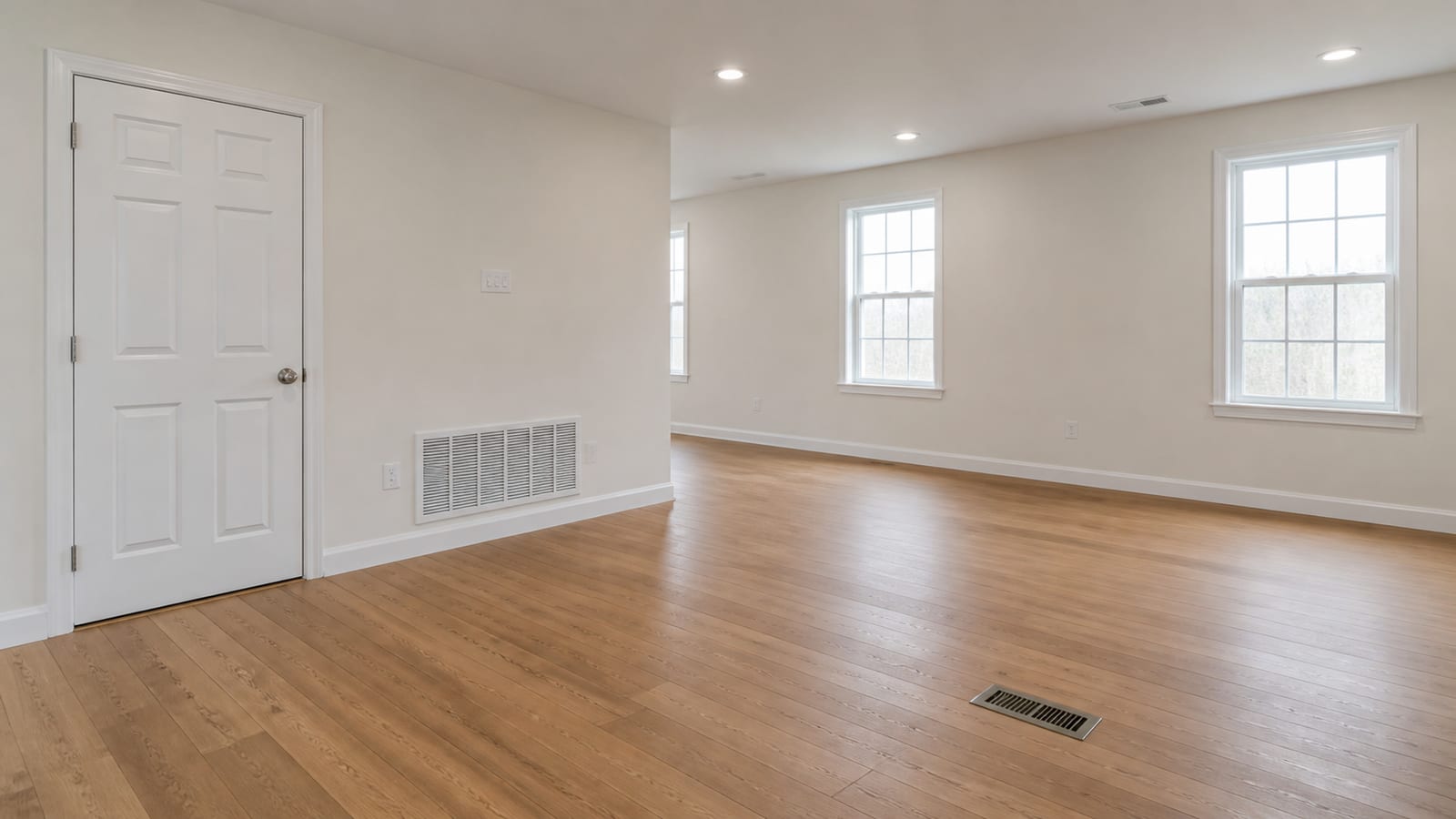
The hardest version of this problem is the one with no stain on the wall. Somebody in the house or the office keeps getting headaches, or a cough that clears up at the weekend, and there is nothing to point a camera at. What that person usually wants is not reassurance. It is evidence that somebody looked in the right places, because the fear underneath is being told everything is fine by a person who checked one room with a meter. So this page is mostly about method: how a building gets assessed when the problem is invisible, and what makes a laboratory result mean something rather than nothing.
Key Takeaways
The visual inspection and assessment is the most important step
, ahead of any sampling, which is New Jersey's own position.
An indoor air result needs a same-day outdoor control
taken under comparable conditions, or there is nothing to compare it against.
There is no federal numerical limit for airborne mold
, so no result is an official pass or fail.
A public-employee workplace has its own duties
, including a designated person and a three-year retention requirement for the maintenance log.
Getting an Answer Starts With Looking, Not Sampling
New Jersey's Department of Health is direct about the order of operations: the visual inspection and assessment is the single most important procedure. Not the cassette. The walk-through.
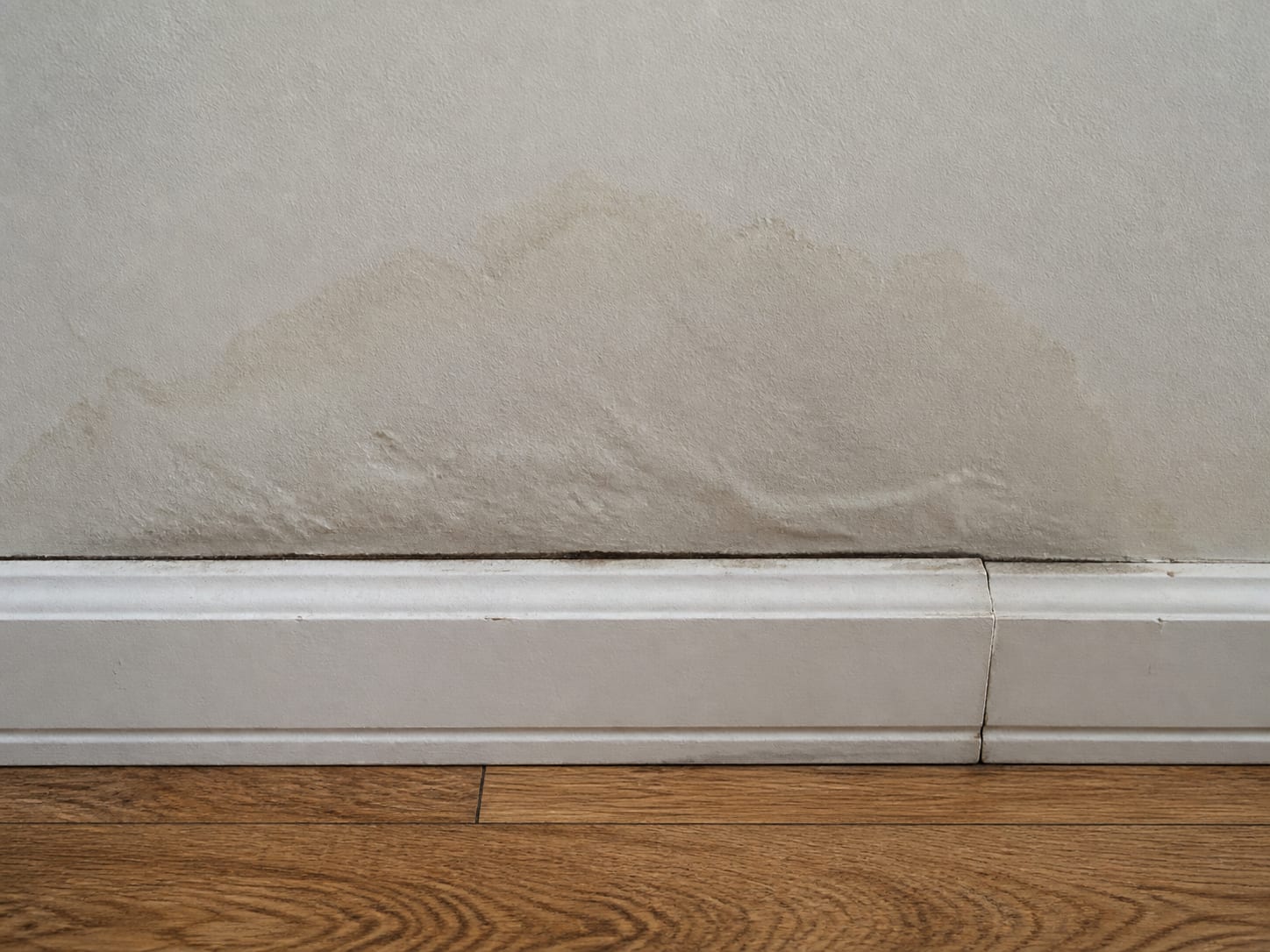
What that assessment is looking for is water, present or past. NJDOH's guidance directs it at water infiltration and leakage, excess moisture, and the materials those have affected, and then at whether a sampling strategy is needed at all. Its list of moisture sources is the practical checklist for a building with no visible growth: plumbing, roof and window leaks, high humidity, flooding, and condensation inside walls where insulation is poor. That last one is the reason a symptom complaint can have no visible cause. Condensation inside a wall cavity leaves nothing on the surface of the room until quite late.
The interview matters as much as the walk. When did the symptoms start, do they track with being in the building, do they improve away from it, has anything changed with the heating or cooling, and what is the water history of the property. That is the material that tells an assessor where to look, and it is why an assessment that begins with equipment rather than questions tends to find nothing.
How an Air Quality Assessment Runs
- 1
Walk-through and interview
Symptoms and their timing, whether they improve away from the building, changes to heating or cooling, and the water history of the property.
- 2
Visual inspection and assessment
Looking for water, present or past: infiltration, leakage, excess moisture, and the materials they affected.
- 3
Decide whether sampling is needed
Where growth is visible, sampling is generally unnecessary. Where nothing is visible, it has a genuine role.
- 4
Name the question and the locations
Air, surface, dust, bulk material, moisture, humidity, or a non-mold contaminant panel, decided before anything is collected.
- 5
Sample indoors with an outdoor control
The control is taken outdoors on the same day under comparable conditions.
- 6
Read the result against the background
Indoor type and concentration are read against the outdoor control, the building history, the visible conditions and the stated limits of the sampling.
- 7
Write the report
The areas inspected, the methods used, the mold conditions found, and the moisture sources with their actions.
Where growth is already visible, both NJDOH and EPA say sampling is generally unnecessary, and the resources go to correcting the moisture and remediating the contamination instead. Where nothing is visible, which is your situation, sampling has a genuine role.
The Outdoor Control Is What Makes a Result Mean Anything
This is the part worth understanding before you pay for any air testing, because it is the difference between a number and a finding.
Indoor air always contains mold spores. So does outdoor air, in quantities that change with the season, the weather, the time of day and what is growing nearby. An indoor count on its own therefore tells you almost nothing, because there is no fixed level it can be compared against.
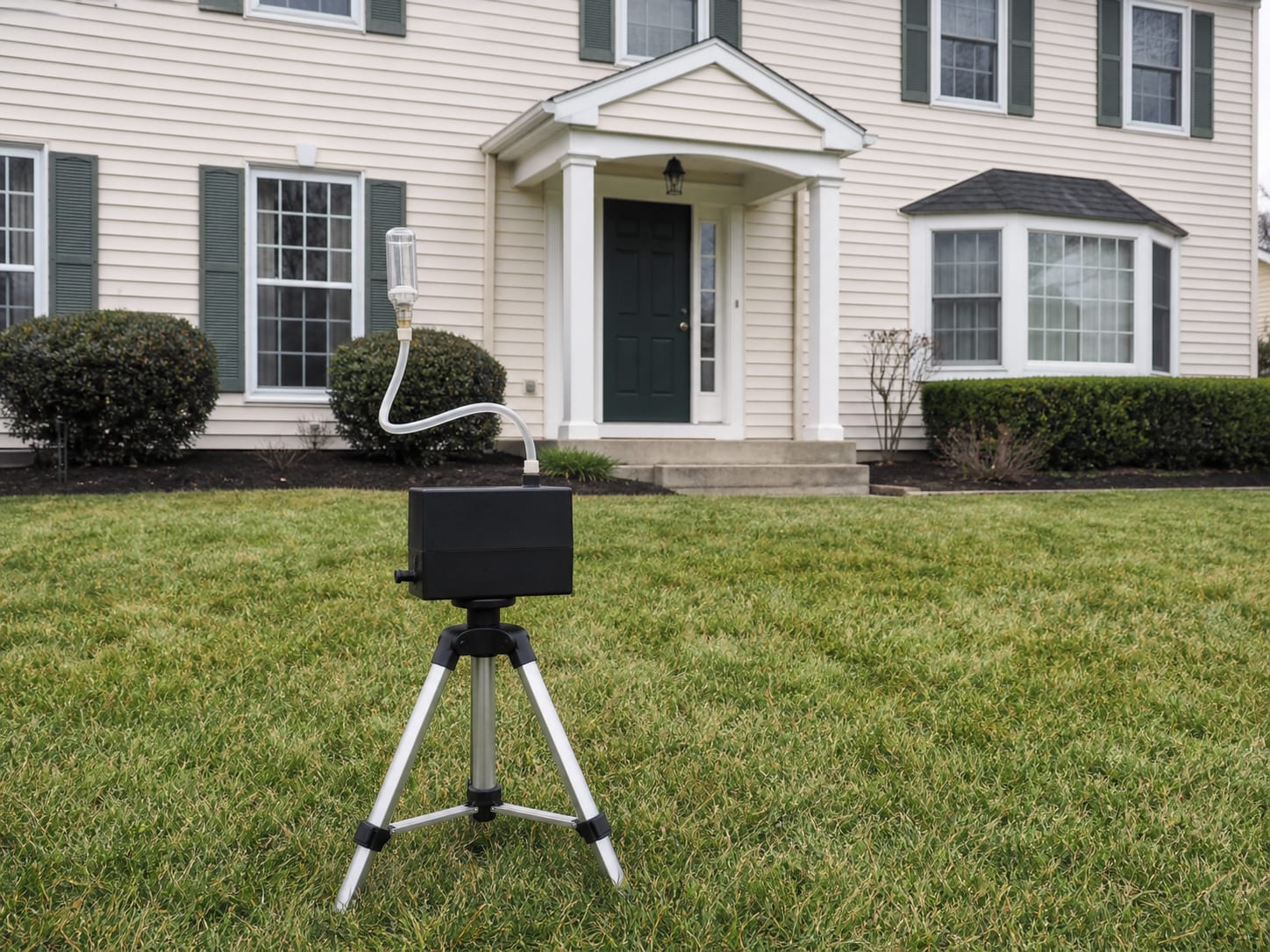
What makes it interpretable is a control sample taken outdoors on the same day under comparable conditions. The assessor then reads the indoor type and concentration against that outdoor background, alongside the building history, the visible conditions and the stated limits of the sampling. The useful signals are comparative: an indoor type that is not represented outdoors, or a concentration meaningfully above the background, in a specific area rather than throughout.
Two limits stated plainly, because a report that hides them is worth less than one that does not:
- There is no EPA or federal numerical limit for airborne mold or spores. No result is a government pass or fail, and anybody presenting one that way has invented a standard.
- Sampling should be designed and interpreted by somebody experienced in the protocols, which is EPA's position and the reason a collected sample is the easy half of the job.
Where the source is concealed, the scope should name the question and the locations before anything is collected: air, surface, dust, bulk material, moisture, humidity, or a non-mold contaminant panel. Those answer different things, and choosing between them is the assessment's job.
Knowing What the Findings Can and Cannot Settle
Being straight about this makes the result more useful, not less.
What an assessment settles. Where moisture is or has been, what materials it affected, whether growth exists in the areas inspected, what the moisture sources are, and what corrective actions those call for. The report should summarise the areas inspected, the methods used, the mold conditions found and the moisture sources with their actions. That is a document you can act on and keep.
What it cannot settle. Whether the building caused a specific person's symptoms. EPA lists allergic reactions, asthma attacks in people who are mold-allergic, and irritation of the eyes, skin, nose, throat and lungs, while noting that research continues and that other symptom claims are not commonly reported from indoor inhalation. An individual's medical picture belongs with a clinician. The building question belongs with us, and the two work best in parallel rather than one waiting on the other.
Hover or tap a row to highlight it.
| Question | Settled by the assessment? | What you get |
|---|---|---|
| Where moisture is or has been, and what it affected | Yes | The areas inspected and the materials affected |
| Whether growth exists in the areas inspected | Yes | The mold conditions found |
| What the moisture sources are | Yes | The sources, with the corrective actions they call for |
| Whether the building caused a specific person's symptoms | No | That question belongs with a clinician |
| Whether the result is an official pass or fail | No | No federal numerical limit exists for airborne mold |
There is also no West Windsor study reporting health outcomes attributable to indoor mold or air quality, so any local claim of that kind is invented. What is real and local is the property: NJDOH notes that mold can break down building materials, and EPA's completion standard is that the mold and the odour should be absent and the moisture problem fixed before cleanup is considered finished.
A Workplace Has Duties a House Does Not
Worth separating out, because a good share of the air quality enquiries in a township like this one come from schools, municipal buildings and offices rather than from homes.
For an existing public-employee workplace, New Jersey's PEOSH indoor air quality standard creates its own documentation duties. Those include a designated person responsible for the standard and a three-year retention requirement for the maintenance log. That changes the shape of the engagement: the assessment is not only answering a complaint, it is feeding a record that has to exist and be kept.
For a private commercial tenancy the duties come from the lease and the landlord relationship rather than from PEOSH, which is a different conversation but the same practical need for a documented, dated report naming what was inspected and what was found.
Planning the Visit So It Is Not Wasted
There is no published West Windsor benchmark for how long an assessment takes or how quickly a laboratory reports, so treat any advertised local standard as marketing. Our own practice, which is worth confirming when you book rather than assuming: a residential site visit typically takes two to four hours, and laboratory reports are typically available in two to three business days.
Sort out access first. The affected rooms, attic and crawl space if either is in scope, mechanical rooms and the air handling equipment, plus any occupancy constraint. In a workplace, that also means when sampling can happen without the building's own activity distorting it.
Testing itself is not identified as a construction permit activity in the Township's construction materials. If the investigation leads to repair, alteration, rebuilding or a certificate of occupancy question, the Township's Construction Department is the local contact and its resident guide gives 609-799-8490 for permit questions. Association rules and any historic-district approval for intrusive work are property-specific and were not established townwide, so check the governing documents before anything gets opened up.
What Changes the Scope
- Whether the source is concealed, which is what turns a walk-through into an investigation.
- How many rooms or zones are involved, and whether the complaint is localised or building-wide.
- Which sample types the question calls for, and how many, including the outdoor control.
- Access to attics, crawl spaces, wall cavities and mechanical areas.
- Whether air handling is involved, which widens both the assessment and the possible correction.
- The report, and whether it has to stand up in a workplace file, a tenancy or a transaction.
What Changes the Scope
A concealed source
Turns a walk-through into an investigation.
Rooms or zones
How many are involved, and whether the complaint is localised or building-wide.
Sample types
Which the question calls for, and how many, including the outdoor control.
Access
Attics, crawl spaces, wall cavities and mechanical areas.
Air handling
Widens both the assessment and the possible correction.
The report
Whether it has to stand up in a workplace file, a tenancy or a transaction.
Frequently Asked Questions About air quality testing West Windsor NJ
Nobody can see anything. Is testing my only option?
It is not the first option. The visual inspection and moisture assessment comes first, because it is where most invisible problems are actually located, particularly condensation inside walls where insulation is poor. Sampling then answers what the inspection could not, which is exactly the situation you are in if a careful assessment finds nothing.
What does a spore count actually tell me?
Only what it is compared against. There is no federal numerical limit for airborne mold, so the meaningful comparison is an outdoor control taken the same day under comparable conditions, read alongside the building history and the visible conditions. An indoor number reported on its own is not interpretable.
Can you tell me whether the building is making my child ill?
No, and neither can anybody else with a sampling pump. EPA lists allergic reactions, asthma attacks in mold-allergic people and irritation of the eyes, skin, nose, throat and lungs, and says research continues. Symptoms are a clinician's question. What we can establish is whether there is a moisture or contamination problem in the building, which is the half you can fix.
We are a school district. Is this different for us?
Yes. For an existing public-employee workplace the PEOSH indoor air quality standard brings its own duties, including a designated person and retention of the maintenance log for three years. The assessment should be scoped with that record in mind rather than as a one-off response to a complaint.
How long does it take?
A residential visit typically runs two to four hours here depending on size and how many areas are in scope, with laboratory reports typically in two to three business days. There is no published local standard for either, so ask any provider to commit to their own numbers at booking.
Do we need a permit for an air quality assessment?
No. If findings lead to repair, alteration or rebuilding, the Township's Construction Department handles the permit question and its resident guide gives 609-799-8490.
Test Your Air Quality Knowledge
1. According to New Jersey's Department of Health, which procedure is the single most important?
2. What makes an indoor air result mean something?
3. Is there a federal numerical limit for airborne mold?
4. What must a public-employee workplace keep for three years under the PEOSH standard?
Pick an answer to begin.
Air Quality Testing Terms
Tap a term to see what it means.
Visual inspection and assessment. The walk-through New Jersey's Department of Health calls the single most important procedure, looking for water infiltration and leakage, excess moisture and the materials affected.
Final Thoughts
When there is nothing to see, the value of an air quality assessment is the method rather than the number. A documented walk-through and moisture assessment finds most invisible problems, because most of them are water somewhere it should not be. Where it genuinely does not, targeted sampling with a same-day outdoor control and a stated question turns an impression into evidence, and the report gives you something to act on and keep.
What it will not give you is a pass mark, because none exists, or a diagnosis, because that is a clinician's job. What it can give you is an answer to the building question, which is the one you can actually do something about.
If someone in your West Windsor home or workplace keeps getting symptoms and nothing is visible, call us and we will start with the inspection rather than the equipment. ExecPro Restoration & Cleaning has assessed and remediated across Mercer County since 2015, from Princeton Junction NJ through West Windsor NJ, Princeton NJ, Plainsboro NJ, Hightstown NJ and Robbinsville NJ. Call ExecPro Restoration & Cleaning at (888) 300-3772 or get in touch. We handle residential and workplace assessments, design the sampling around a stated question when it is warranted, and carry out the moisture correction and remediation the findings call for.
Serving West Windsor
ExecPro Restoration & Cleaning provides mold remediation services in West Windsor, NJ, from inspection and testing through removal, drying, and post-remediation verification. Call (888) 300-3772 for 24/7 emergency response.
Related Articles
Air Quality Testing in Warren, NJ: Is It Worth Running?
Is indoor air quality testing worth it? When a sample answers a real question in a Warren, NJ home, what it is read against, and what to do with the result.
What the Sample Can Tell You: Air Quality Testing in Plainsboro, NJ
When an air sample earns its cost in Plainsboro, NJ, what the outdoor control is for, how to read the report, and when your money is better spent elsewhere.
Air Quality Testing in Robbinsville, NJ: A Musty Smell After a Thunderstorm
A musty smell that shows up after heavy rain often means hidden moisture. See what air quality testing in Robbinsville, NJ can tell you and what to check.