Air Quality Testing in Livingston NJ: When a Sample Answers the Question
Cal HewittPublished
- air quality testing
- indoor air quality
- mold testing
- livingston nj
- new jersey
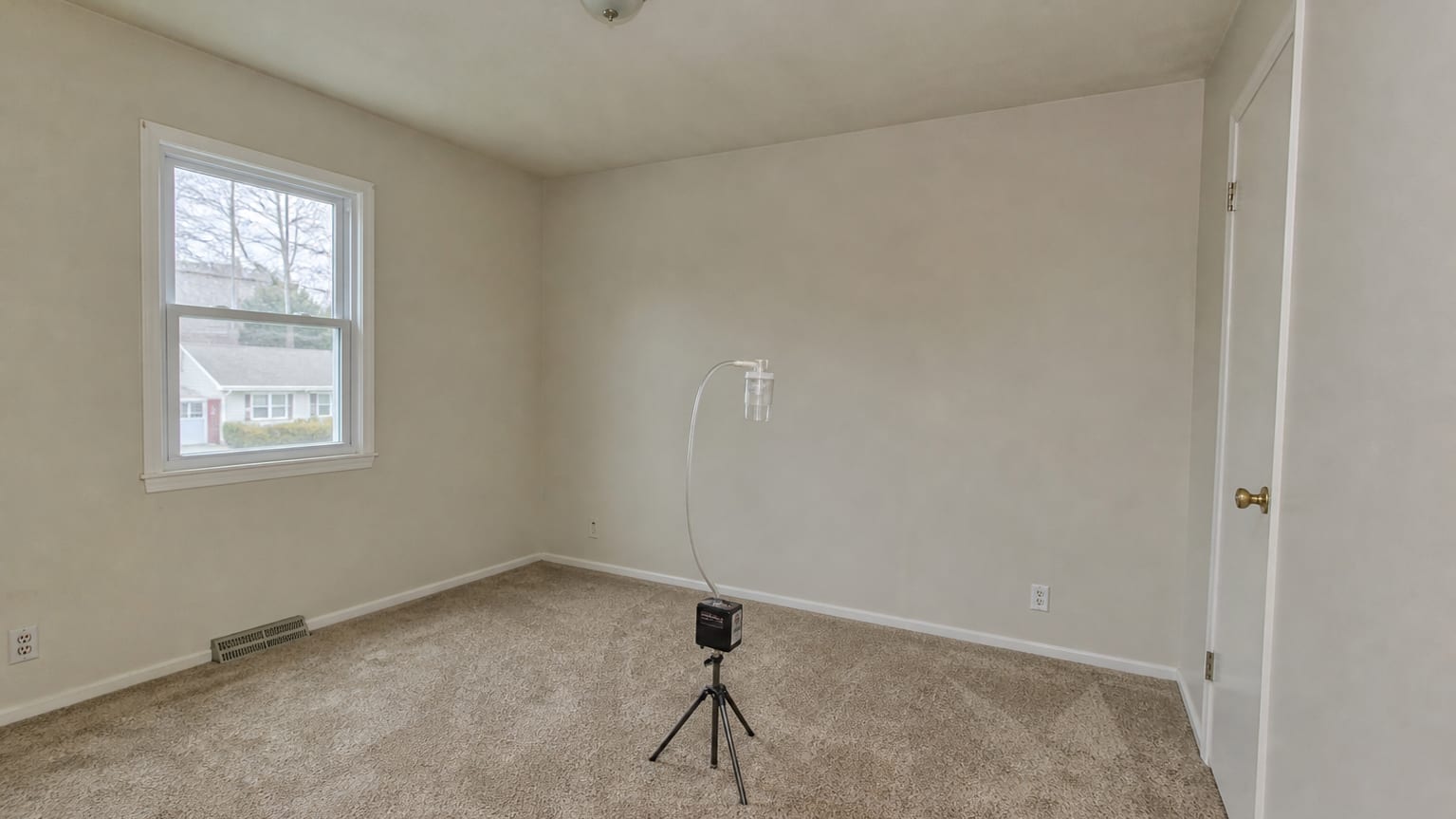
Before you pay for an air sample, there is one question worth writing down: what do you want the result to tell you?
It sounds obvious, and it is the step almost everyone skips. Most people call because something in the house feels off. A lower level smells musty after heavy rain. A room got stuffy after a bathroom remodel. Someone coughs in one part of the house and not the other. Those are all fair reasons to look into a building. None of them, on their own, tell you what a lab number is supposed to settle. The honest answer is that air quality testing in Livingston NJ is worth it in some situations and close to useless in others. It is a diagnostic tool with a narrow job, not a health report for your house.
Key Takeaways
Testing answers a question, not a feeling
A sample is useful when it settles something a walk through the building cannot. If you cannot name the question, the number will not help.
Visible mold usually does not need a sample
The EPA says sampling is often unnecessary when growth is visible, because the response is the same either way.
There are no health-based limits for mold
No federal standard defines a safe indoor spore count, so no report can honestly say your air passed or failed.
Moisture is the thing worth chasing
Controlling moisture is what controls mold. A result that does not lead you to a water source has not moved the job forward.
One test does not cover every category
Radon, combustion safety, chemical odors, and mold each need their own method.
Price follows scope, not a menu
Reason, sample count, access, lab work, and the written interpretation all move the cost.
Start With the Question, Not the Sample
There is a useful way to sort this. Some questions have a physical answer sitting in the building, and a person with a moisture meter and a flashlight can find it. Other questions only have an answer in a laboratory. Testing earns its cost when it is the second kind.
A walk through a building can usually tell you where water is getting in, which materials are wet right now, whether a bathroom fan really vents outdoors, how the HVAC moves air between floors, and whether staining on a joist is old or active. The EPA's indoor air guidance makes the same point: many indoor air problems can be identified by inspection, and a test alone cannot establish every cause.
Questions a Sample Can Actually Settle
Sampling has real value when the question is narrow and someone has already looked at the building. Verification after remediation, where the point is to confirm the space now compares reasonably with a reference area. A suspected hidden source, where a wall cavity cannot be opened yet and a sample helps decide whether opening it is justified. A disagreement between two parties, such as a buyer and seller or a landlord and tenant, where an outside measured record carries more weight than an opinion. And categories with no visual sign at all, radon being the clearest case, where the New Jersey Department of Environmental Protection is direct that testing is the only way to know a building's radon level.
Questions a Sample Cannot Settle
A sample cannot tell you why someone feels unwell. It cannot tell you your air is safe, because no number defines safe. And it cannot substitute for finding the water. If a report comes back and nobody knows where the moisture is coming from, you have bought a data point and still own the problem.
When Testing Is Not the Right First Step
The most common wasted test in this line of work is the one ordered on top of mold everyone can already see. When growth is visible on drywall, a joist, or the back of a baseboard, the EPA's position is that sampling is usually not necessary. The reason is practical. The response does not change based on what the lab says. You still have to stop the water and remove or clean the affected material, and there is no health-based threshold to measure the number against anyway.
The second miss is testing before anyone has looked at the building. A sample with no context is a snapshot of one room, on one day, under whatever conditions happened to exist. Windows open or closed, HVAC running or off, whether someone vacuumed that morning, all of it moves the result. It also helps to leave the space alone beforehand. Masking an odor with fragrance, painting over staining, or running a dehumidifier hard for two days changes what an assessment finds without changing anything that matters.
Hover or tap a row to highlight it.
| Your situation | Does a sample answer it? | Better first step |
|---|---|---|
| You can see mold growth on a wall or joist | Usually no, the response is the same either way | Find the moisture source and scope material removal |
| Musty odor in a finished lower level, nothing visible | Sometimes, after a moisture and HVAC review | Moisture readings and a look behind finishes |
| Remediation is finished and you want it confirmed | Yes, this is verification's actual purpose | Post-work assessment with a reference comparison |
| Buyer, seller, landlord or tenant disagreement | Yes, an outside measured record helps | Scoped assessment with documented conditions |
| Someone in the household feels unwell | No, a report cannot diagnose a person | See a physician, and separately look at the building |
| You want to know whether radon is present | Yes, and only a radon test can tell you | A radon-specific test, not a general air panel |
How a Livingston Assessment Should Actually Run
Livingston sits inland in Essex County, and the local conditions that matter here are not weather headlines. They are address-level details: how a lower level is used, whether a past renovation changed the way air moves, whether a laundry or bath exhausts outdoors, and whether the property has a water history someone remembers.
The township counts roughly 10,699 housing units, and its municipal construction records treat single-family, multifamily, and commercial properties as separate classifications. That mix matters. A detached house with a finished basement, a two-family with shared mechanicals, and a leased commercial suite with zoned ventilation are three different investigations, even when the complaint sounds identical over the phone.
What a Scoped Assessment Looks Like
- 1
Interview the people who live or work there
What the complaint is, which rooms, when it started, what changed recently, and any known water event in the building's history.
- 2
Look and measure before deciding anything
Visual review of accessible areas, moisture readings on suspect materials, and how the HVAC actually operates in that space.
- 3
Decide whether a sample is justified
If the visual and moisture work already answers the question, testing stops here. If a defined question remains, the sampling plan gets set deliberately.
- 4
Collect with conditions recorded
Locations, time, weather, HVAC status, and any reference area, because a result without its conditions cannot be read later.
- 5
Report observations separately from limits
What was seen, what was measured, and what could not be reached or determined.
- 6
Match the next step to the source
The finding decides what happens next, whether that is a moisture repair, material removal, ventilation work, or no work at all.
If findings lead to actual construction, that is a separate event with its own rules. A diagnostic visit does not require a construction permit, but work that changes structure, electrical, mechanical, plumbing, or the use of a space usually falls under local review. The Livingston Building Department handles permits for home construction, renovation, and additions, plus commercial permits covering ownership changes, expansions, signs, and tenant work. Keeping the diagnosis and the construction separate keeps the budget honest too.
Reading a Report Without Fooling Yourself
A report that says passed or failed is telling you less than it appears to. There is no federal health-based standard for indoor mold spore levels, so any pass or fail language is somebody's internal cutoff, not a regulatory line. A useful report instead describes conditions on that day, in those rooms, next to a comparison, with the limits stated plainly. The limits section is worth reading twice. Inaccessible cavities, spaces that could not be entered, equipment that was off during the visit, and anything outside the agreed scope belong there. A report willing to say what it could not determine is more trustworthy than one implying it covered everything.
One test also does not clear a building of every category. Radon, combustion byproducts, chemical and product odors, allergens, and mold each need their own approach. The EPA's guide to indoor air quality treats these as separate problems with separate fixes, and recommends controlling pollutants at the source and bringing in outdoor air where practical. If somebody offers one test that certifies a whole house, that is marketing, not method.
Health questions belong with a clinician. The EPA notes that people react differently to indoor pollutants and that those with asthma, allergies, or weakened immune systems may have particular concerns around mold. Those are real considerations, and they are reasons to talk to a doctor about the person while a building professional looks at the building.
What It Costs, and Why Nobody Can Quote It Blind
There is no flat price for air quality testing that means anything without a scope attached. Cost moves with the reason for the investigation, how many samples and what type, how accessible the suspect areas are, whether moisture or HVAC diagnostics are included, what the lab charges, and whether you receive a written interpretation or raw numbers. One accessible room is a different job from a multi-floor property with several HVAC zones, and both differ from a post-water-loss investigation documenting affected locations across a building.
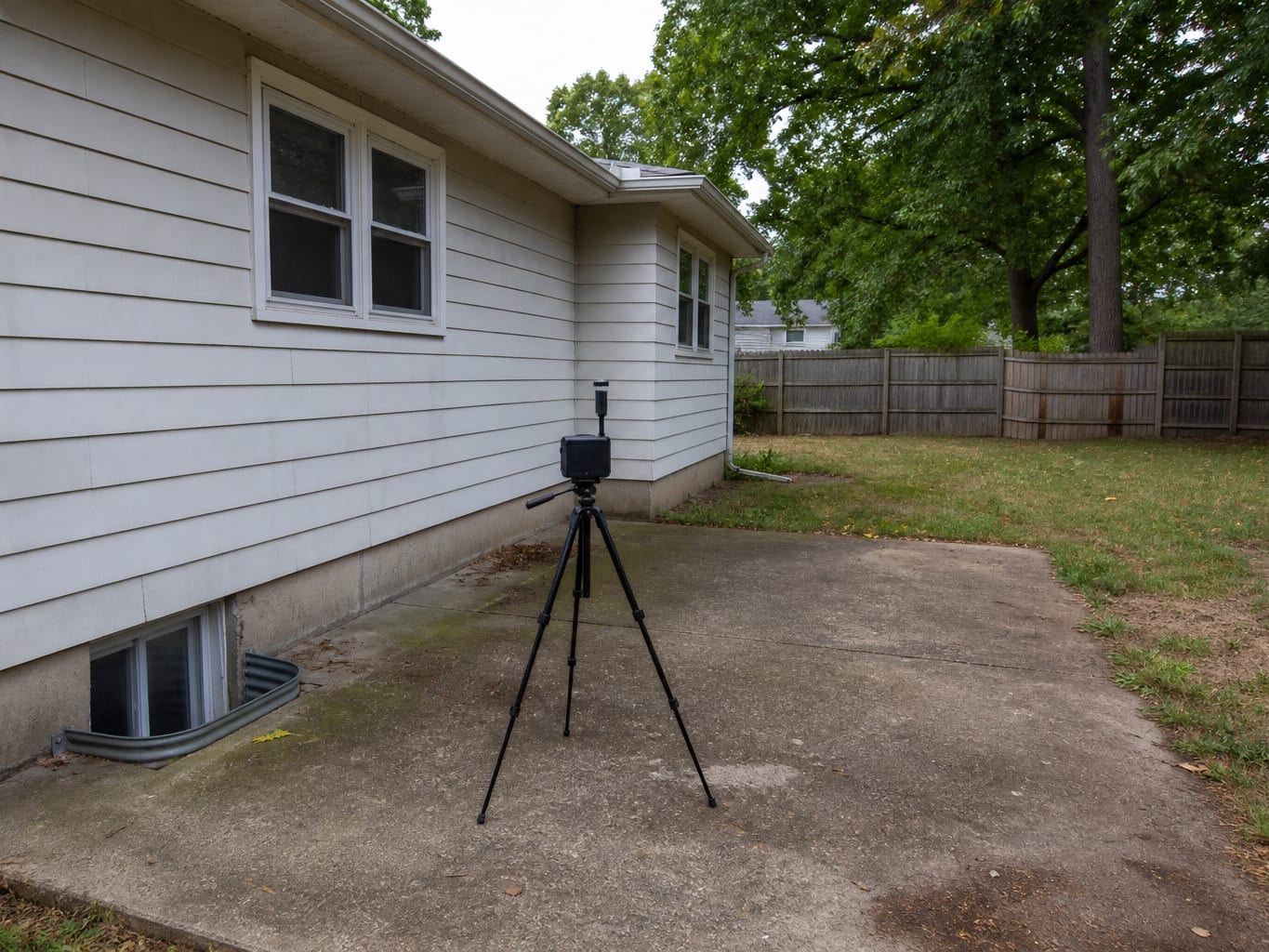
The other half of the question is whether the spending fits the analytical question at all. Money spent on scattered samples can produce a result without resolving the moisture source, which leaves you with a bill and the same wet building. Targeted testing that answers a defined question is money that moves the job forward. Coverage is decided by your policy rather than a contractor's report, so keep dated photographs, reports, and invoices together and treat the report as supporting material, not a verdict.
Frequently Asked Questions About Air Quality Testing in Livingston NJ
I can see mold in my basement. Do I need a test before it gets cleaned up?
Usually not. When growth is visible, the EPA's guidance is that sampling is often unnecessary, because the response does not change based on the result. What matters is finding the water that caused it and removing or cleaning the affected materials. A mold inspection focused on moisture and visual assessment is the more useful first call.
Can an air test tell me if my house is safe?
No, and a report that says so is overstating what it has. There are no federal health-based standards for acceptable indoor mold spore levels, so there is no threshold to measure safe against. A good report describes measured conditions, states its limits, and points toward a source. It does not certify a building.
My family has been getting headaches at home. Will testing explain that?
It will not. An air sample measures the building, not the people in it, and medical questions belong with a licensed clinician. Running a building assessment at the same time is still reasonable, because a moisture problem is worth correcting either way. The two answers just come from different professionals.
Does a test in Livingston require a township permit?
A diagnostic visit does not. Permits come into play when corrective work changes regulated systems or the use of a space, such as demolition, reconstruction, mechanical changes, or a tenant fit-out. The Building Department publishes permit and application information for those projects, and its record search can tell you whether open or closed permits exist at an address.
Is a home test kit good enough?
It is not a substitute for a scoped investigation. A kit will detect spores, which are present in essentially every building, but it will not tell you where moisture is entering, which materials are affected, how the HVAC is moving air, or what work is warranted.
Does an air test cover radon too?
No. Radon needs its own method, and the New Jersey Department of Environmental Protection is clear that testing is the only way to know a building's radon level. The same separation applies to combustion safety and chemical odor complaints.
Final Thoughts
Air quality testing gets oversold, which is a shame, because aimed at a real question it does something nothing else can do. The trick is knowing which situation you are in. If you can see the growth, you already have your answer, and the money belongs in finding the water and removing the material. If the question is genuinely open, a verification after cleanup, a suspected source behind a wall, a dispute that needs an outside record, or a category like radon with no visual sign, then a sample is worth what it costs.
What should never happen is a test standing in for an investigation. The value is in the question it settles, and a result with no moisture story behind it has settled nothing.
Our team at ExecPro Restoration & Cleaning works through that question with property owners across Livingston and the rest of Essex County, starting with moisture and building conditions and recommending indoor air quality testing only where it answers something a walkthrough could not. You can see the full range of what we handle locally on our Livingston mold remediation page, or call (888) 300-3772 and describe what you are seeing. If a test is not what you need, we will say so. You can also contact us with the details and we will reply with the next step.
Air Quality Testing Terms
Tap a term to see what it means.
Air sample. A collected volume of indoor air analyzed by a laboratory, useful only when location, timing, and conditions are recorded alongside it.
Serving Livingston
ExecPro Restoration & Cleaning provides mold remediation services in Livingston, NJ, from inspection and testing through removal, drying, and post-remediation verification. Call (888) 300-3772 for 24/7 emergency response.
Related Articles
Air Quality Testing in Robbinsville, NJ: A Musty Smell After a Thunderstorm
A musty smell that shows up after heavy rain often means hidden moisture. See what air quality testing in Robbinsville, NJ can tell you and what to check.
Air Quality Testing in Trenton, NJ: Is the Smell Yours or Next Door's?
Rowhomes and twins share a party wall, so a musty smell or symptoms can start next door. See which air quality testing in Trenton fits and what it costs.
Air Quality Testing in Bridgewater, NJ: Odors, Symptoms and Which Test Fits
If the house smells musty after rain or symptoms ease when you leave, see which air quality testing in Bridgewater fits and what a result can change for you.