Mold Remediation in Ridgewood, NJ
Five named watercourses run through or along the Village of Ridgewood: Ho-Ho-Kus Brook, the Saddle River, Goffle Brook, Sprout Brook and Diamond Brook. The Village's adopted master plan states that the state mapped flood hazard areas lie along those waters and that several hundred Ridgewood properties sit within regulated flood hazard areas and have been susceptible to significant flood damage. Its floodplain page adds the detail that actually explains the pattern: those streams have limited capacity and can exceed their banks during heavy rainfall.
Mold Remediation in a Village Built Along Five Brooks
Mold is what a water problem becomes when it is left alone, so the work starts by identifying the water rather than by cataloguing the growth. In Ridgewood the honest candidates are stream related flooding and overbank flow, surface runoff on a sloped lot, seepage into a lower level, envelope failures at the roof, gutters or masonry, a plumbing or appliance failure calling for water leak detection, and condensation where humid air meets a cold surface inside an assembly.
Any of those will grow mold and none of them takes the same repair. A basement that took water from a brook that came over its bank and a basement that gets damp every August because of a cold slab and a humid house look nearly identical by the time drywall is stained. Separating them takes moisture readings, an understanding of the site, and a look at the flood mapping for that parcel rather than a general impression of the neighborhood.
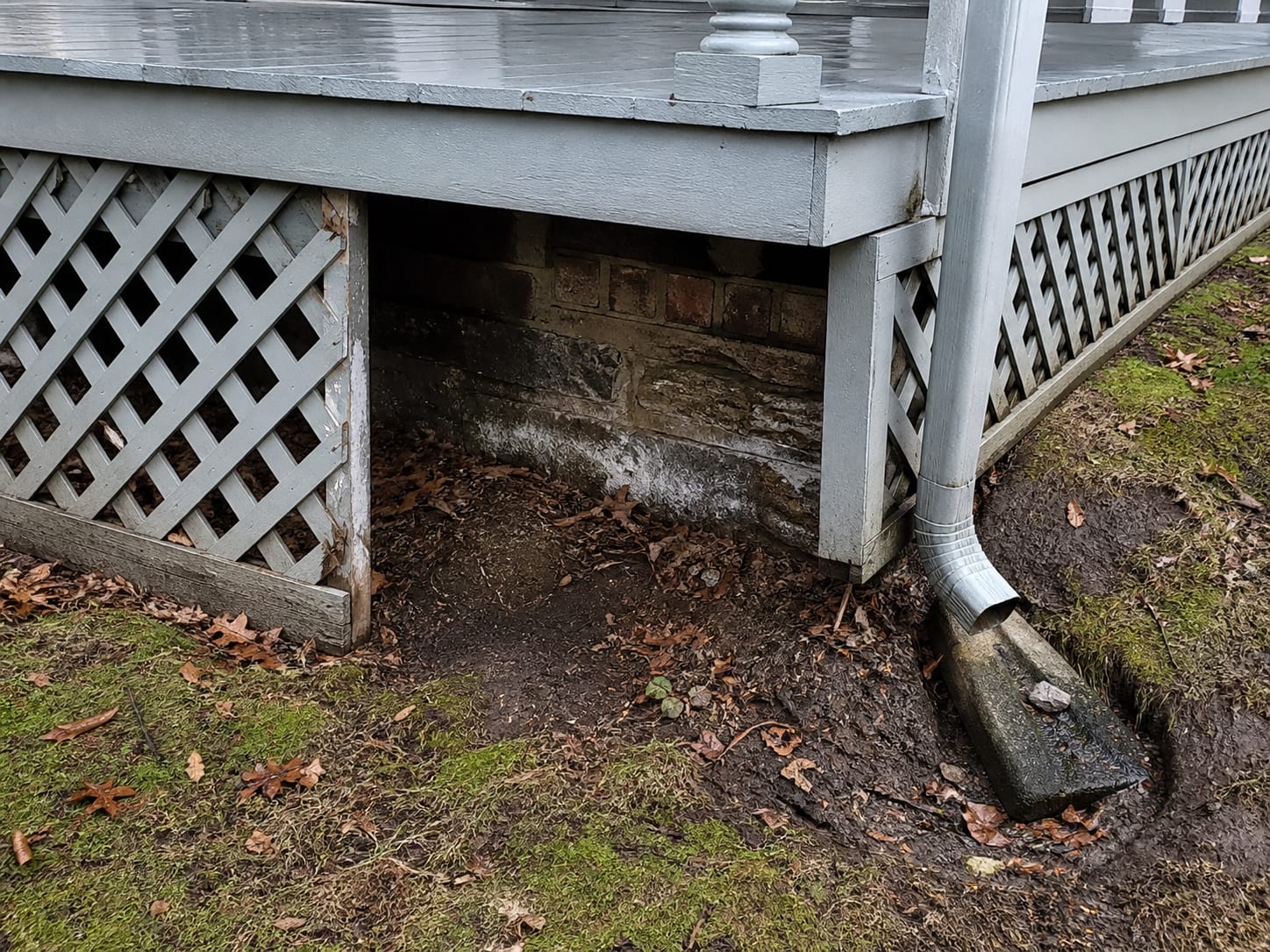
Overbank Flow, Older Foundations and Storm History in Ridgewood Homes
Streams With Limited Capacity
The Village is direct about the mechanism: heavy rain can push these watercourses past their banks, and the flood hazard areas follow the water. Ho-Ho-Kus Brook forms part of the boundary with Ho-Ho-Kus Borough, the Saddle River forms part of the boundary with Paramus, Goffle Brook crosses the southwest corner between Hawthorne and Midland Park, and Diamond Brook enters the Village from Glen Rock. A property near any of those has a different exposure profile from one several streets away, and the correction after a loss has to account for water arriving from outside the building. Where that has happened, flood damage cleanup governs the handling rather than a standard water protocol.
The Rise From the Tracks Westward
The master plan describes the Village as sloping upward from east to west starting at the rail tracks, with more varied topography, sloped streets and sloped properties on the west side. Elevation is protection from a stream and it is not protection from runoff. On a sloped lot the water problem is usually surface flow arriving at the house from uphill, a driveway or a walk that channels it, or a foundation that is fine on three sides and low on the fourth. The remedy there is grading and drainage outside, not a dehumidifier inside.
Older Houses and What Sits Under Them
In the master plan's American Community Survey source, 6,938 of 8,740 Ridgewood housing units, about 79.4 percent, are one unit detached homes, and 4,132 units, roughly 47.3 percent, were built before 1950, with another 2,106 going up during the 1950s. Older houses carry older foundations, older drainage details and decades of alterations, and their lower levels have often been finished at some point by somebody. Finished material against a foundation wall is the single most common place a slow moisture problem turns into a visible one, and basement mold remediation is usually where that ends up.
Storms That Are Already in the Record
This is not a hypothetical exposure. The Village's own planning record cites significant flooding, tree damage and power outages from Hurricane Irene in 2011, Superstorm Sandy in 2012 and storms including Tropical Storm Ida in 2021. Each of those left buildings that were wet for days rather than hours, and the losses that turned into mold problems were generally the ones where the drying was rushed or where the material that stayed wet was never removed.
Roof, Gutter and Masonry Failures
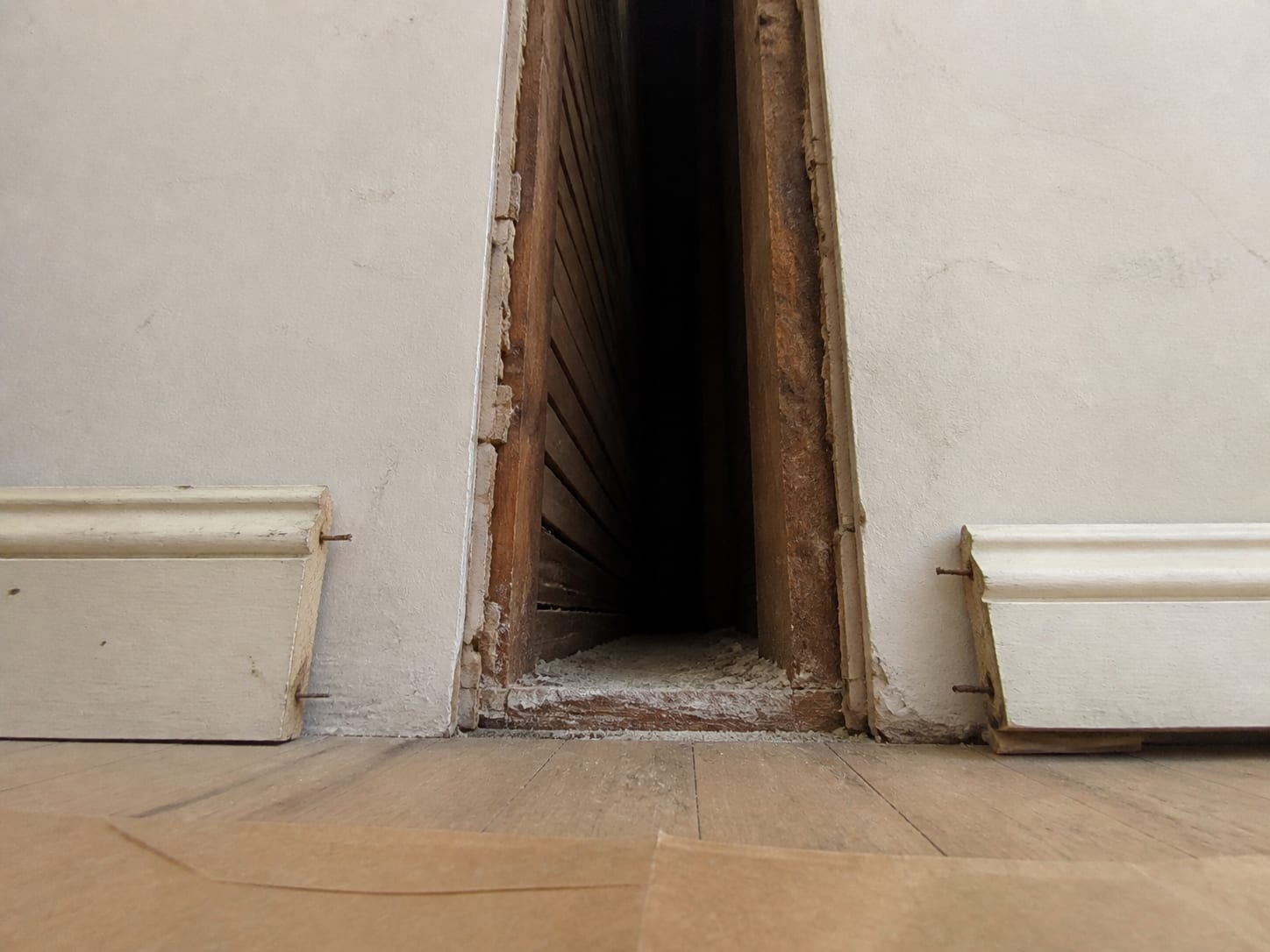
Water gets in high and shows up low. A blocked gutter that overflows against a wall, failed flashing at a chimney or a dormer, a slate or tile repair that never sealed properly, or an unmaintained masonry joint will all deliver water into an assembly, and on a house with a complicated roof the entry point may be a floor above the stain. Where it collects above a ceiling, ceiling mold removal is the visible half of a repair that belongs on the roof.
Plumbing, Appliances and Condensation
None of the local geography is required for a mold problem. A supply line, a shower pan, an ice maker feed or a water heater will produce one on a hilltop in a new house, and so will a cold duct or pipe sweating inside a closed wall. These are the failures with the longest gap between the start date and the discovery date, because nothing about them is visible from the street.
The Mold Remediation Process, Drawing the Wet Boundary Before Any Work Starts
Finding the Water and Drawing the Boundary
The assessment establishes the water route, the materials it reached and where the wet area actually ends, including behind finishes and above ceilings. Readings come from the suspect locations and from comparable dry ones in the same building so the numbers can be interpreted, and anything that could not be opened or reached is written down as not inspected instead of assumed to be dry.
Sealing the Work Area
Containment goes up before material is disturbed, because cutting into growth without it relocates the problem into rooms that were unaffected. Equipment serving the space is shut down rather than left running. If there is any chance the water carried wastewater, sewage cleanup sets the protective requirements from the outset.
Removing, Cleaning and Drying to a Number
Porous material that stayed wet comes out past the wet line. Sound hard surfaces are cleaned and kept rather than replaced for the sake of it. Then the drying equipment goes in and readings are recorded by location until they come down and hold, which is a measurable finish line rather than a room that feels alright.
Correcting the Cause and Proving the Result
The repair that stops the water is what decides whether any of this holds, and in Ridgewood that is often site work outside the building rather than anything indoors. Where a documented record of the finished condition is needed for a claim, a buyer or a lender, post remediation verification is what produces it, and it happens before anything is closed back up.
Basement Flood, Storm Damage and Rebuilding Help for Village Owners
Mold Inspection
A documented look at the conditions, the water path and the affected materials. Mold inspection is where a defensible scope comes from, and on an older house it is how the hidden work gets found before the schedule depends on it.
Mold Testing
Sampling answers narrow questions and should be used for them. Mold testing earns its cost when a source cannot be located, when a sale or a claim needs documentation, or when a finished cleanup needs a record.
Air Quality Testing
Indoor air quality testing compares an indoor sample against an outdoor reference taken the same day. It answers a defined question at one point in time and it is not a clearance certificate for a building.
Black Mold Removal
Color does not identify a species and does not change the work. Black mold removal is scoped by the extent of affected material and by the water source behind it.
Basement Flood Cleanup
For a lower level that has taken water, basement flood cleanup covers the extraction, the removal and the drying, and the drainage correction that follows is what prevents the repeat.
Water Damage Restoration
Where the water arrived as an event, water damage restoration leads and structural drying sets the schedule that everything else has to fit around.
Storm Damage Restoration
A significant storm brings water entry, wind damage and power loss together. Storm damage restoration is scoped for the combination rather than treating the water on its own.
Buying and Selling
A Ridgewood transaction on an older property asks documented questions. Home buyer and seller protection and real estate inspection services get those answers on paper ahead of a closing date.
Rebuilding Afterward
Once the space is verified dry, post water damage reconstruction and the wider build back services put the finishes and the systems back, and where framing was affected the work is structural mold repair first.
Ordinance 3865, the Floodplain Administrator and the Paperwork Ridgewood Expects
Ridgewood runs a real floodplain program rather than a page of general advice, and it is worth using. The Village maintains Floodplain Management Regulations under Ordinance 3865, publishes flood hazard maps, and has a designated floodplain administrator. It also participates in FEMA's Community Rating System at Class 6, which is a rated standing based on what a community actually does about flood risk rather than a description of how wet it is.
For an owner, that means the answer to "is my property in the mapped hazard area" exists in an office with a map and a person attached to it, and it should be obtained before a rebuild is designed. Several hundred Ridgewood properties fall inside those regulated areas according to the Village's own master plan. Whether yours is one of them is not something to infer from your street or from what happened to a neighbor in 2021.
Taking out wet material and cleaning the surfaces that remain is generally not permitted construction. The reconstruction that follows a serious loss usually is, and for a property inside a regulated flood hazard area the applicable floodplain rules can shape how that reconstruction has to be done. That is a question for the start of the job. It is a considerably more expensive one at the point where materials are being ordered.
The documentation is the same discipline it always is. Photographs before anything is moved, the source and category of the water, the affected materials listed room by room, the readings that show the drying reached a standard, and any permits or approvals that applied. Where an insurer is funding the repair, insurance restoration services is where the scope and the paperwork have to agree with each other.
Frequently Asked Questions About Damp Basements and Flood Hazard Maps in Ridgewood
The Village's master plan puts several hundred properties inside regulated flood hazard areas, and the mapped areas follow the five named watercourses. Which side of that line your address falls on is answered by the Village's flood hazard maps and its floodplain administrator, not by an estimate from a contractor. Ask before you plan a rebuild, because the answer can change the design.
Areas We Serve in Bergen County Around Ridgewood 07450
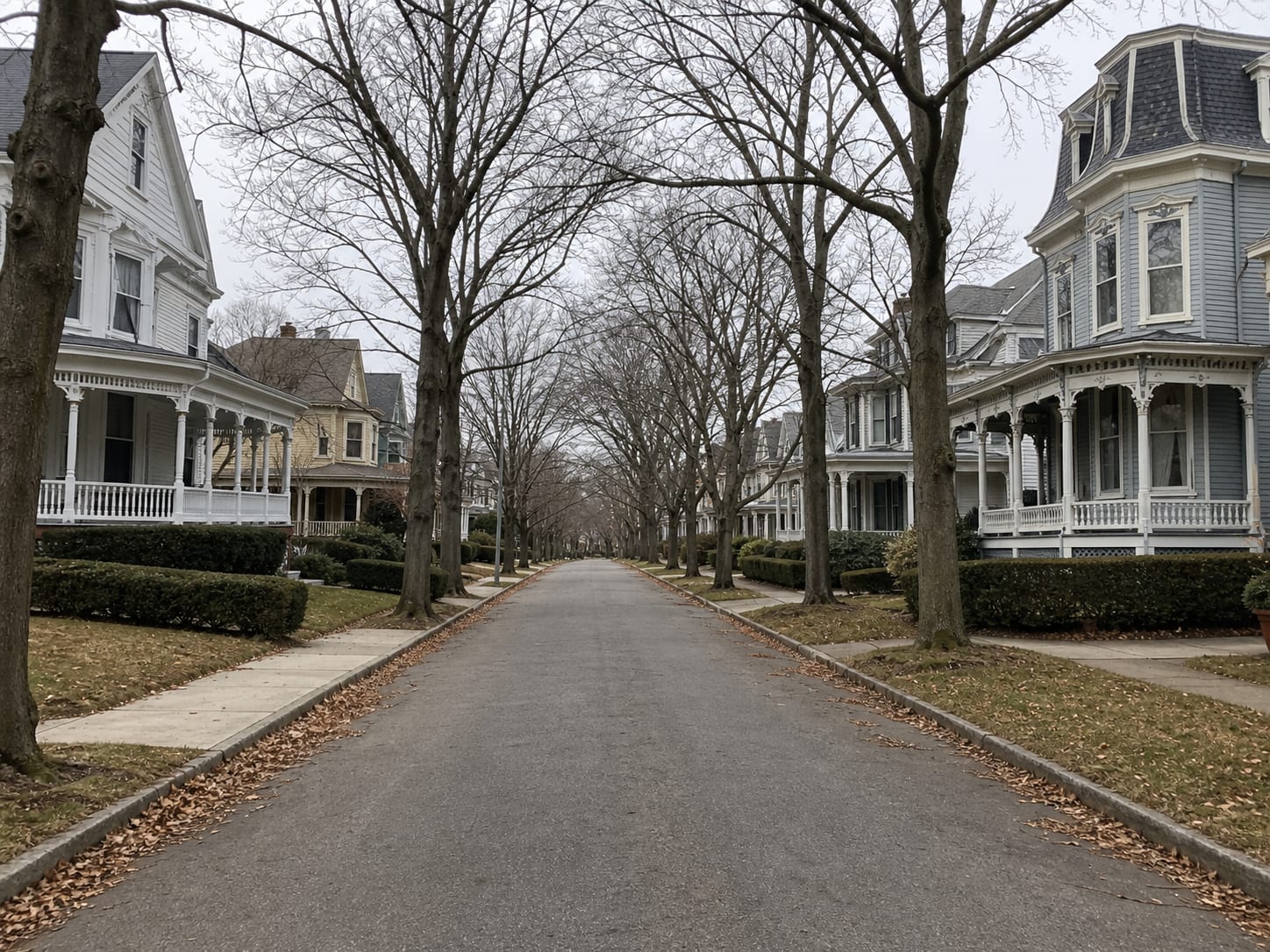
ExecPro Restoration & Cleaning serves the Village of Ridgewood, NJ 07450, in Bergen County, which the 2020 Census counted at 25,979 residents and which was created as a village on November 20, 1894. Ridgewood is a village in the formal New Jersey sense rather than a borough or a township, a distinction worth getting right on paperwork. We work its downtown business district, the Village Center and Circle Avenue historic districts, and the residential streets around Graydon Park, Citizens Park, Grove Park and the Dunham Trail, and out into the wider service area across North Jersey, including Alpine in the same county.
Getting equipment to a Ridgewood address is a local road problem more than a highway one. Route 17, Ridge Road, is the Village's only state roadway; Franklin Avenue, Godwin Avenue and Maple Avenue carry the county arterial traffic, with Ackerman, Glen, Lincoln and eastern Linwood Avenue below them; and East and West Ridgewood Avenue is the main east to west route although the rail tracks interrupt it, with the station connection running through North Broad Street and Garber Square. Of the Village's roughly 100 miles of road, 82 are municipal. Before a crew is scheduled we confirm the approach, the affected level of the building, driveway and equipment access, where the utilities shut off, and whether the property sits inside the mapped flood hazard area.
Contact ExecPro Restoration & Cleaning About a Flooded or Damp Lower Level
If you are dealing with a flooded lower level, a damp basement that never quite dries, visible growth or a leak nobody has traced in Ridgewood, NJ, ExecPro Restoration & Cleaning is ready to help. Call (888) 300-3772 or arrange an assessment on the contact page, and we will start with where the water is coming from. Emergency services are available 24/7.
About Ridgewood, NJ
Ridgewood is a village in Bergen County, created on November 20, 1894, with 25,979 residents counted in the 2020 census. Its municipal form is a village rather than a borough or township.
The housing is older detached single-family stock. The adopted 2022 Master Plan, using 2016 to 2020 American Community Survey estimates, reports 6,938 of 8,740 units, or 79.4%, as one-unit detached, and 4,132 units, or 47.3%, built before 1950.
Water is a named local planning matter. The Master Plan identifies Ho-Ho-Kus Brook, the Saddle River, Goffle Brook and Diamond Brook at the village edges, and records just over 100 miles of road of which only four miles are state jurisdiction, Route 17 being the village's only state roadway.
Neighborhoods We Serve in Ridgewood
Around Ridgewood
Do not see your neighborhood? We serve all of Ridgewood and the surrounding area. Reach out and we will confirm coverage.