Mold Remediation in Ten Mile Run, NJ
ExecPro Restoration & Cleaning handles mold removal in Ten Mile Run, in Franklin Township, Somerset County. The first step is a visit to find where water is getting in and read the moisture in your walls and floors; then we remove the growth and dry the structure so the repair lasts.
Mold Remediation in Ten Mile Run, Somerset County
If you have mold or a wet lower level in Ten Mile Run, in Somerset County and inside Franklin Township, the first job is to find the water and stop it. Removal only holds when the source is fixed. ExecPro Restoration & Cleaning inspects the affected rooms, reads moisture in the walls, floors and framing, sets up containment, removes materials that cannot be saved, dries what can be, and documents the result. Whether your home is near Route 27, on New Road, or out toward Bunker Hill Road and the preserves, the sequence is the same; what changes is the water route. Call (888) 300-3772 or send the details through the contact page, and we will help you plan the next step.
Why do Ten Mile Run homes get moisture problems?
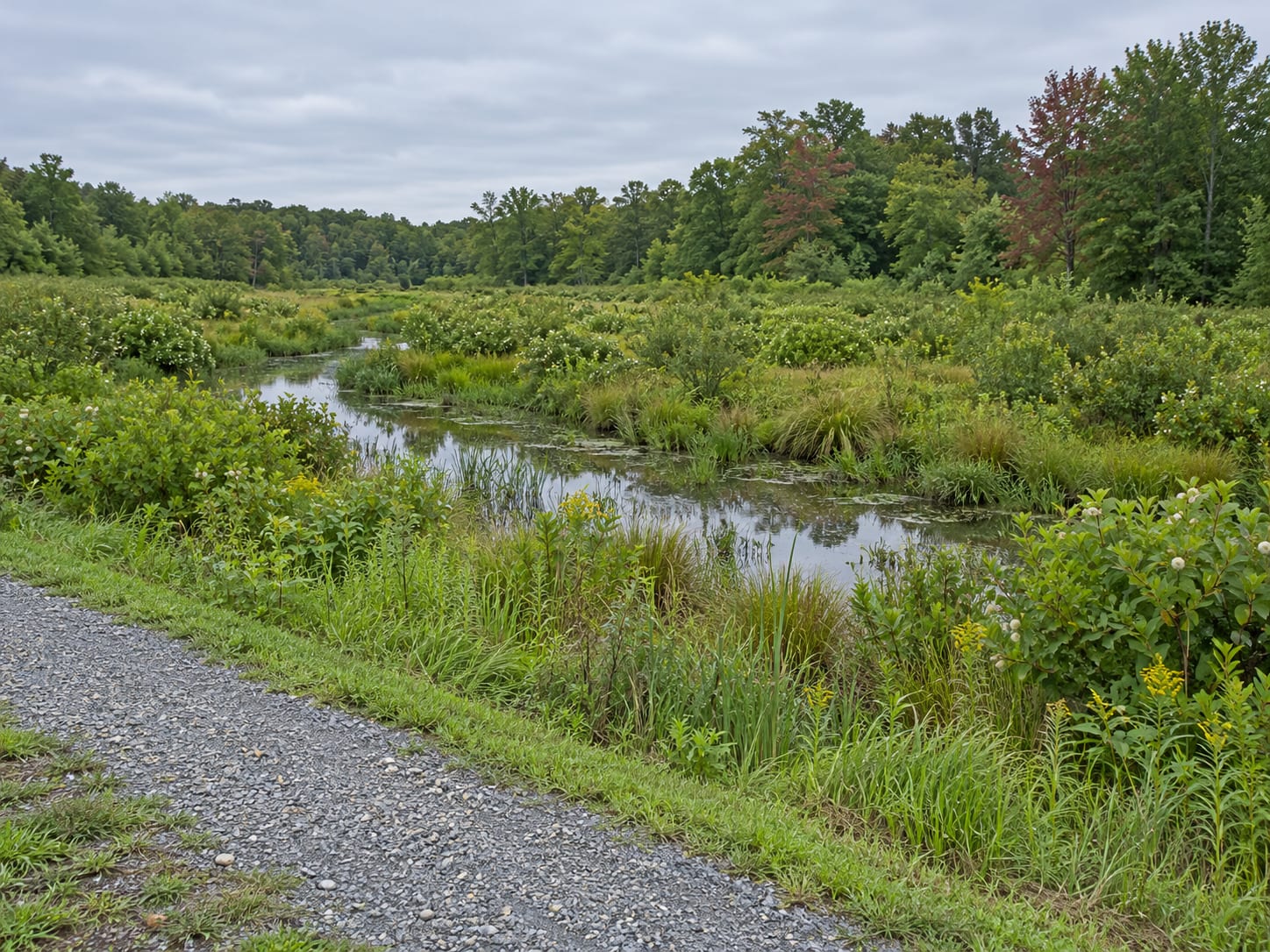
Ten Mile Run is a small community, counted at 2,055 residents in the 2020 Census, and it is named for the stream that runs through it. The stream starts near Route 27, passes through residential areas, crosses New Road, Butler Road and Canal Road, and runs through the Bunker Hill and Butler Road open space before it drains toward the Millstone River and the Delaware and Raritan Canal corridor. Homes here are rarely far from that water system.
Franklin Township lists Ten Mile Run as one of its flooding sources. The township also points to storm drains that clog or run over capacity, frozen ground, saturated soil, and the length and intensity of a storm as reasons water reaches buildings. Any one of those can push water against a foundation or into a lower level.
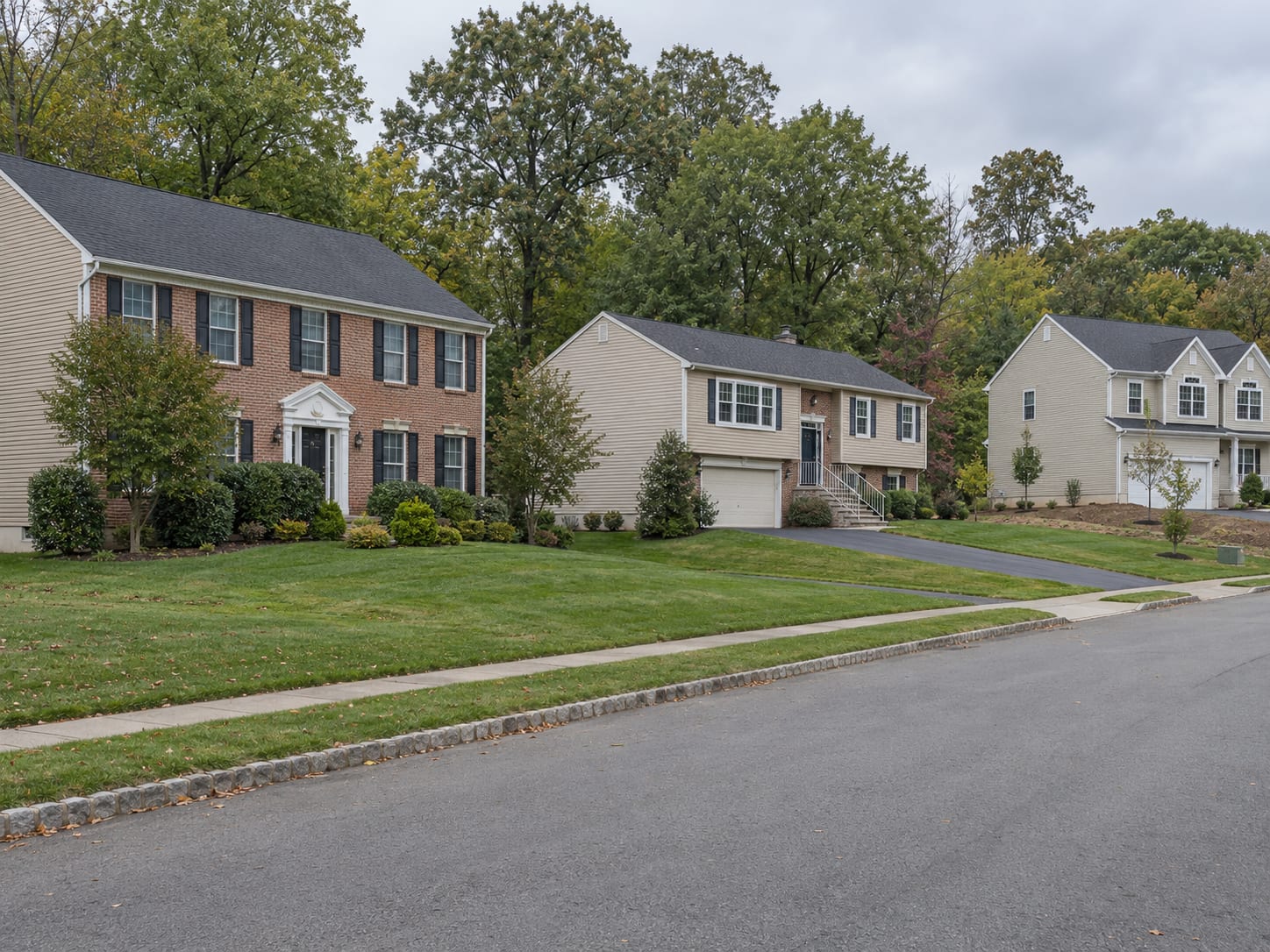
The housing here is mostly single-family. Census figures show about 717 housing units, roughly 98 percent of them in single-unit structures, and about 82 percent owner-occupied. The homes lean newer rather than prewar, which changes what we look for. In a newer house the trouble is usually a grading or drainage problem, a sump or window well that is not keeping up, or a leak behind finished drywall, and less often a century of wear.
What are the first signs of mold and hidden water damage?
Start with your nose and your fingertips. A musty smell in a basement, a closet on an outside wall or a room over a garage often shows up before anything is visible. Then check where water tends to travel: the bottom few inches of drywall, baseboards that have started to lift or stain, carpet that feels cool or damp, and paint or wallpaper that bubbles or peels.
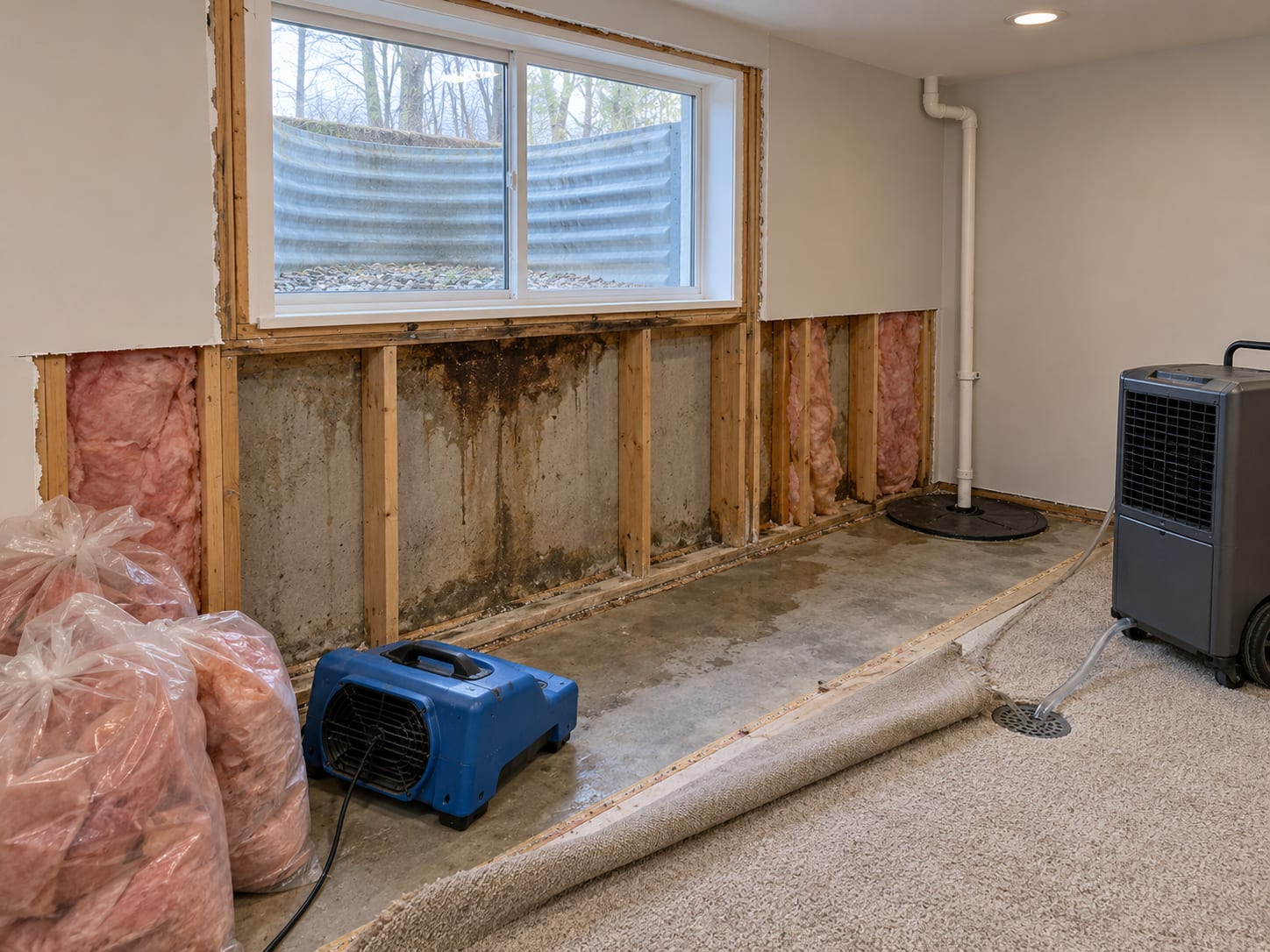
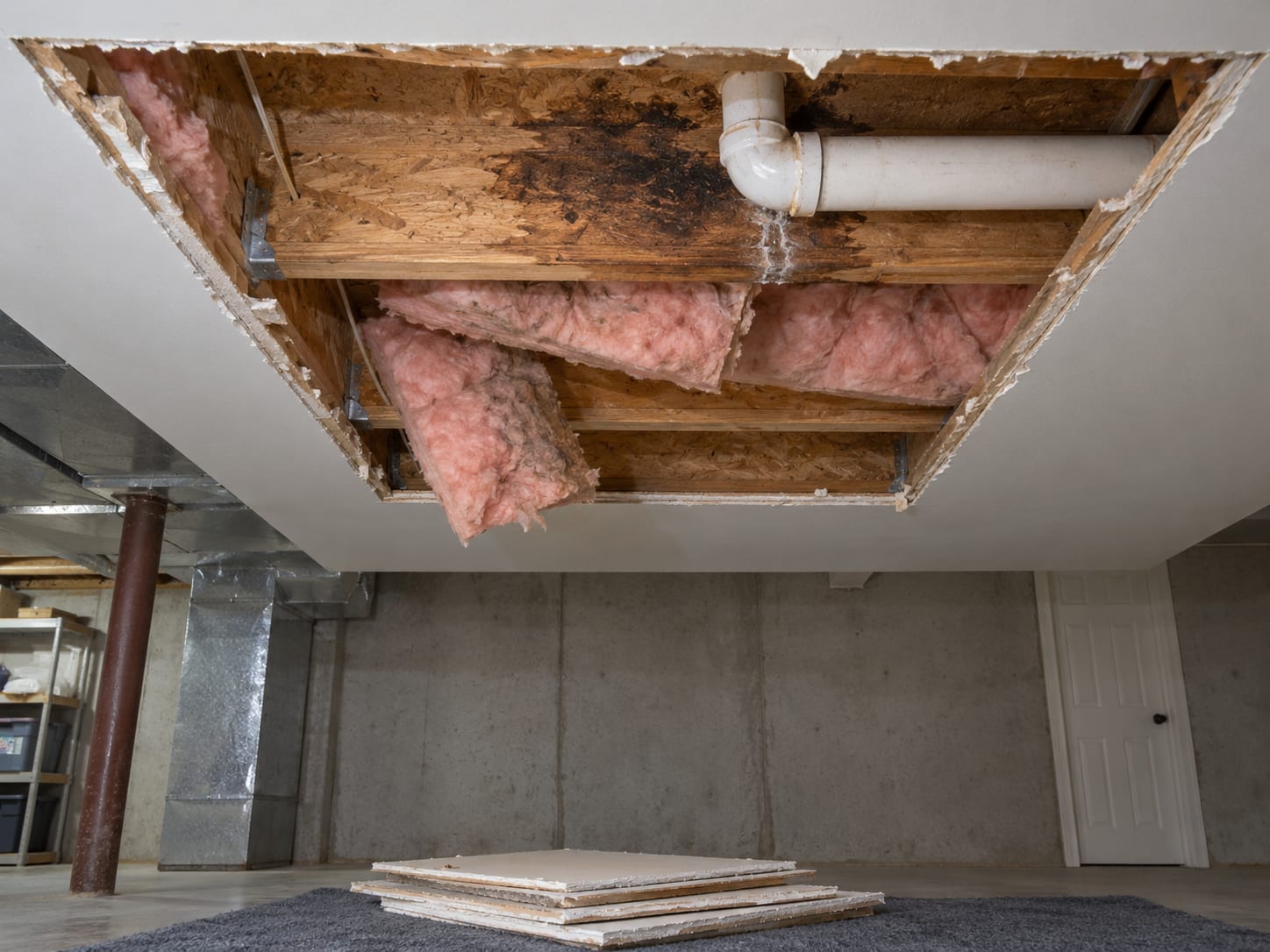
Where a lower level is finished, mold often grows behind the finish first. Drywall, carpet pad and stored cardboard hold moisture and give growth a place to start. If you see a spot on a wall, the wall behind it is usually wetter and more affected than the surface suggests.
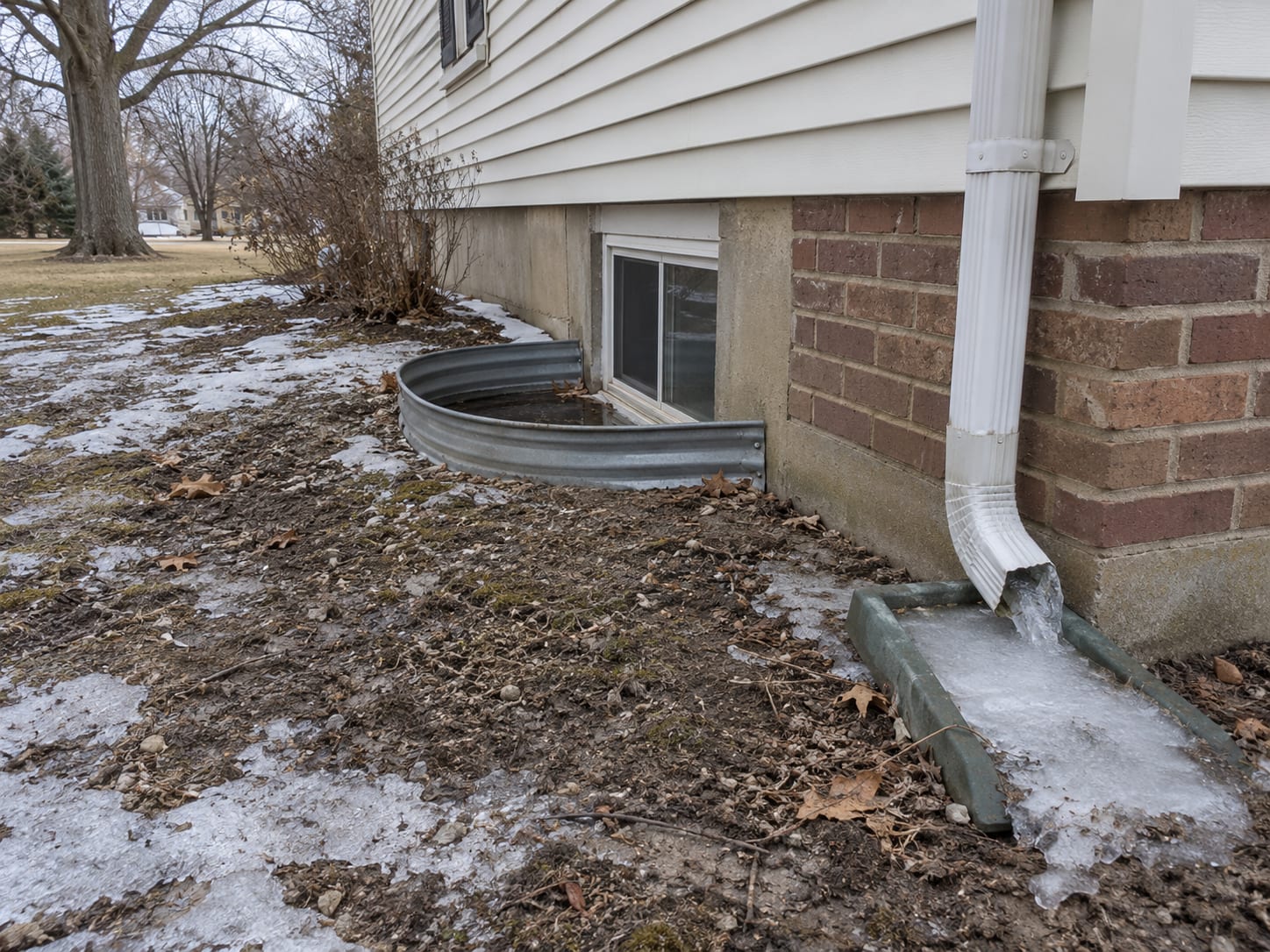
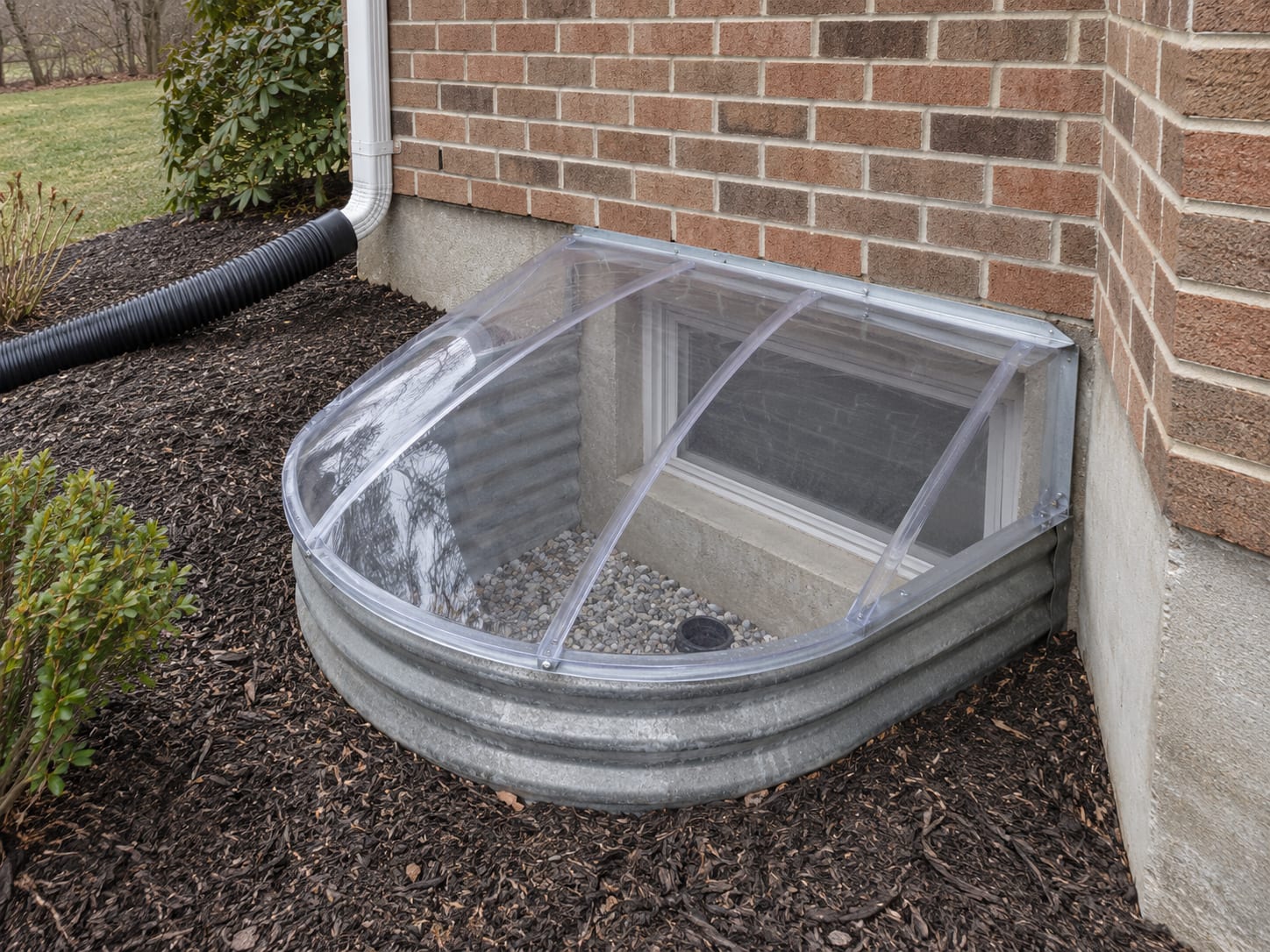
Check the places where the outdoors meets the house after any heavy rain: window wells, the base of walls near downspouts, the sump pit if you have one, and the ceiling under a bathroom or roof valley. If any of them are damp, take a photo, note the date and the weather, and call us. A moisture reading tells us far more than a guess about what kind of mold it is.
What does professional mold remediation look like in Franklin Township?
Each Ten Mile Run job follows the same order, and we explain each step before it starts.
Inspect and read the moisture
We look at the affected rooms and take moisture readings in the wall, floor and framing so we know how far the problem goes and whether it is still active.
Stop the source and set containment
We help you find the water route, whether that is a grading problem, a failed window well, a plumbing leak or a roof issue, and we seal off the work area so spores do not travel through the rest of the house.
Remove what cannot be saved
Wet drywall, insulation and carpet pad that have taken on growth come out. Solid framing is cleaned and dried rather than replaced when it can be.
Dry and clean the structure
We dry the space until the readings come back to normal, then clean surfaces and the air in the work area.
Confirm and plan the rebuild
We document the result and, if you want it, arrange a post-remediation check and the rebuild after mold so the room goes back together.
How do streams, flooding and wet soil change the cleanup plan?
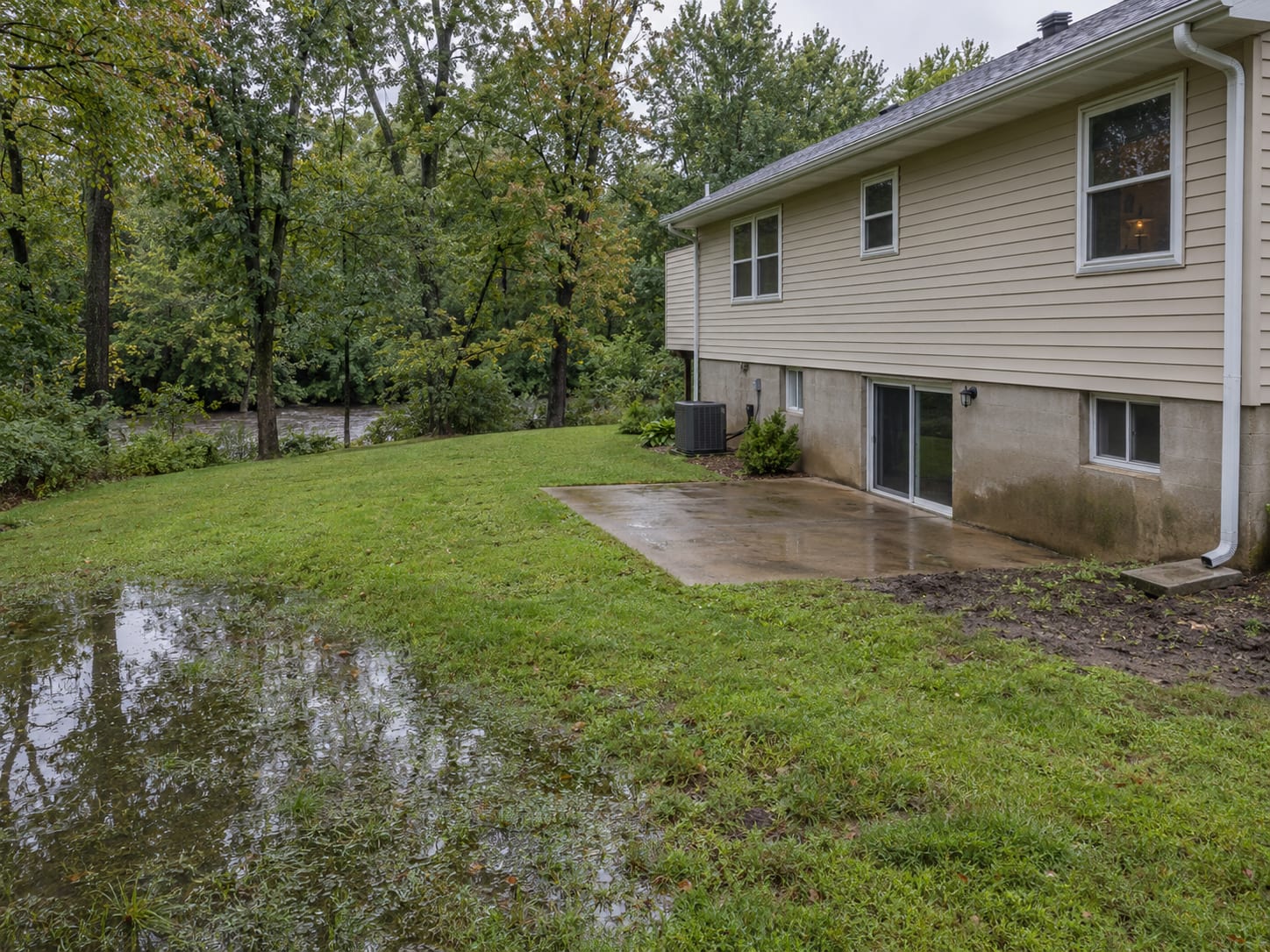
When the water source is outside, the plan starts outside. Franklin Township describes Ten Mile Run as a flooding source and notes that stream crossings in the Butler Road Natural Area become difficult during wet periods. If your property is near the stream corridor, a wet basement after a storm may be groundwater or stream overflow rather than a plumbing leak, and it needs a different fix.
Clean water that sits for a day or two starts to behave like a mold problem, so the timing matters. If water has come into the house, our emergency water extraction and structural drying services remove the standing water and dry the framing before growth takes hold. If the water came from storm drains backing up, tell us; that water needs sewage cleanup rather than ordinary drying.
The township recommends checking an address in NJFloodMapper and on the FEMA Flood Insurance Rate Maps. It is worth doing before you plan repairs, because the flood zone and the drainage on your lot affect what is worth rebuilding and how. We can talk through what you find and fit the repair to it.
What time of year is worst for mold in Ten Mile Run?
The worst time follows the water, not the calendar. In Ten Mile Run, Franklin Township points to long or intense storms, saturated soil, frozen ground and clogged or over-capacity storm drains as the reasons water reaches buildings. That makes a heavy spring or summer storm a risk, and so is a thaw or rain on frozen ground, when water has nowhere to soak in and moves toward a foundation, window well or sump pit. If your home is near the stream corridor, wet periods matter most.
Warm months add a second pattern indoors. Humid air settles in a lower level, and a basement without a dehumidifier can stay damp for weeks. Because most Ten Mile Run homes are newer single-family houses, the repeat trouble spots are usually a sump or window well that is not keeping up, grading that sends roof water to a wall, or a leak behind finished drywall. Check those places after every big storm and at the first thaw, and call us if any stay damp or smell musty.
Is it hard to sell a house after mold remediation in Ten Mile Run?
It is easier when you can hand a buyer the facts. Keep the written scope of what was removed, dated photos of the work, the moisture readings that show the structure dried, and the result of any post-remediation check. A buyer's inspector and agent look for exactly this, and a house with a traced and fixed water source and paperwork to match reads very differently from one with a painted-over stain.
Ten Mile Run is about 98 percent single-family homes and about 82 percent owner-occupied, so most sellers here are dealing directly with a buyer and an inspector. Fix the cause as well as the growth: if the wet spot was a window well, a downspout or a sump problem, show what changed. We document each job, and a post-remediation check gives you a clear result to share. Talk to your attorney and your agent about what to disclose and when. If you are getting ready to list, call (888) 300-3772 and we will walk the house with you.
How do I get a mold inspection in Ten Mile Run?
Call (888) 300-3772 or send the address, a short description and photos through the contact page. Tell us which room, how long it has been damp and whether you saw water come in. We arrange a visit to the house, and a mold inspection there means a look at the affected rooms, moisture readings in the walls, floors and framing, and a trace of where the water is coming from. We tell you whether a lab sample would change your plan, since visible growth on a wet material often needs the moisture fixed and the material handled either way. Our mold inspection page explains what a visit covers.
What affects the cost of mold remediation in Ten Mile Run?
The price follows the size of the affected area, the materials involved and how much of the structure got wet. A patch on the surface of a wall costs less to handle than growth that has spread behind finished drywall and into insulation. Whether the work is in a finished basement, a bathroom, an attic or around a heating and cooling system also changes the scope.
Cause matters as well. If the water source is still active, the job includes stopping it, and if the water was contaminated the cleanup changes. We inspect the property, read the moisture and give you a written scope so you can see what each part of the estimate covers. A phone call cannot give an honest number, and a walk-through can.
If your homeowner's policy may cover the water event that led to the mold, keep photos, the date the water came in and any invoices. Our insurance restoration services can help you document the damage; the coverage decision belongs to your insurer.
What can you safely do before help arrives?
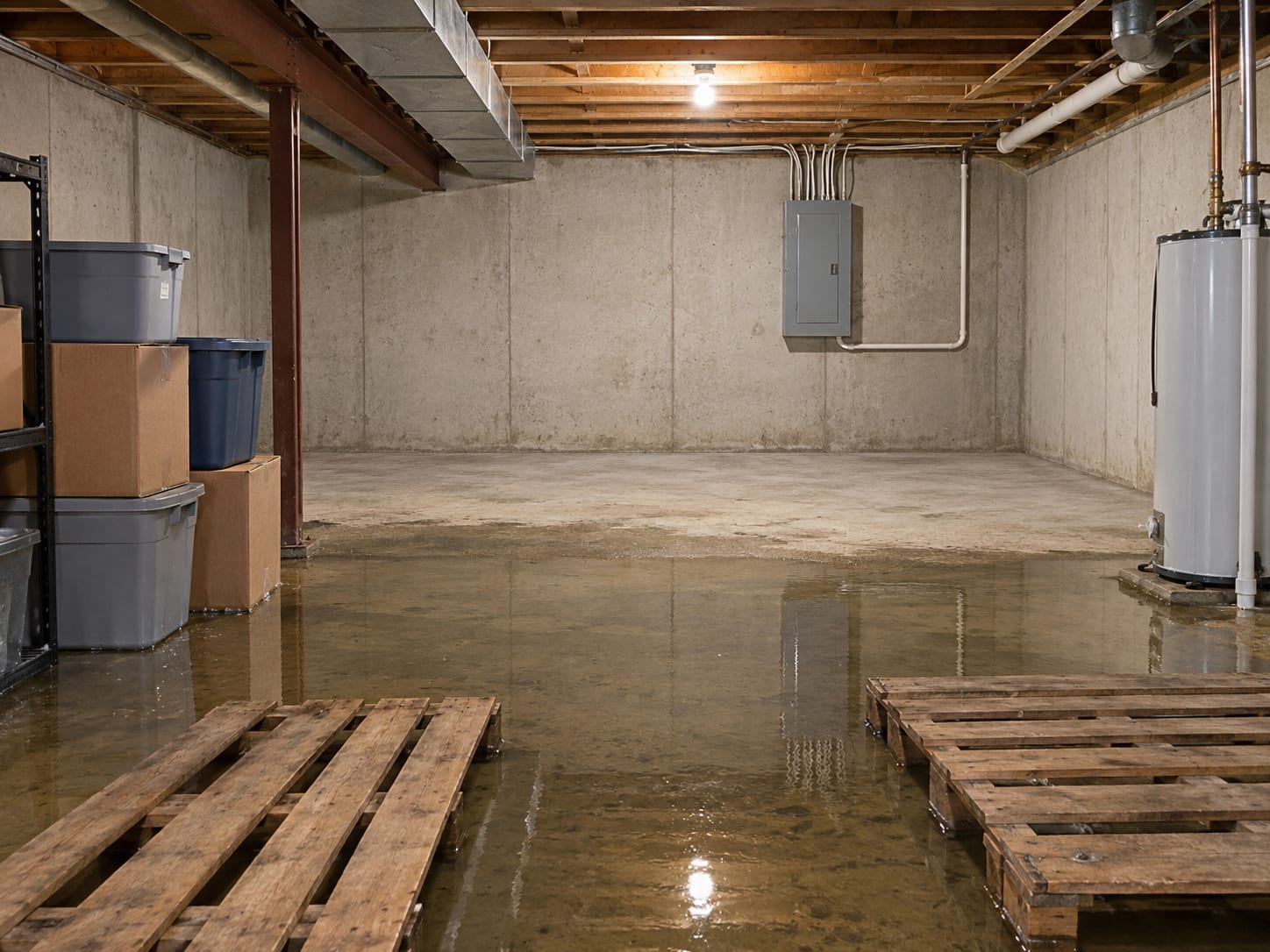
Stop the water if you can, by shutting the supply valve to a leaking fixture or moving water away from a foundation. Turn off power to a flooded area if it is safe to reach the panel; if the floor is wet, leave that to an electrician. Lift furniture, rugs and boxes off wet floors and open closet doors so air can move.
Run a dehumidifier and a fan pointed at the wet area, and keep the door to the affected room closed if you suspect growth so you do not push spores through the house. Take photos of the damage and the water line before anything is moved.
Leave wet drywall and carpet where they are unless they are a safety risk, and do not scrub or bleach visible growth. Wiping spreads it, and bleach on porous material does not reach the roots. Then reach out to us. Our emergency mold services cover urgent calls, and we will tell you what to do while you wait.
What areas, roads and property conditions do we see around Ten Mile Run?
Ten Mile Run is an unincorporated community inside Franklin Township, so the township is your municipal government, and the ZIP code most often used here is 08873. Addresses near the edges of the community sometimes carry another postal designation, so confirm yours from your mailing address.
Local sections and open spaces include Bunker Hill, Franklin Park, the Ten Mile Run Greenway and the residential area near Kingsley Park. The preserves nearby are Butler Road Natural Area, a 185-acre forested preserve the stream flows through, Bunker Hill Natural Area with its red-rock cliff above the water, Franklin Park Natural Area, the Bunker Hill Environmental Education Center and the John Clyde Memorial Native Grassland Preserve.
The roads that serve the area include Route 27, the Georgetown-Franklin Turnpike, Gateway Boulevard, New Road, Bunker Hill Road, Butler Road, Canal Road and South Middlebush Road. Properties near wooded preserves or beside the stream corridor deal with saturated soil and wet-period runoff more than homes on higher ground, so the drainage on your lot and the way water leaves your downspouts are worth a look.
How do you prevent repeat mold after cleanup?
Fix what let the water in, and keep the house dry after that. Point downspouts away from the foundation, keep gutters clear, and make sure soil slopes away from the walls. If you have a sump pump, test it before storm season and again after a heavy rain.
Keep indoor humidity steady with a dehumidifier in a lower level and exhaust fans in bathrooms and the kitchen. If you finish a lower level after mold work, our basement drying service and basement mold remediation work confirm the space is dry before walls go back up.
After a storm that leaves the ground saturated, check the same places you checked before: window wells, sump pit, the base of walls and the ceiling under bathrooms. Catching damp early is the cheapest repair there is.
Which services do Ten Mile Run property owners ask about?
Mold inspection and testing
A mold inspection finds the moisture behind the growth, and mold testing helps when the answer would change your plan.
Mold removal
Mold removal takes out the materials that cannot be saved and cleans and dries the rest of a Ten Mile Run home.
Water damage restoration
Flood damage cleanup and drying for homes near the stream corridor after a heavy storm.
Air quality testing
Indoor air quality testing for homes where the smell or symptoms remain after cleanup.
Frequently asked questions about mold remediation in Ten Mile Run, NJ
The price depends on the size of the area, the materials and how far the water traveled. We inspect, read the moisture and give you a written scope, because a number over the phone would be a guess.
About Ten Mile Run, NJ
Ten Mile Run is an unincorporated community in Franklin Township, Somerset County, in inland Central New Jersey, and Franklin Township is its municipal government. The 2020 Census counted 2,055 residents. The housing is overwhelmingly single-family, about 717 homes in the Census Bureau's 2024 estimates, roughly 98 percent of them in single-unit buildings and about 82 percent owner-occupied. The homes lean toward late twentieth and early twenty-first century construction rather than prewar houses, so the usual restoration calls here involve drainage, sump pits and window wells, and leaks behind finished walls more than old stone foundations.
The water story is the stream. Ten Mile Run starts near Route 27, crosses New Road, Butler Road and Canal Road, runs through the Butler Road and Bunker Hill natural areas and drains toward the Millstone River and the Delaware and Raritan Canal. Franklin Township lists it as a flooding source, and adds that clogged or over-capacity storm drains, frozen ground, saturated soil and long or intense storms can also put water against a house. Wetlands, forest and marsh run through the greenway, so a home beside the corridor deals with wet ground more than a home on higher land. Before you plan repairs, check your address in NJFloodMapper and on the FEMA Flood Insurance Rate Maps, which the township recommends, and look at where your downspouts, grading and sump discharge send water.
Neighborhoods We Serve in Ten Mile Run
Around Ten Mile Run
Do not see your neighborhood? We serve all of Ten Mile Run and the surrounding area. Reach out and we will confirm coverage.