
Mold Remediation in Blackwells Mills, NJ
ExecPro Restoration & Cleaning handles mold removal in Blackwells Mills, a hamlet in Franklin Township, Somerset County. The first visit finds where water is getting in and reads the moisture in your walls, floors and framing; then we remove the growth and dry the structure so the repair lasts.
Mold Remediation in Blackwells Mills, Somerset County
If you have mold, a damp lower level or a wet wall in Blackwells Mills, the first job is to find the water and stop it. Blackwells Mills sits in Somerset County, inside Franklin Township, on the Millstone River and the Delaware and Raritan Canal. Whether your house is on Canal Road, River Road or Blackwells Mills Road, the sequence is the same: ExecPro Restoration & Cleaning looks at the affected rooms, reads moisture in the walls, floors and framing, sets up containment, removes the materials that cannot be saved, dries what can be, and documents the result.
What changes from house to house is the water route. In this part of the Millstone Valley that route can be the river, the canal, the hillside or the building's own roof and plumbing, and the plan has to start with whichever one it is. Call (888) 300-3772 or send the details through the contact page, and we will help you plan the next step.
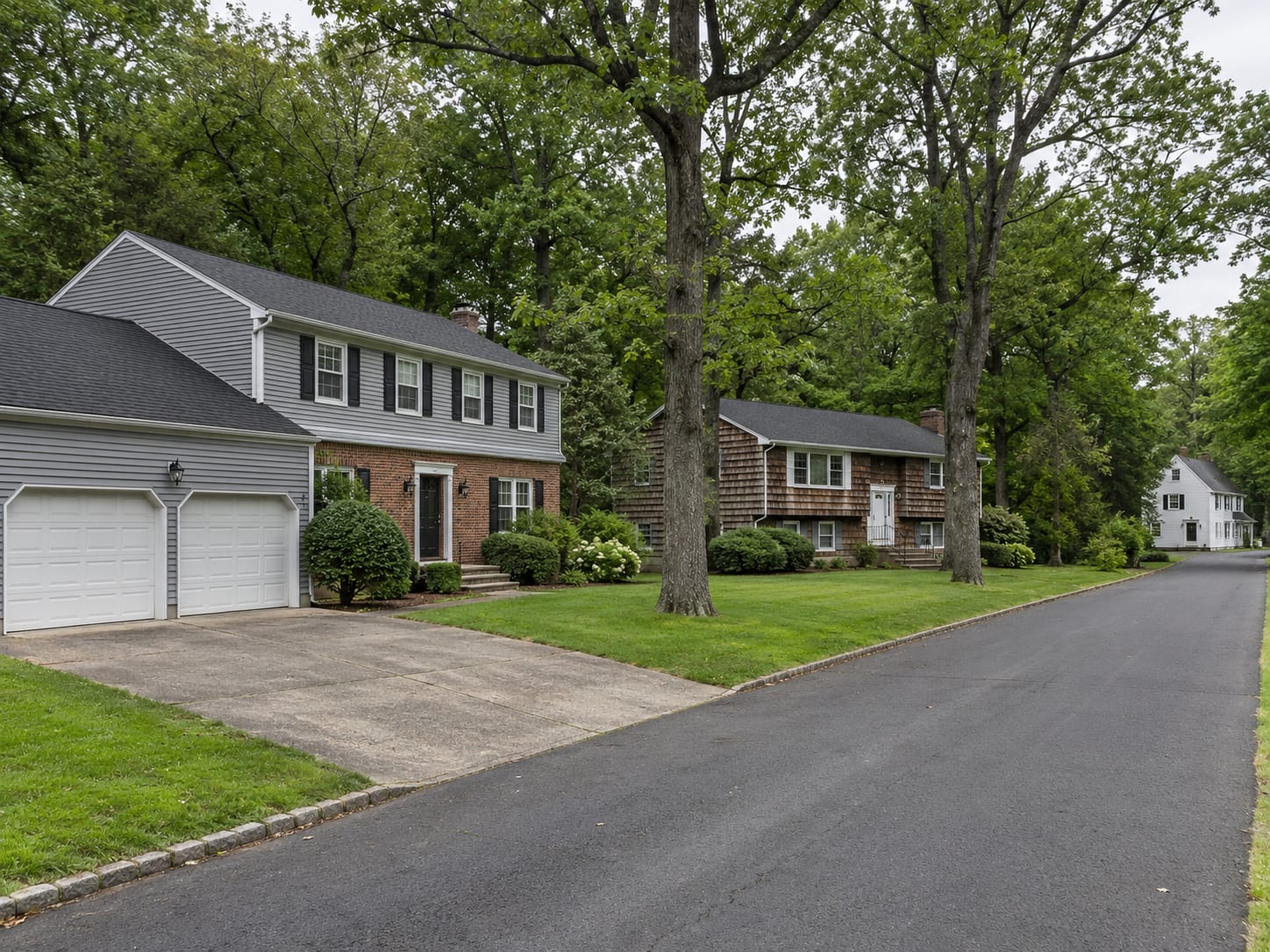
Why do Blackwells Mills properties get moisture problems?
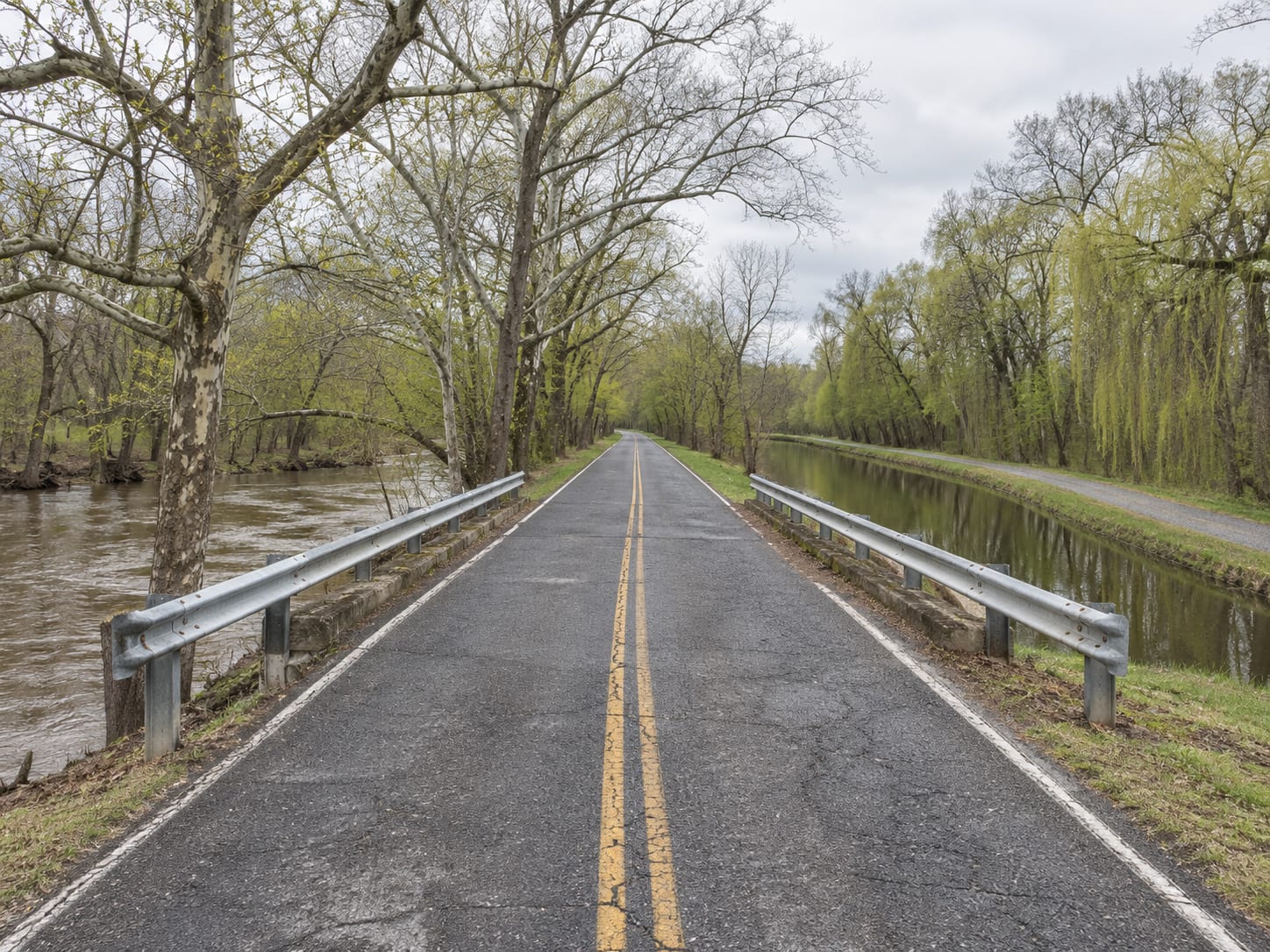
Blackwells Mills sits between two large water features. The Millstone River runs through the area, and the Delaware and Raritan Canal runs parallel to it. Six Mile Run enters the river close to the old settlement. A documented Zone A floodplain lies between the river and the canal at the Blackwells Mills Causeway, the stretch of road that carries traffic across both.
The land adds to it. The canal side is flat, and the ground east of the canal rises into gentle hills. Flat ground next to water holds moisture longer after a storm, and rising ground sends runoff toward whatever sits below it. A house here can be wet from the river side, from the hill side, or from its own roof and plumbing.
The housing stock matters as much as the setting. The settlement grew around a grist mill established in 1743 and the canal that opened in 1834, and a long strip of eighteenth and nineteenth century farmhouses and farm buildings still faces the canal. Older buildings handle water differently from a newer subdivision house, and the repair has to suit the building you actually have.
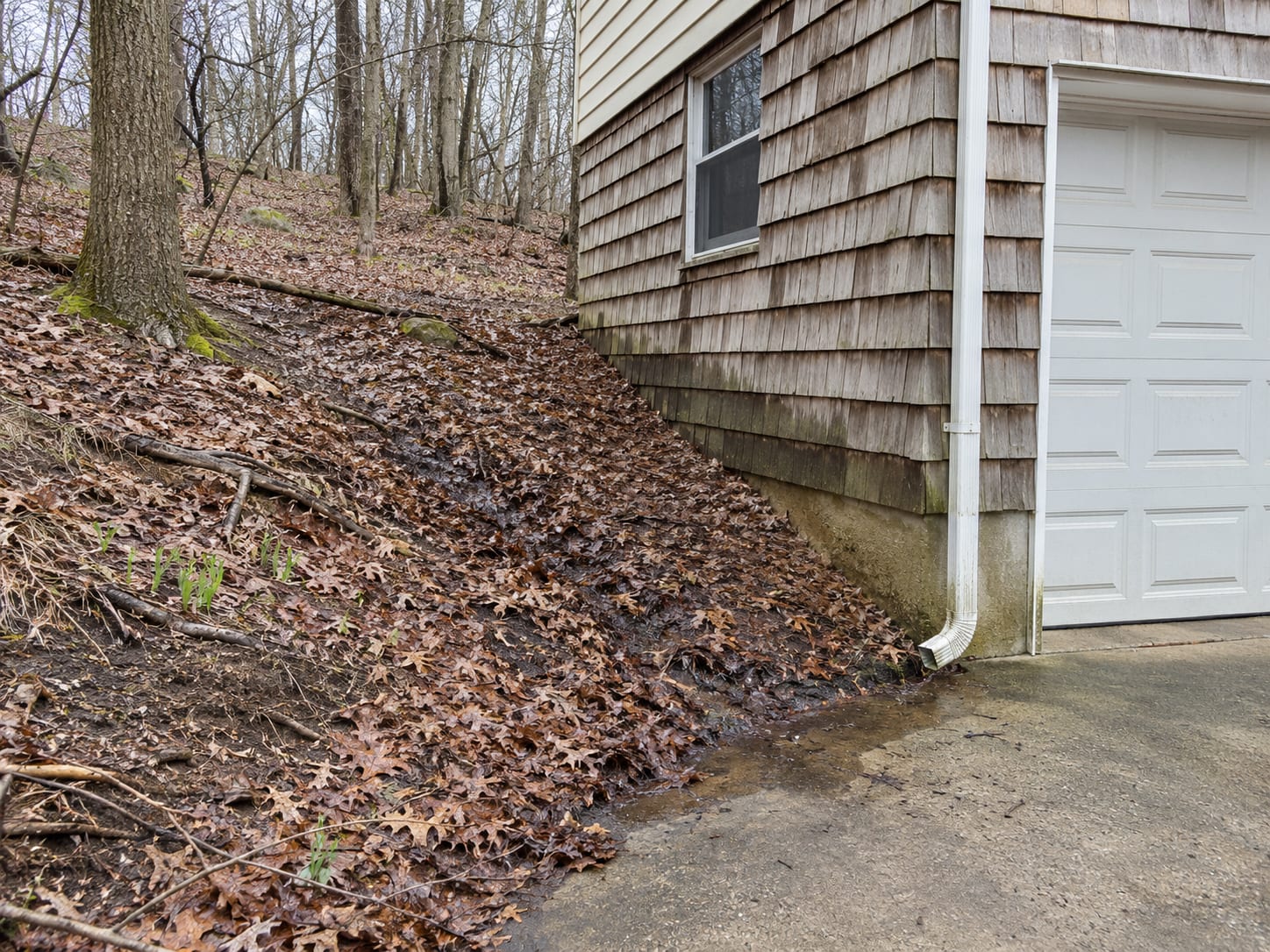
How do the river, the canal and the floodplain change a cleanup?
When the water source is outside, the plan starts outside. A river that has come up, a canal that has overflowed its banks or a hillside that is shedding water toward a foundation needs a different fix than a leaking pipe. Before we recommend any work, we try to tell which one we are dealing with.
Water that came from a river or canal can carry silt and contamination, and clean water that sits for a day or two starts to behave like a mold problem. If water has come into the house, our emergency water extraction and structural drying work removes standing water and dries the framing before growth takes hold. If the water came from a backed-up drain or sewer line, tell us; that is sewage cleanup, not ordinary drying.
The National Weather Service publishes flood-inundation maps for Blackwells Mills, and FEMA's flood maps show the zone for your parcel. Check your address on both before you plan repairs, because the flood zone and the drainage on your lot affect what is worth rebuilding and how. Tell us what you see and we will talk through it.
Can a house with mold be saved in Blackwells Mills?
Often, yes. The deciding questions are whether the framing is still sound and whether the water has stopped. Growth on drywall, insulation and carpet pad is removed along with those materials, while solid wood framing, sills and joists are cleaned and dried and stay in the house.
In a home between the Millstone River and the canal, the first thing to settle is where the water came from. A one-time event, such as a storm, a failed pipe or a roof leak, can be fixed and dried. Water that comes back every wet season needs a drainage fix before any rebuild is worth doing, and that is true whether the water rises from the low ground by the river and canal or runs down from the rising land east of the canal.
The second question is what the house is made of. Many older Blackwells Mills buildings are two-story wood-frame farmhouses, and old framing that has been wet for a short time can usually be dried and kept. Finished surfaces added over the years, such as drywall, paneling and flooring, are the parts that more often come out.
The next step is a visit. We read the moisture in the walls, floors and framing, then tell you in writing which parts of the house stay, which parts go and what has to be fixed outside before the inside is repaired. That written scope is also what you need if you are deciding whether a house is worth the repair.
What mold problems do historic farmhouses and older wood-frame homes have?
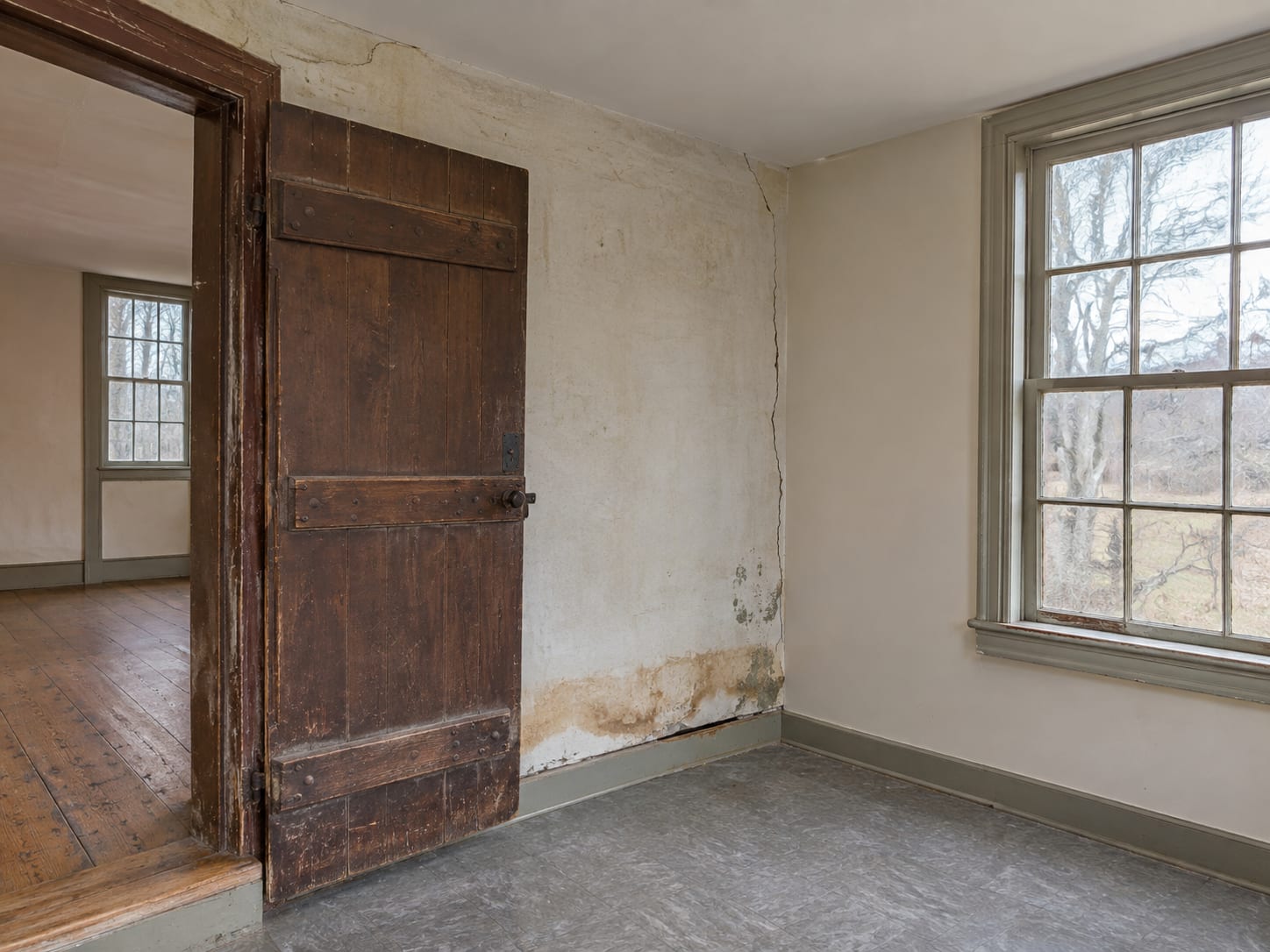
Most older buildings here are two-story, single-family wood-frame houses, many tied to medium-sized farms, with barns, sheds or silos from the nineteenth century still standing nearby. Wood framing takes on moisture and gives it back slowly, so a wet spot that went unnoticed for a season can reach sills, joists and the back of plaster or drywall before anything shows on the surface.
If your house has been added onto over the years, the joint between the old and new sections is worth a look. A porch tied into an old wall, a later room or a kitchen over a low space can each leave a spot where air does not move. Those are the places we check first, along with the rooms under bathrooms and roof valleys.
Barns and outbuildings count too. If a shed or barn on your property holds stored furniture, tools or paper, damp air in it can spread growth to what is inside. We can look at those buildings during the same visit.
What does mold remediation look like after flooding or a leak?
On a Blackwells Mills job the work moves from the water line inward, and we tell you what each stage involves before it starts.
Walk the house and map the wet areas
We go room by room with a moisture meter and mark where the wall, floor and framing are wet, so you can see how far the problem reaches and whether it is still spreading.
Trace the water and close off the work area
Next we work out how the water got in: river or canal water, runoff from the rising ground, a roof valley or a pipe. We then hang plastic barriers around the affected rooms so spores stay out of the rest of the house.
Take out the wet materials that have grown mold
Drywall, insulation and carpet pad with growth are bagged and removed. Sound framing, sills and joists stay and are cleaned.
Dry until the readings settle
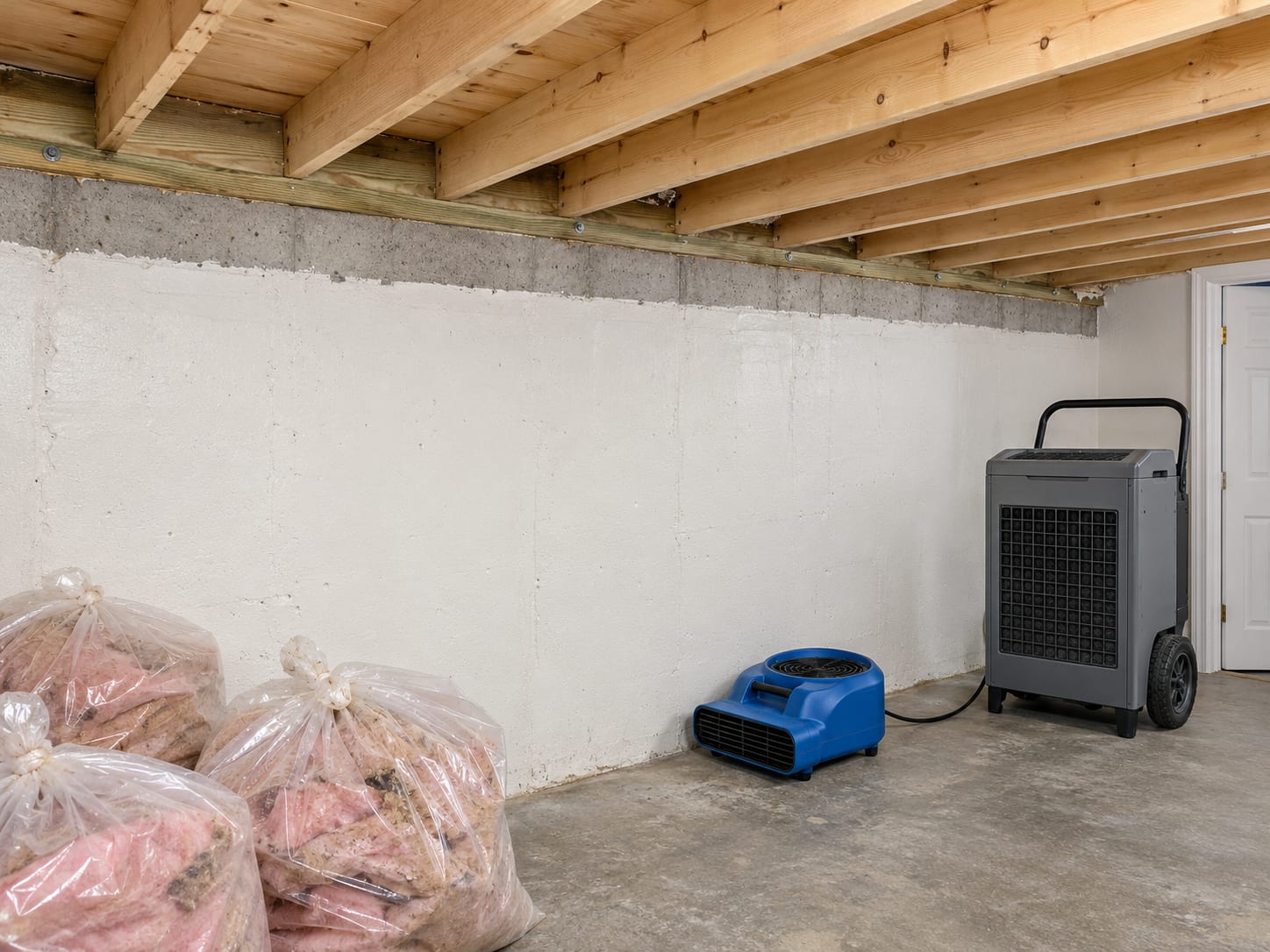
Fans and dehumidifiers run until the meter shows the structure has returned to normal, and then we clean surfaces and the air in the work area.
Record the result and plan the repair
You get a written record of what was done. If you want a second set of eyes on the result, we can set up a post-remediation check, and our rebuild after mold crew can put the walls and floors back.
Does mold removal work after a flood in Blackwells Mills?
Yes, when the work follows the right order: stop the water, remove what cannot dry, dry the structure, and then remove and clean the remaining growth. After river, canal or storm water, that order matters more than the cleaning itself. Standing water comes out first. Carpet pad, insulation and drywall that sat in the water come out next, because they hold moisture and give growth a place to start. Then the framing is dried until the readings come back to normal.
If your home sits in the low, flat ground between the river and the canal, ask us to check the lowest rooms first. If your house has a basement or crawl space, that is where water settles and stays longest; the first few inches of a ground-floor wall are the next place growth tends to start after high water. We trace how the water got in so the repair is not undone by the next storm.
Mold removal alone will not hold if the framing stays wet, so we confirm dry readings before any wall is closed. Growth comes back to a wet structure, and drying and source control are what make the repair last.
Tell us the date the water came in and how long it stayed. If you want a clear result to keep, we can arrange a post-remediation check after the work is done.
Which roads and property details matter around Blackwells Mills?
Blackwells Mills is a historic community rather than an incorporated town, so Franklin Township is your municipal government. The ZIP codes commonly listed for the area are 08844 and 08873; the mailing ZIP on your address is the one that counts.
The roads that serve the area include Blackwells Mills Road, Canal Road, River Road, Weston Canal Road, Griggstown Canal Road, Amwell Road (Route 514), Millstone River Road (Route 533) and nearby Route 27. The Blackwells Mills Causeway, about three-tenths of a mile long, connects River Road on the west side of the Millstone River with Canal Road on the east side of the canal. Route 533 gives access from the Hillsborough side, and Canal Road serves the Franklin Township side.
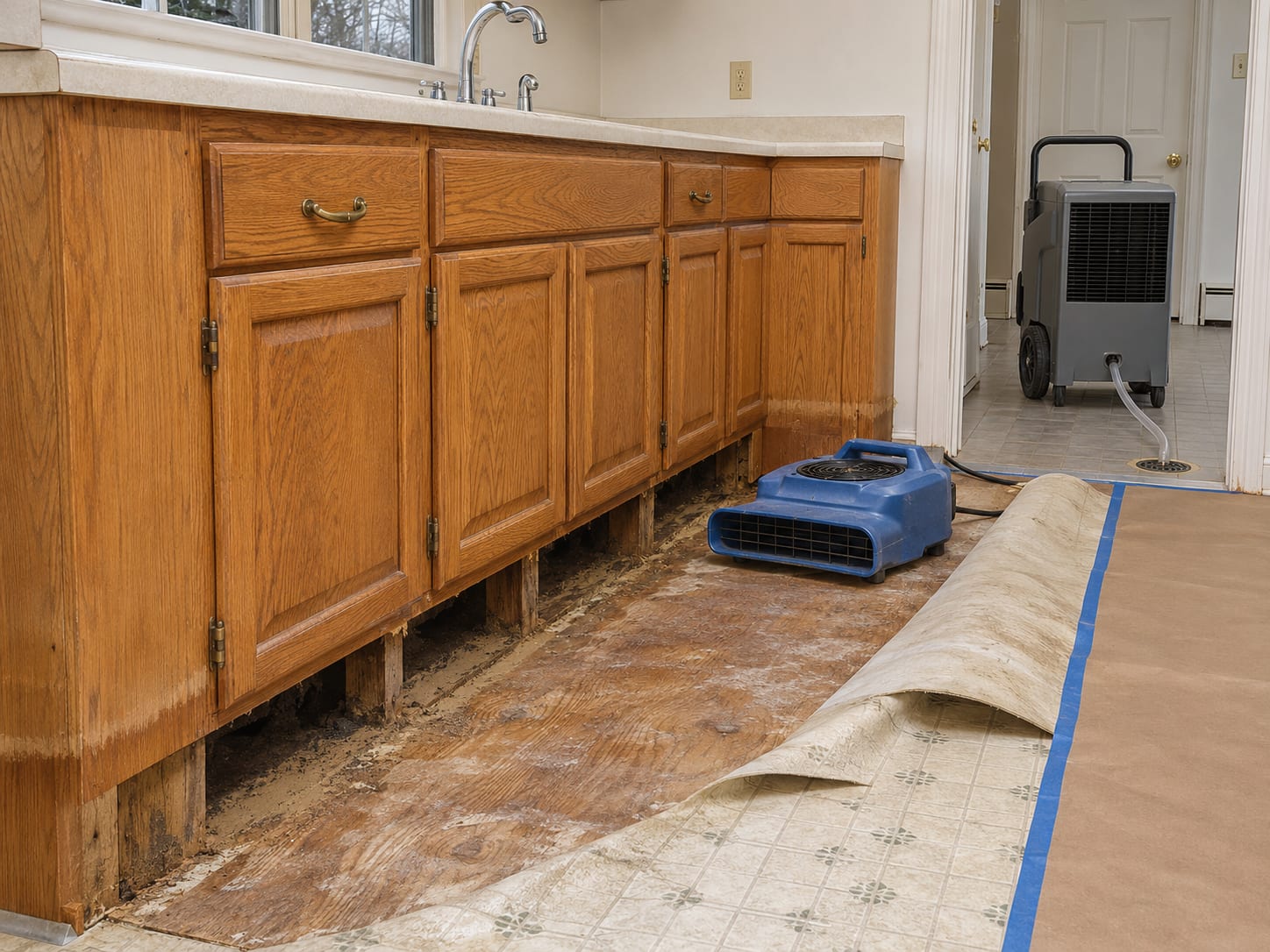
Landmarks around us include Delaware and Raritan Canal State Park, the Blackwells Mills Day Use Area, the canal towpath, the Blackwells Mills Bridge Tender's House, the Six Mile Run Reservoir Trail and the Millstone River riverbank access area. Tell us which side of the canal and river your house is on when you call; it helps us plan the route and the first look.
What permits and historic reviews apply to restoration in Franklin Township?
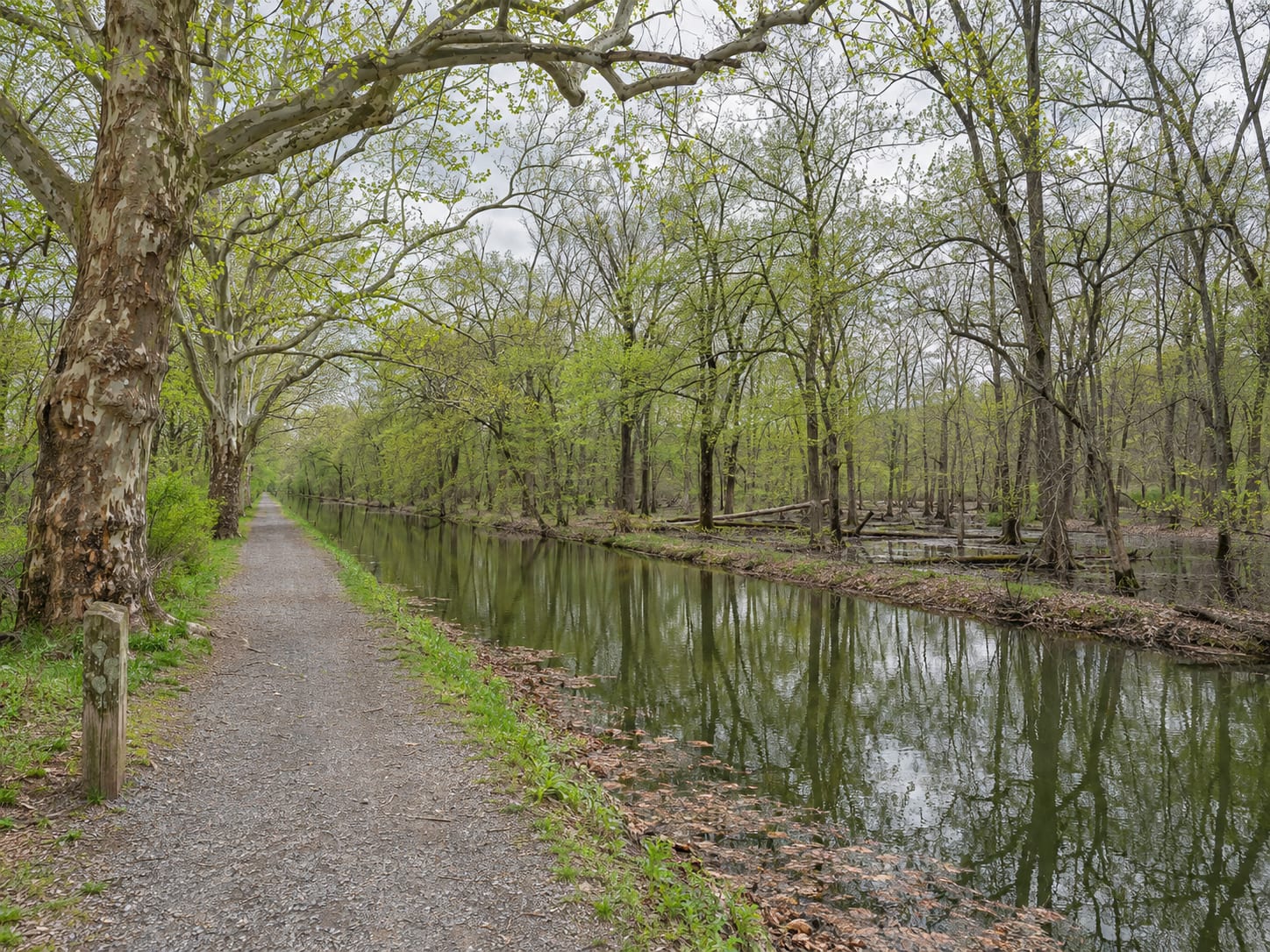
Mold removal itself is cleanup, but the rebuild afterward can touch walls, framing, windows and exterior features. Blackwells Mills falls within the Delaware and Raritan Canal corridor, and Franklin Township lists a D&R Canal Historic District and a Blackwells Mills historic-resource area. The D&R Canal Commission also maintains a review-zone map for canal-related regulatory review.
Before the rebuild starts, ask Franklin Township's construction and planning offices which permits apply to your address and whether the historic district or the canal review zone affects the work. We plan around those answers so the repair does not stall once the walls are open.
How do you prevent repeat moisture problems in Blackwells Mills homes?
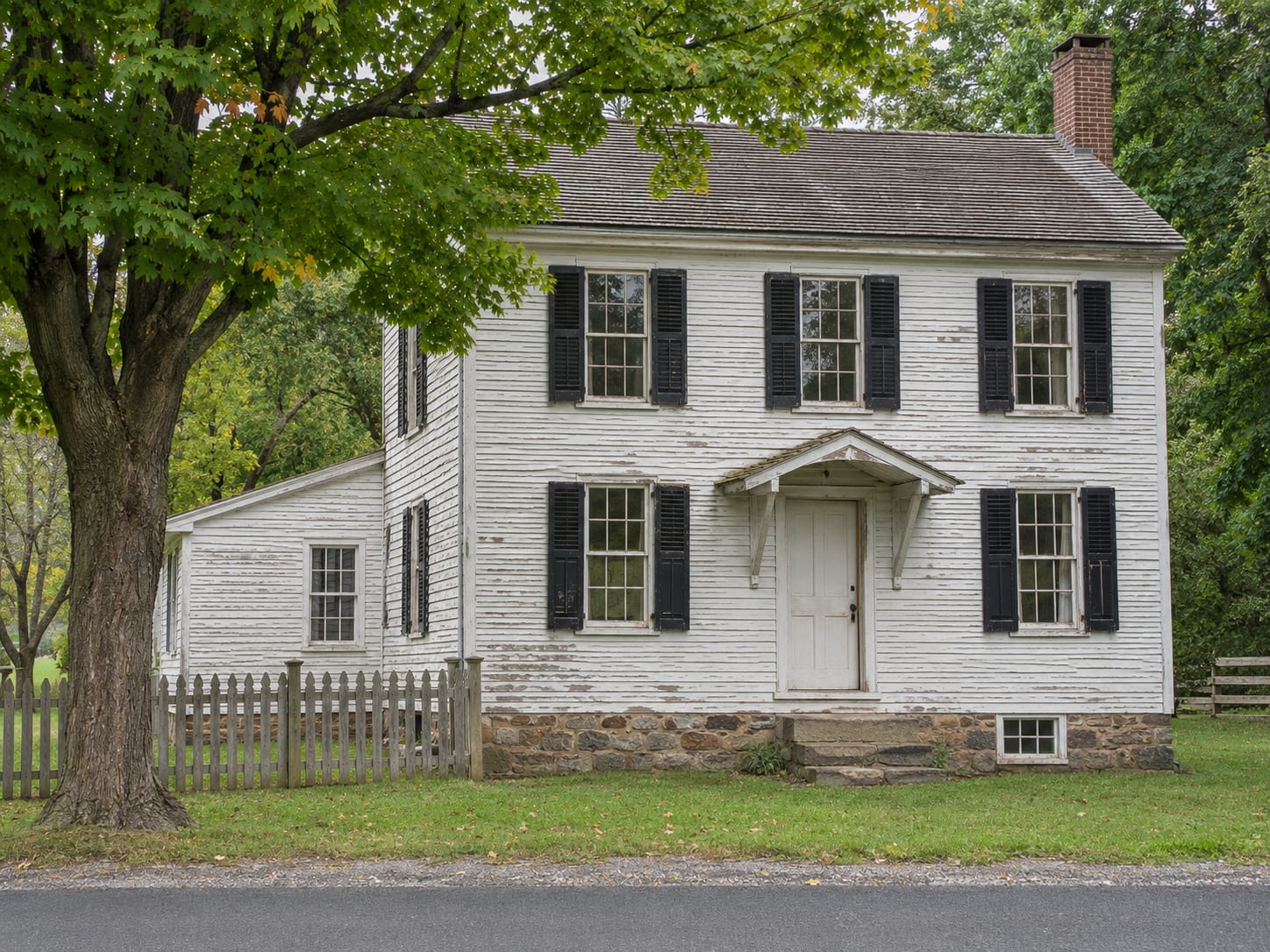
Once the repair is done, the goal is to keep water away from the house. Check that gutters run clear, that downspouts empty well away from the foundation and that the ground slopes away from the walls. A sump pump, if you have one, should be tested before storm season and again after a hard rain.
Indoors, a dehumidifier in a low room and exhaust fans in the bathrooms and kitchen keep humidity steady. After rain or high water that leaves the ground soaked, look at the sump pit, window wells, the base of exterior walls and the ceiling beneath bathrooms.
If you plan to finish a lower level afterward, our basement drying and basement mold remediation work confirm the space is dry before new walls go up. A damp spot caught early is the cheapest one to fix.
What if you can't afford mold remediation in Blackwells Mills?
Start with the scope, not the total. A written scope from a visit shows which rooms are affected, which materials are involved and which items are urgent, so you decide with the whole picture in front of you.
We suggest this order.
First, stop the water. Shutting off a leaking supply line, clearing a gutter or moving downspout water away from a wall costs far less than the damage it prevents, and growth will not stop spreading while the source is still active.
Second, call your insurance agent before any work starts. Whether a policy responds usually turns on how the water got in, so tell the agent what happened and ask how the policy treats the water event and the mold that followed it. Photograph the damage, write down the date and the weather, and keep every invoice.
Third, sort what can wait from what cannot. Anything still wet, any active leak and any wet porous material, such as carpet pad or insulation, cannot wait. Repainting, trim, flooring and the final rebuild can wait until the dry readings are in.
Fourth, ask us to mark the scope by priority. Send photos and the address through the contact page, and we will help you see which parts of the job come first.
Which services do Blackwells Mills property owners ask about?
Mold inspection and testing
Start with a mold inspection to find the moisture feeding the growth; add mold testing when a lab result would change what you do.
Mold removal
Our mold removal work clears out the damaged materials and dries what remains in farmhouses and newer homes along the canal and river.
Water damage restoration
After high water or a heavy storm, flood damage cleanup gets standing water out and the structure drying.
Insurance restoration
If you plan to file a claim, our insurance restoration services help you record the damage.
What are Blackwells Mills customers saying?
See what our customers are saying.
Frequently asked questions about mold remediation in Blackwells Mills, NJ
Look at when the water shows up. Damp along the floor edge or the base of a wall after heavy rain or high water points to the outside: the river, the canal or runoff from the rising ground east of the canal. Water that appears in dry weather, near a fixture, or as a stain on a ceiling points to a pipe or roof. Photograph it and call; the moisture readings usually settle the question.
About Blackwells Mills, NJ
Blackwells Mills is a historic hamlet in Franklin Township, Somerset County, in inland Central New Jersey, and Franklin Township is its municipal government. The settlement grew at the mouth of Six Mile Run, with a grist mill established in 1743 and the Delaware and Raritan Canal opening in 1834. The housing that came out of that history is older and low-density: eighteenth and nineteenth century farmhouses and farm buildings facing the canal, mostly two-story wood-frame single-family homes tied to medium-sized farms, many still with barns, sheds or silos, and some twentieth-century homes scattered among them. For a property owner that means a building whose framing and finishes have been wet and dry many times over, where an addition, a porch or an outbuilding can hold damp air that the main house does not show.
The water here is concentrated. The Millstone River runs through the area, the canal runs parallel to it, Six Mile Run enters the river near the settlement, and a documented Zone A floodplain lies between the river and the canal at the Blackwells Mills Causeway, which is about three-tenths of a mile long and links River Road on the west with Canal Road on the east. The canal side is flat, and the land east of the canal rises into gentle hills, so runoff and high water reach a building from more than one direction. The questions that decide a job are about your own address: which side of the river and canal the house sits on, what the flood maps show for the parcel, how the roof and downspouts discharge, whether the foundation holds a basement, a crawl space or a slab, and how old the framing and finishes are. Check the address against the FEMA and National Weather Service flood maps, and ask Franklin Township whether the historic district or the canal commission's review zone touches the repair before rebuilding.
Neighborhoods We Serve in Blackwells Mills
Around Blackwells Mills
Do not see your neighborhood? We serve all of Blackwells Mills and the surrounding area. Reach out and we will confirm coverage.