Have you noticed a strange musty smell wafting down from your ceiling, or has someone in your family been sneezing more than usual lately? Many Princeton homeowners don’t realize mold may be quietly growing in their attics until these warning signs appear.
Between New Jersey’s humid summers that regularly push moisture levels above 80% and our harsh freeze-thaw winter cycles, attics become prime breeding grounds for black, green, or white fungal colonies on rafters and insulation. Whether you’re dealing with an older Colonial with ventilation gaps or a newer build with condensation issues, attic mold removal in Princeton requires understanding both prevention strategies and professional remediation processes.
Left unchecked, these hidden growths can trigger respiratory problems, rot your roof structure, and cost thousands more in delayed repairs. The good news is that with the right knowledge about moisture control, ventilation improvements, and when to call certified professionals, you can protect your home and family from ongoing spore exposure while maintaining a healthy indoor environment.
Key Takeaways
- Ventilation Drives Prevention: Ridge and soffit vents work together to keep relative humidity under 60%, stopping mold spores from germinating on wood surfaces and insulation.
- Leaks Fuel Rapid Growth: Roof flashing failures, especially common during New Jersey’s humid summers, can cause mold colonies to spread across entire attic sections within weeks.
- Condensation Traps Moisture: When warm indoor air hits cold attic rafters in poorly insulated spaces, it creates the perfect environment for Aspergillus and Cladosporium growth.
- Early Signs Save Money: Detecting musty odors or water stains before mold spreads through HVAC systems can save thousands in remediation and health costs.
- Professional Remediation Is Essential: HEPA filtration and fungicide protocols address both visible growth and airborne spores, unlike risky DIY approaches that often spread contamination.
- Humidity Controls Build Long-Term Resilience: Combining dehumidifiers with proper air sealing creates lasting protection against future mold problems in New Jersey’s challenging climate.
Why Attic Mold Thrives in Princeton Homes
Princeton’s humid subtropical climate creates challenging conditions for attic spaces throughout the year. Summer months regularly see relative humidity levels spike above 80%, while winter brings freeze-thaw cycles that can trap moisture in insulation and on roof surfaces. When this atmospheric moisture combines with common construction issues like blocked vents, inadequate insulation, or air leaks from living spaces below, the result is an environment where mold spores can germinate and spread rapidly across cellulose-rich wood framing.
The EPA notes that roughly half of all U.S. structures have some form of mold growth, but New Jersey attics face particularly high risks due to our variable weather patterns. Temperature swings between seasons cause expansion and contraction in roofing materials, creating tiny gaps where water can penetrate. Meanwhile, older homes built before modern building codes often lack vapor barriers or proper attic floor insulation, allowing warm, moist air to rise unchecked from bathrooms, kitchens, and laundry rooms directly into the attic space.
Ventilation Gaps Trap Humid Air
Many Princeton homes, especially those built before 1980, have inadequate attic ventilation systems that can’t effectively exchange stale, humid air with fresh outdoor air. When soffit vents become blocked by insulation pushed too far into eaves, or when ridge vents are missing entirely, the natural convection process that should pull moisture out of the attic stops working. This stagnant air allows relative humidity to climb well above the 60% threshold where mold spores begin colonizing surfaces.
Historic Colonial-style homes in Princeton neighborhoods often feature steep roof pitches and complex attic geometries that make proper ventilation even more challenging. Without strategic placement of gable vents, powered exhaust fans, or continuous ridge vents, humid summer air gets trapped in corners and valleys where it condenses on cooler surfaces overnight. This daily moisture cycle provides the consistent dampness that fungal colonies need to establish themselves and spread across rafters, sheathing, and any porous materials stored in the space.
Triggers for Attic Mold Concerns
Several common situations can prompt Princeton homeowners to investigate their attics for potential mold issues. Recent roof repairs or replacement work might uncover hidden growth that developed over the years, while unexpectedly high energy bills can signal air leakage problems that also contribute to moisture accumulation. Changes in family health, particularly respiratory symptoms that worsen at home but improve elsewhere, often lead people to check their attics for the first time in years.
Seasonal transitions also reveal attic problems that might otherwise go unnoticed. Spring thaws after heavy snow winters can expose ice dam damage and water infiltration, while fall inspections before heating season might uncover condensation issues from the previous summer. Some homeowners only discover attic mold when preparing to sell their home and inspection reports flag musty odors or visible staining on interior ceilings.
Roof Leak Discoveries
Worn asphalt shingles, damaged flashing around chimneys or vent pipes, and compromised roof valleys are among the most common sources of water entry in Princeton attics. New Jersey’s combination of heavy summer thunderstorms, occasional nor’easters, and winter ice accumulation puts significant stress on roofing systems. Even small gaps in flashing or missing shingles can allow hundreds of gallons of water to pool on attic sheathing over a single season, creating ideal conditions for rapid mold colony establishment.
Ice dams represent a particularly insidious leak source during Princeton winters. When heat escaping through an inadequately insulated attic floor melts snow on the roof surface, that meltwater runs down to colder eaves where it refreezes. The resulting ice ridge traps subsequent meltwater behind it, forcing moisture under shingles and directly onto wooden roof decking. By the time visible staining appears on bedroom ceilings, extensive mold growth may already be established in the attic cavity above.
Exhaust Fan Misdirection
Bathroom exhaust fans, kitchen range hoods, and clothes dryer vents should always terminate outside the home envelope, but older Princeton houses sometimes have these systems venting directly into attic spaces. This practice, now prohibited by New Jersey building codes, pumps gallons of moisture-laden air into the attic every time someone showers, cooks, or does laundry. The warm, humid exhaust condenses immediately on cooler attic surfaces, providing a constant moisture source that virtually guarantees mold development.
Even when exhaust ducts properly extend through the roof or gable walls, disconnected or damaged ductwork can leak moisture into the attic cavity. Flexible vinyl or foil ducting commonly used for dryer vents becomes brittle over time and develops tears, while metal bathroom exhaust ducts may separate at joints. These leaks are particularly problematic because they release moisture directly at the ceiling plane, where insulation traps it against structural framing members.
Insulation Moisture Traps
Fiberglass batt insulation, while effective at slowing heat transfer, readily absorbs and holds moisture when exposed to high humidity or direct water contact. Once saturated, this insulation compresses and loses its thermal effectiveness while creating a damp environment where mold species like Aspergillus and Cladosporium thrive. The paper backing on faced insulation provides additional food for mold growth, and the fluffy texture of the fiberglass itself offers countless protected spaces for colonies to establish.
Blown cellulose insulation presents similar challenges in Princeton attics. Made from recycled paper products treated with fire retardants, cellulose naturally attracts and holds moisture. When roof leaks or condensation introduce water into cellulose insulation, it can take weeks or months to dry completely, during which time mold growth spreads throughout the affected area. Homeowners often don’t realize their insulation has become compromised until they notice sagging ceiling sections or musty odors penetrating into living spaces.
Impacts by Specific Causes
Different moisture sources create distinct patterns of mold growth and structural damage in Princeton attics. Understanding these relationships helps homeowners identify the root cause of their mold problems and implement effective, lasting solutions rather than just treating visible symptoms.
Roof and Flashing Leaks
Water entering through damaged roofing materials typically creates localized staining and mold growth that radiates outward from the leak point. These patterns appear as dark streaks running down rafters or circular stains spreading across plywood sheathing. As the growth matures, affected wood begins to soften and develop the characteristic spongy texture of rot, compromising structural integrity. Left unaddressed, roof leak mold can eventually cause rafter failure, collapsed sheathing, or sagging ridge beams that require expensive structural repairs beyond simple mold remediation.
Annual roof inspections represent the most effective prevention strategy for leak-related mold in Princeton homes. Professional roofers can identify worn shingles, cracked flashing, or deteriorating sealants before they allow water penetration. Installing ice and water shield membranes under shingles in vulnerable areas like valleys, eaves, and around penetrations provides an additional layer of protection during harsh New Jersey winters. These self-sealing membranes create a waterproof barrier even if surface shingles fail.
Condensation Buildup
Winter condensation creates a different mold signature than leak-driven growth. When warm, moist air from living spaces rises into cold attics, water vapor condenses on the coldest surfaces first, typically the underside of roof sheathing and the tips of roofing nails poking through from above. This frost accumulation melts during warming periods, dripping onto insulation and ceiling joists below. The resulting mold growth often appears as widespread light dusting or black speckling across large areas rather than concentrated colonies.
Adding proper insulation baffles maintains an air gap between insulation and roof sheathing, allowing ventilation air to carry away moisture before it condenses. Insulating attic access hatches and pull-down stairs prevents warm air from streaming directly into the attic cavity every time someone opens them. For homes with persistent condensation issues despite adequate ventilation, installing a variable perm vapor retarder on the warm side of ceiling insulation can significantly reduce moisture migration into the attic.
Poor Ventilation Scenarios
Stagnant air conditions caused by blocked or insufficient vents allow relative humidity to spike well above outdoor levels, creating what building scientists call a “moisture trap.” In these scenarios, mold growth tends to appear first in attic corners, along ridge lines, and on the undersides of roof sheathing farthest from any functioning vents. The colonies may cover extensive areas with relatively uniform growth patterns since the entire space experiences elevated humidity rather than localized moisture sources.
Installing powered attic ventilators can help overcome ventilation challenges in high-humidity Princeton attics, particularly during summer months when temperature-driven convection slows. These thermostat-controlled fans actively exhaust hot, humid air, maintaining healthier conditions even in attics with less-than-ideal passive vent placement. Solar-powered models offer a cost-effective option that operates during peak daytime heating without increasing electric bills, though they provide less benefit during humid nights when moisture problems often worsen.
HVAC and Penetration Leaks
Unsealed penetrations where HVAC ducts, electrical wiring, plumbing vents, or recessed light fixtures pass through the attic floor create pathways for conditioned, humid air to escape into the attic. Each gap functions like a tiny chimney, with warm air rising continuously during heating season and air conditioning condensation contributing moisture during summer. Mold growth around these penetrations often appears as dark rings or halos, and the problem becomes particularly serious when growth develops inside HVAC ductwork where spores can circulate directly into living spaces.
Sealing ductwork with mastic rather than tape provides lasting protection against air leakage. Unlike fabric-backed duct tape, which deteriorates in attic temperature extremes, mastic sealant remains flexible and adheres permanently to metal duct surfaces. For maximum effectiveness, seal all seams, joints, and connections, then consider adding duct insulation to prevent temperature-driven condensation on supply ducts running through unconditioned attic spaces.
Ties to Health and Regulations
Mold growth in Princeton attics doesn’t stay confined to those spaces. Airborne spores can enter living areas through ceiling penetrations, HVAC returns, or simple air pressure differences that pull contaminated air downward. The New Jersey Department of Health has established guidelines for residential mold situations, recognizing that exposure can affect indoor air quality and occupant health even when the growth itself remains hidden from view.
Spore Exposure Risks
Breathing mold spores irritates respiratory passages, triggering symptoms like sneezing, coughing, watery eyes, and throat irritation in most people exposed to significant concentrations. For individuals with asthma, mold sensitivity, or compromised immune systems, exposure can cause more severe reactions, including asthma attacks, allergic bronchopulmonary aspergillosis, or serious respiratory infections. The EPA emphasizes there is no safe threshold for mold exposure, particularly for vulnerable populations, making prompt remediation important when growth is discovered.
Beyond respiratory effects, some people report headaches, fatigue, difficulty concentrating, and skin rashes when exposed to moldy environments. These symptoms stem partly from physical irritation by spores and partly from volatile organic compounds, called microbial volatile organic compounds or MVOCs, that mold colonies release as they metabolize organic materials. The musty odor associated with mold growth comes from these MVOCs, and their presence indicates active fungal metabolism even when visible growth isn’t apparent.
Remediation Standards
New Jersey follows guidelines similar to those established by the EPA and New York State Department of Health for residential mold remediation. For affected areas larger than 10 square feet, professional remediation is strongly recommended to protect both occupants and workers from spore exposure during the cleaning process. Professional remediators follow strict containment protocols, isolating work areas with plastic sheeting, using negative air pressure to prevent spore migration, and wearing appropriate personal protective equipment, including respirators and protective suits.
The remediation process must address the underlying moisture source, not just visible growth. Simply cleaning mold without fixing roof leaks, improving ventilation, or correcting condensation problems guarantees it will return. Post-remediation verification, often including air quality testing by independent laboratories, confirms that spore counts have returned to normal levels and the attic environment has been properly dried to prevent recurrence.
Site-Specific Mold Adjustments
Princeton’s diverse housing stock, ranging from pre-Revolutionary War structures to modern construction, requires tailored approaches to attic mold prevention and remediation. Historic homes present unique challenges that newer buildings don’t face, while contemporary designs introduce their own moisture management considerations.
Older vs Newer Attics
Pre‑1950 Princeton homes commonly feature plaster‑on‑wood‑lath ceilings, a traditional construction method used throughout early‑20th‑century American houses, creating countless small gaps where conditioned air can leak into attic spaces. These older structures typically lack vapor barriers entirely, and their original insulation, if any, has often settled or been disturbed over decades. The steep roof pitches common in Colonial and Victorian architecture create large attic volumes that require substantial ventilation to manage moisture effectively, yet many of these homes have only small gable vents at each end.
Retrofitting historic attics with modern moisture management systems requires balancing effectiveness with preservation concerns. Adding continuous soffit and ridge vents may not be architecturally appropriate for landmark properties, making gable fans or solar-powered ventilators better options. Air sealing the attic floor demands careful attention to avoid damaging historic plaster, often requiring spray foam application or dense-pack cellulose that fills wall cavities without visible alterations.
Newer construction, while generally built to more stringent codes, can still develop attic mold if builders take shortcuts or designs create moisture problems. Homes built in the 1980s and 1990s often have insufficient attic ventilation despite meeting code minimums, and complex roof lines with multiple valleys and dormers create areas where airflow stagnates. Modern energy-efficient homes with tight building envelopes sometimes experience higher indoor humidity that can migrate into attics if vapor barriers are improperly installed or penetrated by recessed lights, fans, or other fixtures.
Insulation Variations
Cellulose insulation, while offering good thermal performance and environmental benefits through recycled content, holds moisture more readily than alternatives like fiberglass or rigid foam. In Princeton’s humid climate, cellulose in attics requires especially careful vapor management to prevent moisture accumulation. When cellulose becomes wet, it compresses significantly, losing R-value and potentially causing ceiling buckling as the weight increases. Homeowners with cellulose insulation should watch for telltale signs of moisture problems like sagging ceiling sections or compression of insulation visible from the attic side.
Replacing compromised cellulose with closed-cell spray foam or rigid foam boards can provide superior moisture resistance while improving thermal performance. Spray foam also seals penetrations and gaps automatically during application, reducing air leakage that contributes to condensation problems. However, foam insulation costs more initially than traditional options, and it requires professional installation to ensure proper coverage and avoid over-application that could create moisture trapping.
Picking Optimal Prevention Timing
Strategic timing for attic inspections, maintenance, and improvements can maximize effectiveness while minimizing disruption and cost for Princeton homeowners. Seasonal weather patterns create windows of opportunity when conditions favor successful mold prevention work.
Prime Inspection Seasons
Spring offers an ideal time for comprehensive attic assessments after winter weather has tested roofing systems and insulation performance. Any ice dam damage, shingle failures, or condensation problems that developed during cold months become apparent during spring warming. Scheduling inspections in late April or May, after freeze-thaw cycles end but before summer humidity begins, allows time to complete repairs before hot, humid weather creates conditions for rapid mold growth.
Fall inspections, conducted in September or October, prepare attics for winter while weather remains mild enough for comfortable work. This timing catches summer storm damage, identifies ventilation inadequacies that led to excessive attic temperatures, and allows completion of sealing and insulation improvements before heating season. Fall work also takes advantage of lower humidity levels that help new paint, caulk, or sealants cure properly.
Monitoring Tools
Digital hygrometers provide continuous monitoring of attic relative humidity, alerting homeowners to conditions that favor mold growth. Models with remote sensors and smartphone connectivity allow checking attic conditions without climbing up there, making it easy to track humidity trends over weeks or months. Maintaining readings below 60% relative humidity year-round should be the target, though brief spikes during storms or extreme weather are less concerning than sustained elevations.
Moisture meters help assess whether building materials have absorbed water, reading the moisture content of wood sheathing, rafters, and framing members. Readings above 20% indicate moisture levels that can support mold growth, while readings below 15% suggest adequately dry conditions. Using a moisture meter to check multiple locations across the attic reveals whether problems are localized near specific leaks or ventilation failures, or if widespread humidity issues exist.
Service Booking Strategies
Mold remediation companies and roofing contractors typically have lighter schedules during late fall and winter months, making this the best time to negotiate pricing and secure prompt service. Spring and summer represent peak seasons when severe weather creates backlogs and emergency repairs take priority over routine work. Booking non-emergency inspections and remediation during slower periods can save 15 to 25 percent compared to peak-season pricing while ensuring more attention to detail from less-rushed crews.
For urgent situations involving active leaks or extensive mold growth affecting occupied spaces, timing concerns become secondary to protecting health and preventing further damage. Most Princeton restoration companies offer 24-hour emergency response for water damage and mold situations, understanding that prompt action within the first 24 to 48 hours significantly reduces the extent of remediation needed.
Mold-Safe Remediation Steps
Professional attic mold remediation follows a systematic process designed to protect both workers and occupants while thoroughly addressing contamination. This multi-phase approach ensures complete removal of affected materials, treatment of salvageable surfaces, and verification that the space is safe to reoccupy.
Initial Inspection Work
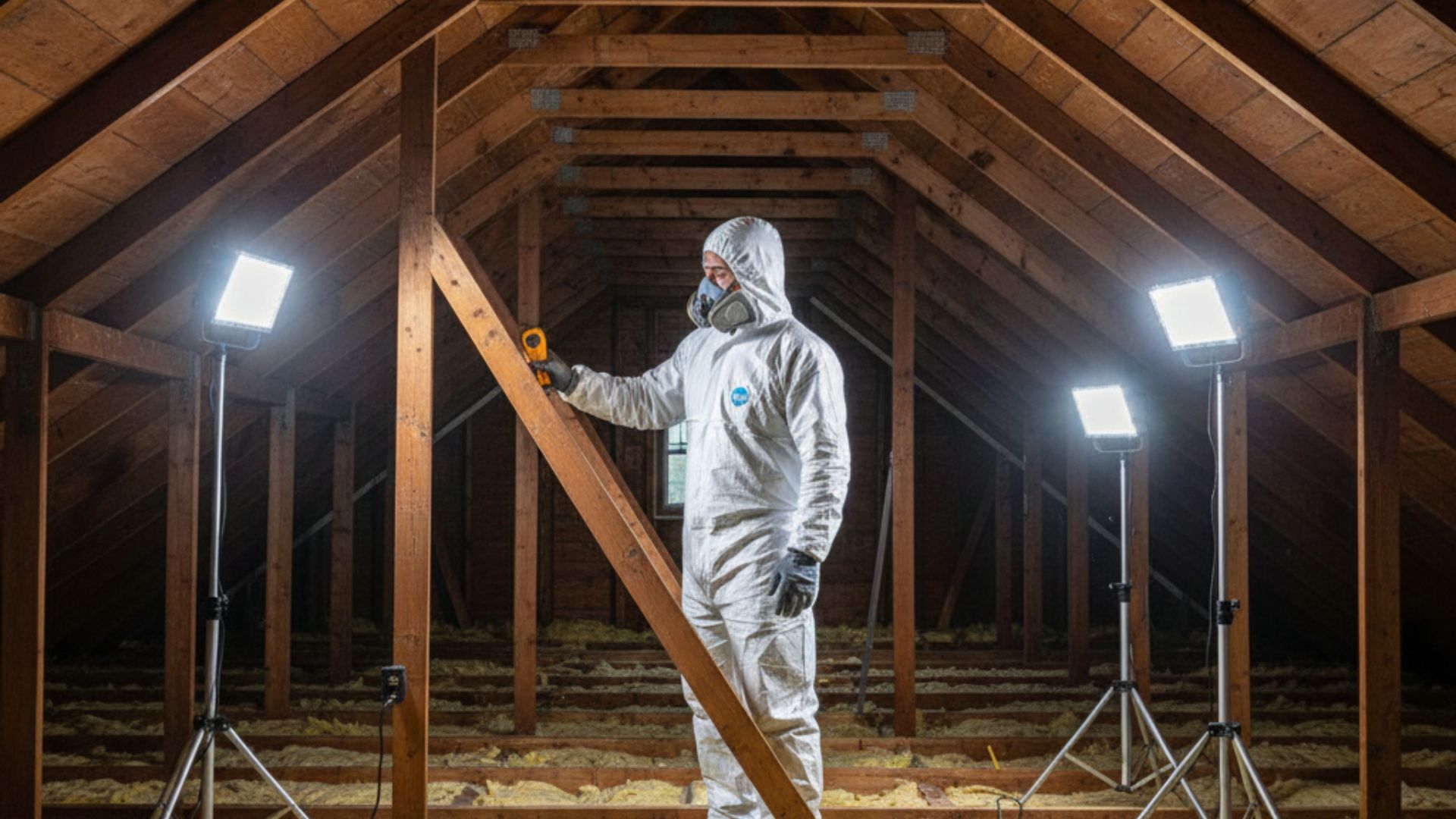
The process begins with a visual assessment of all attic surfaces, measuring the extent of affected areas and identifying moisture sources that allowed mold to develop. Inspectors look for staining patterns, active growth, compromised insulation, and structural damage while documenting conditions with photographs and detailed notes. Air sampling may be conducted before disturbance to establish baseline spore counts, particularly important for insurance claims or in situations where health effects have been reported.
Moisture readings using infrared cameras or moisture meters identify hidden dampness behind surfaces, revealing the full extent of water intrusion that may not be visually apparent. Thermal imaging can show cold spots where insulation is missing or compressed, warm areas indicating air leakage, and temperature differentials that signal ventilation problems. This diagnostic phase informs the remediation plan and helps estimate costs for property owners.
Containment and Removal
Workers establish containment barriers using 6-mil polyethylene sheeting to isolate the work area from occupied spaces below, sealing all penetrations and creating a negative pressure environment with exhaust fans equipped with HEPA filters. This pressure differential ensures any disturbed spores are captured by the filtration system rather than spreading through the home. Workers wear full personal protective equipment including respirators rated for mold spore protection, protective suits, gloves, and eye protection.
Porous materials like insulation, cardboard storage boxes, or fabrics that show mold growth must be removed and properly disposed of since cleaning cannot reliably eliminate spores embedded deep in their structure. Non-porous surfaces such as wood framing, plywood sheathing, and metal roof components can be cleaned if structurally sound. HEPA-filtered vacuums remove surface spores before applying detergent solutions or EPA-registered fungicides to kill remaining organisms. Wire brushing or sanding may be necessary for deeply penetrated growth, with all debris immediately vacuumed to prevent spore dispersal.
Completion Phase
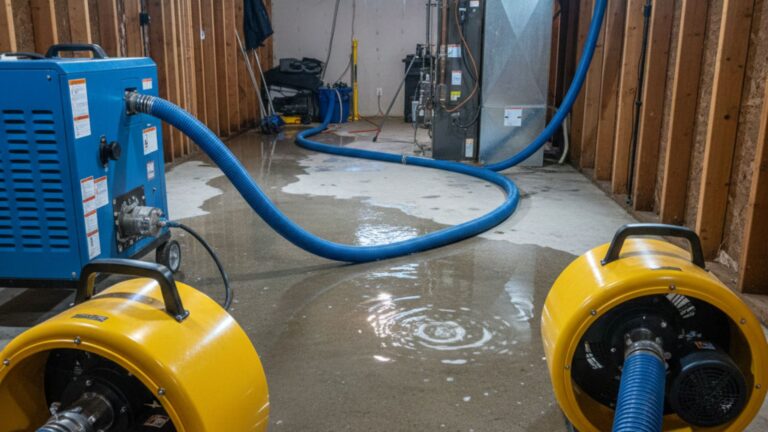
After physical cleaning, antimicrobial treatments or fungicidal coatings are applied to previously affected surfaces to prevent regrowth while moisture issues are permanently resolved. The attic must be thoroughly dried using dehumidifiers, fans, or heating to reduce wood moisture content below 15 percent, the level at which fungal activity largely ceases. This drying phase may take several days to a week, depending on initial moisture levels and weather conditions.
Final verification includes visual inspection to confirm all growth has been removed, moisture readings to verify dry conditions, and often post-remediation air sampling to document that spore counts have returned to normal background levels. Clearance testing by independent laboratories provides objective confirmation that the space is safe, particularly important for health-sensitive occupants or for satisfying insurance requirements. Only after receiving clearance should insulation be replaced and attic spaces returned to normal use.
Enhancing Mold Resistance
Beyond addressing existing mold problems, strategic improvements can dramatically reduce the likelihood of future growth in Princeton attics. These enhancements work with New Jersey’s climate rather than fighting against it, creating resilient systems that maintain healthy conditions year-round.
Climate-Matched Upgrades
Installing a continuous vapor barrier on the warm side of ceiling insulation prevents moisture-laden air from migrating into the attic cavity during heating season. This barrier must be carefully detailed around penetrations and sealed at all edges to function effectively. However, in mixed climates like New Jersey’s, where both summer cooling and winter heating create moisture drives, variable permeability membranes that allow drying in both directions often perform better than traditional polyethylene sheets that can trap moisture.
Dedicated attic dehumidifiers provide active humidity control during Princeton’s muggy summer months when passive ventilation alone may not keep conditions below the 60 percent relative humidity threshold. These units, sized appropriately for attic volume, automatically remove moisture from the air and either drain condensate outside or into a reservoir that requires periodic emptying. When combined with adequate ventilation, dehumidifiers create a belt-and-suspenders approach that maintains dry conditions even during extended humid periods.
Routine Upkeep
Annual attic inspections should become part of regular home maintenance, ideally conducted each spring after winter weather and again in fall before heating season. These checks need not be exhaustive professional assessments; simple visual inspections by homeowners looking for signs of leaks, condensation, blocked vents, or disturbed insulation can catch developing problems before they become serious. Taking photographs during each inspection creates a historical record that makes subtle changes easier to detect over time.
Cleaning gutters and downspouts at least twice yearly, in spring and fall, prevents overflow that can soak fascia boards and leak into attic spaces through gaps in soffit construction. After major storms, conducting quick roof inspections from the ground using binoculars can identify damaged shingles or displaced flashing before they allow significant water entry. These simple preventive measures cost little but prevent expensive remediation needs.
Common Mold Pitfalls
Several misconceptions about attic mold lead Princeton homeowners to make decisions that worsen problems or waste money on ineffective solutions. Understanding these pitfalls helps you avoid costly mistakes.
Many people ignore musty odors, assuming they’ll dissipate on their own or result from temporary humidity spikes. In reality, persistent musty smells indicate active mold growth, releasing MVOCs as colonies metabolize building materials. By the time odors penetrate into living spaces, substantial hidden growth typically exists, requiring professional attention.
DIY remediation using bleach or household cleaners creates a false sense of security while potentially making problems worse. Bleach kills surface mold on non-porous materials, but doesn’t penetrate porous surfaces like wood or drywall, where roots extend. The water in bleach solutions can actually feed deeper growth, and fumes pose health risks in enclosed attic spaces. More problematically, cleaning visible growth without addressing underlying moisture sources guarantees regrowth within weeks or months.
Focusing solely on mold removal while ignoring source fixes represents perhaps the most common and expensive mistake. A professional remediation company can eliminate every trace of existing mold, but if roof leaks continue, ventilation remains inadequate, or condensation problems persist, new growth will establish itself quickly. Effective mold solutions must address both the symptom (visible growth) and the cause (excess moisture).
Delaying professional evaluation when evidence of significant mold appears risks both health effects and escalating costs. Small affected areas grow exponentially under favorable conditions, potentially spreading from a few square feet to covering hundreds of square feet within months. Early intervention keeps remediation costs manageable and prevents structural damage that roof leaks or prolonged moisture exposure can cause.
Neglecting gutter maintenance seems unrelated to attic mold but creates one of the most common water entry pathways. Clogged gutters overflow during storms, soaking fascia boards and creating opportunities for water to seep through soffit vents or gaps in roof edge construction. Regular gutter cleaning represents one of the most cost-effective mold prevention measures available.
Mold in the Overall Home Strategy
Addressing attic mold fits into broader home maintenance priorities and health considerations that affect every Princeton homeowner. Integrating mold awareness into regular routines and improvement planning creates systematic protection.
Include annual attic inspection and moisture management costs in household maintenance budgets, setting aside funds for minor repairs, ventilation improvements, or humidity monitoring equipment. This proactive approach costs far less than emergency remediation when problems become severe. For older homes with known moisture challenges, dedicating 1 to 2 percent of home value annually to preventive maintenance, including roof care and ventilation upgrades, provides excellent return on investment through avoided damage and improved energy efficiency.
Factor attic conditions into whole-house air quality planning, recognizing that contaminated attic air can affect living spaces through various pathways. If family members experience unexplained respiratory symptoms, include attic inspection in the diagnostic process alongside more obvious factors like duct cleaning or filtration improvements. Some Princeton families find that addressing hidden attic mold eliminates health complaints that persisted despite treating other potential air quality issues.
When planning additions, finished attics, or major renovations, design mold prevention into the project from the start rather than treating it as an afterthought. Insist that contractors include proper ventilation calculations, vapor barrier installation, and moisture management details in their plans. Cutting corners on these invisible systems to reduce initial costs often leads to expensive corrective work when moisture problems emerge in completed spaces.
Frequently Asked Questions About Attic Mold Removal in Princeton
Q: Is it safe to remove attic mold myself, or should I hire professionals?
A: Small affected areas under 10 square feet, you can potentially handle yourself with proper protective equipment, HEPA filtration, and careful containment. However, attic mold remediation typically involves larger areas, difficult access, and risks of spreading spores into living spaces if containment fails. Professional remediators have specialized equipment like negative air machines, commercial HEPA vacuums, and training in safe removal techniques that protect both workers and occupants. Most experts recommend professional service for attic situations, given the challenges of working in confined, contaminated spaces and the health risks of improper handling.
Q: Can mold removal be done effectively during Princeton winters, or should I wait for warmer weather?
A: Winter remediation is feasible in heated homes where temporary heating equipment can maintain adequate temperatures for drying and fungicide application in the attic workspace. However, summer and early fall offer ideal conditions since natural warmth and lower humidity accelerate drying after cleaning. Cold weather can extend the drying phase needed to reduce wood moisture content below 15 percent, potentially requiring supplemental heat for days or weeks. For non-emergency situations, scheduling remediation for late spring through early fall when weather naturally supports thorough drying produces the most reliable results.
Q: What health effects can attic mold cause for my Princeton family?
A: Exposure to mold spores triggers allergic reactions in many people, causing sneezing, runny nose, red eyes, and skin rashes. For individuals with asthma, mold exposure can provoke attacks and worsen chronic symptoms. Young children, elderly family members, and anyone with compromised immune systems face higher risks of respiratory infections and more severe reactions. Some mold species produce mycotoxins that can cause additional health effects, including headaches, fatigue, and concentration difficulties. If family members experience respiratory symptoms that improve when away from home, attic mold contaminating indoor air may be contributing.
Q: How can I prevent attic mold from returning after professional removal?
A: Prevention requires addressing the moisture source that allowed initial growth. Fix all roof leaks promptly, ideally within 24 to 48 hours of discovery. Ensure adequate ventilation with properly functioning soffit and ridge vents, and maintain attic relative humidity below 60 percent using dehumidifiers if necessary. Verify that bathroom, kitchen, and dryer exhausts vent outside rather than into the attic. Seal air leaks from living spaces that introduce warm, moist air into the attic cavity. Regular monitoring with a hygrometer and annual inspections catch developing problems before mold establishes.
Q: What should I expect to pay for professional attic mold removal in the Princeton area?
A: Princeton attic remediation typically costs between $1,800 and $8,000 depending on the extent of contamination, attic size, accessibility challenges, and whether structural repairs or insulation replacement are needed. Small projects affecting less than 50 square feet may cost $500 to $1,500, while extensive contamination covering 200 square feet or more can exceed $10,000 when structural damage requires repair. Expect to pay $75 to $150 per hour for labor, plus materials and disposal fees. Many homeowners insurance policies cover mold remediation when water intrusion from covered perils like roof leaks caused the growth. Getting three written estimates from IICRC-certified local contractors helps ensure fair pricing.
Q: Are bathroom or dryer vents that exhaust into my attic a serious problem?
A: Yes, venting moist exhaust air into attics creates one of the most reliable mold growth scenarios and violates current New Jersey building codes. A single daily shower releases approximately half a gallon of water vapor into the exhaust stream, and that moisture condenses immediately on cooler attic surfaces if vented there. Clothes dryers vent even more moisture, along with heat and lint that provides food for mold colonies. These improperly terminated vents should be rerouted to exhaust outside through the walls or the roof as soon as possible. Until corrected, they continuously feed moisture into the attic, making mold prevention nearly impossible.
Final Thoughts
Managing attic mold in Princeton homes comes down to controlling moisture through ventilation improvements, prompt leak repairs, and professional remediation when growth exceeds DIY capabilities. The combination of New Jersey’s humid summers and cold winters creates ongoing challenges that require vigilance, but proper sealing, humidity monitoring, and annual inspections keep problems manageable. By addressing roof damage within 48 hours, maintaining relative humidity below 60 percent, and ensuring exhaust systems vent outside, you create conditions where mold simply can’t establish itself.
The peace of mind from knowing your family breathes clean air, free from allergenic spores and mycotoxins, makes these preventive investments worthwhile. Your home’s structural integrity benefits too, since dry attics with good airflow protect rafters, sheathing, and insulation from the rot and deterioration that unchecked moisture causes. Long-term, you’ll save thousands in avoided remediation costs while maintaining property value and creating a healthier indoor environment.
ExecPro Restoration & Cleaning brings specialized expertise in moisture damage and mold remediation to Princeton homeowners facing attic contamination challenges. Our certified technicians use HEPA filtration, proper containment protocols, and EPA-registered treatments to safely eliminate existing growth while identifying and correcting the moisture sources that allowed it to develop. Whether you’re dealing with a small leak-related problem or widespread contamination from ventilation failures, our team provides comprehensive solutions that address both visible mold and underlying causes. Contact ExecPro Restoration & Cleaning today for a thorough attic inspection and customized remediation plan that restores your home to safe, healthy conditions.