After another round of heavy spring rains, you head down to your Princeton basement to grab storage bins and catch a whiff of something musty. Dark, slimy patches streak across the drywall near the foundation wall, and you wonder whether this is the “black mold” you’ve heard about on the news. Your mind races to your kids playing downstairs, the coughing fits your spouse has been having, and the thought of costly structural repairs if this gets worse.
Between New Jersey’s humid summers, aging homes in historic neighborhoods, and those basement moisture problems so common in this area, mold issues can escalate quickly without the right approach. Understanding how professional black mold removal works in Princeton, what triggers growth in local homes, and how to tell when DIY cleanup falls short can help you protect your family’s health and your home’s integrity before small spots turn into a major remediation project.
Key Takeaways
- Princeton’s Humidity Fuels Black Mold: New Jersey’s wet weather, damp basements, and poor drainage around older foundations create ideal conditions for Stachybotrys growth, especially in lower-level spaces and crawlspaces.
- Health Risks Are Real: Exposure can trigger coughing, allergies, asthma flares, and fatigue, with children, elderly residents, and immunocompromised individuals facing the highest risk from prolonged contact.
- DIY Limits Are Clear: Small patches on hard surfaces may be manageable for homeowners who fix moisture sources, but porous materials, large areas, or HVAC contamination require professional containment and HEPA filtration.
- Full Process Beats Spot Cleaning: Effective remediation combines inspection, containment, material removal, moisture fixes, and verification to prevent regrowth and address the root cause.
- Local NJ Rules Focus on Moisture: New Jersey has no strict mold licensing requirement or numeric exposure limits, but state guidelines emphasize fixing leaks, drying materials thoroughly, and using trained professionals for extensive projects.
- Prevention Saves Thousands: Dehumidifiers, gutter maintenance, proper grading, and annual basement inspections stop most mold growth before it starts, saving homeowners from expensive emergency cleanups.
Understanding Black Mold in Princeton Homes
Black mold, typically referring to Stachybotrys chartarum, thrives on materials that stay wet for extended periods. In Princeton, this dark green-black mold often appears on drywall, wood framing, insulation, and cardboard stored in damp basements or crawlspaces. Unlike surface mildew that shows up quickly on bathroom tile, Stachybotrys signals a deeper, ongoing moisture problem that has been present for days or weeks. The spores settle into cellulose-based building materials and produce a slimy, dark coating that can spread across walls, subflooring, and structural members if conditions remain humid.
Local climate patterns and construction styles make Princeton homes particularly vulnerable. Older properties built before modern vapor barriers often have limited foundation waterproofing, while newer, tightly sealed homes can trap humidity if ventilation is inadequate. Both scenarios create environments where moisture lingers, temperatures stay moderate, and mold finds the perfect combination of food and water to colonize indoor spaces.
Local Climate and Moisture Risks
New Jersey experiences humid summers with average relative humidity often climbing above 60%, heavy rainstorms throughout spring and fall, and freeze-thaw cycles in winter that stress foundation walls. Princeton’s mix of historic and newer homes means basements are frequently below grade, in direct contact with damp soil, and subject to hydrostatic pressure that forces water through cracks or porous concrete. When gutters overflow, downspouts discharge too close to the foundation, or grading slopes toward the house, water accumulates against the basement walls and seeps inside.
Condensation adds another layer of risk. During humid months, cool basement surfaces meet warm, moist air, creating droplets on walls, floors, and pipes. Without proper ventilation or dehumidification, this moisture soaks into drywall and wood, providing the sustained wetness that black mold needs to establish colonies. Finished basements with carpeting, drywall, and ceiling tiles amplify the problem by hiding early signs of moisture intrusion until visible staining or musty odors become obvious.
Common Reasons Homeowners Question Black Mold Removal
Princeton residents typically start researching black mold removal when they notice unexplained health symptoms, visible growth after a water event, or concerns about property value and insurance claims. Understanding these scenarios helps you recognize when professional help makes sense and when you can address minor issues on your own.
Health Symptoms and Family Concerns
Coughing, sneezing, wheezing, chest tightness, and shortness of breath often worsen in moldy environments, particularly for people with asthma, allergies, or chronic lung conditions. When family members experience allergy-like symptoms that improve after leaving the house, or when “mystery illnesses” persist despite medical treatment, homeowners begin to investigate whether basement or attic mold is the culprit. Children, older adults, and anyone with a weakened immune system face higher risks from prolonged exposure, making early detection and removal critical for vulnerable households.
Some individuals report fatigue, difficulty concentrating, headaches, or irritation of the eyes and skin when living in homes with significant mold contamination. While scientific consensus focuses primarily on respiratory and allergic effects, anecdotal reports and emerging research suggest that long-term exposure in heavily contaminated buildings can contribute to broader systemic complaints in sensitive people.
Spotting Hidden Growth in Basements and Walls
Dark stains or discoloration on drywall, baseboards, or ceiling tiles often indicate mold taking hold behind the surface. Musty, earthy odors that don’t dissipate even after cleaning suggest hidden colonies in wall cavities, under flooring, or inside HVAC ducts. Peeling paint, bubbling drywall, or soft, warped building materials signal moisture intrusion that has likely supported mold growth for some time.
In Princeton’s older housing stock, recurring issues after floods, plumbing leaks, or roof damage are common triggers. A basement that floods once may seem dry after cleanup, but if moisture remains trapped in insulation or behind finished walls, black mold can develop quietly over the following weeks. Without addressing the underlying moisture source, homeowners find themselves dealing with regrowth cycles that never fully resolve.
Property Damage and Insurance Nightmares
Structural rot from unchecked mold can compromise wood framing, floor joists, and subflooring, leading to expensive repairs that go far beyond simple mold cleanup. When selling a home, undisclosed mold issues can derail transactions, reduce property value, or result in legal disputes if buyers discover contamination during inspections.
Insurance claims add another layer of complexity. Many homeowners’ policies cover mold damage if it results from a sudden, accidental water event like a burst pipe, but exclude damage from long-term neglect or maintenance issues like chronic seepage. Landlords and property managers in Princeton rental units face additional scrutiny under New Jersey’s focus on safe, habitable housing conditions, making timely remediation essential to avoid disputes with tenants or regulatory issues.
Types of Black Mold Problems and Growth Areas in Princeton
Understanding where black mold typically appears in local homes helps you target inspections and prevention efforts more effectively.
Basement and Crawl Space Hotspots
Basements are the most common sites for black mold in Princeton. Water seepage through foundation walls, floor cracks, or cove joints creates damp conditions that support Stachybotrys growth on drywall, wood studs, and stored belongings. Finished basements with carpeting, paneling, or drop ceilings hide moisture intrusion until staining or odors become obvious, by which time contamination may be widespread.
Crawl spaces with dirt floors, inadequate vapor barriers, or poor ventilation can trap humidity and moisture from the soil, creating a breeding ground for mold that spreads to floor joists and subflooring above. Even if the main living areas appear dry, unconditioned crawl spaces in Princeton homes often maintain relative humidity above 70%, well beyond the threshold that prevents mold growth.
Bathroom, Kitchen, and Attic Issues
Bathrooms without exhaust fans or with leaking shower pans, tub surrounds, or toilet flanges develop mold on drywall, grout, and subflooring. Kitchen sinks, dishwashers, and refrigerator lines can leak slowly over time, allowing mold to colonize cabinet interiors, wall cavities behind appliances, and subflooring.
Attics in Princeton’s varied architectural styles face different risks. Roof leaks from missing shingles, damaged flashing, or ice dams during winter allow water to soak into insulation, rafters, and sheathing. Inadequate attic ventilation or blocked soffit vents trap humid air, causing condensation on cold surfaces and creating conditions for mold to grow on wood framing and insulation materials.
Hidden vs. Visible Mold Challenges
Visible mold on basement walls or bathroom tile is relatively straightforward to identify and address. Hidden mold behind drywall, inside wall cavities, under flooring, or in HVAC systems presents a greater challenge. Homeowners may not realize the full extent of contamination until renovation work exposes affected materials or until air quality testing reveals elevated spore counts.
Air testing can help identify hidden mold by measuring spore concentrations in different areas of the home and comparing indoor levels to outdoor baselines. Surface sampling of visible growth can confirm the specific type of mold present, though New Jersey guidance emphasizes that all indoor mold should be removed regardless of species.
Health Risks, Guidelines, and Local Expectations
Ignoring black mold leads to escalating health problems, structural damage, and potential legal or insurance complications. Understanding the risks and regulatory expectations helps homeowners make informed decisions about remediation.
Short-Term and Long-Term Exposure Effects
Short-term exposure to black mold can cause or worsen coughing, sneezing, wheezing, nasal congestion, sore throat, eye irritation, skin rashes, and headaches. People with allergies, asthma, COPD, or other respiratory conditions often experience increased symptoms and more frequent asthma attacks in moldy environments. Even individuals without pre-existing conditions may develop new sensitivities after repeated exposure.
Prolonged exposure in heavily contaminated buildings has been linked to chronic fatigue, difficulty concentrating, and other systemic complaints in some individuals. While not everyone reacts the same way, vulnerable groups, including children, older adults, pregnant people, and those with weakened immune systems, face higher risks. Scientific reviews note that Stachybotrys can irritate the respiratory system, provoke allergic responses, and, in high, long-term exposures, contribute to broader health complaints. Importantly, even dead mold fragments remain allergenic, so simply killing mold without removing it does not eliminate the risk.
NJ Department of Health Guidelines
New Jersey does not set a specific numeric “safe” mold limit for homes and has no federal or state exposure standards for indoor mold levels. Instead, state guidance provides a framework for residents to understand mold, recognize risk factors, clean up small problems safely, and choose qualified professionals when needed.
Three core principles underpin New Jersey’s approach: correct the moisture source first, remove and clean mold-contaminated materials thoroughly, and ensure the area is completely dry before rebuilding or renovating. Because there are no official threshold limits, the general rule is that visible mold or persistent mold odor indicates a problem that must be addressed. Small areas of mold on hard, non-porous surfaces may be handled by homeowners if they can fix the moisture problem and follow safe cleaning practices, but extensive growth, hidden mold, or contamination in HVAC systems typically requires professional help.
The state emphasizes that vulnerable occupants, large-scale projects, or homes with recurring mold issues warrant trained remediation contractors who can manage containment, filtration, and proper disposal. While New Jersey does not currently have a statewide mold remediation license, proposals like the “Mold Safe Housing Act” concept reflect ongoing concern about mold in rental housing and the need for effective, documented cleanup to ensure safe living conditions.
Home Conditions, Testing, and Princeton-Specific Factors
Every Princeton home faces unique risks based on age, construction quality, site conditions, and maintenance history. Understanding these factors helps homeowners decide when to call professionals and what to expect during an assessment.
Older Homes vs. New Construction
Historic Princeton properties often feature subpar ventilation, aging foundation waterproofing, and minimal vapor barriers, making basements and crawl spaces prone to moisture intrusion. Original plumbing, roofing, and drainage systems may be decades old, increasing the likelihood of leaks and seepage. On the other hand, modern tightly sealed homes built for energy efficiency can trap humidity if mechanical ventilation is inadequate, leading to condensation on cold surfaces and mold growth in poorly ventilated spaces.
Both scenarios demand attention to moisture control, but the solutions differ. Older homes may need foundation repairs, improved drainage, and upgraded ventilation systems, while newer homes often benefit from dehumidifiers, balanced ventilation, and careful attention to bathroom and kitchen exhaust.
Impact of NJ Humidity and Water Events
New Jersey’s humid summers, heavy rainstorms, and seasonal flooding increase the risk of basement mold in Princeton homes. Post-flood cleanup that focuses only on drying visible surfaces may leave moisture trapped in wall cavities, insulation, or subflooring, creating ideal conditions for hidden mold growth. Soil types around foundations also matter. Clay-heavy soils common in parts of New Jersey hold water and create hydrostatic pressure against basement walls, worsening seepage problems.
Homeowners who experience recurring moisture issues after storms or who notice wet spots appearing in the same locations repeatedly should investigate drainage, grading, and foundation integrity before mold becomes a chronic problem.
How to Assess and Plan Black Mold Removal in Princeton
Proper assessment prevents guesswork and ensures you address the root cause, not just the visible symptoms.
Signs Needing Immediate Inspection
If you notice any of the following, schedule a professional inspection promptly. Dark stains, discoloration, or visible mold on drywall, baseboards, ceiling tiles, or wood framing indicate active growth. Musty, earthy odors that persist even after cleaning suggest hidden mold in wall cavities, under flooring, or in HVAC ducts. Peeling paint, bubbling drywall, or soft, warped building materials signal ongoing moisture intrusion. Recurring allergy-like symptoms, headaches, or breathing issues that improve when occupants leave the home can point to indoor air quality problems related to mold.
Water damage from floods, plumbing leaks, or roof problems that were not dried completely within 24 to 48 hours often leads to mold growth behind surfaces. If your basement floods repeatedly, if you’ve had a major leak, or if you suspect moisture problems in hidden areas, a professional inspection can reveal the extent of contamination and guide an effective remediation plan.
DIY Limits and When to Call Pros
New Jersey mold guidelines suggest that small areas of mold on non-porous or easily cleaned hard surfaces may be handled by homeowners, provided they can fix the moisture problem and follow safe cleaning practices. Hard surfaces like tile, metal, or glass can sometimes be scrubbed with detergent solutions, followed by thorough drying and ongoing humidity control.
However, residents should seek professional help when mold covers a large area, keeps coming back, is suspected in HVAC systems, or is embedded in porous materials like drywall, insulation, or carpeting. Projects in homes with very sensitive occupants or extensive water damage are also better handled by trained remediation contractors who can manage containment, filtration, and proper disposal. If the affected area exceeds roughly 10 square feet, if you smell a persistent mold odor without a clear source, or if you have health concerns, calling a certified mold specialist is the safer choice.
Testing and Inspection Checklists
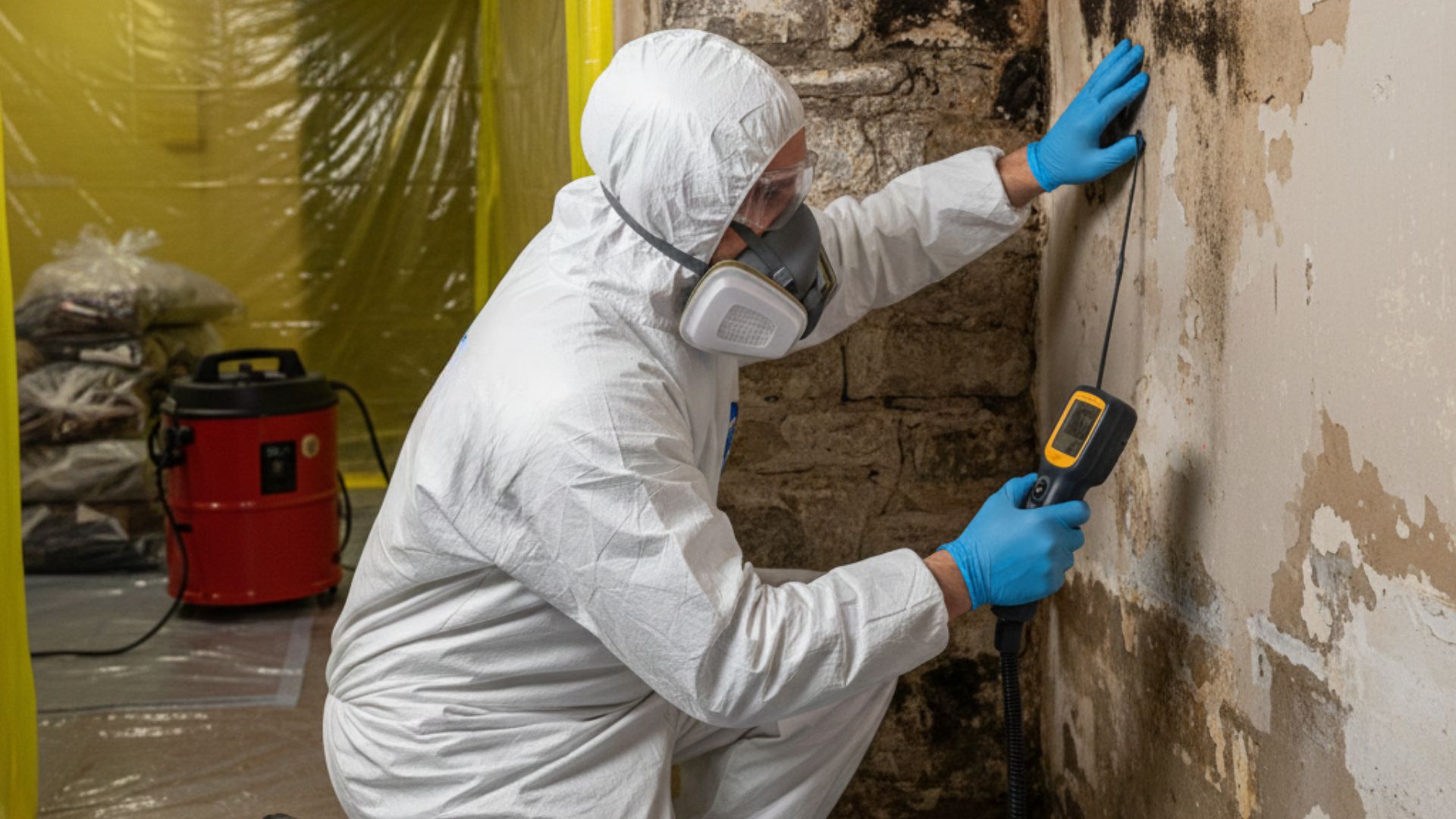
A thorough inspection begins with a visual survey of all moisture-prone areas, including basements, crawl spaces, attics, bathrooms, kitchens, and around windows and doors. Inspectors use moisture meters to measure water content in walls, floors, and ceilings, and thermal cameras to detect hidden moisture patterns. When appropriate, air sampling measures spore concentrations in different areas of the home, comparing indoor levels to outdoor baselines to identify elevated counts. Surface sampling of visible growth can confirm the specific type of mold present and help guide remediation strategies.
A written report should summarize inspection areas, observed mold conditions, moisture findings, and recommended corrective steps. For insurance claims or legal documentation, detailed photos, moisture readings, and lab results provide the evidence needed to support your case.
What to Expect During Professional Black Mold Removal
Understanding the step-by-step process helps homeowners prepare and know what to look for when choosing a remediation company.
Initial Inspection and Containment Setup
A certified inspector evaluates the extent of mold growth, identifies moisture sources, and assesses affected building materials. This includes checking basements for seepage, attics for roof leaks, bathrooms for plumbing issues, and HVAC systems for condensation or contamination. Tools like moisture meters, thermal cameras, and air or surface sampling provide a comprehensive picture of conditions.
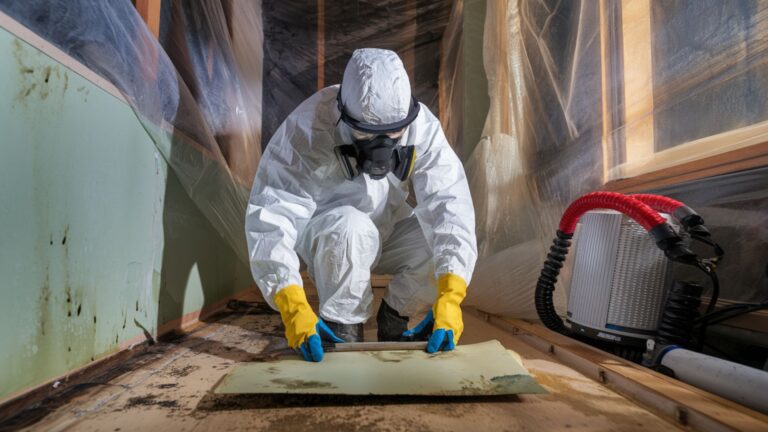
Once the scope is clear, technicians isolate the work area with plastic sheeting sealed at seams to prevent spores from migrating into clean spaces. Negative air machines create lower pressure in the containment zone, pulling air out through HEPA filters and preventing contaminated air from escaping. Workers wear appropriate personal protective equipment, including respirators, gloves, and protective suits. HEPA air scrubbers run continuously during the project to capture airborne spores and particles.
Material Removal and Cleaning
Severely contaminated porous materials such as drywall, insulation, carpets, and ceiling tiles in basements or other affected areas are cut out and removed according to industry standards. Non-salvageable items are bagged and disposed of properly to prevent spores from spreading. Remaining surfaces, including framing, concrete, and hard finishes, are cleaned using HEPA vacuuming to capture settled spores, followed by damp wiping with appropriate cleaning agents to remove residual mold.
Some companies use EPA-registered, low-toxicity antimicrobial products to help prevent regrowth on cleaned surfaces. The goal is to remove mold contamination thoroughly, reaching into cracks, crevices, and porous surfaces where spores may settle, while avoiding harsh chemicals that could pose additional health risks.
Drying, Moisture Fixes, and Verification
After cleaning, the area must be dried completely using dehumidifiers, air movers, and proper ventilation. Moisture readings are taken to confirm materials are dry before reconstruction begins. Effective remediation companies pair mold removal with solutions to the underlying moisture problem. This may include basement waterproofing, installing or repairing sump pumps, improving exterior drainage with French drains or regrading, sealing foundation cracks, upgrading ventilation systems, and replacing damaged plumbing or roofing.
New Jersey guidance underscores that simply cleaning mold without correcting leaks, seepage, or humidity will almost certainly lead to recurring problems. A final inspection checks that mold-contaminated materials have been removed, surfaces are clean, and moisture is controlled. Some projects include third-party clearance testing or documentation for homeowners and insurers to show that conditions have been corrected and the space is safe for reoccupation.
Preventive Steps for Mold-Free Princeton Homes
Preventing black mold in Princeton starts with controlling moisture and maintaining proper ventilation year-round.
Daily Humidity and Ventilation Habits
Keep indoor relative humidity between 30% and 50% using dehumidifiers, especially in basements and during humid New Jersey summers. Monitor humidity levels with a simple hygrometer and adjust dehumidifier settings as needed. Use exhaust fans in bathrooms during showers and for at least 15 minutes afterward to remove moisture. Run kitchen exhaust fans when cooking or washing dishes to vent steam outside. Avoid blocking airflow around foundation walls, HVAC registers, and equipment, and ensure attics and crawl spaces have adequate ventilation to prevent trapped humidity.
Dry wet materials and surfaces promptly. Spills, leaks, or condensation should be wiped up within 24 hours to prevent mold colonization. If flooding occurs, dry affected areas as quickly as possible using fans, dehumidifiers, and professional water extraction services if needed.
Seasonal Maintenance Upgrades
Inspect and clean gutters and downspouts at least twice a year, ensuring they discharge water at least 5 to 10 feet away from the foundation. Check grading around the home and add soil or adjust landscaping to slope away from the basement walls. Seal foundation cracks with hydraulic cement or polyurethane sealants to prevent seepage. Inspect roofs, flashing, and attic ventilation annually, repairing missing shingles, damaged flashing, or blocked vents before leaks develop.
Test sump pumps before heavy rain seasons to confirm they are working properly, and consider a battery backup system to prevent basement flooding during power outages. In finished basements, avoid installing carpet directly on concrete floors. Instead, use moisture-resistant flooring options like vinyl plank or ceramic tile. If you must use carpeting, install a vapor barrier and choose mold-resistant padding.
Consider mold-resistant drywall and paints for basements, bathrooms, and other moisture-prone areas. These products can slow mold growth if minor moisture issues occur but are not substitutes for proper moisture control and maintenance.
Common Mistakes Homeowners Make with Black Mold Removal
Avoiding these pitfalls can save time, money, and health problems down the road.
Many homeowners rely on bleach as a “mold killer,” but bleach only removes surface staining on non-porous materials and does not penetrate porous surfaces like drywall or wood to kill mold roots. Bleach also releases harsh fumes that can irritate lungs and eyes, and it loses effectiveness when diluted or applied to organic materials. Professional remediation focuses on physically removing mold and contaminated materials rather than trying to kill it in place.
Ignoring the moisture source is the biggest mistake. Cleaning visible mold without fixing the leak, seepage, or humidity problem guarantees that mold will return. Effective remediation always includes moisture control as a primary step, whether that means repairing plumbing, waterproofing basements, or improving ventilation.
Skipping containment during DIY cleanup allows spores to spread throughout the home, contaminating previously clean areas and potentially worsening health symptoms. Even small projects benefit from basic containment like closing doors, using plastic sheeting, and running a fan to vent air outside.
Trusting unproven “mold killer” sprays or foggers without removing contaminated materials leaves dead mold fragments in place, which can still trigger allergic reactions and respiratory irritation. Proper remediation requires physical removal and cleaning, not just chemical treatment.
Delaying professional help until health symptoms worsen or structural damage becomes severe increases costs and risks. Early intervention when mold is localized and materials are salvageable, is far more affordable and effective than waiting until widespread contamination requires extensive demolition and reconstruction.
Building Mold-Free Living into Long-Term Home Planning
Integrating mold prevention into home maintenance and renovation plans helps Princeton homeowners avoid costly emergencies and protect their investment.
When planning basement renovations or finishing lower-level spaces, budget for proper waterproofing, vapor barriers, and moisture-resistant materials from the start. Installing a sump pump, interior or exterior drainage systems, and dehumidification equipment before finishing prevents future mold problems and protects the value of your improvements.
Schedule annual or seasonal inspections of basements, crawl spaces, attics, and plumbing systems to catch minor moisture issues before they escalate. Many homeowners coordinate these checks with spring and fall gutter cleaning or HVAC maintenance, creating a routine that keeps mold risks low.
If you live in an older Princeton home, consider a comprehensive moisture assessment that evaluates foundation integrity, drainage, ventilation, and potential upgrade paths. Investing in targeted improvements like exterior waterproofing, improved grading, or upgraded ventilation pays dividends by preventing chronic mold issues and reducing the need for repeated remediation.
For landlords and property managers, proactive mold prevention and timely response to tenant reports of moisture or odors are essential to comply with New Jersey’s habitability standards and avoid disputes, legal issues, or loss of rental income due to uninhabitable conditions.
Frequently Asked Questions About Black Mold Removal in Princeton, NJ
Q: Can I clean small black mold spots myself in Princeton?
A: Yes, if the affected area is less than 10 square feet on a hard, non-porous surface like tile or metal, and you can fix the moisture source and dry the area completely. Use a detergent solution, scrub thoroughly, and dry the surface. If mold covers porous materials like drywall, insulation, or carpeting, appears in multiple locations, or returns after cleaning, call a professional to assess the situation and address the underlying moisture problem.
Q: How much does black mold removal cost in Princeton, NJ?
A: Costs typically range from $500 to $6,000 or more, depending on the size of the affected area, the extent of contamination, and the necessary moisture repairs. Small, localized projects may cost a few hundred dollars, while extensive basement or whole-house remediation with waterproofing, structural repairs, and verification testing can run several thousand dollars. Many homeowners’ insurance policies cover mold remediation if it results from a sudden, accidental water event like a burst pipe, so check your policy and document the damage for potential claims.
Q: Is all black mold toxic in NJ homes?
A: Not all black-colored mold is Stachybotrys chartarum, and not all Stachybotrys produces high levels of mycotoxins. However, any indoor mold can cause respiratory irritation, allergic reactions, and other health symptoms in sensitive individuals. The safest approach is to remove all indoor mold growth regardless of type, fix the moisture source, and maintain dry, well-ventilated spaces. If you’re concerned about the specific type of mold in your home, professional testing can identify the species and guide appropriate remediation.
Q: Do I need a permit for mold remediation in Princeton?
A: New Jersey does not currently have a statewide mold remediation license requirement, but large remediation projects that involve significant structural repairs, electrical work, or plumbing may require building permits from local authorities. Check with Princeton’s building department to determine whether your project needs permits, and ensure any contractor you hire follows New Jersey Department of Health guidelines for safe mold cleanup and moisture control.
Q: How do I prevent black mold in my Princeton basement?
A: Keep basement humidity below 50% using dehumidifiers, seal foundation cracks and install proper drainage to prevent seepage, maintain gutters and downspouts to direct water away from the foundation, use exhaust fans and improve ventilation to reduce condensation, avoid storing water-sensitive items directly on basement floors, and inspect basements annually for signs of moisture intrusion or early mold growth. Address leaks, dampness, or drainage problems promptly before mold has a chance to establish.
Final Thoughts
Proper black mold removal in Princeton, NJ, requires more than wiping down walls or spraying cleaners. It demands a comprehensive approach that includes professional inspection to identify the full extent of contamination, effective containment to prevent spores from spreading, thorough removal of affected materials, and, most importantly, fixing the underlying moisture problem that allowed mold to grow in the first place. Whether you’re dealing with a small patch in a bathroom or extensive basement contamination, following New Jersey Department of Health guidelines and industry best practices protects your family’s health, preserves your home’s structural integrity, and prevents costly regrowth cycles.
By choosing trained remediation professionals who understand Princeton’s unique climate challenges, older housing stock, and local moisture risks, you ensure the job is done right the first time. Combining expert mold removal with proactive prevention strategies like humidity control, improved drainage, and regular maintenance creates a safe, healthy living environment that stands up to New Jersey’s humid summers and wet weather patterns for years to come.
ExecPro Restoration & Cleaning brings the expertise, equipment, and local knowledge Princeton homeowners need to handle black mold removal safely and effectively. Our team follows industry-leading standards for containment, HEPA filtration, and moisture control, and we work closely with you to address the root cause of mold growth, not just the visible symptoms. Whether you’re facing a basement moisture problem, post-flood contamination, or hidden mold behind walls, we provide thorough inspections, transparent remediation plans, and follow-through to restore your home to a healthy, mold-free state. Contact ExecPro Restoration & Cleaning today for a free inspection and take the first step toward protecting your Princeton home and family from the risks of black mold.