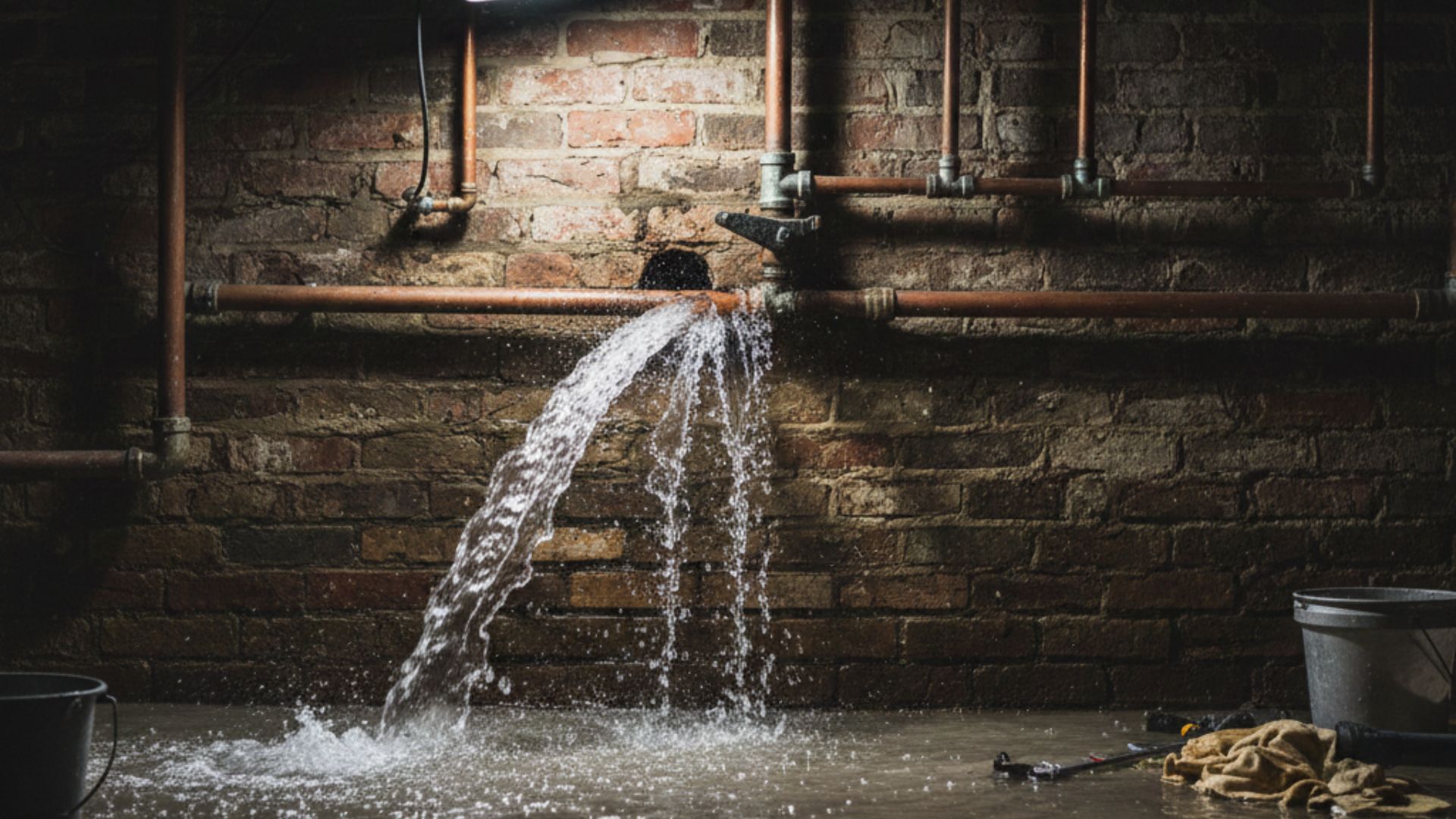
You’re relaxing on a quiet winter evening when you hear it: a sudden hissing sound from the basement, followed by the unmistakable rush of water where it shouldn’t be. Within minutes, a burst pipe can dump gallons of water into your Princeton home, soaking floors, saturating drywall, and creating the perfect conditions for mold growth in spaces you can’t even see. The damage doesn’t stop when the water stops flowing.
In New Jersey’s humid climate, moisture trapped in walls, insulation, or crawl spaces can trigger mold colonies in as little as 24 to 48 hours, turning what started as a plumbing emergency into a health hazard and an insurance headache. The good news is that knowing exactly what to do in those critical first minutes can mean the difference between a manageable repair and thousands of dollars in structural damage, mold remediation, and claim denials.
Whether you’re dealing with frozen pipes in a historic Princeton home or a sudden rupture in a newer build, the steps you take right now will determine how quickly your home recovers and how much you’ll pay in the end.
Key Takeaways
- Shut off water and power immediately: The main water valve and electrical breakers should be your first stop to prevent escalating damage and safety hazards
- Document everything for insurance: Photos and videos of the burst pipe, water damage, and affected belongings are necessary for successful claims in New Jersey
- Start drying within hours: Fans, dehumidifiers, and professional extraction prevent mold from taking hold in Princeton’s humid conditions
- Watch for mold growth closely: Spores can germinate on wet surfaces within 24 to 48 hours, especially in basements and attics
- Understand your coverage: New Jersey homeowners’ insurance typically covers sudden pipe bursts, but may deny claims if you didn’t maintain heat or respond promptly
- Prevent future incidents: Insulating pipes, maintaining indoor temperatures above 55°F, and letting faucets drip during freezing weather can save you from repeat disasters
Why Burst Pipes Strike Princeton Homes
Princeton sits in a region where winter temperatures can swing dramatically, creating the perfect storm for pipe failures. When water inside a pipe freezes, it expands with enough force to crack copper, PEX, or galvanized lines. As temperatures rise and the ice thaws, water escapes under pressure, often flooding spaces you won’t notice until significant damage has occurred. This freeze-thaw cycle is especially destructive in New Jersey, where a cold snap can push temperatures into the teens overnight, only to climb back above freezing during the day.
Older homes in Princeton face additional risk factors. Many properties built 50 or more years ago have plumbing that wasn’t designed with modern insulation standards in mind. Pipes run through exterior walls, unheated attics, or poorly insulated basements, all of which become vulnerable spots during sustained cold weather. Even newer construction isn’t immune if pipes near garage walls, crawl spaces, or under-sink cabinets lack proper protection from winter’s bite.
The combination of aging infrastructure and New Jersey’s variable climate means Princeton homeowners need to stay alert during the winter months. A single night of sub-20°F temperatures can turn a small leak into a major flood, especially if pipes have already weakened from corrosion or previous freezing incidents.
Common Burst Locations
Certain areas of your Princeton home are more prone to pipe bursts than others. Exterior walls are prime targets because the pipes inside them sit closer to outdoor temperatures. Kitchen and bathroom plumbing that runs along outside-facing walls can freeze overnight, especially if cabinets block warm air from reaching the pipes. Attics and crawl spaces also rank high on the list because they typically lack consistent heating, and any pipes running through these areas are exposed to whatever cold air seeps in through vents or gaps in insulation.
Basements in older Princeton homes often have sections of exposed piping that were never meant to endure prolonged freezing. If your basement is unfinished or partially finished, pipes along the foundation or near cellar doors are especially vulnerable. Even in heated basements, corners, or utility rooms that don’t receive much airflow can drop below safe temperatures during extreme cold snaps.
Garages present another weak spot. Pipes that supply outdoor spigots or run through garage walls can freeze quickly if you park a cold car inside or leave the garage door open during a freeze. Once a pipe bursts in any of these locations, water can flow for hours before you notice, saturating insulation, drywall, and structural framing in ways that invite mold growth and costly repairs.
Triggers for Burst Pipe Emergencies
Understanding what causes pipes to burst in the first place can help you recognize warning signs and take action before disaster strikes. The most common trigger is a sudden drop in outdoor temperature combined with inadequate insulation or heating. When Princeton experiences a cold front that pushes temperatures below 20°F for several hours, any pipe without proper protection can freeze and rupture. This risk increases if you’ve turned down the heat while away from home or if certain rooms in your house don’t receive consistent warmth.
Neglected maintenance plays a role as well. Pipes that have been leaking slowly over time may develop weak spots that fail during a freeze. Corrosion in older galvanized or copper lines reduces their ability to withstand pressure changes, making them more likely to crack when water expands. Sudden pressure surges, such as those caused by a water hammer or a malfunctioning pressure regulator, can also push a weakened pipe past its breaking point.
Weather-related triggers aren’t limited to winter. Spring thaws can cause pipes that froze during a cold snap to burst as the ice melts and pressure builds. Even a poorly timed power outage during freezing weather can shut down your heating system long enough for pipes to freeze, especially in basements or attics that rely on central heating to stay warm.
Winter Freeze Risks
New Jersey winters can be unpredictable, but certain conditions reliably increase the risk of frozen pipes. When outdoor temperatures drop below 20°F and stay there for six hours or more, unprotected pipes can freeze solid. The risk climbs even higher if wind chill drives the effective temperature lower or if your home’s insulation has gaps that let cold air reach plumbing lines. Pipes in exterior walls, under sinks near outside walls, and in unheated spaces like garages or crawl spaces are the first to freeze.
Homes left unoccupied during winter face the greatest danger. If you travel for the holidays or keep a vacation property in Princeton, a heating system failure or thermostat set too low can allow pipes to freeze while you’re away. By the time you return or a neighbor notices water damage, days or even weeks of flooding may have occurred, creating extensive water damage and mold growth throughout the property.
Even occupied homes aren’t safe if homeowners don’t take preventive steps. Forgetting to let faucets drip during an overnight freeze, closing off heat vents to save energy, or neglecting to insulate pipes in the attic can all lead to burst pipes. Once a pipe freezes, the expanding ice can crack the line in multiple places, meaning you may face several leaks when the thaw arrives.
Aging Infrastructure Issues
Princeton’s housing stock includes many homes built decades ago, and older plumbing systems come with their own set of challenges. Galvanized steel pipes, common in homes built before the 1960s, corrode from the inside out over time. As rust builds up, the pipe walls thin and become brittle, making them more susceptible to bursting under the stress of freezing water or pressure fluctuations. Copper pipes, while more durable, can still develop pinhole leaks or stress cracks after years of expansion and contraction.
Homes over 50 years old may also have plumbing layouts that don’t meet modern standards for freeze protection. Pipes may run through uninsulated exterior walls, along the perimeter of basements, or through crawl spaces without any heat source nearby. Retrofitting these systems with insulation or heat tape can reduce risk, but many homeowners don’t realize they have a problem until a pipe bursts during the first hard freeze of the season.
Pressure surges add another layer of stress to aging pipes. If your home has a water pressure regulator that’s failing or if municipal water pressure spikes unexpectedly, the sudden increase in force can cause a weak spot in an old pipe to give way. Combining this with freezing temperatures creates a scenario where even a small amount of ice expansion can push a corroded pipe to its limit.
Impacts by Damage Stage
When a pipe bursts in your Princeton home, the damage unfolds in stages. Understanding what happens at each stage can help you prioritize your response and minimize long-term harm. The initial flooding is obvious and dramatic, but the hidden saturation and secondary effects often cause the most expensive and dangerous problems. Each stage requires a different approach, and delays in addressing any one of them can multiply the total cost of recovery.
Water damage doesn’t stop when you shut off the main valve. Even after the visible flooding ends, moisture continues to wick through porous materials like drywall, insulation, and wood framing. This hidden saturation creates the perfect environment for mold spores to germinate and spread. Within 24 to 48 hours, what started as a plumbing problem can become a mold problem, and within a week, structural damage may begin to appear as wood swells, warps, or rots.
The health and safety impacts escalate as damage progresses. Standing water poses slip hazards and can hide electrical dangers if outlets or wiring are submerged. Once mold takes hold, airborne spores can trigger respiratory issues, allergic reactions, and other health problems, especially in children, elderly residents, or anyone with asthma or immune system concerns. Addressing each stage promptly keeps the damage contained and your family safe.
Initial Flooding Effects
The moment a pipe bursts, water begins flowing at a rate that can range from a slow trickle to several gallons per minute, depending on the size of the rupture and the water pressure in the line. In a matter of minutes, hundreds of gallons can soak floors, carpets, and furniture. Drywall and insulation begin absorbing water immediately, and if the burst happens in an upper floor or attic, water can cascade down through ceilings and walls into the rooms below.
Electrical hazards spike during the initial flooding phase. Water flowing across floors can reach outlets, power strips, or appliances, creating the risk of shock or short circuits. If the burst occurs near your electrical panel or in a basement where wiring runs along the walls, the danger increases significantly. This is why shutting off power to affected areas is such a high priority in the first few minutes after discovering a burst pipe.
Furniture, electronics, and personal belongings can suffer irreversible damage in this stage. Water-soaked wood swells and splits, upholstery develops stains and odors, and electronics short out if they come into contact with moisture. Acting quickly to remove valuables from the flood zone can save items that insurance might not fully cover, especially if they have sentimental or irreplaceable value.
Hidden Saturation Dangers
Once the immediate flooding is under control, the real challenge begins with moisture that has soaked into materials you can’t easily see or reach. Drywall acts like a sponge, pulling water upward through capillary action and spreading it far beyond the area where flooding was visible. Insulation in walls and ceilings can hold moisture for weeks, and if it’s not removed or dried properly, it becomes a breeding ground for mold spores.
Water that seeps into crawl spaces, behind baseboards, or under flooring can remain undetected until mold odors or visible stains appear. In Princeton’s humid climate, this hidden moisture rarely dries on its own, especially during cooler months when ventilation is limited. Without professional drying equipment like dehumidifiers, air movers, and moisture meters, it’s nearly impossible to know when affected areas are truly dry.
The timeline for mold growth makes hidden saturation especially dangerous. Spores can begin germinating within 24 to 48 hours on damp surfaces, and within three to 12 days, visible colonies can appear on drywall, wood framing, or carpet padding. Once mold establishes itself, simple drying won’t solve the problem. You’ll need professional remediation to remove contaminated materials and treat affected areas with antimicrobial solutions.
Structural and Health Toll
If water damage and hidden saturation aren’t addressed promptly, the structural integrity of your Princeton home can begin to deteriorate. Wood framing that stays wet for more than a few days starts to warp, and over time, it can rot or develop fungal decay that weakens joists, studs, and support beams. Flooring materials like hardwood, laminate, or engineered wood can buckle, cup, or separate at the seams, requiring complete replacement.
Mold colonies that grow in wall cavities, attics, or crawl spaces release spores into the air, which circulate through your home’s HVAC system and settle in living areas. Prolonged exposure to mold spores can cause a range of health issues, from mild allergic reactions like sneezing and itchy eyes to more serious respiratory problems, especially in people with asthma or weakened immune systems. Children and elderly residents are particularly vulnerable to these effects.
The financial toll of structural and health damage can far exceed the cost of the initial pipe repair. Insurance may cover some of these expenses if you can prove prompt mitigation, but delays in drying or failing to address mold growth can lead to claim denials. Beyond the direct costs, there’s also the stress and disruption of living in a home undergoing major remediation work, which can take weeks or even months if the damage is severe.
Ties to Safety and Insurance in NJ
Navigating the aftermath of a burst pipe isn’t just about fixing the plumbing and drying out your home. It also involves understanding how your actions affect your insurance coverage and whether you’re meeting the safety protocols that protect you and your family. New Jersey homeowners’ insurance policies typically cover sudden and accidental water damage, but insurers expect you to take reasonable steps to prevent damage and to mitigate it once it occurs. Failing to shut off the water quickly, delaying the drying process, or neglecting to maintain heat during a freeze can all give your insurer grounds to reduce or deny your claim.
Safety protocols are equally important, especially in the first hours after a burst. Water and electricity create a deadly combination, so turning off power to affected areas isn’t optional. If you’re dealing with standing water near outlets, appliances, or your electrical panel, you need to treat the area as a hazard zone until a professional can assess it. For contaminated water, such as from a sewer backup, personal protective equipment like gloves and masks becomes necessary to avoid exposure to bacteria or other pathogens.
Documentation ties everything together. Photos, videos, and written records of the damage, your emergency response, and all repair or mitigation work create a paper trail that insurers use to evaluate your claim. Without this documentation, you may struggle to prove that you acted promptly or that the damage was as severe as you claimed, which can lead to disputes over payouts or coverage.
NJ Policy Coverage Rules
Most standard homeowners’ insurance policies in New Jersey cover water damage from burst pipes as long as the burst was sudden and accidental. This means that if a pipe freezes during a cold snap and ruptures, causing flooding, your policy will typically pay for water extraction, drying, mold remediation if caught early, and repairs to damaged walls, floors, and ceilings. However, coverage doesn’t extend to situations that insurers consider preventable, such as a burst that occurs because you left your home unheated during winter or ignored a known leak for weeks or months.
Policies also make a distinction between the cause of the damage and the resulting repairs. For example, if a pipe bursts due to freezing, your insurer may cover the cost of drying and repairing your home, but won’t necessarily pay to replace the entire plumbing system if it’s old or corroded. Similarly, if mold develops because you delayed drying or didn’t notify your insurer promptly, they may deny coverage for remediation, arguing that the mold was preventable.
Understanding your specific policy is critical. Some policies have sublimits on mold remediation, meaning they’ll only pay up to a certain amount for mold-related work, even if the total cost is higher. Others may require you to use specific contractors or follow certain procedures to qualify for full coverage. Reading your policy documents and calling your insurer immediately after a burst can help you avoid costly mistakes.
Health and Safety Protocols
The first rule of safety after a burst pipe is to treat water and electricity as incompatible. Before stepping into standing water, make sure the power is off to that area of your home. If you can’t reach the breaker panel safely, call an electrician or emergency responder to help. Water can conduct electricity across floors and through walls, so even if you don’t see sparks or hear buzzing, the risk of shock is real.
If the burst pipe has released sewage or contaminated water, the health risks multiply. Sewage contains bacteria, viruses, and other pathogens that can cause serious illness if you come into contact with them. In these cases, you should avoid entering the affected area without proper protective equipment like waterproof boots, gloves, and a respirator. Professional restoration companies have the training and equipment to handle contaminated water safely, and they can ensure that your home is decontaminated and sanitized properly.
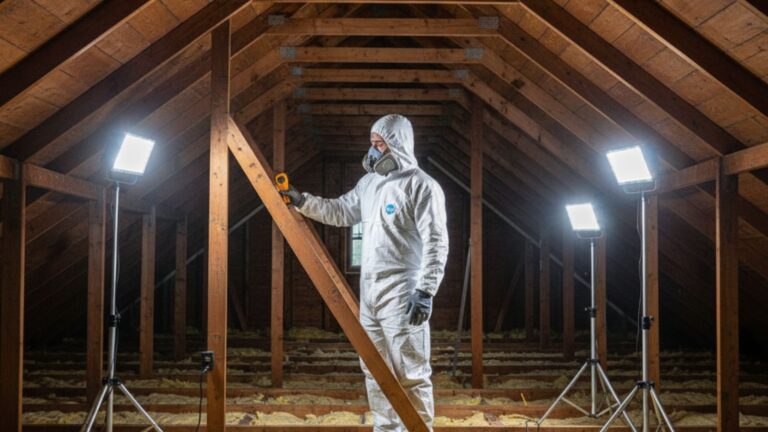
Air quality is another concern, especially once drying begins. Mold spores, dust, and airborne particles can all circulate through your home during the drying and cleanup process. Using HEPA-filtered air scrubbers and keeping windows open when weather permits can help maintain safe air quality. If you or anyone in your household starts experiencing respiratory symptoms, headaches, or other health issues during cleanup, it’s worth consulting a doctor and possibly pausing work until air quality improves.
Site-Specific Response Adjustments
Not all Princeton homes are built the same, and the specific characteristics of your property will influence how you respond to a burst pipe. A single-story ranch with a slab foundation requires a different approach than a multi-level colonial with a basement and attic. Older homes may have materials like plaster walls or asbestos insulation that require specialized handling, while newer construction might include water-resistant drywall or modern drainage systems that simplify cleanup.
Location within the home also matters. A burst pipe in a finished basement with carpeting and drywall demands immediate professional water extraction and mold prevention, while a burst in an unfinished utility room may be easier to dry with fans and dehumidifiers. Upper-floor bursts can be especially damaging because water flows downward, affecting multiple levels and often requiring extensive drywall removal to reach hidden moisture.
Adapting your response to your home’s unique features helps you avoid mistakes that could worsen damage or delay recovery. For example, cutting into walls to access wet insulation might be straightforward in a modern home with standardized framing, but in a historic Princeton property, you may need to hire a contractor experienced in preserving original plaster or avoiding lead paint hazards.
Basements vs Upper Floors
Basements are common sites for burst pipes in Princeton homes, especially in older properties where plumbing runs along foundation walls or through unheated utility areas. When a pipe bursts in a basement, standing water can accumulate quickly, and if your sump pump isn’t functioning or becomes overwhelmed, flooding can reach several inches deep. Pumping out standing water is the first priority, followed by drying out concrete floors, foundation walls, and any finished spaces like rec rooms or bedrooms.
Basement bursts also come with the added risk of sewer backup if drains become overwhelmed. In these cases, the water may be contaminated, requiring professional sanitation and disinfection. Moisture in basements is particularly stubborn because concrete and block walls hold water for extended periods, and without proper dehumidification, mold can take hold in wall cavities, carpet padding, or stored items.
Upper-floor bursts, such as those in bathrooms, attics, or second-story bedrooms, present a different challenge. Water from these leaks flows downward through ceilings and walls, often traveling through hidden channels before emerging in a room below. This makes it difficult to pinpoint the full extent of the damage without professional moisture mapping. Ceiling drywall that’s been soaked may need to be removed entirely to access wet insulation and framing, and electrical wiring in affected walls should be inspected before power is restored.
Older vs Newer Homes
Historic Princeton homes, some dating back a century or more, have unique construction materials and layouts that complicate burst pipe recovery. Plaster walls, for example, don’t dry as quickly as modern drywall, and they’re more prone to cracking or crumbling when saturated. If your home has plaster, you’ll need to be careful about how much water you remove and how aggressively you dry the area to avoid damaging these irreplaceable finishes.
Older homes may also contain hazardous materials like asbestos in insulation or pipe wrapping, or lead paint on walls and trim. If you need to cut into walls or remove damaged materials, it’s important to have these substances tested first and to hire certified professionals to handle removal if they’re present. Disturbing asbestos or lead without proper precautions can create serious health risks and may violate local regulations.
Newer construction often includes water-resistant drywall in bathrooms and basements, which can limit damage if a pipe bursts in those areas. Modern homes may also have better drainage systems, moisture barriers, and HVAC systems that support faster drying. However, newer doesn’t always mean safer. Homes built in the last few decades may have PEX or polybutylene pipes that can fail unexpectedly, especially if they weren’t installed correctly or have been exposed to high water temperatures over time.
Picking Optimal Response Timing
Time is your most valuable resource when dealing with a burst pipe. The faster you act, the less water damage you’ll face, the lower your mold risk, and the stronger your insurance claim. But speed doesn’t mean rushing through steps carelessly. You need to balance urgency with thoroughness, especially in those first critical hours when mistakes can turn a manageable situation into a disaster.
The first hour after discovering a burst is when you have the most control over the outcome. Shutting off the water, cutting power to affected areas, and calling a professional plumber or restoration company can stop the damage from escalating. Waiting even a few hours to take these steps can mean the difference between drying out a single room and dealing with water damage across multiple levels of your home.
Beyond the immediate response, the days following a burst are when hidden damage either becomes a problem or gets addressed before it worsens. Monitoring moisture levels, keeping an eye out for mold growth, and following up with thorough inspections ensures that nothing gets overlooked. This is also the window when insurance adjusters will be most interested in seeing your documentation and mitigation efforts, so staying organized and proactive pays off.
First-Hour Priorities
Within the first five to ten minutes of discovering a burst pipe, your top priority is stopping the flow of water. Locate your main water shutoff valve, which is typically near the water meter or where the main line enters your home, and turn it clockwise until it’s fully closed. This cuts off water to the entire house and stops the burst from releasing more gallons into your living space. If you’re not sure where the valve is located, check your basement, crawl space, or utility room, and consider labeling it now so you don’t have to search during a future emergency.
Next, turn off the power to the affected area at your electrical breaker panel. If water is near outlets, switches, or appliances, shut off the breakers for those circuits. If you’re dealing with standing water near the panel itself, don’t attempt to access it. Instead, call an electrician or emergency services for help. Safety comes first, and you can’t afford to risk electrocution in an effort to save furniture or belongings.
Once water and power are off, call a 24/7 emergency plumber to repair the burst and a water damage restoration company if the flooding is significant. Many Princeton-area services offer same-day response, and the sooner they arrive, the sooner they can begin extracting water and setting up drying equipment. While you wait, start moving valuables and furniture out of the flood zone, and use towels, mops, or a wet/dry vacuum to remove as much standing water as you can safely reach.
Monitoring Tools
After the initial emergency response, monitoring tools become your best allies in ensuring that your home dries completely and that no hidden moisture remains. Moisture meters are handheld devices that can measure the water content in drywall, wood, and other materials. Professional restoration companies use industrial-grade meters to map out moisture levels throughout affected areas, but homeowners can purchase basic models for a few dozen dollars to track drying progress on their own.
Hygrometers measure humidity levels in the air, which is another key indicator of drying success. Ideally, indoor humidity should stay below 60 percent to prevent mold growth, and professional drying aims for levels closer to 30 to 50 percent. If humidity stays high even after several days of running dehumidifiers and fans, it’s a sign that moisture is still evaporating from materials and that more drying time is needed.
Temperature monitoring can also play a role, especially if you’re dealing with a burst pipe that occurred during freezing weather. Keeping indoor temperatures consistent and above 55°F helps prevent refreezing and supports faster evaporation of moisture. Some homeowners use smart thermostats or temperature sensors to monitor multiple rooms and ensure that heat is reaching all the areas that need it.
Booking Strategies
When booking professional help for a burst pipe, timing and coordination can make a big difference in how smoothly the process unfolds. If you call a plumber and a separate water damage restoration company, make sure they communicate with each other about the scope of work. Some restoration companies offer plumbing services as part of their emergency response, which can streamline the process and reduce the number of contractors you need to manage.
For insurance purposes, it’s often helpful to have the restoration company document the damage and provide an estimate as part of your claim. Many companies work directly with insurers and can submit documentation on your behalf, which speeds up the claims process and reduces the back-and-forth. Ask whether the company you’re considering has experience with New Jersey homeowners’ policies and whether they can assist with insurance paperwork.
Bundling services, such as plumbing repair, water extraction, drying, and mold prevention, can also save you time and money. Look for companies that offer comprehensive emergency response and that can handle the entire project from start to finish. This reduces the risk of delays or miscommunication between contractors and ensures that all aspects of the recovery are coordinated under one team.
Step-by-Step Burst Pipe Response
Having a clear, step-by-step plan for responding to a burst pipe takes the guesswork out of a stressful situation and helps you act quickly and effectively. Each stage of the response builds on the previous one, and skipping steps or rushing through them can lead to incomplete drying, missed damage, or insurance complications. The process outlined below covers everything from the moment you discover the burst through final inspections and mold prevention.
This structured approach is designed to work for most Princeton homeowners, but remember that every situation is unique. If your burst involves contaminated water, extensive structural damage, or hazardous materials, you may need to adapt these steps or call in additional specialists. The key is to stay focused on safety first, then damage control, and finally long-term prevention.
Following this process also creates the documentation trail you need for insurance claims. Each step generates evidence, photos, receipts, or reports that prove you acted promptly and reasonably to mitigate damage, which is exactly what insurers look for when evaluating coverage.
Emergency Shutdown
The moment you discover a burst pipe, head straight for your main water shutoff valve. Turn it clockwise until it stops, which will cut off water to the entire house and stop the flow from the burst. If you have a newer home with quarter-turn ball valves, a 90-degree turn is all it takes. Older homes may have gate valves that require several full rotations, so be patient and make sure it’s fully closed.
Next, go to your electrical breaker panel and turn off power to any rooms or circuits affected by water. If you’re not sure which breakers control which areas, it’s safer to shut off multiple circuits than to leave power on in a flooded space. If the breaker panel is in a wet area or you can’t reach it safely, do not attempt to access it. Call an electrician or emergency responder instead.
Once water and power are off, open faucets throughout the house to drain remaining water from the pipes. Start with the lowest level of your home and work your way up. Run cold water until it stops flowing, and flush toilets to empty the tank and bowl. This step reduces pressure in the system and drains any water that’s still sitting in the lines, which can help prevent additional leaks or bursts as the system cools or heats.
Damage Extraction
With the water shut off and power turned off, you can begin removing standing water and assessing the extent of the damage. If you have a wet/dry vacuum, use it to pull up water from floors, carpets, and any other accessible areas. For larger amounts of standing water, especially in basements, a sump pump or submersible pump may be necessary. If you don’t own one, many hardware stores rent them, or you can call a water damage restoration company to handle extraction with professional equipment.
As you remove water, place towels, mops, or absorbent pads in areas where water is still pooling. Move furniture, rugs, and other belongings out of the wet zone to prevent further damage. If upholstery or mattresses are soaked, they may need to be discarded, as they’re difficult to dry completely and can harbor mold. Electronics that have come into contact with water should be unplugged and left to dry completely before attempting to power them on.
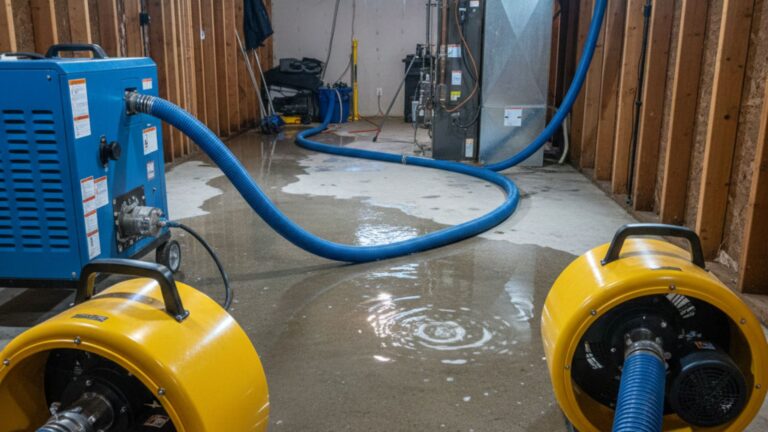
Position fans to create airflow across wet surfaces, and if you have access to dehumidifiers, set them up in affected rooms. Open windows if the weather permits, but be cautious about introducing humid outdoor air, especially during New Jersey’s muggy summer months. The goal is to reduce moisture levels as quickly as possible, and professional air movers or industrial dehumidifiers are far more effective than household fans alone.
Inspection Phase
Once the immediate water is under control and drying has begun, it’s time to inspect for hidden damage. This is where moisture meters and thermal imaging cameras come in. Professionals use these tools to identify areas where water has soaked into walls, ceilings, or floors, even if there’s no visible staining. If you don’t have access to this equipment, look for signs like discoloration, bubbling paint, warped baseboards, or soft spots in drywall.
Check behind furniture, inside cabinets, and in closets where water may have flowed but isn’t immediately obvious. In basements, inspect around the foundation, near sump pits, and along the perimeter walls. In attics, look for drips or stains on the underside of the roof deck or insulation. If the burst occurred on an upper floor, trace the path of water downward through ceilings and wall cavities.
Document everything with photos and videos, including close-ups of the burst pipe, wide shots of flooded areas, and detailed views of any damaged materials. These images will be critical for your insurance claim, and they also provide a baseline for tracking the drying process. Note the time and date on each image, and consider keeping a written log of your actions, including when you shut off the water, when you called professionals, and when drying equipment was set up.
Enhancing Post-Burst Protection
Once the immediate crisis is under control, your focus shifts to making sure the damage doesn’t return or worsen over time. Enhancing your post-burst protection involves choosing the right drying equipment, implementing mold prevention strategies, and taking steps to prevent future pipe bursts. These choices can mean the difference between a one-time incident and a recurring nightmare of water damage, mold outbreaks, and insurance battles.
Investing in quality drying and prevention tools also pays off in the long run. Commercial-grade dehumidifiers and air movers dry spaces faster and more thoroughly than household fans, reducing the window for mold growth. Antimicrobial treatments and HEPA air scrubbers improve air quality and prevent spores from spreading to other parts of your home. And insulation, heat tape, or smart home monitoring systems can alert you to freeze risks before a pipe bursts, giving you time to take action.
These enhancements don’t have to break the bank. Many of them are standard services offered by professional restoration companies, and some, like pipe insulation or programmable thermostats, are affordable DIY projects that provide ongoing protection year after year.
Drying Equipment
When it comes to drying out your Princeton home after a burst pipe, not all equipment is created equal. Household fans and portable dehumidifiers can help with minor moisture issues, but for serious flooding or saturation, commercial-grade equipment is necessary. Industrial air movers, which are much more powerful than standard fans, create high-velocity airflow that speeds evaporation and reaches into corners and tight spaces where moisture tends to linger.
Commercial dehumidifiers can pull dozens of pints of moisture out of the air per day, far exceeding the capacity of consumer models. These units are designed to run continuously and can handle high humidity levels without freezing up or overheating. If you’re working with a restoration company, they’ll typically bring this equipment as part of their service and monitor it daily to ensure it’s working effectively.
For areas with hidden moisture, such as wall cavities or subfloors, specialized drying methods like injection drying or desiccant dehumidification may be needed. Injection drying uses hoses and nozzles to blow air directly into enclosed spaces, while desiccant dehumidifiers use chemical absorbents to remove moisture even in very low temperatures. These methods require professional expertise, but they can prevent the need for extensive demolition and replacement of building materials.
Mold Prevention Add-Ons
Preventing mold after a burst pipe is all about controlling moisture and treating affected areas before spores have a chance to germinate. Antimicrobial solutions can be applied to damp surfaces during the drying process to kill existing spores and inhibit new growth. These treatments are especially important in areas like basements, bathrooms, and crawl spaces where humidity levels are naturally higher, and ventilation may be limited.
HEPA air scrubbers are another valuable tool for mold prevention. These machines filter the air in affected rooms, removing mold spores, dust, and other particles that can spread contamination or trigger allergic reactions. Running air scrubbers during and after drying helps keep air quality safe, especially if you’re living in the home while work is ongoing.
For long-term mold prevention, consider installing a whole-home dehumidifier as part of your HVAC system. These units monitor indoor humidity levels and automatically run when needed, keeping your home’s moisture in the ideal range year-round. In Princeton’s humid summers and damp winters, a whole-home dehumidifier can prevent not only mold from burst pipes but also the everyday moisture issues that lead to musty basements and bathroom mildew.
Common Burst Pipe Pitfalls
Even with the best intentions, homeowners can make mistakes during a burst pipe emergency that worsen damage, delay recovery, or jeopardize insurance coverage. Knowing what not to do is just as important as knowing the right steps to take, and avoiding these common pitfalls can save you thousands of dollars and weeks of frustration.
One of the most frequent mistakes is failing to shut off the main water valve quickly. Some homeowners try to stop a burst by turning off the fixture or appliance nearest to the leak, but this doesn’t address the root problem if the burst is in a supply line or pipe inside a wall. Shutting off the main valve is the only way to guarantee that no more water is flowing into the damaged area.
Another pitfall is skipping documentation. In the rush to clean up and get things back to normal, it’s easy to forget to take photos or videos of the damage before you start drying or repairing. Without this evidence, your insurance claim may be delayed or denied, and you’ll have a much harder time proving the extent of the damage or the steps you took to mitigate it.
DIY drying is tempting, especially if the burst seems small or limited to one room. However, household fans and space heaters are rarely enough to dry out saturated drywall, insulation, or subfloors. Moisture that remains hidden in these materials becomes a breeding ground for mold, and by the time you notice the problem, remediation costs can far exceed what you would have paid for professional drying in the first place.
Delaying professional help is another common mistake. Whether it’s to save money, avoid disruption, or because the damage doesn’t seem that bad, putting off a call to a plumber or restoration company almost always backfires. Every hour you wait gives water more time to spread, materials more time to absorb moisture, and mold more time to take hold. Emergency services exist for a reason, and using them promptly can mean the difference between a quick recovery and a months-long ordeal.
Failing to notify your insurance company right away can also create problems. Some policies require notification within a certain timeframe after a loss, and even if yours doesn’t, insurers look favorably on homeowners who report damage promptly and begin mitigation immediately. Waiting days or weeks to file a claim can raise red flags and make it harder to get full coverage.
Finally, neglecting to insulate or protect pipes after a burst is a missed opportunity to prevent the same thing from happening again. If a freeze caused the burst, the conditions that led to it probably haven’t changed. Without insulation, heat tape, or other preventive measures, you’re likely to face another burst the next time temperatures drop.
Burst Pipes in Overall Home Strategy
Dealing with a burst pipe isn’t just a one-time crisis. It’s an opportunity to rethink your overall home maintenance strategy and build resilience against future water damage. Incorporating burst pipe prevention and response into your routine can protect your investment, lower insurance costs, and give you peace of mind during New Jersey’s unpredictable winters.
Start by budgeting for regular plumbing inspections, especially if you own an older Princeton home. A professional plumber can identify weak spots in your system, recommend pipe replacements or upgrades, and help you understand where insulation or heat tape would be most beneficial. These inspections don’t have to be expensive, and they can catch small issues before they turn into major disasters.
Consider adding a smart home water monitoring system that alerts you to leaks, unusual water usage, or pressure changes. These systems can be installed as whole-home monitors or placed at individual fixtures, and they connect to your smartphone so you get instant notifications if something goes wrong. For homeowners who travel frequently or own vacation properties, these monitors can be a lifesaver, catching a burst pipe before it causes thousands of dollars in damage.
Finally, make sure your homeowners’ insurance policy reflects your current needs and that you understand what’s covered and what’s not. If you’ve made upgrades to your plumbing system, added preventive measures, or experienced a burst in the past, talk to your agent about whether your coverage limits are still appropriate and whether any endorsements or riders would give you better protection.
Frequently Asked Questions About Burst Pipe in Princeton
Q: Should I worry about a light drip from a pipe or only full bursts?
A: Any drip from a pipe should be addressed immediately, even if it seems minor. Small drips often indicate a developing freeze or a weak spot that’s about to fail, and during freezing weather, a drip can quickly escalate into a full burst as ice expands inside the pipe. Shut off the main water valve, assess the source of the drip, and call a plumber right away. Waiting to see if it gets worse can allow water to saturate walls or ceilings, creating hidden damage that’s far more expensive to repair than fixing a small leak.
Q: Can I dry out my Princeton home on my own after a burst pipe, or do I need professional help?
A: Small, contained moisture issues, such as a minor leak that’s quickly stopped and only affects a small area, can sometimes be dried with household fans and dehumidifiers. However, any significant saturation, especially in porous materials like drywall, insulation, or carpet padding, requires professional equipment and expertise. Mold can begin growing within 24 to 48 hours, and if moisture isn’t fully removed, you’ll face health risks and costly remediation later. Professional restoration companies use moisture meters, thermal imaging, and industrial-grade drying equipment to ensure that all hidden moisture is addressed.
Q: What are the biggest insurance denial risks after a burst pipe in New Jersey?
A: The most common reasons for insurance claim denials are lack of documentation, failure to mitigate damage promptly, and neglect of basic maintenance. If you don’t have photos or videos of the damage, receipts for emergency repairs, or a clear timeline of your response, your insurer may question the severity of the damage or whether you acted reasonably. Similarly, if you delay drying, fail to notify your insurer quickly, or left your home unheated during a freeze without taking precautions, the insurer may argue that the damage was preventable and deny coverage.
Q: How fast does mold grow after a burst pipe, and when should I be concerned?
A: Mold spores can begin germinating on wet surfaces within 24 to 48 hours, and visible colonies can appear within three to 12 days if moisture isn’t eliminated. In Princeton’s humid climate, the timeline can be even shorter, especially in basements, bathrooms, or other poorly ventilated areas. You should be concerned immediately after a burst and start drying as soon as possible. By the third day after the burst, schedule a professional mold inspection if you haven’t already, even if you don’t see visible growth, because mold often starts in hidden areas like wall cavities or under flooring.
Q: What’s a safe indoor temperature to prevent frozen pipes during Princeton winters?
A: Maintain a minimum indoor temperature of 55°F at all times during freezing weather, even if you’re away from home. For extra protection, set your thermostat to 60°F or higher and open cabinet doors under sinks to allow warm air to reach pipes in exterior walls. When outdoor temperatures drop below 25°F, let faucets drip slightly overnight to keep water moving through the pipes and reduce pressure buildup. If you’ll be traveling during winter, ask a neighbor to check on your home daily and consider installing a temperature monitoring system that alerts you if your heat fails.
Q: Are there any Princeton-specific prevention tips for burst pipes?
A: Princeton’s mix of historic and modern homes means prevention strategies should be tailored to your property’s age and construction. For older homes, focus on insulating pipes in unheated attics, basements, and crawl spaces, and consider upgrading from galvanized or polybutylene pipes if they’re still in your system. For all homes, schedule annual plumbing inspections to catch corrosion, leaks, or other issues before winter. During cold snaps, pay special attention to pipes near exterior walls, in garages, or under sinks in rooms that don’t get much heat.
Final Thoughts
A burst pipe in your Princeton home can feel overwhelming in the moment, but the steps you take in those first critical hours will determine whether you face a minor inconvenience or months of costly repairs, mold remediation, and insurance battles. Shutting off the water and power immediately, documenting every detail, and calling professional plumbers and restoration specialists gives you the best chance of containing damage, protecting your family’s health, and securing full insurance coverage. From the initial flooding to hidden saturation and long-term mold risks, each stage of the damage requires a different response, and delays or shortcuts at any point can multiply your costs and stress.
The real value of a prompt, thorough response goes beyond saving money. It protects the structural integrity of your home, preserves your belongings, and keeps your indoor air quality safe for everyone who lives there. By addressing moisture completely, preventing mold growth, and learning from the incident to strengthen your winter maintenance routine, you turn a crisis into an opportunity to build a more resilient, better-protected home.
ExecPro Restoration & Cleaning understands how stressful and disruptive a burst pipe can be, and our team is ready to help Princeton homeowners recover quickly and completely. We offer 24/7 emergency response for water extraction, professional drying, mold prevention, and full restoration services, all coordinated to work seamlessly with your insurance claim. Our technicians use advanced moisture detection, industrial-grade dehumidifiers, and HEPA air scrubbers to ensure your home is truly dry and safe, not just superficially cleaned up. If you’re dealing with water damage, hidden saturation, or mold concerns after a burst pipe, contact ExecPro Restoration & Cleaning today for a same-day assessment and personalized recovery plan that gets your Princeton home back to normal.