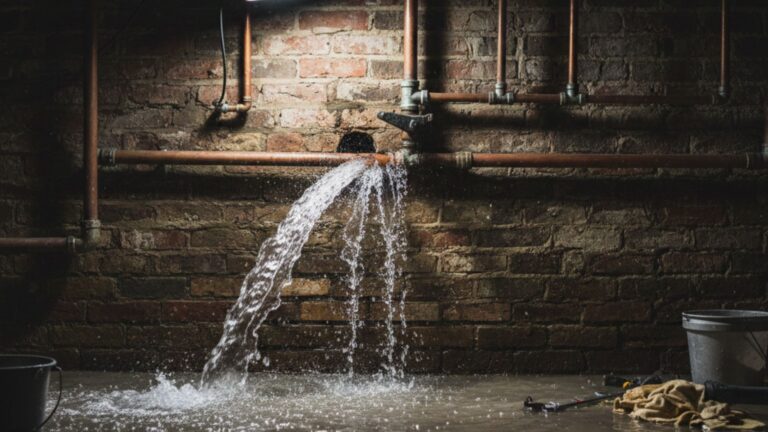
You’re standing at the top of your basement stairs, and all you can see is water creeping across the concrete floor. Maybe you’ve just come home after a heavy rainstorm, or you woke up to the sound of water gushing from a failed sump pump.
Either way, basement flooding in Princeton can trigger immediate panic, especially when you know every passing hour increases the risk of mold growth, structural damage, and thousands of dollars in repairs. The good news is that taking swift, informed action can dramatically reduce these risks and protect both your health and your home’s value.
Princeton homeowners face unique challenges, from older drainage systems to clay-heavy soils that increase water intrusion during storms. Understanding exactly what to do in those critical first hours after discovering water in your basement can mean the difference between a manageable cleanup and a devastating restoration project that drags on for weeks.
Key Takeaways
- Safety First: Always cut power to the basement before entering standing water, avoid contact with contaminated floodwater, and evacuate immediately if you detect sewage odors or see electrical sparks.
- Stop the Source: Quickly identify whether your flood stems from a failed sump pump, burst pipe, sewer backup, or stormwater runoff, then take action to halt additional water entry.
- Move Fast to Remove Water: Extract water within the first 24 hours using pumps or wet vacuums for clean water, or call professionals immediately for large-scale or contaminated flooding.
- Dry Thoroughly: Deploy fans, air movers, and dehumidifiers to eliminate moisture from floors, walls, and hidden cavities before mold colonies can establish themselves.
- Document and Restore: Take detailed photos of water levels and damaged items, file insurance claims promptly, and bring in professional cleaning or remediation crews when dealing with sewage or extensive damage.
Why Basement Flooding Demands Urgent Action
When water invades your Princeton basement, the clock starts ticking on multiple threats that compound with every passing hour. Standing water creates immediate safety hazards, from electrocution risks when outlets and electrical panels become submerged to dangerous slips and falls on wet concrete. Beyond these immediate dangers, the real devastation often happens in the structural elements you can’t immediately see. Water seeping into wood framing causes rot and weakening, while moisture-saturated drywall loses its integrity and may need complete replacement.
The health risks escalate just as quickly. Mold spores can begin colonizing damp surfaces within 24 to 48 hours of water exposure, releasing allergens and irritants that compromise your indoor air quality for months or even years if not addressed properly. Princeton homes face recurring basement flooding risks due to several local factors. Many properties in the area were built decades ago with drainage systems that no longer meet modern standards. Heavy rains overwhelm older French drains and downspout connections, while clay-heavy soils common to the region don’t absorb water efficiently, pushing stormwater toward foundations instead of away from them.
Immediate Hazards in a Flooded Basement
The most critical immediate danger in any flooded basement is electrocution. When water reaches electrical outlets, light fixtures, or your main electrical panel, touching that water or attempting to wade through it can be fatal. Even shallow water, just an inch or two deep, can conduct enough electricity to cause serious injury or death if it’s in contact with live electrical sources. This is why shutting off power at your main circuit breaker, if you can reach it safely from a dry area, should be your absolute first priority.
Equipment damage follows close behind as another immediate consequence. Furnaces, water heaters, washing machines, dryers, and other appliances sitting in standing water can suffer irreparable harm within minutes. The contamination risk adds another layer of danger, particularly when your flooding involves sewage backups or stormwater runoff that has mixed with street debris, chemicals, and bacteria. This type of “gray water” or “black water” contamination requires professional handling because it can cause serious illness if you come into contact with it.
Long-Term Risks from Delayed Cleanup
When basement water sits for days instead of hours, the damage shifts from surface-level problems to deep structural issues that threaten your home’s foundation and support systems. Wood framing members, floor joists, and wall studs that remain wet begin to soften and lose their load-bearing capacity. Drywall that stays saturated will eventually crumble and collapse, requiring complete removal and replacement rather than simple drying and repainting.
Insulation in walls and between floor joists acts like a sponge, holding moisture against wooden structural elements and creating perfect breeding grounds for mold. Once mold colonies establish themselves in these hidden cavities, they continue growing and spreading even after visible water disappears. The persistent moisture also attracts insects and can create odors that permeate your entire home through your HVAC system. These long-term consequences explain why Princeton area restoration companies stress that every hour counts when dealing with basement flooding, and why delaying cleanup to “save money” almost always results in higher costs down the road.
Triggers for Post-Flooding Response
Princeton homeowners find themselves dealing with basement flooding in several common scenarios, each requiring slightly different responses but all demanding immediate attention. Flash storms that dump several inches of rain in a short period overwhelm even well-maintained drainage systems, sending water cascading toward foundations faster than sump pumps can remove it. Sewer backups, sometimes triggered by town sewer rehabilitation projects or combined sewer systems that mix storm and sanitary water, push contaminated water up through basement floor drains and toilets.
Failed sump pumps represent another frequent trigger, particularly during extended power outages that accompany severe storms. When your primary sump pump loses power and you don’t have a battery backup system, water entering your basement through foundation drains has nowhere to go. Appliance leaks, while less dramatic than storm flooding, can still deposit hundreds of gallons of water before you discover the problem. A broken washing machine hose, failed water heater, or burst pipe in winter can flood a basement just as thoroughly as external water sources.
Common Causes in Princeton-Area Homes
Failing or undersized sump pumps top the list of basement flooding causes in Princeton properties. Older homes may have sump pumps that were adequate when installed but can’t handle the increased water volume from more intense storms or changes to the property’s drainage patterns. Blocked gutters and downspouts that discharge water right against your foundation create a direct pathway for water intrusion, especially when combined with sloped grading that directs water toward your home instead of away from it.
Sewer line backups have become more common in some Princeton neighborhoods undergoing infrastructure improvements. When the municipal sewer system becomes overwhelmed during heavy rains, pressure can force water back up through your home’s connection, particularly if you don’t have a backwater valve installed. Stormwater runoff infiltration happens when surface water finds cracks in your foundation, gaps around basement windows, or poorly sealed wall penetrations for utilities. Broken plumbing, whether from frozen pipes in winter or deteriorating supply lines in older homes, rounds out the common causes that send Princeton homeowners scrambling to respond to unexpected basement water.
When to Call Professionals Immediately
Certain basement flooding situations require professional intervention from the moment you discover them. Any situation involving contaminated water, whether from a sewage backup or stormwater that has mixed with street runoff, chemicals, or debris, falls into this category. The health risks from exposure to bacteria, viruses, and chemicals in contaminated water are too serious to attempt DIY cleanup. If you detect a sewage smell, see greasy or discolored water, or notice toilet paper or waste material in the floodwater, evacuate the area and contact a water damage restoration company immediately.
Large-scale flooding that covers a significant portion of the basement floor space or rises above a few inches also warrants professional help. Extracting hundreds or thousands of gallons of water requires commercial-grade pumps and extractors that homeowners typically don’t own. When your electrical panel is in the basement and standing water has reached it, you need both an electrician and a water damage specialist to safely address the situation. Failed major appliances like water heaters or furnaces that are still energized and sitting in water create electrocution and fire hazards that only licensed professionals should handle.
Urgent Steps to Take After Basement Flooding
The sequence in which you respond to basement flooding matters just as much as the speed of your response. Taking actions out of order can put you at risk or cause additional damage. Following this step-by-step process helps you address the most critical safety issues first while positioning yourself for the most effective cleanup and restoration possible.
Step 1: Ensure Personal Safety
Before you do anything else, assess whether entering your basement is safe. If you see sparks, smell gas, or detect sewage odors, evacuate your home immediately and call emergency services or your utility company. Assuming it’s safe to approach your electrical panel from a dry area, shut off power to the basement circuits. If your main panel is in the basement and surrounded by water, call an electrician rather than attempting to access it yourself.
Never wade into standing water without knowing its source and depth. Even clean-looking water may be contaminated with sewage if a backup has occurred, and shallow water may be hiding electrical hazards. If you have children or pets, keep them away from the basement entirely until cleanup is complete. Wear rubber boots and gloves if you must enter the basement for critical tasks like shutting off water or checking on elderly family members’ belongings, but minimize your time in the space until you’ve confirmed it’s safe.
Step 2: Identify and Stop the Water Source
Once you’ve secured safety, determine where the water is coming from so you can stop additional flooding. Check your sump pump first if you have one. If it’s not running when water is present in the sump pit, the pump may have failed or lost power. If the pump is running continuously but water keeps rising, it may be undersized for the current conditions or the discharge line may be frozen or blocked.
Look for plumbing leaks by checking your water heater, washing machine connections, and visible supply lines. If a burst pipe or failed appliance is the source, turn off the water supply using the individual shutoff valve for that fixture or appliance. If you can’t locate a specific shutoff, close your main water valve to stop the flow entirely. Examine your exterior drainage by looking outside at downspouts, foundation grading, and visible cracks or gaps in your foundation walls. While you can’t immediately fix exterior issues during a storm, identifying them helps you understand the flood’s cause and prevent future incidents.
Step 3: Remove Water as Quickly as Possible
For small volumes of clean water from sources like broken appliances or minor plumbing leaks, you may be able to handle extraction yourself using a wet-dry vacuum or small submersible pump. Work systematically from the deepest areas toward floor drains, removing as much water as possible before it has time to soak into porous materials like drywall, carpet, or wooden furniture. Empty collected water outside and away from your foundation to prevent it from seeping back into the basement.
When flooding is extensive, covers a large floor area, or involves contaminated water from sewage or stormwater, contact a professional water damage restoration company serving the Princeton area. These companies have industrial pumps, truck-mounted extraction units, and experience handling contaminated water safely. Many offer 24/7 emergency response because they understand that every hour of delayed water removal increases structural damage and mold risk. Professional crews can often extract water and begin drying procedures within hours of your call, dramatically reducing the total damage to your home.
Step 4: Protect Belongings and Document Damages
As soon as it’s safe to enter the basement and you’ve begun water removal, start protecting valuable items and documenting the extent of damage for insurance purposes. Move important documents, photo albums, electronics, and sentimental items to upper floors if they’re still above water level or can be safely retrieved. Even items that appear wet may be salvageable if dried quickly, but leaving them in standing water guarantees total loss.
Take comprehensive photographs and videos of water levels, showing how high water reached on walls and how much floor space was affected. Document every damaged item, including furniture, appliances, stored goods, and structural elements like drywall and flooring. Note the time you discovered the flooding and any actions you’ve taken so far. This documentation becomes critical when filing insurance claims, and having timestamped photos can help prove when damage occurred and how extensive it was before cleanup began.
Step 5: Dry and Clean the Basement
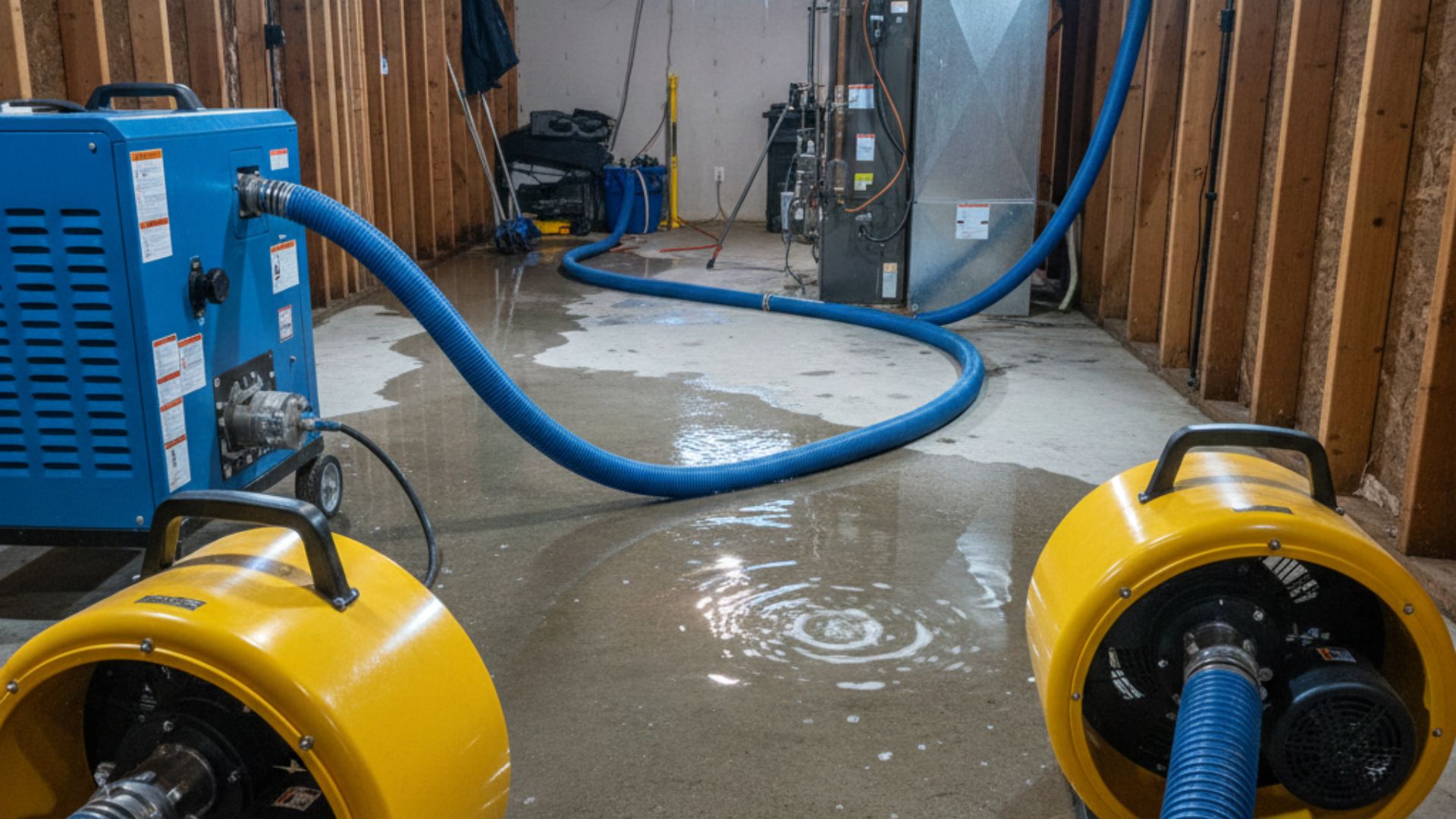
After removing standing water, the drying process begins. This step often determines whether you’ll face minor repairs or major mold remediation down the road. Set up as many fans as your electrical circuits can safely handle, positioning them to create airflow across wet floors and along the base of walls. Air movers, which you can rent from equipment rental companies or have provided by restoration professionals, create more powerful and directed airflow than household fans.
Deploy dehumidifiers to pull moisture out of the air, preventing it from condensing back onto surfaces as they dry. In humid Princeton weather, particularly during summer months, dehumidifiers are often essential because ambient humidity is too high for effective air-drying alone. Pay special attention to areas under carpet and padding, inside wall cavities if drywall was saturated, and anywhere sheetrock meets concrete. These hidden spaces dry slowly and can harbor moisture that feeds mold growth weeks after visible surfaces appear dry.
For areas exposed to sewage or contaminated stormwater, EPA guidelines recommend discarding porous materials that can’t be effectively disinfected, including carpet, padding, insulation, and drywall that was submerged. Hard surfaces can be cleaned with detergent and water, then disinfected with solutions appropriate for the contamination level. When dealing with sewage-contaminated areas, most professionals recommend hiring licensed remediation specialists rather than attempting cleanup yourself due to the serious health risks involved.
Step 6: Prevent Future Basement Flooding in Princeton
Once you’ve addressed the immediate crisis, shift your focus to preventing recurrence. Start with basic maintenance that Princeton homeowners often overlook. Clean gutters and downspouts regularly, particularly before storm season, and verify that downspouts discharge water at least five to six feet away from your foundation rather than directly against it. Check your sump pump monthly by pouring water into the pit to confirm the pump activates and discharges properly.
Consider upgrading to a battery backup sump pump system if you rely on a pump for basement drainage. During severe storms that cause power outages, a standard sump pump becomes useless exactly when you need it most. Battery backup systems or generator-powered pumps keep working when power fails. Evaluate whether your property would benefit from interior drainage systems, perimeter drains, or foundation waterproofing improvements. Local waterproofing contractors familiar with Princeton’s soil conditions and rainfall patterns can assess your specific situation and recommend targeted solutions that address your home’s unique vulnerabilities.
Ties to Safety, Insurance, and Local Guidelines
Responding to basement flooding involves more than just removing water and drying surfaces. You need to consider electrical safety codes, insurance requirements, and local preparedness recommendations that affect both your immediate response and long-term recovery.
Safety Codes and Electrical Concerns
Electrical safety represents the most critical code-related concern in flooded basements. National Electrical Code requirements and local building codes both prohibit re-energizing electrical systems that have been exposed to water until a licensed electrician has inspected them. Water damage to electrical panels, outlets, switches, and wiring can create fire hazards and electrocution risks that persist even after visible water has been removed.
Touching electrical components, attempting to reset breakers, or turning power back on while any moisture remains in electrical boxes or panels can cause electrical fires or fatal shocks. An electrician needs to verify that all electrical components are dry, undamaged, and safe before restoring power to your basement. In many cases, outlets and switches that were submerged require replacement, and wiring may need inspection or replacement if it was exposed to contaminated water.
Insurance and Documentation Needs
Homeowners’ insurance policies vary significantly in their coverage of basement flooding, with some policies excluding certain types of water damage while covering others. Flood insurance through the National Flood Insurance Program or private carriers may be necessary for coverage of some flooding scenarios. Regardless of your specific coverage, thorough documentation is essential for successful claims.
Take photos before you begin cleanup, during the cleanup process, and after completion. Save receipts for all equipment rentals, professional services, and replacement materials. Create a written inventory of damaged items with estimated values and purchase dates when possible. New Jersey insurance companies and local authorities both stress that prompt, detailed documentation improves claim outcomes and speeds reimbursement. Contact your insurance company as soon as possible after discovering flooding to report the claim and understand what documentation they require.
Princeton-Area Preparedness Advice
Local emergency management and sustainability organizations in Princeton provide storm preparation guidance that can reduce basement flooding risk. Recommendations include securing exterior drainage by keeping storm drains clear, extending downspouts away from foundations, and maintaining proper grading that slopes away from your home. Elevating utilities and appliances in flood-prone basements prevents total loss when minor flooding occurs.
Maintaining sump pumps with regular testing and timely replacement of aging pumps helps ensure they’ll work when needed most. Some Princeton neighborhoods have specific drainage challenges or participate in municipal sewer rehabilitation projects that affect individual properties’ flood risk. Staying informed about local infrastructure work and following town-specific guidance helps you anticipate and prepare for situations that might affect your basement.
Site-Specific Adjustments for Princeton Homes
Princeton’s housing stock, soil conditions, and municipal infrastructure create unique circumstances that affect how homeowners should respond to and prevent basement flooding. Understanding these local factors helps you make better decisions about both immediate response and long-term improvements.
Older Princeton Homes and Drainage
Many Princeton homes were built decades ago when drainage standards differed significantly from modern requirements. Older properties may have shallow or undersized gutters that overflow during heavy rains, sending water sheeting down walls and pooling against foundations. Foundation drainage systems in older homes, if they exist at all, may consist of clay tiles that have cracked or collapsed over time, reducing their effectiveness at directing groundwater away from basements.
Grading around older foundations often settles over time, creating slopes that direct water toward the house instead of away from it. These older homes may also lack the interior drainage channels and sump pump systems that newer construction includes as standard features. Improving drainage around older Princeton properties often requires a combination of approaches, including regrading soil around the foundation, installing or upgrading gutters and downspouts, adding French drains or perimeter drainage systems, and retrofitting interior drainage with modern sump pump systems.
Stormwater and Sewer-Backup Scenarios
Some Princeton area properties face increased basement flooding risk from municipal infrastructure issues. Combined sewer systems that handle both sanitary waste and stormwater can become overwhelmed during heavy rains, causing backups into basements through floor drains and toilets. When the town undertakes sewer rehabilitation projects, temporary changes to water flow or increased system capacity can affect individual properties’ drainage.
Newer homes and major renovations should include backwater valves on sewer connections to prevent backups from entering the home. Upgraded sump pump chambers with sealed covers prevent sewer gases from entering living spaces while still allowing proper drainage. Homeowners in areas prone to sewer backups may benefit from installing overhead sewers or sewage ejector pumps that can handle occasional reverse flow without flooding the basement.
Picking the Right Time for Emergency Action
Unlike seasonal home maintenance tasks that you can schedule when convenient, responding to basement flooding is entirely time-dependent. The “right time” is measured in hours from the moment flooding begins, not days or weeks on a calendar.
First 0-24 Hours
The first 24 hours after basement flooding represent your most critical window for limiting damage. Water removal should begin within the first few hours if possible, particularly for large-scale flooding or contaminated water. During this initial period, structural materials are still in the process of absorbing water, which means prompt extraction and drying can prevent saturation of drywall, wood framing, and insulation.
Mold spores are present in virtually all indoor environments, but require moisture to begin growing and forming colonies. Starting the drying process within the first day prevents conditions that allow rapid mold growth. Professional water damage restoration companies prioritize a 24-hour response for exactly this reason. Water that sits for a full day begins causing secondary damage as it wicks up walls, spreads under flooring, and saturates materials that weren’t initially submerged.
24-72 Hours
If flooding occurred more than 24 hours ago but less than 72 hour agos, you’re still within a window where effective action can prevent the worst long-term consequences. However, mold growth has likely already begun on any surfaces that remained wet beyond the first day. Professional assessment becomes even more important during this window because hidden moisture in wall cavities, under flooring, and in insulation may not be apparent without moisture meters and thermal imaging cameras.
Extraction and drying during this period requires more intensive effort than an immediate response would have. Air movers need to run longer, dehumidifiers may need to work for several days, and materials that could have been saved with a faster response may now require replacement. Professional teams should be on-site during this window for any large-scale or contaminated flooding because the margin for error has shrunk considerably.
Beyond 72 Hours
When basement water has been standing for more than three days, you’re dealing with a significantly more complex situation. Mold colonies have established themselves and are actively growing and spreading. Structural materials have absorbed maximum moisture and begun deteriorating. Odors from bacterial growth and decomposition of organic materials may permeate the space.
Even in unfinished basements with concrete floors and minimal susceptible materials, hidden moisture in framing, insulation, and wall cavities can feed ongoing problems. Thermal camera inspections and moisture meter readings become essential tools for finding hidden wet areas that won’t dry on their own. Complete remediation at this stage often requires removing and replacing saturated materials rather than attempting to dry them in place.
Condition-Based Action Guidelines
The type of water flooding your basement significantly affects how you should respond. Clean water from a burst pipe requires different handling than sewage backup or contaminated stormwater.
Clean-Water Flooding (Burst Pipe, Appliance Leak)
Flooding from clean water sources like failed washing machine hoses, burst supply pipes, or water heater leaks presents the lowest risk category. You can often safely extract this water yourself using wet-dry vacuums or submersible pumps, and salvaging furniture, stored goods, and even some building materials is possible if you act quickly.
After removing water, focus on thorough drying using fans and dehumidifiers. Check your foundation for new cracks or efflorescence, which are white mineral deposits that appear when water evaporates from concrete and may indicate ongoing moisture issues. Even clean-water flooding requires attention to complete drying because any moisture left behind can support mold growth regardless of the water’s original source.
Sewage or Stormwater Floods
Contaminated water from sewage backups or stormwater that has mixed with street runoff, chemicals, and debris requires professional handling. This “black water” contains bacteria, viruses, parasites, and potentially toxic chemicals that pose serious health risks. Never attempt to clean up sewage contamination yourself, and keep children and pets completely away from affected areas.
Evacuate the basement immediately if you detect sewage odors or see toilet paper, waste, or greasy water. Contact a licensed water damage restoration or sewage remediation company that has the training, equipment, and protective gear to handle contaminated water safely. Expect to discard porous materials like carpet, padding, drywall, and insulation that contacted sewage because these materials cannot be adequately disinfected and will harbor bacteria and odors indefinitely.
Sump-Pump-Only Flooding in Recurring Storms
If you experience basement flooding multiple times per year because your sump pump becomes overwhelmed during storms or fails during power outages, you’re dealing with a chronic drainage issue rather than an isolated incident. Battery backup systems or generator power for your existing pump address power-outage failures. Upgrading to a higher-capacity pump or adding a secondary pump helps when water volume exceeds single-pump capacity.
However, recurring flooding often signals that your property’s drainage system needs comprehensive improvement. Sump pump inspections by professionals who specialize in basement waterproofing can identify whether you need additional interior drainage capacity, improved exterior grading and gutters, or more extensive waterproofing solutions. Treating recurring floods as one-time incidents leads to repeated damage and escalating costs rather than permanent solutions.
Enhancing Long-Term Basement Flood Resistance
Effective basement flooding response doesn’t end when the water is gone, and surfaces are dry. Building resistance to future flooding protects your investment and provides peace of mind during the next severe storm.
Physical Upgrades to the Basement
Battery backup sump pump systems represent one of the most effective upgrades for Princeton homeowners who rely on sump pumps for basement drainage. These systems automatically activate when power fails, using heavy-duty batteries to keep pumping water even during extended outages. Some models include water-powered backup pumps that use municipal water pressure to remove basement water when electricity is unavailable.
Interior drainage channels and perimeter drain systems intercept water before it can pool on basement floors. These systems collect water entering through foundation walls or floor joints and direct it to sump pits for removal. Epoxy crack repairs seal foundation cracks that allow water intrusion, while exterior perimeter drains installed around the foundation’s footings prevent groundwater from reaching basement walls in the first place. Many Princeton area waterproofing contractors offer combinations of these systems tailored to local soil conditions and each property’s specific drainage challenges.
Maintenance Habits That Reduce Risk
Physical upgrades work best when combined with consistent maintenance that keeps drainage systems functioning properly. Clean gutters and downspouts at least twice annually, more often if you have trees near your home that shed leaves and debris. During cleaning, verify that downspouts discharge far enough from your foundation to prevent water from flowing back toward the house.
Test your sump pump monthly by pouring water into the pit until the float activates the pump. Listen for unusual noises, verify that water discharges properly through the output line, and check that the float moves freely without sticking. Inspect visible foundation walls annually for new cracks, and seal small cracks promptly before they expand. Schedule professional drain cleaning every few years to prevent buildup in basement floor drains that could cause backups during flooding.
Common Pitfalls After Basement Flooding
Princeton homeowners often make predictable mistakes when responding to basement flooding, usually out of panic, incomplete information, or misplaced attempts to save money. Understanding these pitfalls helps you avoid compounding your problems.
Wading through unknown water without cutting power first is perhaps the most dangerous mistake. Many homeowners assume that a little water couldn’t possibly be electrified or that they can quickly grab items without being in the water long enough to be at risk. In reality, even brief contact with electrified water can be fatal, and you often can’t tell by looking whether water is conducting electricity.
Attempting DIY cleanup of sewage floods represents another serious error. The health risks from bacteria, viruses, and parasites in sewage are not overstated, and lacking proper protective equipment, disinfectants, and disposal procedures puts your family at risk for serious illness. Professional remediation may cost more than DIY attempts, but the health consequences of inadequate sewage cleanup can be far more expensive and dangerous.
Delaying drying to “save money” by avoiding equipment rental or professional help almost always backfires. The money saved by not running dehumidifiers or calling restoration crews is quickly lost when mold growth requires extensive remediation, structural damage necessitates replacing rather than drying materials, and health issues arise from poor indoor air quality. The window for cost-effective cleanup is narrow, and missing it makes everything more expensive.
Finally, accepting a one-time cleanup without investigating the root cause sets you up for repeated flooding. If your basement flooded once, it will likely flood again unless you address the underlying drainage, waterproofing, or equipment issues that allowed the initial incident. Each recurrence causes cumulative damage and eventually affects your home’s value and insurability.
Basement Flooding in Overall Home-Protection Strategy
Treating basement flooding as an isolated emergency rather than one element of comprehensive home protection misses opportunities to build resilience and protect your investment. Basement waterproofing, electrical safety, insurance coverage, and weather preparedness all connect to how effectively you can prevent and respond to flooding.
Professional inspection and remediation should be part of your long-term planning, not just emergency response. Annual inspections of sump pumps, drainage systems, and foundation integrity catch small problems before they become major failures. Having established relationships with local restoration contractors means you can get help faster when emergencies occur.
Your overall strategy should address both prevention and response. Prevention includes maintaining gutters and downspouts, upgrading or backing up sump pumps, improving grading and drainage, and waterproofing vulnerable areas. Response preparation means knowing how to cut power safely, having emergency contact information for restoration companies and electricians readily available, understanding your insurance coverage, and keeping necessary equipment like wet-dry vacuums accessible.
This integrated approach protects resale value because prospective buyers increasingly look for evidence that properties in flood-prone areas have been properly maintained and upgraded. It protects family health by preventing mold growth and contamination exposure. For Princeton homeowners in areas with clay soils, older drainage systems, and increasing rainfall intensity, this comprehensive strategy provides the most reliable protection for one of your largest investments.
Frequently Asked Questions About Basement Flooding in Princeton
Q: Is it safe to walk through 2 inches of water in the basement?
A: Never walk through standing water in your basement if you don’t know the source and haven’t confirmed that power to the basement is off. Even shallow water can conduct electricity from submerged outlets or appliances and cause electrocution. Additionally, water that appears clean may be contaminated with sewage if a backup has occurred. Always shut off power from a dry location and verify the water source before entering.
Q: How long can water sit in a basement before mold grows?
A: Visible mold can begin forming within 24 to 48 hours after water exposure under the right conditions. Mold spores are always present in indoor air, but need moisture to grow and form colonies. The sooner you remove water and begin thorough drying, the lower your risk of significant mold growth. Professional restoration companies stress that starting the drying process within the first 24 hours dramatically reduces mold risk.
Q: Should I replace drywall after only a small flood?
A: If drywall is saturated or shows visible swelling, most professionals recommend replacement rather than attempting to dry it in place. Drywall that absorbs significant water often loses structural integrity, may harbor mold within its paper facing and gypsum core, and can develop odors that persist even after drying. For minor wicking at the base of walls where water was shallow and brief, you may be able to cut out the bottom few inches and replace just that section rather than the entire wall panels.
Q: When should I call a mold or restoration company after basement flooding?
A: Call immediately for any situation involving sewage contamination, large-area flooding, electrical panel exposure, or uncertain water sources. Even for clean-water floods, contact professionals if water affected a significant portion of your basement, if you cannot extract all water within a few hours, or if you lack equipment to thoroughly dry the space within 24 to 48 hours. The cost of professional help is almost always lower than the cost of mold remediation or structural repairs needed after inadequate DIY cleanup.
Q: Can a new sump pump prevent all Princeton basement floods?
A: A new, properly sized sump pump with battery backup significantly reduces flooding risk from groundwater and foundation drainage, but it cannot prevent all possible flooding scenarios. Sewer backups, burst pipes, and surface water entering through windows or doors can still flood basements even with perfect sump pump operation. Comprehensive protection requires combining a reliable sump pump with proper exterior drainage, maintained gutters and downspouts, foundation waterproofing where needed, and possibly backwater valves on sewer connections.
Q: What cleanup is safe to do myself?
A: You can safely handle small, clearly clean-water spills from sources like broken washing machine hoses or minor plumbing leaks if you can shut off the water source, confirm power is off to affected areas, and extract water within a few hours using wet-dry vacuums or small pumps. Avoid electrical contact, work in rubber boots, and ventilate the area well while drying with fans and dehumidifiers. For anything involving sewage odors, discolored water, large water volumes, or uncertainty about the source, call professionals rather than attempting DIY cleanup.
Final Thoughts
Basement flooding in your Princeton home demands immediate, informed action to minimize damage and protect your family’s health and safety. The critical steps are straightforward but time-sensitive. Ensure safety first by cutting power and avoiding contaminated water, stopping the water source, extracting standing water as quickly as possible, drying thoroughly using fans and dehumidifiers, and documenting everything for insurance purposes. When you face sewage contamination or large-scale flooding, calling professionals immediately prevents health risks and reduces long-term costs. Understanding that mold can begin growing within 24 to 48 hours, that Princeton’s clay soils and older drainage systems create unique challenges, and that repeated flooding signals the need for comprehensive drainage improvements helps you make smart decisions both during emergencies and in planning long-term protection.
Taking these urgent steps, combined with preventive maintenance and strategic upgrades to your drainage and waterproofing systems, transforms your basement from a liability during storms into a reliably dry, safe space. You’ll protect your property value, avoid costly mold remediation, and gain peace of mind knowing that the next heavy rainstorm won’t send you into panic mode. The investment in proper cleanup, thorough drying, and targeted improvements pays dividends through lower insurance costs, healthier indoor air quality, and a home that’s ready for whatever New Jersey weather brings.
When you’re facing basement flooding and need expert help fast, ExecPro Restoration & Cleaning brings the professional water damage restoration and mold remediation expertise Princeton homeowners can count on. Our team understands the unique challenges of Princeton-area homes, from clay soils to aging drainage systems, and we provide 24/7 emergency response to get water extraction and drying started within hours of your call. Whether you’re dealing with a failed sump pump, sewage backup, or storm flooding, we have the commercial-grade equipment and certified technicians to handle contaminated water safely, dry your basement thoroughly, and restore your home to pre-flood condition. Contact ExecPro Restoration & Cleaning today for immediate assistance with your basement flooding emergency or to schedule an assessment of your home’s flood-prevention needs.